Can You Freeze Yellow Squash Without Blanching? What You Need to Know

November 6, 2026
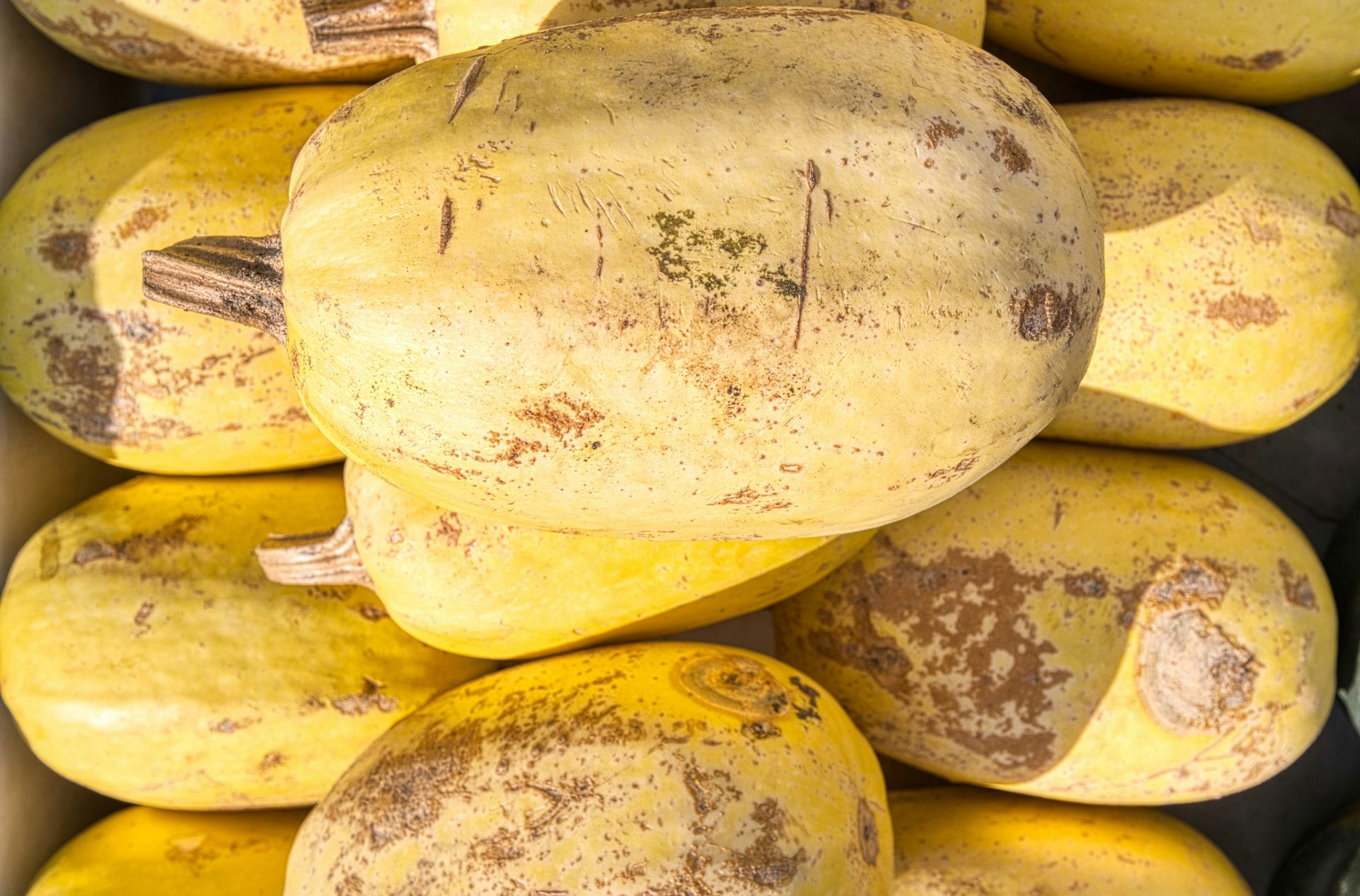
Yellow squash piles up fast. Whether your backyard garden is producing more than you can eat or you grabbed an extra bag at the farmers market, you need a plan — and freezing is one of the easiest options available to home cooks across the United States.
The question most people run into is whether blanching is truly necessary before freezing. The short answer: you can skip it, but there are real trade-offs worth understanding before you decide. This guide walks you through everything — from whether freezing changes the texture, to how long it keeps, to the best ways to cook it once it comes out of the freezer.
Can You Freeze Yellow Squash?
Yes, you can absolutely freeze yellow squash (Cucurbita pepo). It is one of the more straightforward vegetables to put up for long-term storage, and it works well in a wide range of cooked dishes after thawing.
The debate, however, centers on blanching. While it is technically possible to freeze yellow squash without blanching, it is not the recommended approach — blanching helps inactivate enzymes that can cause loss of flavor, color, and texture over time. That said, many home cooks do freeze it raw with decent results, especially when they plan to cook it straight from frozen rather than thaw it first.
Blanching slows or stops the action of enzymes that cause loss of flavor, color, and texture. It also cleanses the surface of dirt and organisms, brightens the color, and helps retard loss of vitamins. For long-term storage — anything beyond two or three months — blanching gives you noticeably better results.
Pro Tip: For the best results, freeze squash at peak freshness. The squash needs to be at its peak of freshness when you freeze it — using fresh squash is crucial so it lasts longer and has the best quality when you pull it out to cook.
Does Freezing Change the Texture or Taste of Yellow Squash?
Yes — and being upfront about this will save you frustration later. Freezing and thawing can alter the texture of yellow squash. It may become softer and slightly more watery after thawing due to the formation of ice crystals during freezing, which can damage the cell walls.
Yellow squash has a very high water content, so it will not retain a crisp, fresh-like texture after being frozen. As it defrosts, it becomes soft and watery — whether you blanch it first or not. This is simply the nature of the vegetable, not a sign that something went wrong.
The flavor, however, holds up reasonably well. While the texture may change, the flavor and nutritional value of the squash remain largely intact. The practical takeaway is that frozen yellow squash works great in cooked dishes — soups, stews, casseroles, and baked goods — but it will not perform well in salads or anywhere you need a firm bite.
Blanching before freezing does help slow the texture decline. At the heart of blanching’s importance is the inactivation of naturally occurring enzymes. These enzymes, while beneficial when the squash is fresh, become problematic in the freezer — if left unchecked, they will gradually degrade the squash even at freezing temperatures. If you plan to store the squash for more than two months, blanching is worth the extra few minutes.
How to Freeze Yellow Squash the Right Way
You have three solid methods to choose from: blanched slices, raw-packed slices, and shredded squash. Each has its place depending on how you plan to use the squash later.
Method 1: Blanched Slices (Best for Long-Term Storage)
This is the method recommended by the National Center for Home Food Preservation at the University of Georgia. Choose young squash with tender skin, wash and cut into ½-inch slices, water blanch for 3 minutes, cool promptly, drain and package leaving ½-inch headspace, then seal and freeze.
- Wash the squash thoroughly under cold running water and trim both ends.
- Cut the squash into uniform slices about ¼ inch thick. You can also dice or shred it depending on how you plan to use it later — uniform slicing ensures even blanching and freezing.
- Bring a large pot of water to a rolling boil. Add no more than 1 pound of squash (4–6 cups) to the boiling water. If the water does not return to a boil within 30 seconds to 1 minute, you added too much. Once the water returns to a boil, blanch squash for 3 minutes.
- After 3 minutes, remove the squash and plunge the pieces into cold or ice water. The quicker the slices cool, the more crispness they will retain.
- Spread them out on clean towels or paper towels, pat dry, and let them air dry for about 10–15 minutes. Excess moisture is the enemy of good freezing — it leads to ice crystals and freezer burn.
- To prevent slices from sticking together, lay them in a single layer on a baking sheet lined with parchment paper. Place the sheet in the freezer for 1–2 hours until the squash is firm and partially frozen.
- Transfer to airtight freezer bags or vacuum-sealed containers, squeeze out as much air as possible, label with the date, and store.
Method 2: Raw-Packed Slices (Faster, Shorter Shelf Life)
Some cooks never blanch the squash before freezing, choosing instead to raw-pack it after cutting, then flash freeze and vacuum seal. This method works, but it does have limits.
If you go the raw route, always cook your squash from frozen rather than thawing it first — cooking it straight from frozen helps it get crispy and the texture stays soft and supple rather than mushy. Raw-packed squash is best used within 2–3 months for acceptable quality.
Method 3: Shredded Squash (Best for Baking)
You can shred zucchini or yellow squash, vacuum seal it, and freeze it. Shredded summer squash works well in baked goods, quiche, frittatas, casseroles, muffins, and breads.
Shred the squash, then place it in a cheesecloth or kitchen towel and squeeze out as much water as you can. Then measure it into individual bags in cup-sized portions. This makes it easy to grab exactly what a recipe calls for without thawing a whole bag.
Pro Tip: Freeze squash in meal-sized portions so you only defrost what you need, cutting down on waste and repeated thawing.
How Long Can You Freeze Yellow Squash?
Storage life depends on your method and how well the squash is packaged.
| Method | Recommended Storage Time | Notes |
|---|---|---|
| Blanched slices, vacuum-sealed | 10–12 months | Best quality; minimal freezer burn risk |
| Blanched slices, standard freezer bags | 8–10 months | Good quality; squeeze out air before sealing |
| Raw-packed slices | 2–3 months | Texture and flavor decline faster without blanching |
| Shredded squash | 8–10 months | Drain excess liquid after thawing before using |
Properly packaged and frozen, squash should maintain high quality for approximately 10 months in the freezer. For best quality, use within 10–12 months when stored continuously at 0°F (−18°C) or colder. While safe indefinitely at that temperature, nutritional value and texture decline measurably after 12 months.
Keep your freezer set to 0°F (−18°C) or lower. Try to keep your freezer at a stable 0°F (−18°C) and avoid the freezer door, where temperatures fluctuate the most — store squash toward the back.
How to Thaw Frozen Yellow Squash
How you thaw yellow squash matters almost as much as how you froze it. The wrong approach leads to mushy, waterlogged results that are hard to work with.
For most cooked dishes, you do not need to thaw it at all. You can add frozen slices directly to soups, stews, baked goods like muffins or bread, or sautés — just increase cook time by 2–4 minutes. Thaw only if using in dishes requiring precise moisture control, such as frittatas or grain pilafs.
When thawing is necessary, keep these options in mind:
- Refrigerator overnight: The safest method. Place the bag in the fridge the night before and use within 3–4 days.
- Cold water: Submerge the sealed bag in cold water, changing the water every 30 minutes until thawed. Cook immediately after.
- Microwave: Use the defrost setting and cook the squash right away.
Never thaw yellow squash at room temperature. Bacteria grow rapidly at temperatures between 40°F and 140°F, and cooked summer squash should be discarded if left out for more than 2 hours at room temperature. The same principle applies to thawing — room-temperature thawing creates unnecessary food safety risk.
Also expect some liquid release once the squash thaws. When you thaw shredded frozen squash, you will likely need to drain off some of the excess liquid. For sliced squash going into casseroles or sautés, pat it dry with a paper towel before cooking to avoid a watery result.
Can You Refreeze Yellow Squash After Thawing?
Refreezing thawed yellow squash is not recommended as a general practice. Refreezing increases microbial risk and accelerates texture breakdown. Yellow squash already becomes softer after one freeze-thaw cycle — a second cycle makes it even more watery and less usable.
There is one exception: squash thawed in the refrigerator and never warmed above 41°F can technically be refrozen. Do not refreeze squash that was thawed in cold water or in the microwave — reheat it fully instead.
The best way to avoid the refreezing problem altogether is to freeze squash in small, meal-sized portions from the start. That way, you only pull out what you need for a single recipe and nothing goes to waste. You can learn more about smart food storage strategies in this guide to freezing jam without pectin, which covers similar principles for preserving summer produce.
How to Use Frozen Yellow Squash (Best Uses After Freezing)
Frozen yellow squash is not a direct substitute for fresh in every recipe. Frozen squash tends to be softer than fresh, so it is best used in cooked dishes like soups, stews, casseroles, or baked goods. Avoid using it raw in salads or recipes that rely on firm texture.
Here are the best ways to put frozen yellow squash to work in your kitchen:
- Soups and stews: Add directly from frozen near the end of cooking. For soups, sauces, chili, and similar dishes, add the frozen squash near the end of the cooking time.
- Casseroles and gratins: Thaw and pat dry first to prevent excess moisture from making the dish watery.
- Sautéed squash: Cook from frozen in a hot pan with a little olive oil. Frozen squash added directly into soup, stews, casseroles, for sautéing, and to make fried squash works well.
- Baked goods: Shredded yellow squash is great for breads or muffins — after shredding, squeeze out excess moisture, pack into bags, and freeze. Thaw and drain before adding to batter.
- Fried squash: When you are ready to fry battered squash, do not thaw it first. Fry the battered squash from frozen so it will not get mushy — this is the key to freezing and cooking summer squash.
- Squash puree: Steam or boil squash until soft, puree it in a blender, and freeze in ice cube trays or containers. Great for soups, baby food, or smoothies.
Yellow squash is also a great example of yellow foods that deliver real nutritional value. Yellow squash is packed with vitamins like Vitamin C and B6, minerals such as potassium and manganese, and antioxidants. Those nutrients hold up well through freezing, which makes it a smart addition to a heart-healthy diet or a whole plant-based eating plan.
Signs That Frozen Yellow Squash Has Gone Bad
Frozen food does not last forever, and yellow squash is no exception. Here is what to look for before you cook a bag you have had in the freezer for a while.
Freezer burn: Any remaining moisture on the surface of the squash will turn into tiny ice crystals in the freezer. These crystals can lead to freezer burn, which appears as dry, discolored spots and affects both the flavor and texture of your squash. A dry surface before packaging is your best defense. Mild freezer burn is safe to eat but the affected areas will taste dry and bland — trim them off if possible.
Off odor: Discard the squash if it develops off-odors (sour or fermented), visible mold, or grayish discoloration — even if it is still within the recommended date.
Unusual color or texture after thawing: Signs that squash may be contaminated include a pungent or off odor or flavor, which may be accompanied by sliminess, and soft spots or shriveled skin.
Excessive frost buildup: Ice crystals alone do not indicate spoilage, but excessive frost suggests temperature fluctuation and possible quality loss. If the bag has a thick layer of frost, the squash may have been exposed to temperature swings — it may still be safe, but quality will be reduced.
Important Note: When in doubt, throw it out. Frozen vegetables that have been stored too long or exposed to temperature fluctuations can degrade significantly in quality even when technically safe to eat. Always label bags with the freeze date so you know exactly how long they have been stored.
Frequently Asked Questions
Can You Freeze Yellow Squash Raw Without Blanching?
Some people do raw-pack their summer squash without blanching first. However, some find that blanching changes the texture of the squash too much for their liking, while others feel that skipping it leads to mushier results. The safest bet for storage beyond two to three months is to blanch first. For shorter storage, raw-packing works — just cook it straight from frozen.
How Do You Keep Frozen Yellow Squash from Getting Mushy?
Two things help most: blanching before freezing and cooking from frozen rather than thawing. Always cook your squash from frozen, never thaw then cook it — cooking it straight from frozen helps it get crispy and the texture stays soft and supple but not mushy. Flash-freezing in a single layer on a baking sheet before bagging also prevents clumping and large ice crystals.
Do You Have to Peel Yellow Squash Before Freezing?
The skin is edible and becomes tender when cooked — there is no need to peel yellow squash before freezing unless you prefer to. For most cooked dishes, leaving the skin on is perfectly fine and saves prep time.
Can You Freeze Cooked Yellow Squash?
Yes. You can sauté squash lightly in olive oil before freezing if you want a ready-to-use option. To maximize the shelf life of cooked summer squash for safety and quality, refrigerate it in airtight containers or resealable plastic bags — properly stored, cooked summer squash will last for 3 to 5 days in the refrigerator before you transfer it to the freezer for longer storage.
What Is the Best Size Yellow Squash to Freeze?
Choose squash that is young, tender, and free from blemishes. Look for firm squash with a smooth, glossy skin. Smaller squash (6–8 inches long) tend to be sweeter and have fewer seeds, which makes them ideal for freezing. Overly large squash has more water content and larger seeds, which leads to a soggier result after thawing.
Is Frozen Yellow Squash Healthy?
Yes. Freezing is one of the best ways to lock in the nutritional value of summer squash. For best results, blanch for 3 minutes in boiling water, chill immediately in ice water, drain well, and pack in airtight freezer bags with minimal headspace — this method preserves nutritional value, color, and culinary versatility for up to 10–12 months. Yellow squash is a solid source of vitamins and minerals, and it fits well into a healing, anti-inflammatory diet or a plan built around cancer-fighting nutrients. For more on how vegetables support overall health, check out this overview of foods that promote healthy skin and foods that support healthy eyesight.