
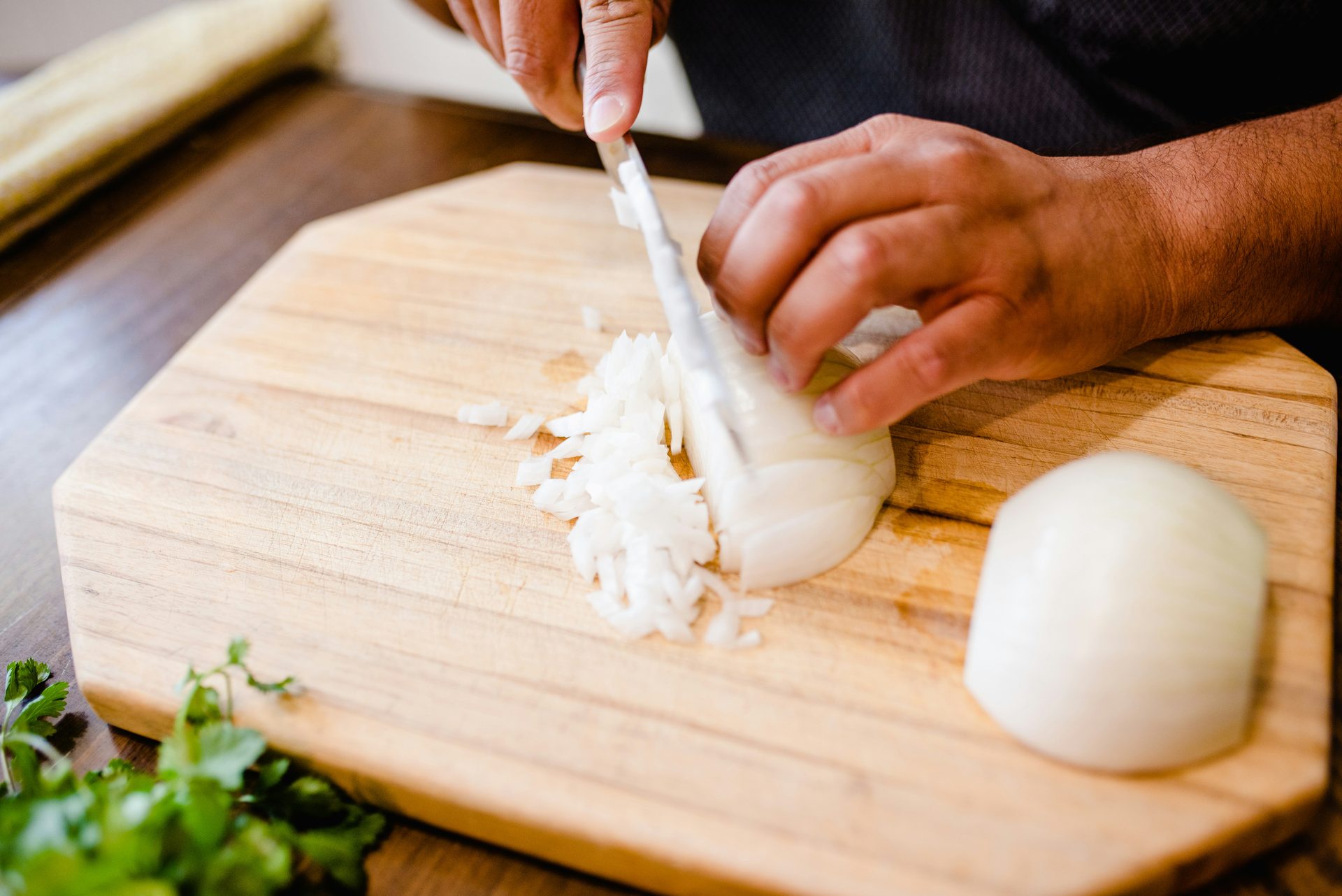
Diced onions are one of those ingredients you reach for in nearly every savory dish — soups, stews, chili, stir-fries, casseroles, and so much more. But what happens when you buy a big bag, only need half, and don’t want the rest to go to waste? Freezing is the answer, and it works better than most people expect.
Yes, you can absolutely freeze diced onions. It is one of the best meal prep shortcuts for busy weeknights. Whether you want to save a surplus from the farmers market, cut down on daily prep time, or just stop throwing away onions that have gone soft in the pantry, keeping a bag of frozen diced onions on hand is a genuinely useful kitchen habit.
This guide walks you through everything — from how freezing affects texture and taste, to the right way to pack and store them, to the best dishes to use them in once they come out of the freezer.
Can You Freeze Diced Onions?
Yes, you can freeze onions, and you don’t even need to blanch them or pre-treat them in any way. That makes diced onions one of the easiest vegetables to freeze — no blanching pot, no ice bath, no extra steps required before they go into the bag.
Any onions work frozen — yellow onions, white onions, red onions, and even green onions can be frozen using the same method. Sweet white onions are worth freezing especially quickly, because they go bad faster due to their high sugar content.
Freezing also works well as a food-waste solution. It’s a great way to preserve onions that might go bad otherwise. While onions generally store pretty well, some varieties like sweet onions go off quickly, and freezing is a fast way to preserve a windfall of onions that would otherwise be left to spoil.
Pro Tip: Dice your onions in bulk when they are on sale at the grocery store, freeze them flat in labeled bags, and you will have ready-to-use onions for months without any daily chopping.
Does Freezing Change the Texture or Taste of Diced Onions?
Texture does change — that’s the honest answer. Frozen onions will not give your mouth the same crispy, crunchy texture you get when eating raw onions. This is because onions have a high water content, and when you freeze them, that moisture expands and pierces through the cell walls.
The texture of onions will become much softer and they will lose their crunch. They won’t be suitable for salads or any raw dishes, but they’re great in cooked dishes like soups, stews, curries, and casseroles. Think of it this way: for any recipe where the onion gets cooked anyway, the textural change is a non-issue.
As for flavor, the news is better. Frozen onions will not be crisp like fresh ones, but they keep their flavor and work beautifully in cooked dishes. For best quality, use frozen onions within 3 months, as the flavor can start to change and become stronger after that.
| Quality Factor | Fresh Diced Onions | Frozen Diced Onions |
|---|---|---|
| Texture (raw) | Crisp and firm | Soft after thawing — not suitable raw |
| Texture (cooked) | Softens during cooking | Softens quickly — works well in cooked dishes |
| Flavor | Full, balanced | Retained well within 3 months |
| Best uses | Raw and cooked applications | Cooked dishes only |
| Prep time savings | None | Significant — no chopping needed |
How to Freeze Diced Onions the Right Way
The process is simple, but a few specific steps make a real difference in quality and convenience. Here is the method recommended by the National Center for Home Food Preservation and supported by experienced home cooks.
- Peel, trim, and clean your onions thoroughly. Peel, trim, and clean thoroughly, then dice into approximately 1/4-inch pieces. Consistent sizing helps them freeze and cook more evenly.
- Skip the blanching. No blanching is required for diced onions. Onions can be frozen raw without blanching — their low enzyme activity means blanching offers no significant benefit.
- Flash freeze on a baking sheet (recommended). Spread the onions out in a single layer on a baking sheet, pop them in the freezer, and flash freeze until frozen solid. This shouldn’t take more than 2–3 hours. This step keeps them from clumping into one solid block.
- Transfer to airtight freezer bags or containers. Transfer the frozen onions to airtight, freezer-safe containers or bags, removing as much air as possible. Thick, plastic freezer bags — not the all-purpose kind, but the thicker freezer-grade bags — work best.
- Label and date every bag. Always label your bags with the freezing date to keep track of their shelf life and use them within the optimal time frame.
- Store flat to save space. Freeze your bags of diced onions flat between cookie sheets, pressing to make the bags as flat as possible. When the bags are frozen solid (about two hours), remove the cookie sheets and stack the bags.
Pro Tip: If you know you use a couple of tablespoons of diced onion at a time, fill an ice cube tray with onions, cover with plastic wrap, freeze, then pop the onion cubes out and into freezer bags for storage. This makes portioning effortless.
If you are chopping a large batch, use a food processor to make chopping easier — just use the pulse button to avoid turning the onions into mush. A vegetable chopper also works well and produces more even pieces than a food processor.
How Long Can You Freeze Diced Onions?
Storage time estimates vary slightly by source, but the general consensus points to a window of 3 to 12 months depending on how well they are packaged and how quickly you want peak quality.
- For best quality, use frozen onions within 3 months.
- Onions can be frozen for up to six months without significant loss of quality, after which they may start to lose their flavor and texture.
- In general, you’ll want to use your frozen onions within 8–12 months — but as long as they look good, taste good, and smell good with no signs of freezer burn, you can get away with using them past that time.
The practical takeaway: aim to use your frozen diced onions within 3 to 6 months for the best flavor. They remain safe beyond that window if stored properly, but quality noticeably declines. Make sure your freezer is set at 0°F (–18°C) or below to maintain quality.
For more ideas on incorporating whole plant-based foods into your daily cooking, including how to store and use vegetables efficiently, that resource is worth a look.
How to Thaw Frozen Diced Onions
Here’s the best-kept secret about frozen diced onions: you usually don’t need to thaw them at all. When cooking with frozen onions, you can add them directly to the pot without thawing, which makes them incredibly convenient for quick meals.
They may cook faster than fresh onions, so keep an eye on cooking times. Sometimes they can release extra moisture, so cook them over medium-high heat to allow evaporation. They will release a little more moisture which will evaporate quickly.
If your recipe does require thawed onions, here are your options:
- Refrigerator thaw: Transfer the needed amount to the refrigerator a few hours before cooking to help maintain their texture and flavor.
- Cold water thaw: Place frozen onions in a bowl of cold water for about 30 minutes, ensuring they are in a sealed bag to prevent water from getting in.
- Microwave thaw: Cover the frozen onions with a microwave-safe lid or wrap and defrost on the defrost setting, checking and stirring every 30 seconds to ensure even thawing.
Once thawed, pat them dry with a paper towel to remove any excess moisture before using them in your recipe. This helps prevent your dish from becoming watery, especially in sautés and stir-fries.
Pro Tip: If you thaw frozen diced onions and notice they have released a lot of liquid, don’t drain it away — that liquid carries flavor. Add it directly to your soup, stew, or sauce along with the onions.
Can You Refreeze Diced Onions After Thawing?
Technically yes, but it comes with trade-offs. Refreezing onions can have significant effects on quality. The process of freezing causes water in onions to form ice crystals, which disrupts the cell walls. When onions are thawed, these broken cell structures release moisture, resulting in a mushier texture. Refreezing exacerbates this process, leading to even more cellular damage and further degradation in texture.
It’s generally not recommended to refreeze frozen onions after thawing. Refreezing can cause the onions to become watery and develop off-flavors, and can lead to the formation of ice crystals that make the onions mushy and unpalatable.
If you must refreeze, refrozen onions should be used within 1–2 months for the best quality. The second freeze accelerates texture and flavor deterioration, so the sooner they’re used, the better.
The smarter approach is to avoid the situation entirely. Divide the onions into smaller portions before freezing, so you can thaw and use only what you need, reducing waste and saving time. Pre-portioning into 1/4-cup or 1/2-cup amounts covers most American recipes without leaving you with leftovers to deal with.
How to Use Frozen Diced Onions (Best Uses After Freezing)
Frozen onions are perfect for use in soups, stews, and sautéing with vegetables — just about any cooked application. Because the texture has already softened, they blend seamlessly into dishes where the onion is meant to cook down and mellow anyway.
Here are the best ways to put your frozen diced onions to work in everyday American cooking:
- Soups and stews: Drop them straight from the freezer into your pot. They soften quickly and add a rich, savory base to chicken noodle soup, beef stew, chili, or lentil soup.
- Pasta sauces and marinara: Add frozen onions to soups, stews, and sauces to blend well with other ingredients, adding a rich, savory note.
- Ground meat dishes: Frozen diced onions mix perfectly into meatloaf, hamburger patties, taco meat, and sloppy joes. They can be taken out and added to ground beef for chili, tacos, meatloaf, or just about any meal.
- Casseroles and baked dishes: Frozen onions work well in any casserole where they bake into the dish — green bean casserole, potato gratin, and breakfast egg bakes all benefit.
- Stir-fries and sautés: Add directly to a hot pan. Cook over medium-high heat so the extra moisture evaporates quickly before the onions start to brown.
- Slow cooker and Instant Pot recipes: No thawing needed. Toss them in at the start with everything else.
If you want to enjoy onions raw — like in a salad or guacamole — freezing is a no-go. Defrosted onions can get a little watery, and the extra moisture content will prevent them from ever getting the crisp, fresh quality those dishes need.
Onions are a staple in many traditional Greek foods and other global cuisines that rely on slow-cooked, savory bases — exactly the kind of dishes where frozen diced onions shine. You’ll also find them essential in traditional Pakistani food, where deeply cooked onion forms the foundation of many curries and rice dishes.
Pro Tip: Frozen diced onions caramelize less effectively than fresh because of their higher moisture content after thawing. Defrosted onions can get watery, and the extra moisture content will prevent them from ever getting super sweet and golden brown. For caramelized onions, always start with fresh.
Signs That Frozen Diced Onions Have Gone Bad
Frozen onions stored properly last a long time, but they can deteriorate — especially if the packaging fails, the freezer temperature fluctuates, or they’ve been sitting too long. Here’s what to check before you cook with them.
- Off smell: One of the most noticeable signs of bad frozen onions is an off smell and flavor. Fresh frozen onions should have a sweet, mild aroma. If they smell sour, bitter, or unpleasantly pungent, they’ve likely gone bad.
- Visible mold or sliminess: Look for visible signs such as mold, sliminess, or a soft and mushy texture. If you notice any of these signs, it’s best to discard the onions.
- Severe freezer burn: Light freezer burn (dry, whitish patches) affects quality but is not a safety issue. Heavy freezer burn — where the onions appear shriveled, discolored, and smell stale — means it’s time to toss them.
- Color changes: If you notice changes in color, texture, and smell after six months, it’s best to discard them.
- Bitter taste when cooked: When you cook with spoiled frozen onions, they can impart a bitter flavor to your dishes. If a small taste test before adding them to a recipe reveals bitterness, don’t use them.
To prevent spoilage, store frozen onions in airtight containers or freezer bags to prevent freezer burn and contamination, and press out as much air as possible before sealing. Double-bagging is a smart extra step — it helps prevent freezer burn and maintains quality for longer.
Onions are one of the superfoods for a healthy heart, so keeping a well-stocked supply in the freezer means you’re always a step closer to a nutritious, home-cooked meal. They also appear on lists of foods that can help enhance liver function, making them worth keeping in regular rotation.
Frequently Asked Questions
Do You Need to Blanch Diced Onions Before Freezing?
No, you don’t have to blanch them before you freeze them. You can if you desire, but it does change the texture of the onion and is not needed. Skipping blanching saves time and produces perfectly usable results.
Will Frozen Onions Make My Freezer Smell?
They can, if not packed properly. The key to freezing onions is to seal them well in a high-quality bag or container that will prevent any odor. Thick, plastic freezer-grade bags work best — squeeze out as much air as you can to prevent freezer burn and allow for as little headspace as possible. Double-bagging or placing the bag inside an airtight container adds another layer of protection.
Can You Freeze Whole or Half Onions Instead of Dicing Them First?
You can freeze onions whole, however it’s not the most practical method. Whole onions can take up a lot of freezer space and may become mushy when thawed, leading to impractical portions. It’s better to chop or slice onions before freezing for more versatile use in cooking.
Can You Freeze Cooked Onions?
Yes. Cooked onions — sautéed, caramelized, or roasted — freeze well and often hold up better than raw onions because the cooking process has already broken down the cell structure. It is safe to refreeze onions after they’ve been cooked. The cooking process can help preserve their flavor and texture, making them more suitable for freezing and refreezing. Freeze cooked onions in small portions for an even faster head start on weeknight dinners.
How Do You Keep Frozen Diced Onions from Clumping?
If you’re really concerned about your onions sticking together, you can freeze them for two hours or so in a single layer on a shallow baking sheet before transferring them to a container. This will prevent the chopped onion from forming clumps, making it easier to cook with. Chopped onions do tend to freeze in clumps — the solution is to bang the bag against your counter a few times before each use.
What Types of Onions Freeze Best?
You can freeze any onion type — red onions, white onions, yellow onions — it doesn’t matter what type of onion you have, it can be frozen. The method is the same across all varieties. Sweet onions like Vidalias are especially worth freezing quickly since they have a shorter fresh shelf life than storage onions like yellow or white.