Can You Freeze American Cheese Slices? Everything You Need to Know

November 3, 2026
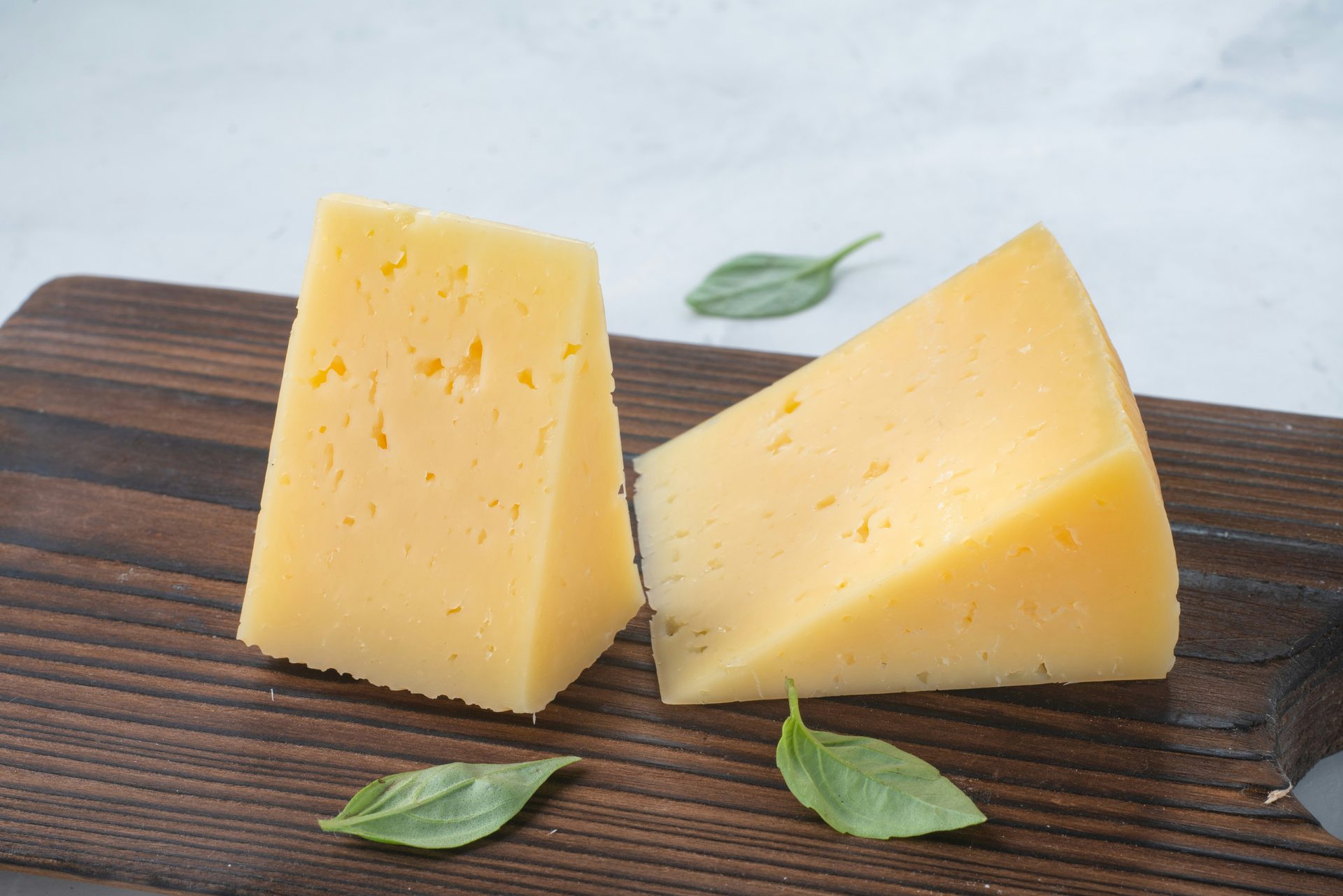
American cheese slices are a staple in kitchens across the United States — perfect for burgers, grilled cheese sandwiches, and easy weeknight meals. But what happens when you buy a big pack on sale and can’t use it all before it goes bad? Freezing is a practical solution, and the good news is that American cheese handles the freezer better than most dairy products.
This guide walks you through exactly how to freeze American cheese slices, what to expect when you thaw them, how long they’ll keep, and the smartest ways to use them once they come out of the freezer. Whether you’re stocking up or just trying to cut down on food waste, you’ll have everything you need right here.
Can You Freeze American Cheese Slices?
Yes, you can freeze American cheese, but it requires a bit of care to preserve its texture and flavor. The good news is that American cheese is a processed product, which gives it a natural advantage over fresh or artisan cheeses when it comes to freezing.
Unlike traditional cheese, which is made 100% from milk and its byproducts, American cheese is a processed cheese product. It consists of a blend of cheeses, typically cheddar, and other dairy products, emulsifiers, preservatives, and sometimes flavoring agents. Those emulsifiers and preservatives are exactly what help it hold up in the freezer better than softer, higher-moisture cheeses.
Sliced American cheese, with its processed nature, often holds up better compared to natural varieties. That said, you should still go in with realistic expectations — freezing does cause some changes, which are covered in the next section.
Pro Tip: If you plan to freeze American cheese, do it as soon as possible after purchase rather than waiting until it’s close to the expiration date. The fresher it goes in, the better it comes out.
Does Freezing Change the Texture or Taste of American Cheese Slices?
Freezing does affect American cheese — but not dramatically. Understanding what changes (and what doesn’t) helps you decide how to use it after thawing.
The most significant impact is on the cheese’s texture. While American cheese retains its meltability due to its processed nature, the freezing process may cause it to become a little crumbly and slightly grainy after thawing. You may also notice that the cheese becomes a bit drier or less smooth, with the surface becoming slightly waxy.
The reason this happens comes down to basic food science. Dairy products, including American cheese, are particularly susceptible to changes when frozen due to their high moisture content. Freezing can cause ice crystals to form, leading to a loss of moisture and potential changes in texture.
On the flavor side, the news is better. The flavor of the cheese remains relatively stable. Since American cheese is often mild and creamy, freezing does not drastically alter its taste. In terms of flavor, freezing can have a minimal impact on American cheese. Most people report that, while the flavor may change slightly, it generally remains acceptable for use in cooked dishes such as casseroles, soups, or grilled cheese sandwiches.
Key Insight: The texture change is the main trade-off. Frozen and thawed American cheese may not be ideal for eating cold straight from the wrapper, but it still melts beautifully — which makes it perfectly suited for most of its popular uses.
How to Freeze American Cheese Slices the Right Way
Proper preparation is the difference between cheese that thaws well and cheese that turns into a crumbly disappointment. Follow these steps for the best results.
- Keep individually wrapped slices in their packaging. If you are freezing individually wrapped cheese slices, you can put them directly into the freezer. The individual plastic wrapping already provides a layer of protection.
- Add a secondary layer of protection. Wrap the cheese slices tightly in plastic wrap, ensuring there are no air pockets. For additional protection, place the wrapped cheese into a freezer-safe bag or airtight container. Be sure to squeeze out as much air as possible.
- Separate unwrapped slices with parchment paper. Place a sheet of parchment paper between each slice to prevent them from freezing together, then wrap the slices tightly in plastic wrap. This makes it easy to pull out only what you need later.
- Flash-freeze slices before bagging (optional but helpful). Place the cheese slices individually on a baking sheet lined with parchment paper or a silicone mat. Freeze them for 30 minutes. Transfer frozen slices to a zip bag. This prevents them from sticking into a solid block.
- Label and date every package. Don’t forget to label the bag or container with the date, so you know how long it’s been in the freezer.
- Store at the right temperature. Place the prepared and securely wrapped cheese in the freezer, ideally at a temperature of 0°F (-18°C) or lower.
The most significant concern when freezing is ensuring that the cheese is properly wrapped and sealed. Exposing American cheese to air during freezing can result in freezer burn, which affects its taste and texture negatively. Taking a few extra minutes to wrap it well pays off when you go to use it weeks later.
If you enjoy exploring different food storage techniques, you might also find it useful to read about the pros and cons of eating seafood, another protein that requires careful handling and storage.
How Long Can You Freeze American Cheese Slices?
Storage time depends on how well the cheese is packaged and whether your freezer maintains a consistent temperature. Here’s a practical breakdown:
| Storage Condition | Expected Quality Window | Notes |
|---|---|---|
| Freezer (well-wrapped) | Up to 6 months | Safe beyond this, but quality declines |
| Freezer (best quality) | 1–3 months | Texture and flavor are closest to fresh |
| Refrigerator (opened) | 2–3 weeks | Keep tightly wrapped at 35–40°F |
| Refrigerator (unopened) | 3–4 weeks past sell-by date | Check for spoilage before use |
American cheese can typically be stored in the freezer for up to 2–3 months without significant changes in quality. For the best taste and texture, it is recommended to consume the cheese within the first month of freezing.
For longer storage, when properly wrapped in plastic wrap or aluminum foil and placed in an airtight container, it can last in the freezer for up to six months. Beyond that point, the cheese remains safe to eat but the texture and flavor may have degraded enough to make it less enjoyable.
In the refrigerator, when kept in the refrigerator, unopened American cheese will typically stay fresh for about 3 to 4 weeks beyond the sell-by date. Once opened, the shelf life reduces to about 2 to 3 weeks, depending on how well it’s stored.
Important Note: Always label your frozen cheese with the date it went in. It’s easy to lose track of how long something has been in the freezer, and American cheese stored past 6 months may have a noticeably diminished texture even if it looks fine.
How to Thaw Frozen American Cheese Slices
Thawing correctly is just as important as freezing correctly. Rushing the process can make the texture worse than it needs to be.
The refrigerator method is always the best choice. Transfer the frozen cheese from the freezer to the refrigerator and leave it overnight, allowing it to thaw slowly. This method allows the cheese to defrost gradually, maintaining its texture and flavor.
Rapid thawing at room temperature or using a microwave is not recommended, as it can lead to uneven texture and possible spoilage. Do not try to microwave or defrost the cheese, as this will cause it to become tough and rubbery.
Once thawed, use the cheese promptly. Use thawed cheese within a couple of days to enjoy its optimal taste and texture. To ensure the cheese stays fresh for as long as possible, it’s important to wrap it tightly in plastic wrap or wax paper and store it in an airtight container or resealable bag.
Also, when storing American cheese, make sure to keep it away from strong-smelling foods as its mild flavor can easily be overpowered. This applies both in the refrigerator and the freezer.
Can You Refreeze American Cheese Slices After Thawing?
This is one of the most common questions about frozen cheese — and the short answer is: it’s best to avoid it.
It is generally not recommended to refreeze thawed American cheese. Each time the cheese is thawed and refrozen, its quality can deteriorate further. It is best to thaw and use only the amount of cheese you need to avoid unnecessary waste.
The science behind this is straightforward. When cheese is frozen, the water molecules inside the cheese form ice crystals, which can cause the cheese’s texture and structure to change. Refreezing the cheese can cause these ice crystals to grow, leading to an unpleasant, crumbly, or even grainy texture.
While American cheese is often praised for its mild and consistent taste, repeated freezing and thawing can alter its flavor, making it less pleasant and more muted. This change might not be immediately noticeable, but over time, repeated freezing may affect the cheese’s overall quality.
The best way to avoid this problem entirely is to freeze in small, usable portions from the start. If you’re uncertain about whether you’ll be using all the cheese at once, consider freezing it in smaller portions. This way, you can only thaw what you need and avoid refreezing the entire batch repeatedly. For example, freezing slices individually or in small stacks allows you to pull out exactly what you need without defrosting the entire block.
How to Use Frozen American Cheese Slices (Best Uses After Freezing)
Once frozen and thawed, American cheese may not be your first choice for a cold snack straight from the fridge — but it’s still excellent in a wide range of cooked and melted applications. The heat takes care of any textural changes, so you’d never know the difference.
- Grilled cheese sandwiches: Stack it into your grilled cheese for that gooey, irresistible result. The meltability of American cheese is largely preserved even after freezing.
- Cheeseburgers: Lay a thawed slice over a hot burger patty and let the heat do the work. Melted American cheese can still provide a creamy and flavorful addition to burgers, sandwiches, and casseroles.
- Mac and cheese: Use it in your mac and cheese recipes for a fun melty texture. It blends smoothly into cream-based sauces.
- Omelets and scrambled eggs: A thawed slice melts evenly over eggs for a quick, satisfying breakfast.
- Casseroles and baked dishes: If the cheese has been frozen, thaw the cheese in the refrigerator and use in cooking recipes such as omelets, casseroles, sandwich melts, etc.
- Soups and cheese sauces: Stir thawed slices into a warm soup or sauce base for added richness and creaminess.
The general rule of thumb is that freezing cheese will likely change its texture. If you do opt to freeze cheese, cook with it after thawing because the texture change becomes a moot point once it’s all melted.
If you’re looking for more inspiration around nutritious and flavorful cooking, check out this guide to superfoods for a healthy heart or explore foods that promote healthy skin to round out your meal planning.
Pro Tip: Don’t waste thawed slices that feel a bit dry or crumbly. Tear them up and toss them into a warm pan with a splash of milk to make a quick, smooth cheese sauce — the texture issue disappears completely.
Signs That Frozen American Cheese Slices Have Gone Bad
Frozen American cheese is safe for a long time, but it’s not immune to spoilage — especially if it wasn’t stored properly. Before using any frozen cheese, do a quick check using your senses.
Visual signs to watch for:
- Mold growth: The presence of any sort of mold, which could be green, black, or white spots, is a clear indication that the cheese should not be consumed.
- Discoloration: Yellowing or darkening beyond the cheese’s normal color might signal spoilage.
- Significant color or texture changes: Any drastic change in the color or texture of the cheese — such as a slimy, oily film or discoloration — indicates that the cheese has undergone significant spoilage.
- Freezer burn patches: If frozen American cheese develops an off odor, discoloration, or signs of freezer burn (such as dryness or ice crystals), it may have gone bad.
Smell and taste signs:
- A sour or off smell is a clear sign of spoilage. Fresh cheese should have a pleasant, milky aroma.
- Dispose of your cheese if it has an unintentionally bitter flavor, a fermented fruit taste, or a fizzy sensation on your tongue.
- If it smells off or tastes different than you expect, it’s best to throw it out.
Unlike hard cheeses where you can cut away mold, American cheese can harbor bacteria beneath its surface. When in doubt, discard it — a pack of American cheese isn’t worth a foodborne illness risk.
For more information on how specific foods affect your health, you might find it helpful to explore foods you need to avoid for cancer prevention or learn about foods that support liver function.
Frequently Asked Questions
Can you freeze an unopened package of American cheese slices?
Yes. If you have an unopened package of American cheese, it’s generally safe to freeze it as is, as long as the packaging is intact. For extra protection, slide the whole package into a freezer bag and squeeze out the air before sealing.
Can you freeze Kraft singles or other individually wrapped American cheese slices?
American singles are a processed cheese product that is meant to be eaten cold or at room temperature. They will freeze well and can be thawed either in the refrigerator or at room temperature. The individual plastic wrappers already offer a layer of protection, though adding a freezer bag on top is still a good idea.
Does American cheese freeze better as slices or as a block?
While both slices and blocks can be frozen, blocks tend to freeze better overall. The thickness of blocks makes them less prone to textural changes after defrosting in comparison to sliced cheese, which can become crumbly when exposed to freezing. If you’re buying a block, slice it into usable portions before freezing.
How long does American cheese last in the fridge after thawing?
Use thawed cheese within a couple of days to enjoy its optimal taste and texture. Keep it tightly wrapped in the refrigerator and away from strong-smelling foods.
Can you freeze American cheese that’s already been opened?
You can freeze opened American cheese, but you’ll want to first ensure it’s properly wrapped and protected from air. Make sure to wrap it tightly in plastic wrap or wax paper, then place it in a freezer-safe container or zip-top bag. This helps maintain its quality while freezing.
Is vacuum sealing worth it for freezing American cheese?
Using vacuum seal bags for freezing American cheese is a fantastic idea. Vacuum sealing eliminates air, which is the primary culprit behind freezer burn. If you freeze cheese regularly, a vacuum sealer pays for itself quickly in reduced waste.
American cheese is one of the more freezer-friendly dairy products you’ll find in a US kitchen. With the right wrapping technique, portion sizes, and a slow thaw in the refrigerator, you can keep a supply on hand for months without sacrificing much in the way of flavor. Just plan to use it in cooked or melted applications after thawing, and you’ll get great results every time. For more food tips and storage guidance, explore whole plant-based foods and foods that promote healthy eyesight to keep your kitchen stocked with smart choices.