
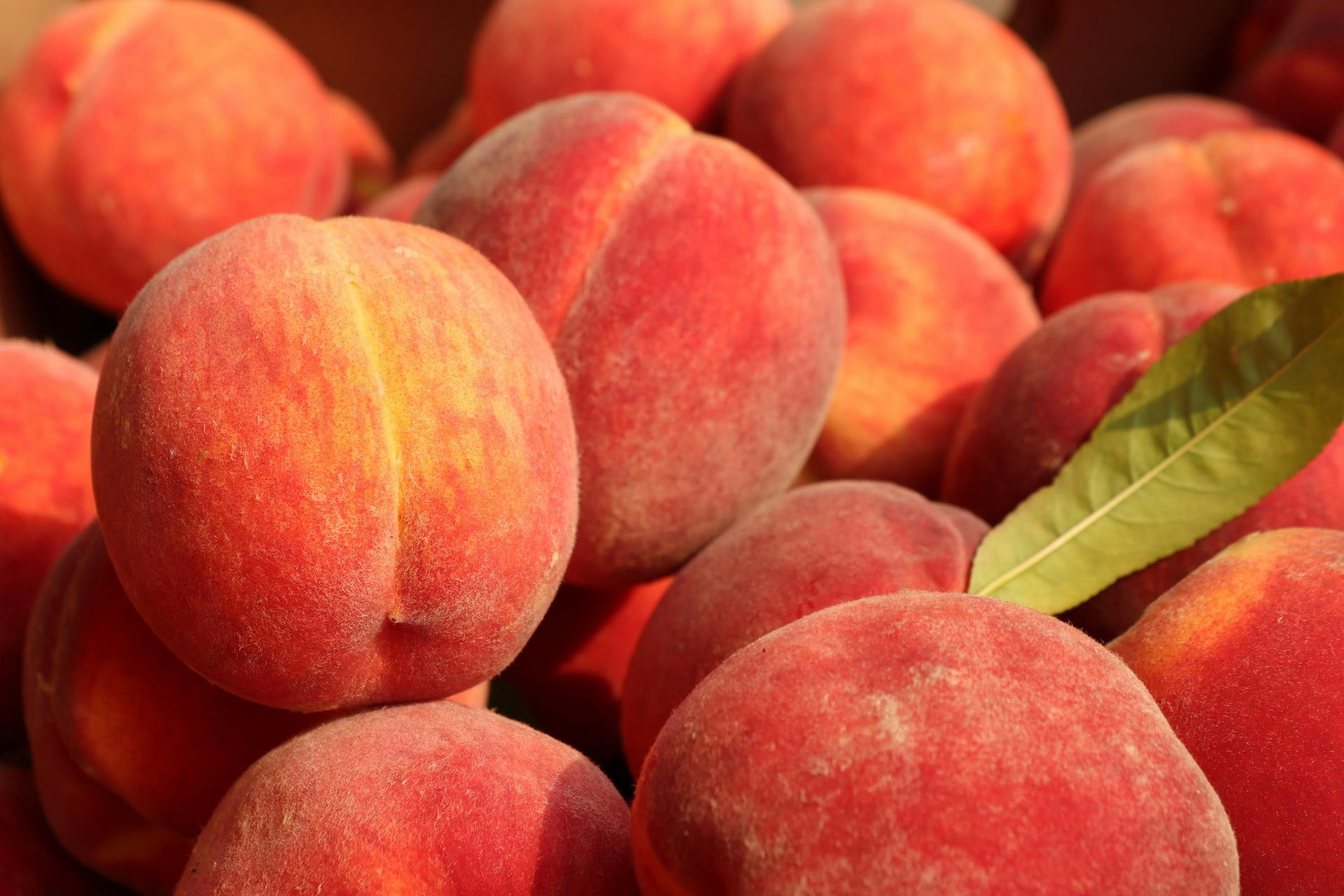
Yes, you can absolutely freeze peaches — and if you pick them up at peak ripeness during summer season, freezing is one of the smartest moves you can make. With more than 33 states growing 300 different varieties of peaches, the season runs from May through late September, which means there’s a narrow window to stock up. Freezing lets you stretch that window all year long.
The good news is that the process is straightforward and doesn’t require special equipment. Whether you’re grabbing a flat from a local farmers market or picking from your own backyard tree, this guide walks you through every step — from prep to thawing to knowing when frozen peaches have gone bad.
Can You Freeze Peaches?
Yes, you can freeze fresh peaches — no blanching or cooking is even necessary. You can freeze peaches either with or without sugar; using sugar enhances the flavor and texture but is not necessary if you prefer a no-sugar option.
There are two main types of peaches — freestone and clingstone — referring to how much the flesh “clings” to the pit. When you’re eating them fresh it doesn’t matter much, but if you’re processing peaches for freezing, you want freestone peaches. They’re easier to pit and slice, which saves real time when you’re working through a large batch.
If you’re freezing fresh, uncooked fruit, you want it to be ripe but still firm — not already so soft as to be on a downhill slide. Freezing won’t make unripe peaches magically taste any better, so be sure to select ripe ones. Starting with the right fruit makes everything else easier.
Pro Tip: If you want to learn more about how nutrient-dense fruits and whole foods can support your health, check out this guide on whole plant-based foods for more context on eating for wellness.
Does Freezing Change the Texture or Taste of Peaches?
Frozen peaches may not taste exactly like fresh peaches due to changes in texture and flavor during the freezing process, but they can still retain much of their sweetness and flavor. The most noticeable change is softness — and understanding why helps you use frozen peaches the right way.
When peaches are frozen, the water inside the cells turns into ice. This ice formation can cause the cell walls to rupture, leading to a change in texture once the fruit thaws. That’s why a fully thawed peach feels softer than a fresh one. Quick-freezing technology can result in flavor loss and texture degradation in frozen products, and texture is considered the most critical factor affecting the quality of frozen peaches.
Like all frozen fruit, the texture of frozen peaches is different from that of fresh — but they hold their flavor, and that’s the most important part. For cooked dishes like pies, cobblers, and jams, the texture difference is barely noticeable. Freezing is generally simpler than canning and preserves the fresh taste and texture better, making it a popular choice for many home cooks.
How to Freeze Peaches the Right Way
There are a few different methods depending on how long you plan to store them and what you’ll use them for. Here’s a breakdown of each approach, starting with the most common.
Method 1: Flash Freeze (Short-Term, Up to 2 Months)
Flash freezing keeps peaches in individual slices rather than a solid mass, and flash frozen peaches can be added directly to cake, cupcake, and quickbread batters, used in galettes and pies, or blended in smoothies — but they only last about 2 months in the freezer.
- Rinse peaches under cold running water and pat completely dry.
- Cut in half along the natural seam, twist apart, and remove the pit.
- Slice into even pieces. Slice them evenly so they freeze at the same rate.
- Treat the peaches with either a lemon juice and water mixture, an ascorbic acid and water mix, or a produce protector like Fruit Fresh to prevent browning.
- Place the peaches in a single layer on a baking sheet, freeze until solid, then transfer to a freezer container. Label and freeze until use.
Method 2: Blanch and Freeze (Long-Term, Up to 12 Months)
You do not have to blanch peaches prior to freezing, but it’s recommended if you plan on storing them for more than 2 months. Blanching also makes the skins easy to peel off and wastes none of the juicy peach flesh.
- Bring a large pot of water to a rolling boil and prepare an ice bath in a separate bowl.
- Using a paring knife, cut a shallow “X” into the bottom of each peach.
- Drop the peach into the boiling water. After 15–30 seconds the skin where the slit is will separate. Use a slotted spoon to remove it and plunge it into an ice bath to stop the cooking process. The skin will now easily slip off the flesh.
- Pit and slice the peeled peaches, then toss with lemon juice or ascorbic acid to prevent browning.
- Spread in a single layer on a parchment-lined baking sheet and freeze until solid.
- Transfer the frozen slices into freezer-safe bags or containers, squeeze out extra air, seal tightly, and label with the date. Keep the peaches at 0°F or lower.
Pro Tip: Freezing peaches in vacuum bags keeps them fresher for longer and is the best method for avoiding freezer burn. If you have a vacuum sealer, freeze the slices solid on the baking sheet first, then vacuum seal in portions.
Preventing Browning
Peaches are a delicate fruit with natural enzymes that cause browning once they are cut. When you freeze peaches, those enzymes can still react and change the color or flavor. Using a product like Fruit Fresh helps prevent this by slowing down oxidation. Fruit Fresh is a mix of ascorbic acid and citric acid, both of which help keep fruit from turning brown.
Mississippi State University Extension notes that consistent freezing conditions preserve the bright color that makes peaches so appealing. If you don’t have Fruit Fresh on hand, toss the peaches with a tablespoon of sugar and one tablespoon of lemon juice, let them stand for about 15 minutes to dissolve the sugar, then freeze them.
How Long Can You Freeze Peaches?
Properly stored, frozen peaches will maintain best quality for about 12 months in the freezer, although they will usually remain safe to eat after that. The method you use affects how long they stay at peak quality.
| Freezing Method | Best Quality Window | Safe to Eat Beyond? |
|---|---|---|
| Flash freeze (no blanching) | Up to 2 months | Yes, but quality declines |
| Blanched and sliced | 8–12 months | Yes, if kept frozen continuously |
| Packed in syrup | Up to 12 months | Yes, if kept frozen continuously |
Frozen peaches that have been kept constantly frozen at 0°F will keep safe indefinitely, as long as they have been stored properly and the package is not damaged. The more air you can remove from the freezer container, the longer they will maintain their quality — air in the container is what leads to freezer burn.
Always write the date on your freezer bag before storing. Practice the “first in, first out” principle by using older frozen products first and placing newer items towards the back of the freezer.
How to Thaw Frozen Peaches
How you thaw frozen peaches directly affects the final texture, so it’s worth doing it right. Different thawing techniques produce varied outcomes: slow thawing in a fridge helps keep firmness intact, while quick thawing in cold water works well for instant use but may slightly change the texture.
Here are your main options:
- Refrigerator (best for texture): Place frozen peaches in the refrigerator for 6 to 8 hours, flipping the bag occasionally for even defrosting.
- Cold water bath (faster): If you need your peaches to thaw quickly, add the frozen peaches to a sealed bag and submerge the bag in cool water. Check the peaches and change the water every so often until the peaches have defrosted.
- Microwave (quickest): Peaches can be thawed in the microwave in 50-second intervals at 50% power. Use this only when you plan to cook them immediately, as it can make them mushy.
- Straight from frozen: For smoothies and baking, you often don’t need to thaw at all. If adding peach slices to smoothies, it is not necessary to thaw them before using.
Important Note: The USDA advises against keeping sliced peaches at temperatures above 40°F for more than 2 hours. Once thawed, refrigerate and use within 1–2 days.
To thaw frozen peaches without mushiness, thaw them slowly in the refrigerator rather than at room temperature, and use them while still slightly frozen for best texture retention.
Can You Refreeze Peaches After Thawing?
This is a common question, and the honest answer is: technically yes, but it’s not a great idea. While it’s safe to refreeze thawed frozen fruits and vegetables, it may affect their texture and quality. It’s best to only thaw the amount you plan to use and consume it within a few days for optimal taste and texture.
It’s best not to refreeze. Thaw only what you need, because refreezing can make peaches soft and watery. Each freeze-thaw cycle breaks down cell structure further, leaving you with mushy fruit that works only in cooked or blended applications.
The best way to avoid this problem is to freeze peaches in small, recipe-sized portions from the start. Freezing peaches in slices makes it easier to pull out a small portion at a time. Pack them in 1- to 2-cup portions so you only pull out exactly what you need.
How to Use Frozen Peaches (Best Uses After Freezing)
Frozen peaches taste excellent when properly prepared and are ideal for smoothies, baking, and cooked applications, though texture differs slightly from fresh fruit. The softness that makes them less appealing to eat raw actually works in your favor for most recipes.
Here are the best ways to use them:
- Smoothies: Don’t worry about peeling your peaches for smoothies — just pop the sliced frozen peaches right into a high-powered blender with your favorite smoothie ingredients for a refreshing snack.
- Pies and cobblers: Use frozen peach slices to make a single-serving peach crisp, or use them in peach cobblers or peach pies. The soft texture holds up perfectly in baked desserts.
- Jams and preserves: Frozen fruit works great for jam, and freezing your peaches first gives you more flexibility for when you do your jamming.
- Overnight oats and oatmeal: Mix thawed peach slices into traditional hot oatmeal or overnight oats.
- Cocktails and mocktails: Pop a couple of frozen peaches into a glass of white wine or make a tasty peach cocktail.
- Sauces and toppings: Blend them into smoothies to complement other fruits and yogurt, or use them as a topping for oatmeal or pancakes.
- Baby food: Another option is to make peach puree and freeze the puree in an ice cube tray — a useful method for making peach baby food.
Peaches are rich in vitamins and antioxidants that make them worth including in a health-conscious diet year-round. If you’re interested in how fruit-forward eating supports your body, the guides on superfoods for a healthy heart and foods for healthy skin are worth a read.
Signs That Frozen Peaches Have Gone Bad
Frozen peaches that have been stored properly are safe to eat well past the 12-month mark, but quality does degrade. Knowing what to look for helps you avoid wasting a batch or using peaches that will ruin a recipe.
If dry spots or discolorations have developed on the frozen peaches, freezer burn has begun to set in — this will not make the frozen peaches unsafe to eat, but it will harm the texture and taste. You can cut away heavily freezer-burned sections and still use the rest in cooked dishes.
Watch for these additional warning signs:
- Off odor: A peach has gone bad if it has an off-putting odor, or if it’s badly discolored and mushy.
- Excessive ice crystals: Signs of spoilage in frozen fruits include excessive ice crystals, freezer burn, discoloration, and off-odors. A thick layer of ice inside the bag usually means the bag wasn’t sealed well or experienced temperature fluctuations.
- Mold: Mold on the skin or around the stem can also indicate spoilage. If you see visible mold, discard the entire batch.
- Loss of flavor: After 6–12 months, peaches will begin to get freezer burn and lose a large majority of their flavor. They may still be safe, but won’t taste like much in a recipe.
Pro Tip: If peaches darken but smell fine, they are safe to use in cooked dishes like cobblers, where texture and slight discoloration are less noticeable.
If you’re curious about how other foods support long-term wellness, the article on powerful nutrients and foods that fight cancer covers a range of antioxidant-rich options worth knowing about.
Frequently Asked Questions
Do You Have to Peel Peaches Before Freezing?
Peeling the peaches is optional — you don’t actually need to peel peaches before freezing, as the skins will slip right off once thawed. The skin doesn’t affect the frozen peaches at all; it’s just an aesthetic choice. That said, if you plan to use them in smoothies, leaving the skin on saves time.
Can You Freeze Peaches Whole?
The main downside of freezing whole peaches is that they take much longer to defrost and also take up more room in the freezer. But you can thaw and eat a defrosted whole peach like you would a freshly picked peach. Slicing peaches prior to freezing is generally recommended — it’s quicker to defrost slices than a whole fruit, and sliced peaches also take up less space in the freezer.
Can You Freeze Peaches Without Sugar?
Yes. You can freeze peaches either with or without sugar. If freezing without sugar, consider using a syrup made from water and lemon juice for added flavor. Unsweetened frozen peaches work just as well in most savory and health-focused recipes.
Why Are My Frozen Peaches Mushy After Thawing?
Freezing over-ripe fruit is a common culprit — soft fruit will turn mushy once thawed. Freezing too slowly is another factor, since large ice crystals can damage texture. Always start with firm, ripe fruit, treat with an antioxidant, and freeze quickly in a single layer on a baking sheet before transferring to bags.
How Do You Keep Frozen Peaches from Sticking Together?
If you toss all the fresh peaches into a bag and then freeze, they will stick together in a big clump. Flash freezing them first on a baking sheet keeps them separate. Once the slices are solid, transfer them to a freezer bag and remove as much air as possible before sealing.
Are Frozen Peaches as Nutritious as Fresh?
Frozen fruits and vegetables can be just as nutritious as fresh produce, sometimes even more so. Freezing helps preserve nutrients, as the produce is typically frozen at peak ripeness when nutrient levels are highest. For a deeper look at how fruit fits into a nutrient-rich diet, the guide on fibroid healing foods explores whole-food nutrition in more detail, and the article on foods that enhance liver function is another useful resource.