15 Different Types of Mustard: Flavors, Uses, and How to Choose

May 5, 2026
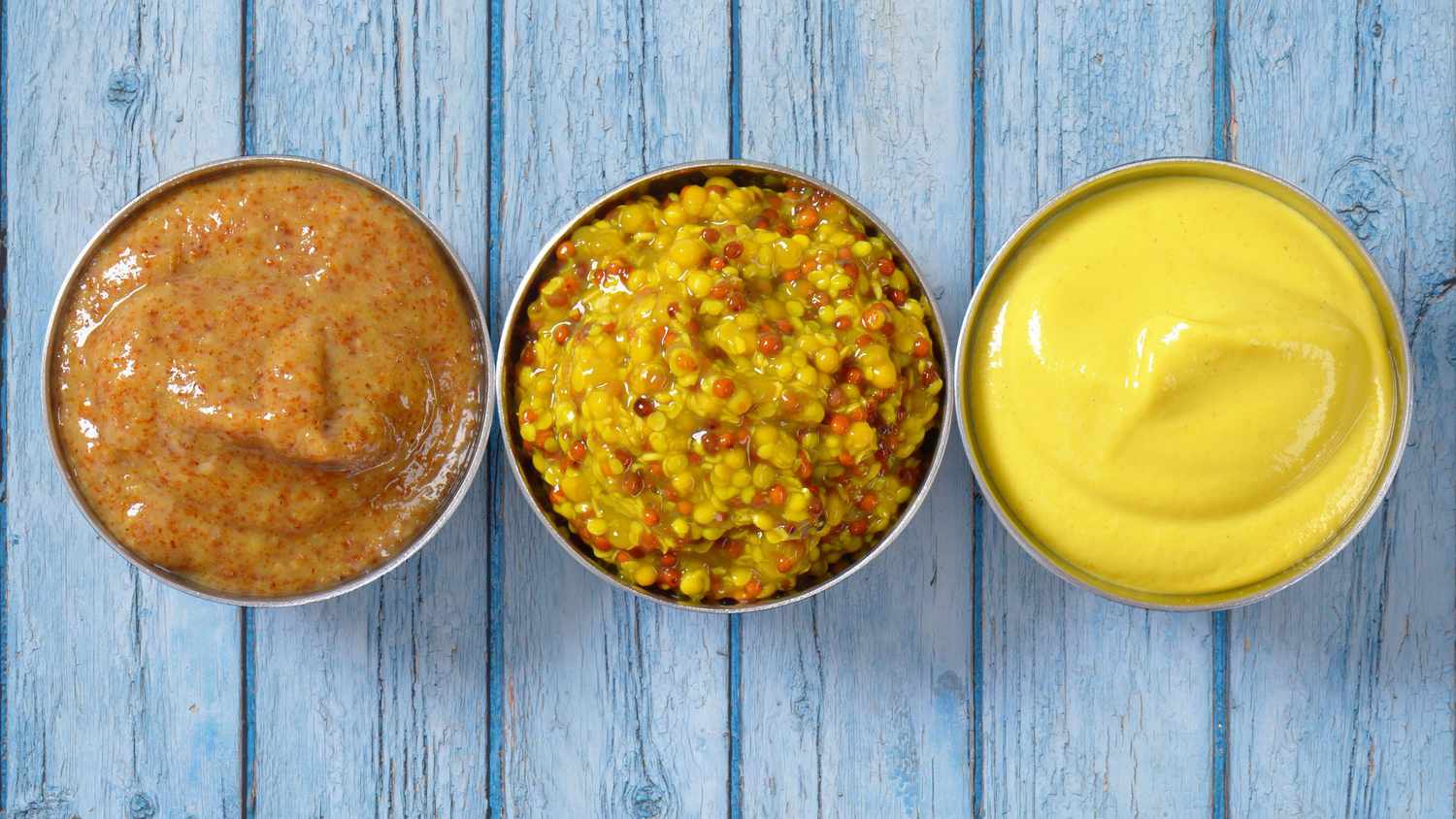
Mustard is one of the oldest condiments on the planet, with a history stretching back more than 3,000 years—yet most people only ever reach for the same one or two varieties. If your condiment shelf holds nothing but a squeeze bottle of yellow mustard and a half-used jar of Dijon, you’re missing out on an entire world of flavor.
From the fiery punch of Chinese hot mustard to the sweet complexity of fruit mustard, the different types of mustard vary wildly in heat, texture, color, and culinary purpose. Understanding those differences helps you become a sharper cook, a more adventurous eater, and a much better host. In this guide, you’ll explore all 15 types of mustard sauce and condiment, learn exactly what makes each one unique, and discover which variety belongs in which dish.
Pro Tip: Mustard gets its heat from compounds called isothiocyanates, which are released when mustard seeds are crushed and mixed with liquid. The temperature and acidity of that liquid directly controls how hot your final mustard will be—cold water locks in heat, while vinegar and warm water mellow it out.
1. Yellow Mustard
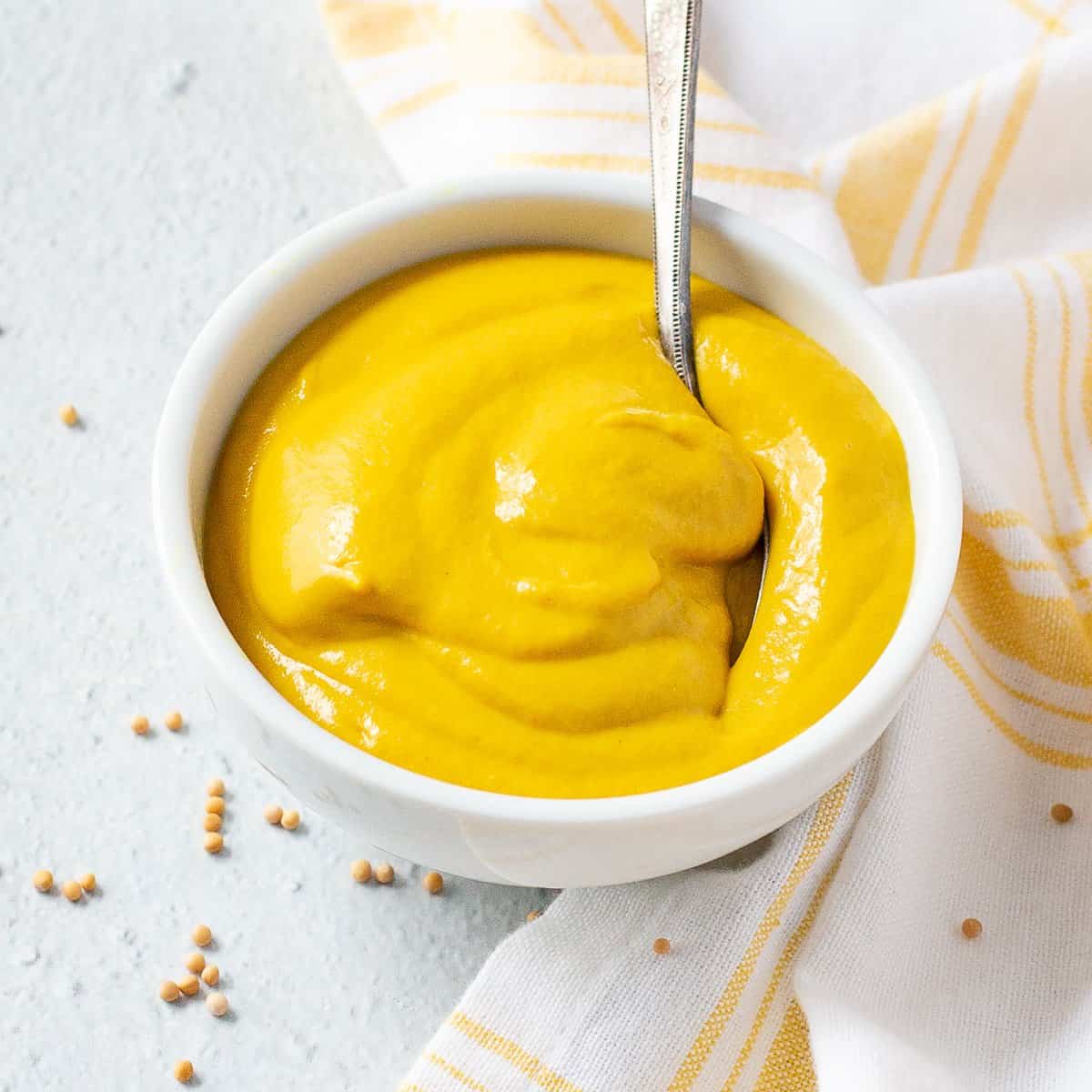
Yellow mustard is the one that started it all for most Americans. Made from finely ground white or yellow mustard seeds (Sinapis alba), it gets its vivid color not from the seeds themselves but from the addition of turmeric. The seeds are mild by nature, and the high-vinegar, high-water formula keeps the heat minimal, making yellow mustard one of the gentlest options in the mustard family.
The flavor is tangy, slightly acidic, and unmistakably familiar. It’s the condiment synonymous with ballpark hot dogs, backyard burgers, and classic deli sandwiches. Beyond the bun, yellow mustard works beautifully as a base for barbecue sauces, salad dressings, and marinades where you want mustard flavor without any heat distraction.
- Heat level: Mild
- Texture: Smooth and pourable
- Best uses: Hot dogs, burgers, potato salad, deviled eggs, BBQ sauce bases
- Flavor profile: Tangy, vinegary, slightly earthy
One underrated kitchen trick: yellow mustard acts as a natural emulsifier. Brush it onto chicken or pork before applying a dry rub—the mustard helps the seasoning adhere and burns off during cooking, leaving no noticeable mustard flavor behind, just a beautiful crust.
2. Dijon Mustard
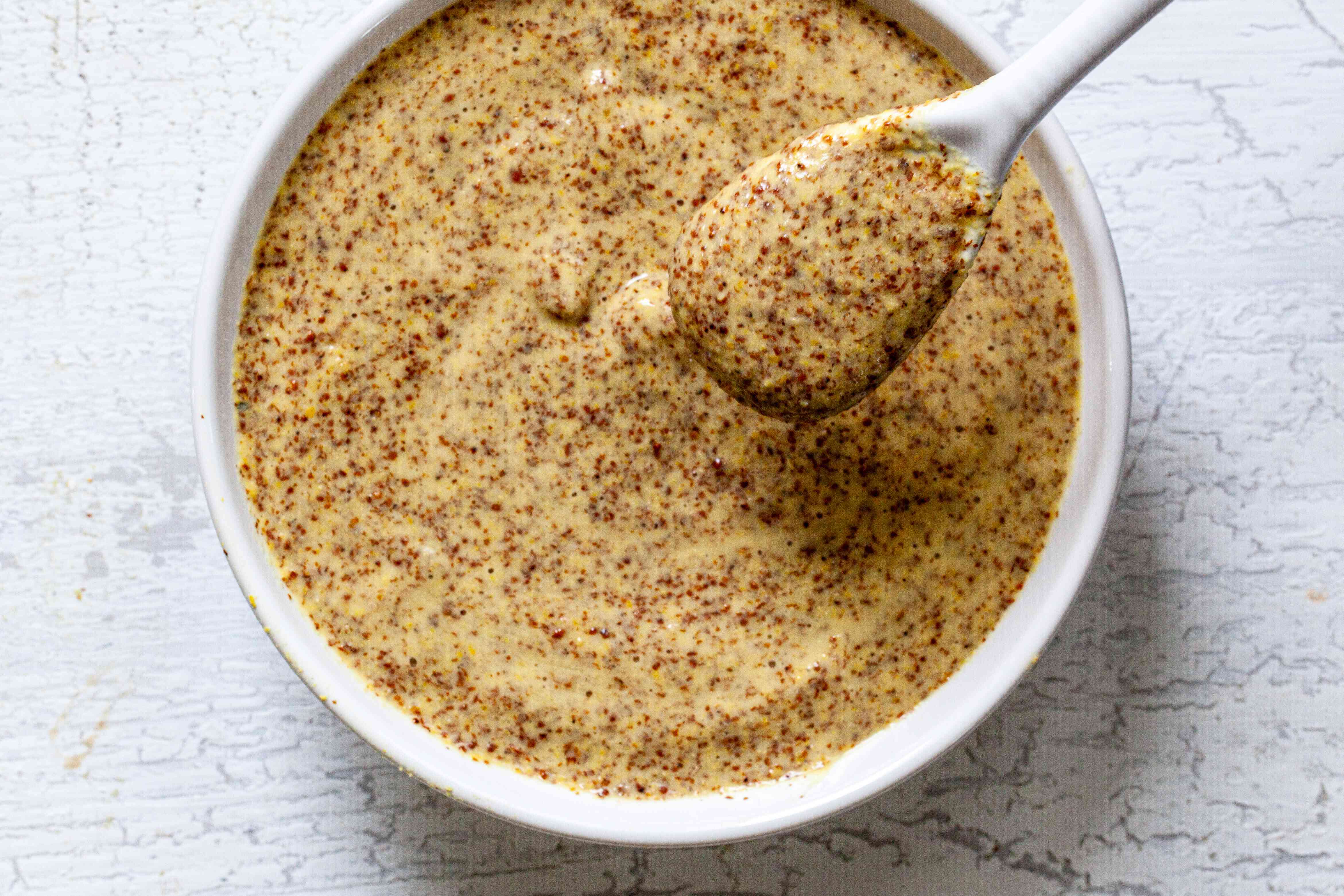
Dijon mustard originated in Dijon, France, and was traditionally made with verjuice (the acidic juice of unripe grapes) rather than vinegar. Today, most commercial versions use white wine, which gives Dijon its distinctively smooth, sharp, and slightly sophisticated flavor. It’s made primarily from brown or black mustard seeds, which are significantly hotter than the yellow variety.
The result is a mustard that’s creamy, pale yellow, and noticeably more complex than its American counterpart. It carries a clean, sharp heat that fades quickly rather than lingering, which makes it incredibly versatile in the kitchen. Dijon is arguably the most useful mustard variety for cooking—it emulsifies vinaigrettes, enriches cream sauces, and adds depth to braised meats without overwhelming other flavors.
Key Insight: When comparing whole grain vs Dijon mustard, the primary difference is texture and intensity. Dijon is smooth and sharper in flavor, while whole grain retains seed texture and a more rustic, earthy character. Both work well in vinaigrettes, but Dijon integrates more seamlessly into sauces.
- Heat level: Medium
- Texture: Smooth and creamy
- Best uses: Vinaigrettes, cream sauces, roasted meats, sandwiches, glazes
- Flavor profile: Sharp, clean, slightly tangy with wine notes
Dijon is a foundational ingredient in classic French cooking. If you only keep one mustard in your kitchen for cooking purposes, this is the one to choose. Its flavor bridges mild and spicy mustard types without fully committing to either extreme, making it the most adaptable of all mustard varieties and uses.
3. Spicy Brown Mustard
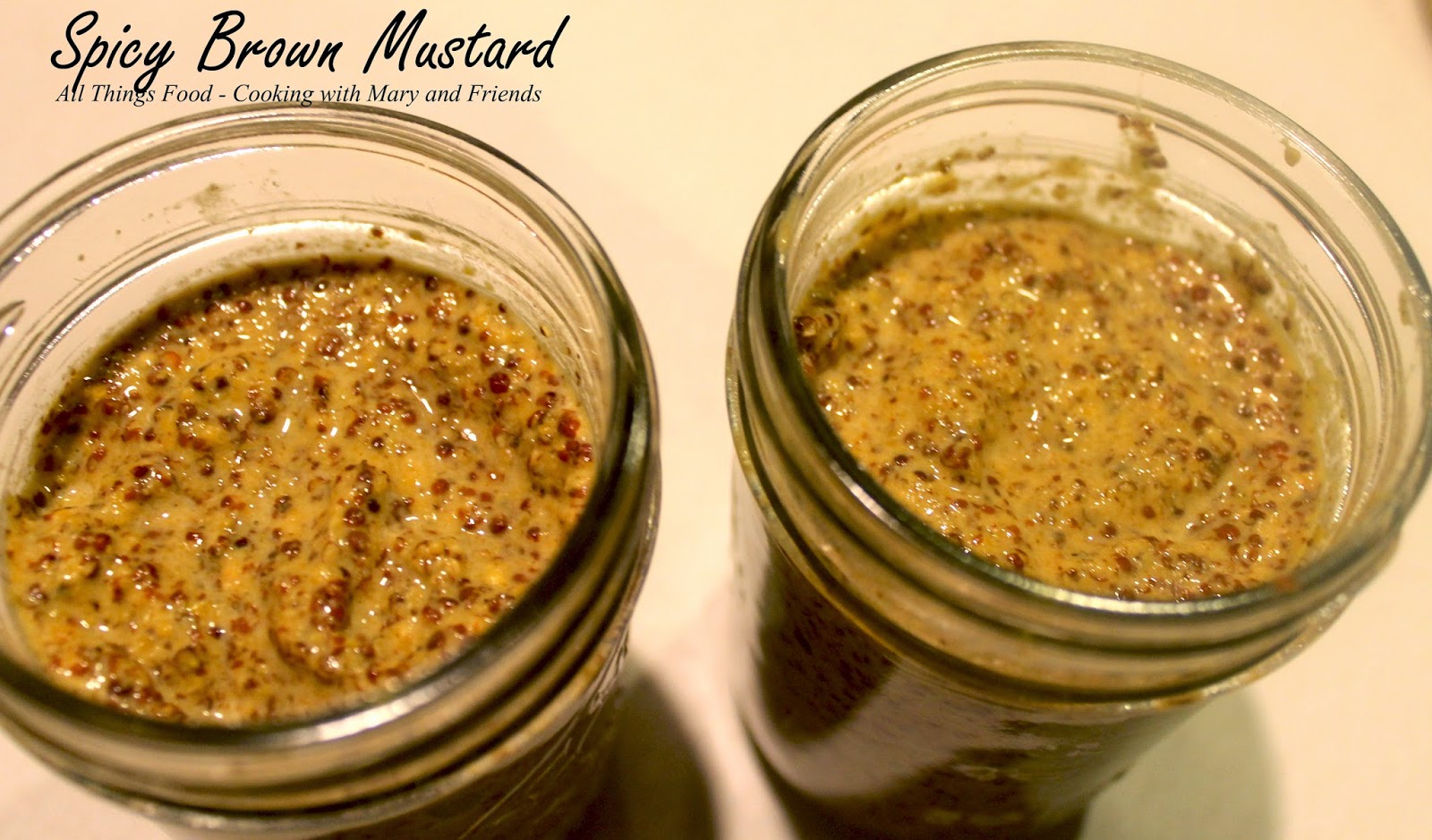
Spicy brown mustard is the deli workhorse. It’s made from coarsely ground brown mustard seeds (Brassica juncea), which are left partially intact to give the condiment a rougher, more textured consistency than Dijon or yellow mustard. The seeds are soaked in less vinegar and at cooler temperatures, which preserves more of the natural heat compounds and results in a noticeably bolder, more pungent flavor.
The color is a warm tan-to-brown, and the flavor is robust—earthy, spicy, and slightly bitter in a way that pairs exceptionally well with rich, fatty proteins. Think pastrami on rye, corned beef, bratwurst, and smoked sausages. Spicy brown mustard doesn’t get lost behind bold flavors the way yellow mustard can.
- Heat level: Medium-high
- Texture: Coarse and slightly grainy
- Best uses: Deli sandwiches, pastrami, sausages, pretzels, meat marinades
- Flavor profile: Bold, earthy, pungent, slightly bitter
When thinking about yellow mustard vs brown mustard, the key distinction is heat and texture. Yellow is smooth and mild; spicy brown is coarse and assertive. If a recipe calls for “deli-style mustard,” spicy brown is almost always the intended choice. It also holds up beautifully in slow-cooked dishes where milder mustards would fade into the background.
4. Whole Grain / Stone-Ground Mustard
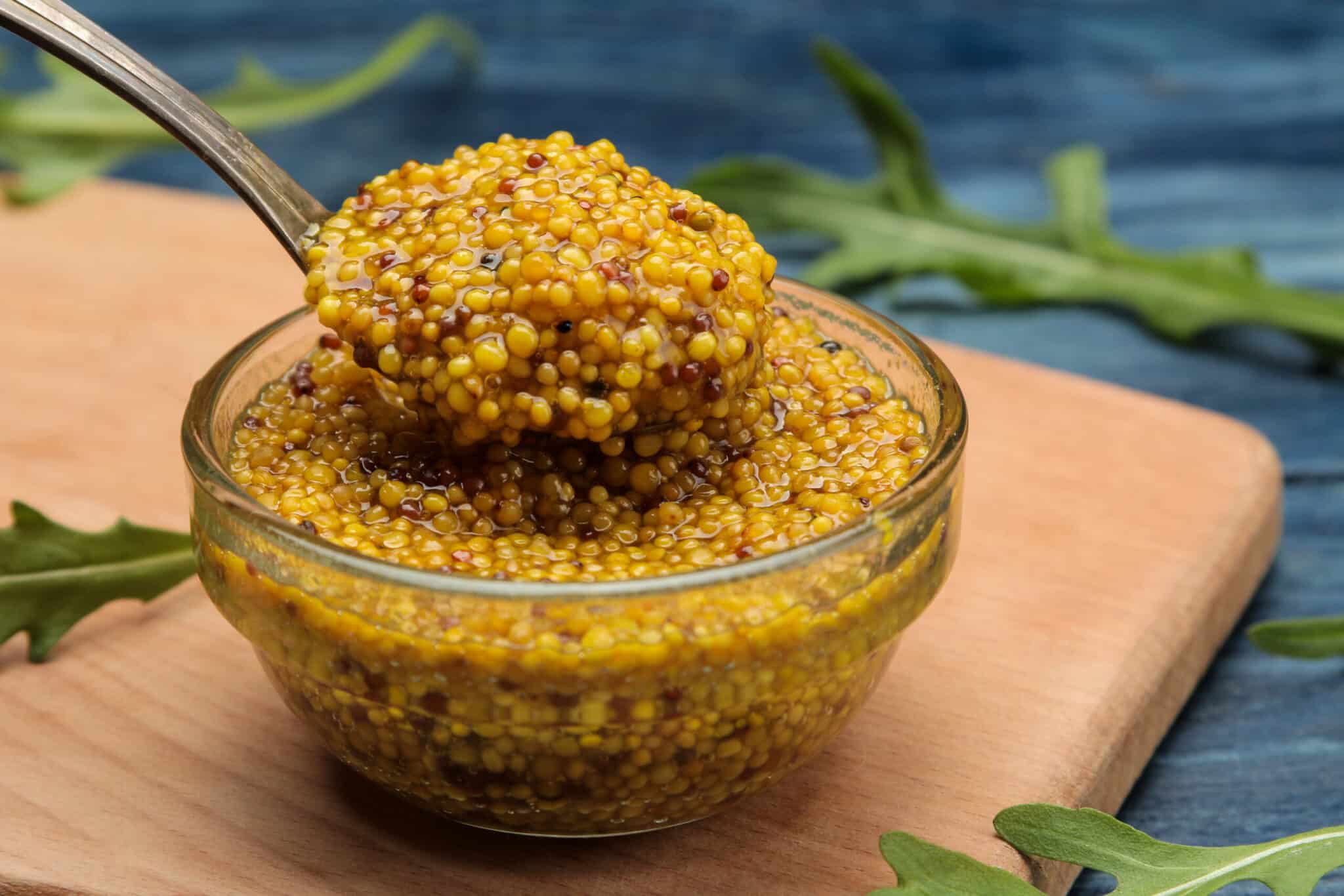
Whole grain mustard—sometimes called stone-ground mustard—is made by coarsely grinding mustard seeds rather than milling them into a fine paste. The result is a chunky, textured condiment where you can see and feel the individual seeds. The flavor tends to be milder than you might expect from its bold appearance, with a pleasant earthiness and a pop of heat that comes in short bursts as the seeds release their oils.
Stone-ground mustard is particularly beloved by food enthusiasts for its artisanal quality and versatility. It adds both flavor and visual texture to a dish, making it as much a garnish as a condiment. The rustic appearance makes it a natural choice for charcuterie boards, cheese plates, and farm-to-table presentations.
- Heat level: Mild to medium
- Texture: Chunky, seeded, rustic
- Best uses: Charcuterie boards, cheese pairings, vinaigrettes, pork dishes, sandwiches
- Flavor profile: Earthy, nutty, mildly sharp with textural pops
Pro Tip: Whole grain mustard makes an exceptional crust for roasted salmon or rack of lamb. Press a generous layer onto the protein before roasting—the seeds toast in the oven and add a nutty crunch that no other mustard type can replicate.
Many artisan producers use apple cider vinegar or wine in their stone-ground formulas, which adds a subtle sweetness that balances the earthiness of the seeds. If you’re building a well-stocked mustard collection, whole grain is a must-have for its unique contribution to both texture and flavor.
5. Honey Mustard
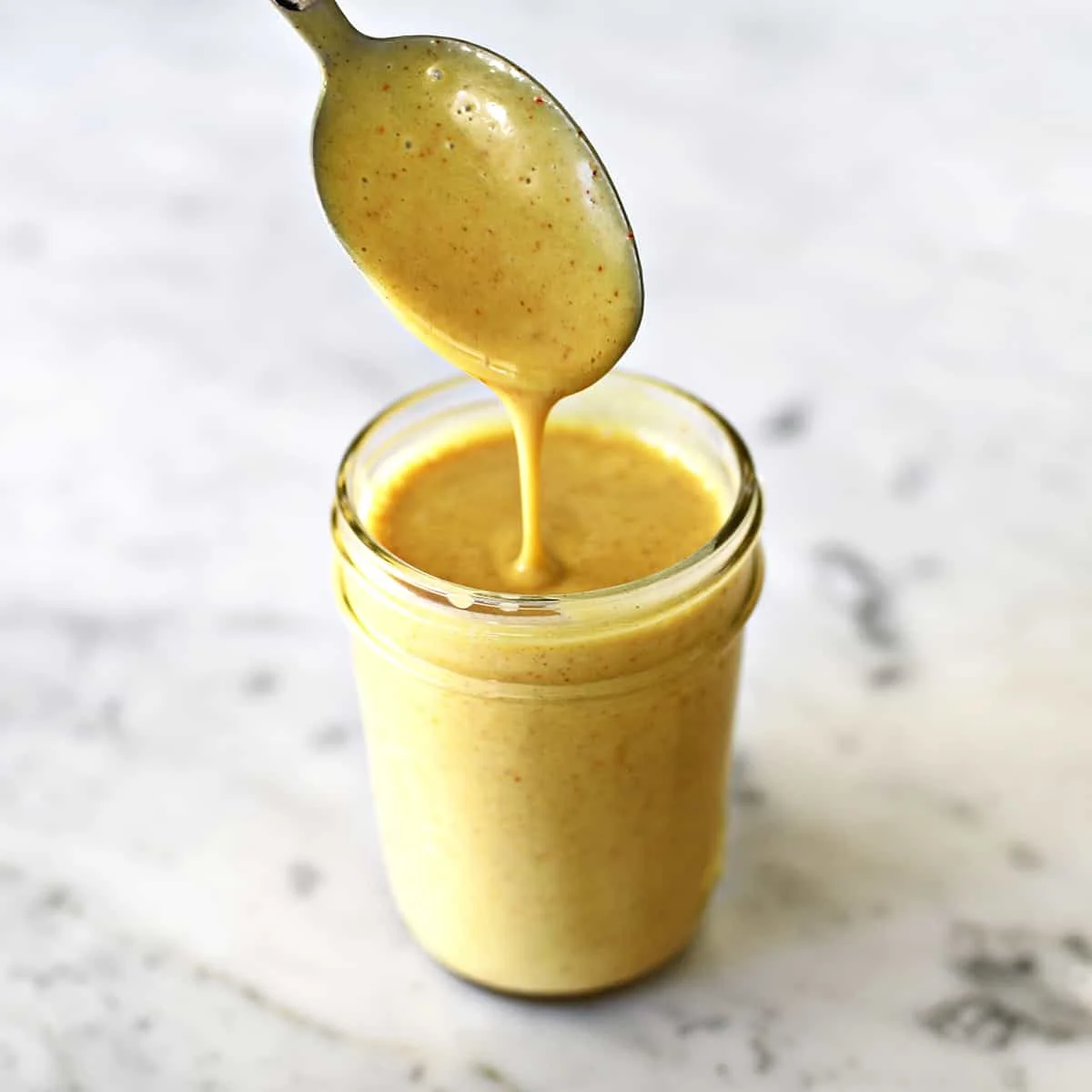
Honey mustard is exactly what it sounds like—a blend of mustard and honey—but the ratio and base mustard used vary widely between producers, and those differences matter enormously. At its best, honey mustard achieves a genuine balance between the sharp bite of mustard and the floral sweetness of honey. At its worst, it’s little more than sweetened yellow mustard that tastes closer to candy than condiment.
The best versions use Dijon or spicy brown mustard as the base, which gives the honey something to push against. The result is a sauce that’s simultaneously sweet, tangy, and mildly spicy. Honey mustard is universally popular, making it one of the most approachable spicy mustard types for people who don’t typically enjoy heat.
- Heat level: Mild (heat varies by base mustard)
- Texture: Smooth and slightly thick
- Best uses: Chicken tenders, salad dressings, glazes, sandwich spreads, dipping sauces
- Flavor profile: Sweet, tangy, mildly sharp
Making honey mustard at home is simple and almost always better than store-bought. Combine equal parts Dijon mustard and good-quality honey, then adjust to taste. A small splash of apple cider vinegar brightens the flavor considerably. You can explore different types of food pairings for honey mustard—it works equally well as a dipping sauce, a salad dressing, or a glaze for roasted vegetables.
6. English Mustard
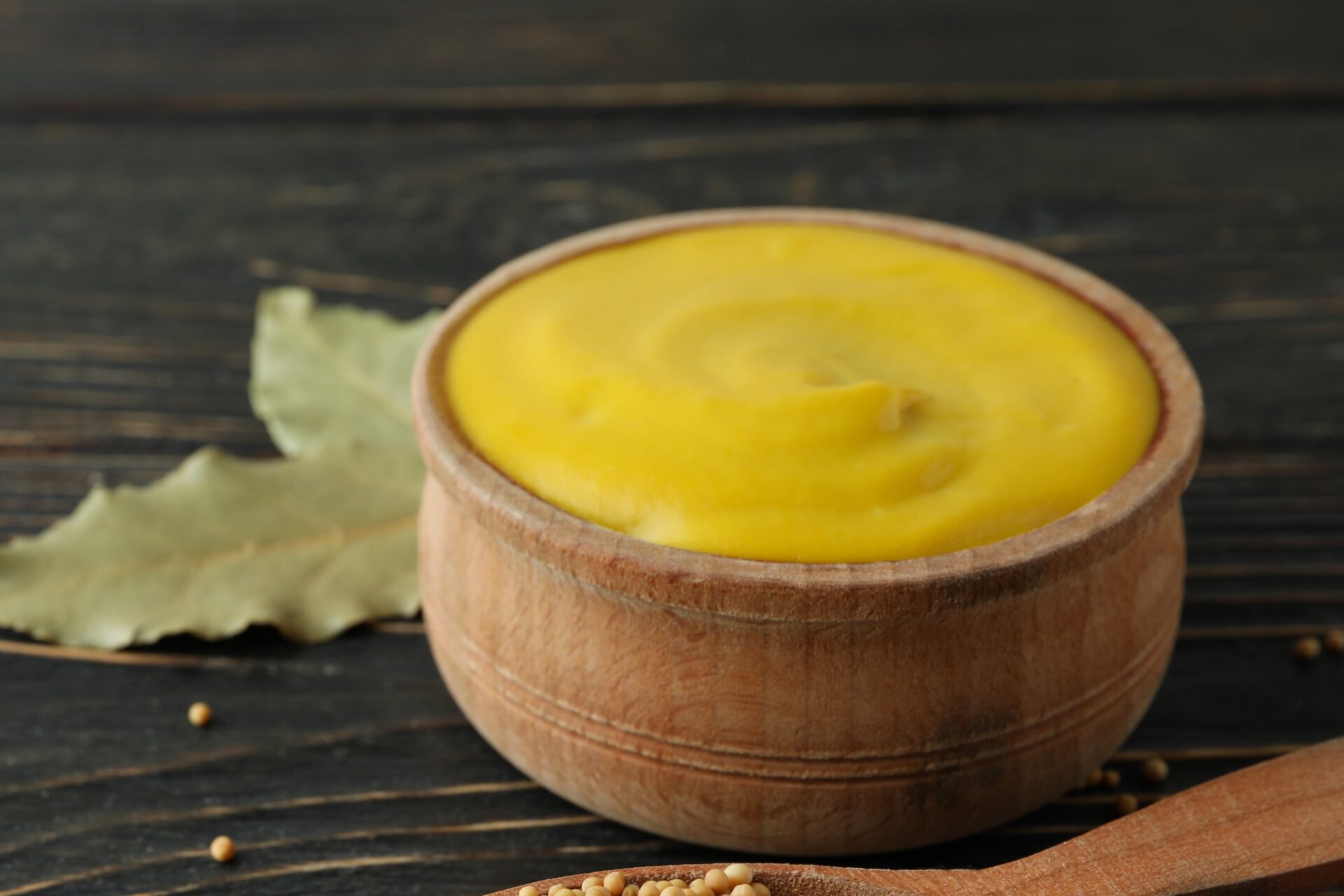
English mustard is not for the faint of heart. It’s one of the hottest prepared mustards in the world, made from a blend of white and brown mustard seeds with turmeric and a relatively small amount of liquid. The reduced liquid content means the heat compounds have nowhere to go—they stay concentrated and fierce. The most famous brand, Colman’s, has been producing its iconic yellow powder and prepared mustard since 1814.
The flavor hits hard and fast with a sinus-clearing heat that’s more akin to wasabi or horseradish than the gentle warmth of Dijon. Despite its intensity, English mustard is surprisingly bright and clean in flavor—it doesn’t have the bitterness of some spicy mustard types, just pure, direct heat followed by a tangy finish.
- Heat level: Very high
- Texture: Smooth and dense
- Best uses:
- Flavor profile: Fiery, bright, clean, tangy
Important Note: English mustard loses its heat quickly once exposed to air and heat. Use it fresh and store it tightly sealed in the refrigerator. If you’re cooking with it, add it at the end of the process to preserve its intensity.
English mustard is a staple of traditional British cooking. A thin smear on a roast beef sandwich is a revelation—the heat cuts through the richness of the meat in a way that no other condiment quite manages. Use it sparingly until you know your heat tolerance, then adjust from there.
7. German Mustard
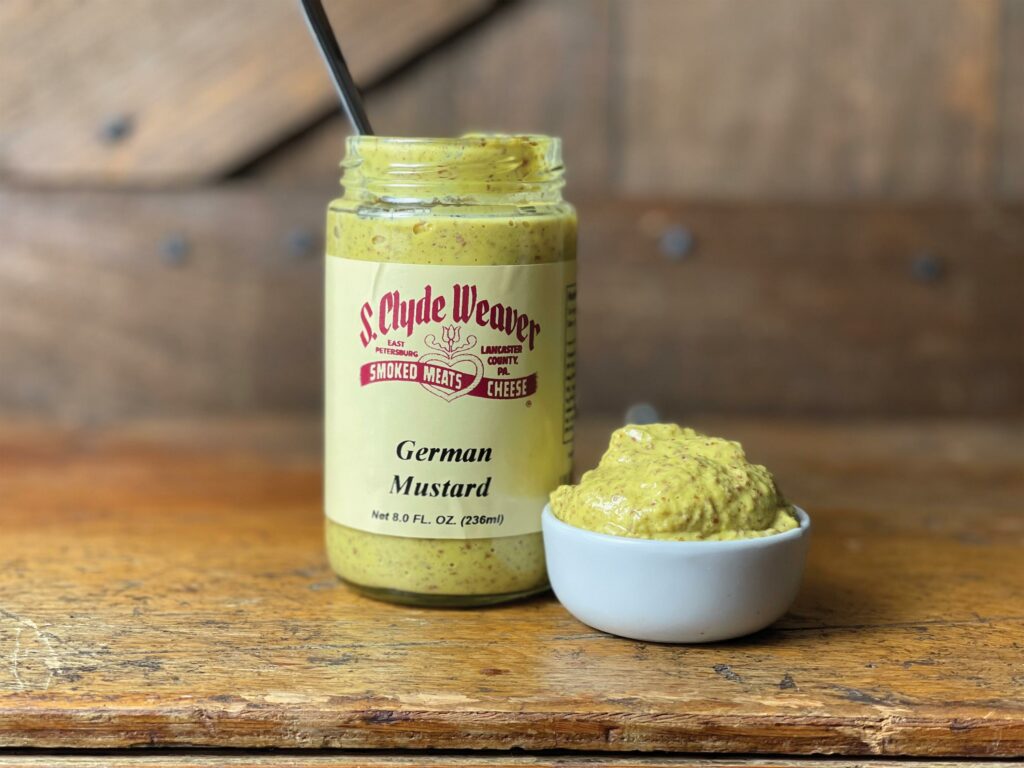
Germany has a rich mustard tradition, and “German mustard” is actually an umbrella term covering several regional styles. The most famous is Düsseldorf mustard, which is sharp, tangy, and made with brown mustard seeds and vinegar. Bavaria produces a sweeter, coarser style. Bavarian sweet mustard, in particular, is a protected regional specialty traditionally served with white sausage (Weisswurst) and is rarely found outside of Bavaria.
Most German mustards fall somewhere between the sharpness of Dijon and the earthiness of spicy brown mustard. They tend to use more vinegar than French mustards, giving them a pronounced tang, and many incorporate sugar or other sweeteners to balance that acidity. German mustard is deeply tied to the country’s sausage culture—it’s the essential accompaniment to bratwurst, bockwurst, and currywurst.
- Heat level: Mild to medium (varies by region)
- Texture: Ranges from smooth to coarse
- Best uses: Bratwurst, pretzels, sausage platters, pork dishes, sandwiches
- Flavor profile: Tangy, slightly sweet, earthy (varies by style)
If you want to explore German mustard varieties at home, look for Löwensenf (a sharp Düsseldorf-style mustard) or authentic Bavarian sweet mustard from a specialty import store. Pairing either with good-quality bratwurst and a cold beer is one of those simple food experiences that’s far greater than the sum of its parts.
8. Chinese Hot Mustard
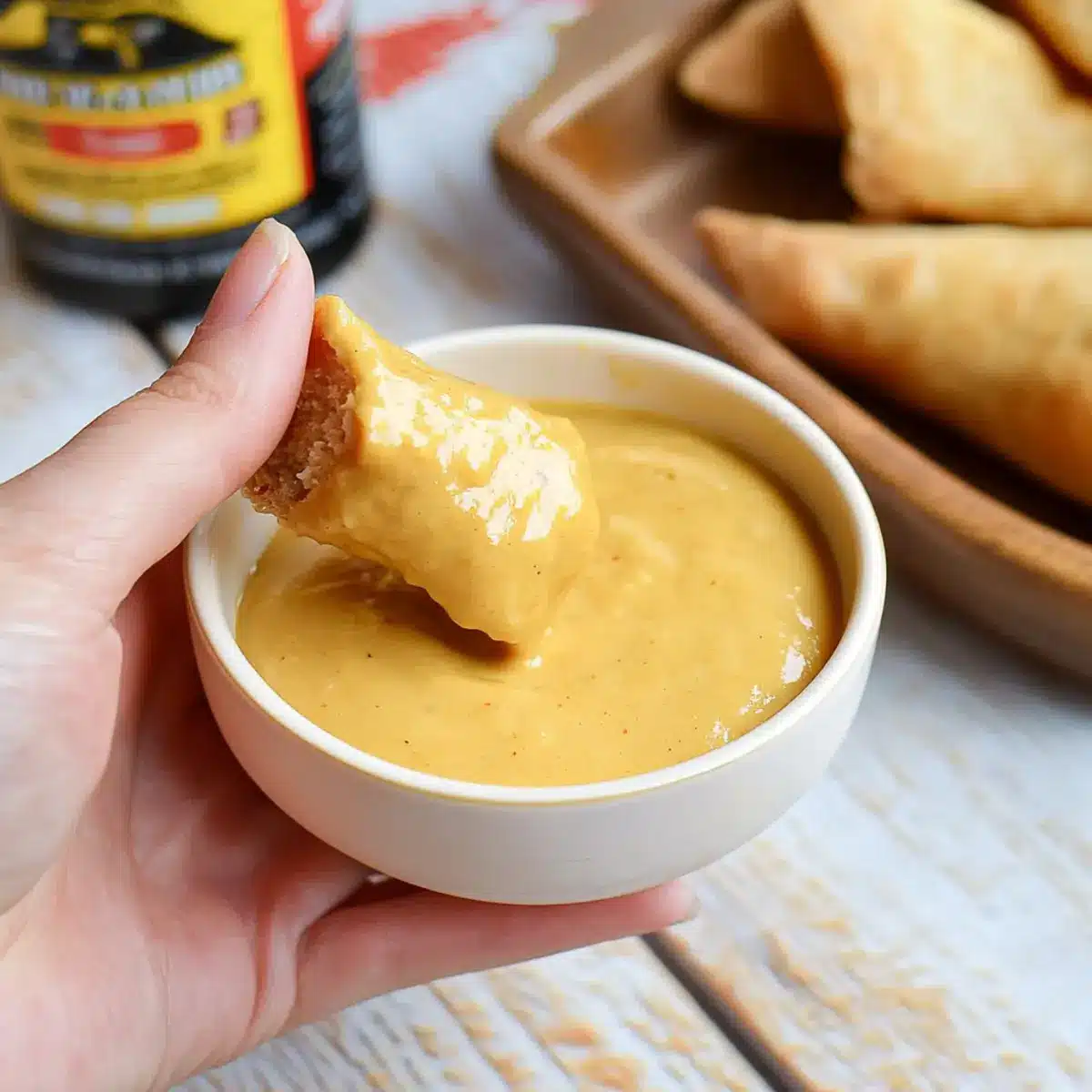
Chinese hot mustard is deceptively simple—it’s typically nothing more than dry mustard powder mixed with cold water—but the result is one of the most intensely hot mustard experiences you can have. The cold water is critical: it activates the heat-producing enzymes in the mustard seeds without neutralizing them, creating a sharp, searing heat that hits the back of the nasal cavity almost immediately.
Unlike the lingering heat of chili peppers, Chinese hot mustard’s heat is volatile and fast-moving. It arrives in a sharp rush and dissipates within seconds, which is part of what makes it so addictive. According to The Spruce Eats , this style of mustard is commonly served alongside egg rolls, spring rolls, and other dim sum dishes in Chinese-American restaurants, where it’s paired with sweet duck sauce to balance the heat.
- Heat level: Extremely high
- Texture: Thin and smooth
- Best uses: Egg rolls, spring rolls, dipping sauce, fried appetizers
- Flavor profile: Sharp, searing, clean, volatile heat
Pro Tip: To make authentic Chinese hot mustard at home, mix one part dry mustard powder with one part cold water and let it sit for exactly 10 minutes before serving. This resting period allows the heat compounds to fully develop. Never use hot water—it destroys the enzymes responsible for that signature heat.
9. Creole Mustard
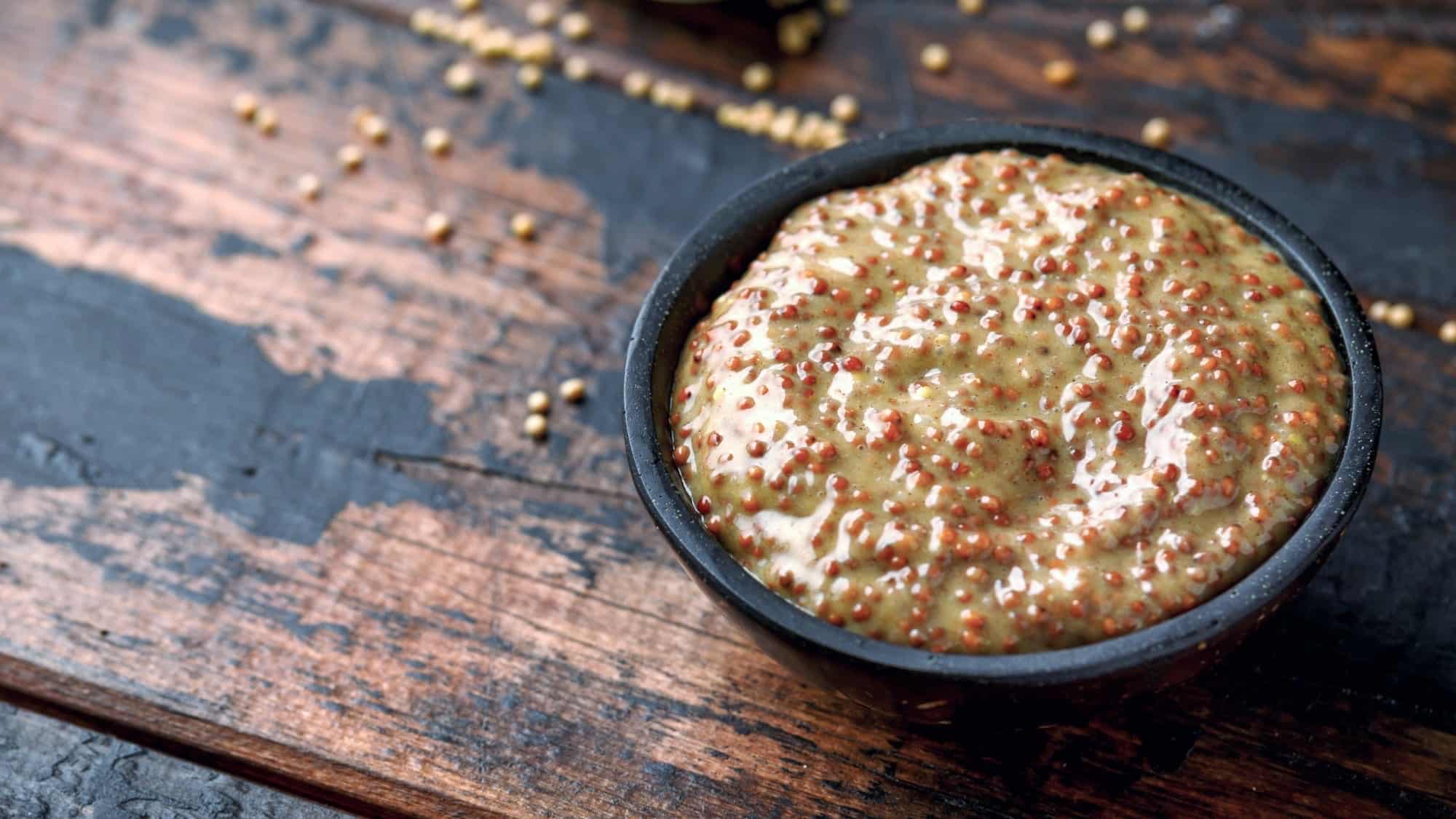
Creole mustard is a Louisiana original, deeply embedded in the culinary identity of New Orleans and the surrounding region. It’s made from brown mustard seeds that are marinated in vinegar before being stone-ground, which gives the final product a distinctly sharp, tangy, and slightly spicy character. The texture is coarser than Dijon but finer than most whole grain mustards, landing somewhere in between.
What sets Creole mustard apart is its boldness. It’s not shy—it brings heat, tang, and a complexity that reflects the layered flavors of Creole cuisine itself. Zatarain’s is the most widely available commercial brand, though small-batch Louisiana producers make exceptional versions worth seeking out. Creole mustard is an essential ingredient in remoulade sauce, the classic New Orleans condiment served with shrimp and po’boys.
- Heat level: Medium to high
- Texture: Coarse, slightly grainy
- Best uses: Remoulade, po’boys, fried seafood, deviled eggs, dressings
- Flavor profile: Sharp, tangy, bold, slightly spicy
Creole mustard is one of those regional specialties that deserves far more national attention than it gets. If you enjoy spicy mustard types and you’ve never tried a proper New Orleans remoulade made with Creole mustard, that’s a gap worth closing. It’s also excellent as a spread on roast beef sandwiches or stirred into potato salad for a Southern-inspired twist.
10. Beer Mustard
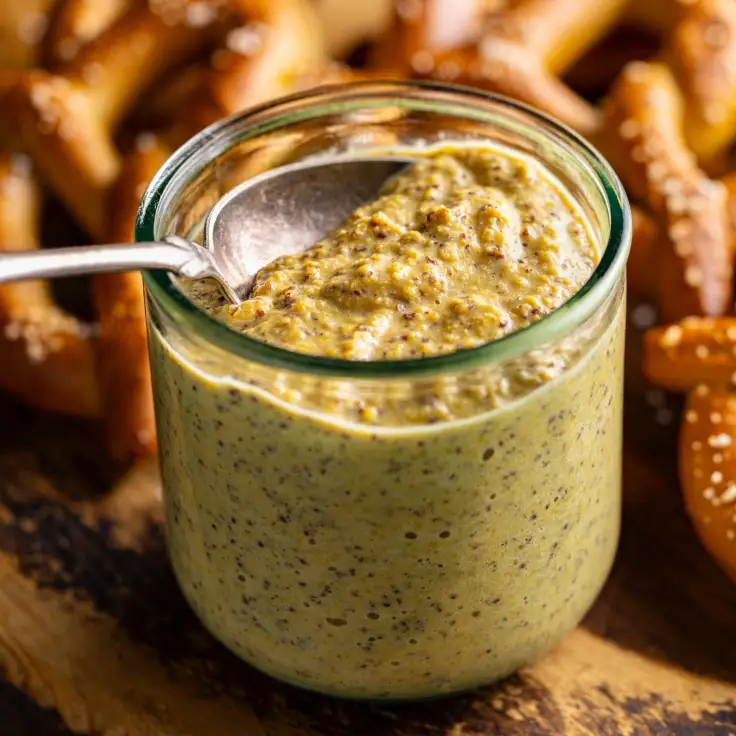
Beer mustard replaces some or all of the vinegar in a traditional mustard formula with beer, and the style of beer used has a significant impact on the final flavor. A dark stout produces a rich, slightly bitter mustard with roasted undertones. A wheat beer creates something lighter and more aromatic. An IPA adds hoppy bitterness that plays interestingly against the mustard’s natural sharpness.
Beer mustard tends to be coarser in texture, similar to whole grain or stone-ground styles, and it carries a depth of flavor that purely vinegar-based mustards can’t replicate. It’s a popular specialty item at craft breweries and farmers markets, and many small-batch producers collaborate with local breweries to create location-specific varieties.
- Heat level: Mild to medium
- Texture: Coarse to medium
- Best uses: Pretzels, sausages, burgers, cheese boards, braised meats
- Flavor profile: Malty, earthy, complex, slightly bitter (varies by beer style)
Key Insight: Beer mustard is one of the best mustard varieties for cooking braised meats. Stir a few tablespoons into a pot roast or short rib braise—the malt flavors meld with the meat juices in a way that adds remarkable depth without any single ingredient standing out.
When choosing a beer mustard, look at the beer style listed on the label and think about what you’re pairing it with. Stout-based mustards are exceptional with hearty red meats, while lighter wheat or lager-based varieties work better with chicken, fish, and lighter fare. Just as you might explore different types of spices to match a dish, choosing the right beer mustard style makes a meaningful difference.
11. Sweet Mustard
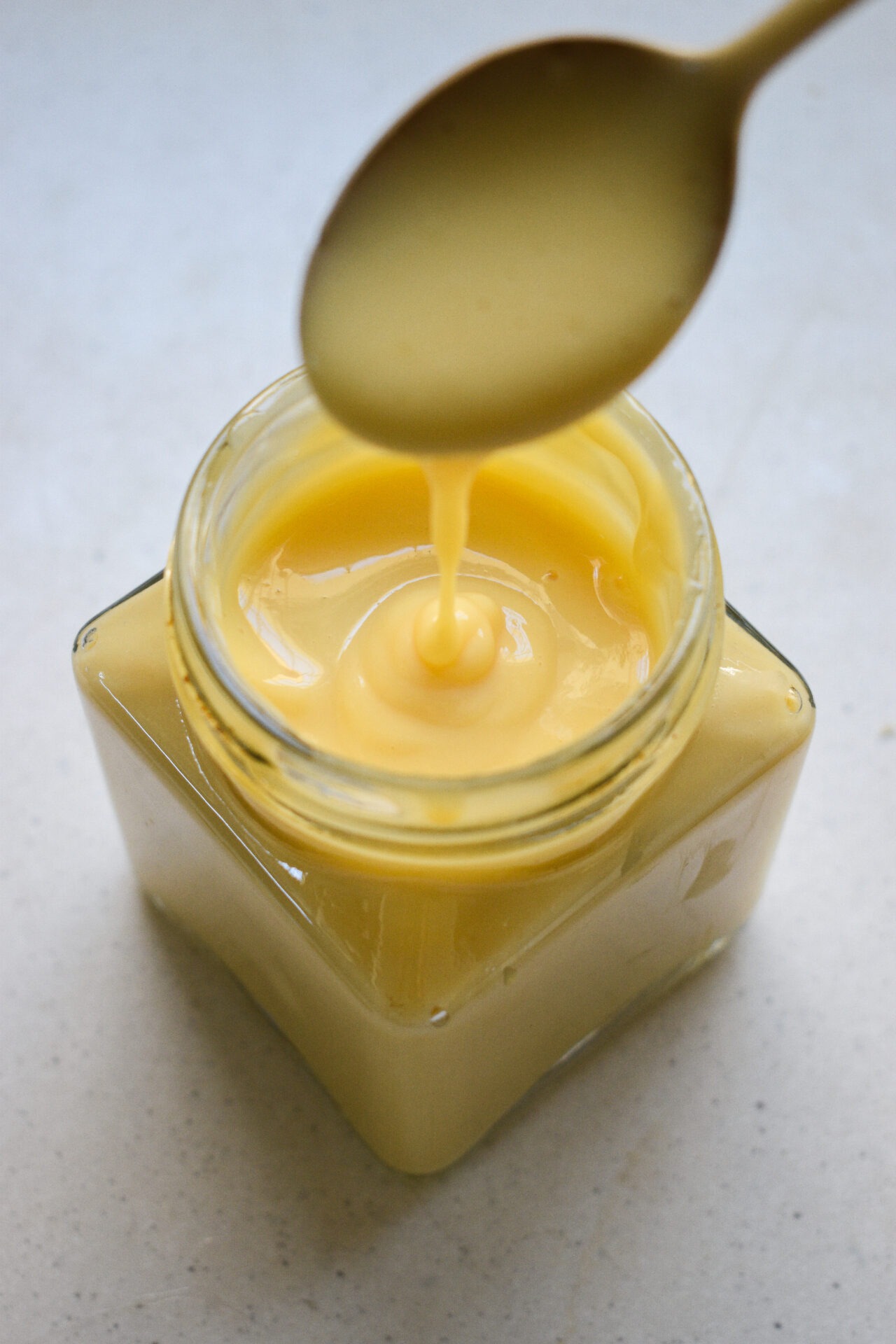
Sweet mustard prioritizes sweetness over heat, using sugar, honey, maple syrup, or fruit-based sweeteners to soften the natural sharpness of mustard seeds. Unlike honey mustard, which maintains a clear mustard identity, sweet mustard often leans so far toward sweetness that the heat becomes almost imperceptible. Bavarian sweet mustard is the most iconic example, though Scandinavian-style sweet mustards (often called “gravlax mustard” or “dill mustard”) are equally beloved in their region.
The Scandinavian version typically incorporates dill and has a golden color and a flavor that’s sweet, herbaceous, and mildly tangy. It’s the classic accompaniment to gravlax (cured salmon) and is one of the most elegant mustard applications in European cuisine. Sweet mustard also works beautifully as a dipping sauce for mild proteins and as a glaze for baked ham.
- Heat level: Very mild to none
- Texture: Smooth to slightly thick
- Best uses: Cured salmon, ham, sausages, cheese boards, dipping sauces
- Flavor profile: Sweet, mild, sometimes herbaceous
Sweet mustard is an excellent gateway for people who find most mustard varieties too sharp or too hot. Its approachability makes it a crowd-pleaser at gatherings, and its sweetness means it pairs naturally with salty, cured, and smoked foods where contrast is the key to a satisfying bite.
12. Fruit Mustard
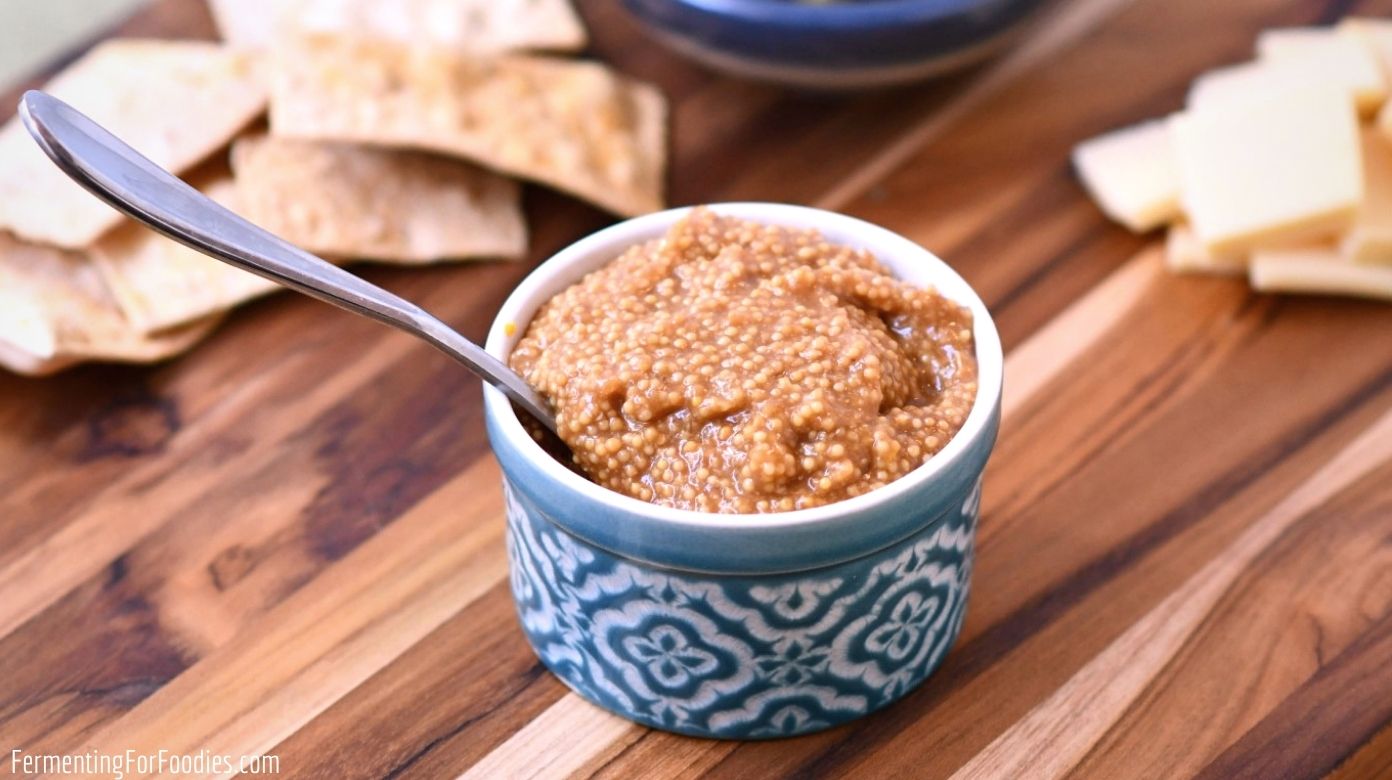
Fruit mustard is one of the most underappreciated mustard varieties in the world, and Italy deserves most of the credit for developing it into a sophisticated culinary tradition. Mostarda di Cremona—the most famous Italian fruit mustard—is made from candied fruits preserved in a mustard-flavored syrup spiked with mustard oil, creating a condiment that is simultaneously sweet, fruity, and intensely pungent. The heat from the mustard oil is surprising given the sweetness of the fruit, and that contrast is precisely what makes it so compelling.
Modern fruit mustards extend the concept in many directions: fig mustard, apricot mustard, mango mustard, and cherry mustard are all available from specialty producers. These tend to be smoother and less intense than traditional mostarda, blending fruit preserves or purees directly into a mustard base. According to Food & Wine , fruit mustards pair exceptionally well with aged cheeses, cured meats, and roasted poultry.
- Heat level: Mild to surprisingly high (especially traditional mostarda)
- Texture: Chunky to smooth (varies by style)
- Best uses: Cheese boards, charcuterie, roasted meats, duck, pork tenderloin
- Flavor profile: Sweet, fruity, pungent, complex
Pro Tip: Serve fruit mustard alongside a wedge of aged Parmigiano-Reggiano or Pecorino Romano and a slice of prosciutto. The combination of sweet fruit, pungent mustard, salty cured meat, and crystalline cheese is one of the great flavor experiences in Italian antipasto tradition.
13. Spirit Mustard
Spirit mustard uses distilled spirits—whiskey, bourbon, brandy, or even rum—as part of the liquid base, replacing or supplementing the vinegar typically used in mustard production. The alcohol doesn’t survive the process in significant quantities, but it leaves behind flavor compounds that give the mustard a warmth, complexity, and depth that water or vinegar alone cannot provide.
Bourbon mustard is perhaps the most popular style in the United States, where the caramel, vanilla, and oak notes of good bourbon integrate beautifully with the natural earthiness of brown mustard seeds. Whiskey mustard, particularly Scotch-based varieties, tends to be smokier and more complex. Brandy mustard has a fruity, slightly sweet character that bridges the gap between spirit mustard and fruit mustard.
- Heat level: Mild to medium
- Texture: Smooth to coarse (varies by producer)
- Best uses: Steaks, pork chops, cheese boards, glazes, upscale sandwiches
- Flavor profile: Warm, complex, slightly sweet, spirit-forward
Spirit mustard is a natural fit for upscale cooking and entertaining. A bourbon mustard glaze on a pork tenderloin or a whiskey mustard cream sauce over a grilled steak elevates a simple meal into something memorable. Look for spirit mustards at specialty food stores, craft distillery gift shops, and online specialty retailers that carry artisan condiments.
14. Dry Mustard Powder
Dry mustard powder is not a condiment in the traditional sense—it’s a spice. Made from finely ground mustard seeds (most commonly yellow seeds for commercial powders, though brown seed powders exist), it’s a foundational ingredient in cooking rather than a table condiment. Its heat potential is locked in until activated by liquid, which makes it an incredibly flexible tool in the kitchen.
When you add dry mustard powder to a recipe, you get the flavor of mustard without adding any liquid or acidity to the dish—a critical advantage in applications like dry rubs, spice blends, macaroni and cheese, and deviled egg filling. It’s also a key ingredient in many classic British recipes, where it appears in everything from cheese sauces to salad dressings. Just as you might explore cooking with different spices to build flavor, dry mustard powder is one of the most versatile tools in any spice cabinet.
- Heat level: High when activated with cold water; reduced with hot liquid or cooking
- Texture: Fine powder
- Best uses: Dry rubs, spice blends, mac and cheese, deviled eggs, cheese sauces, baked goods
- Flavor profile: Pungent, sharp, earthy when activated; mellow and aromatic when cooked
Common Mistake: Adding dry mustard powder directly to a hot dish without blooming it first. For the best flavor, mix the powder with a small amount of cold water and let it sit for 10 minutes before adding it to your recipe. This activates the heat compounds and develops a fuller, more complex flavor.
The most famous dry mustard powder brand is Colman’s of Norwich, which has been producing its double-superfine yellow powder since the early 19th century. A tin of Colman’s is a genuine kitchen essential—it lasts a long time when stored properly, and its applications span savory cooking, condiment-making, and even some baking recipes.
15. Horseradish Mustard
Horseradish mustard combines two of the world’s most assertive condiments into one powerfully pungent blend. Both horseradish and mustard derive their heat from similar chemical pathways—isothiocyanates in mustard and allyl isothiocyanate in horseradish—which means they reinforce each other’s heat rather than competing. The result is a condiment with layered, complex heat that hits in waves: first the sharp front-of-mouth heat of the mustard, then the sinus-clearing nasal heat of the horseradish.
The base mustard used in horseradish mustard varies by producer. Some use a Dijon-style base for smoothness and sophistication; others use spicy brown or whole grain for a more rustic, textured product. According to Bon Appétit , horseradish mustard is particularly well-suited to beef—prime rib, roast beef, and steak sandwiches all benefit from its assertive heat.
- Heat level: High to very high
- Texture: Smooth to coarse (varies by base mustard)
- Best uses: Prime rib, roast beef, steak sandwiches, smoked salmon, deviled eggs
- Flavor profile: Sharp, pungent, layered heat, slightly earthy
Key Insight: Horseradish mustard’s heat is volatile—it dissipates when exposed to air and heat. For the most intense experience, serve it cold and freshly opened. If you’re cooking with it, add it at the very end of the process to preserve that signature double-heat punch.
If you love the heat of horseradish sauce on prime rib but want more complexity and versatility, horseradish mustard is the upgrade you’ve been looking for. It brings all the sinus-clearing intensity of straight horseradish but with the tangy depth and culinary flexibility of mustard. It’s one of the most exciting options in the entire spectrum of different types of mustard, and it deserves a permanent spot on any serious condiment shelf.
How to Choose the Right Mustard for Any Occasion
With 15 different mustard varieties to choose from, knowing which one to reach for can feel overwhelming. The good news is that a few simple questions will guide you to the right choice almost every time.
| Situation | Best Mustard Choice | Why It Works |
|---|---|---|
| Hot dogs and burgers | Yellow mustard | Mild tang complements without overpowering |
| Salad dressings and vinaigrettes | Dijon mustard | Emulsifies perfectly, sharp and clean |
| Deli sandwiches and pastrami | Spicy brown mustard | Bold enough to stand up to rich meats |
| Charcuterie and cheese boards | Whole grain or fruit mustard | Visual texture + complex flavor pairing |
| Chicken tenders and dipping | Honey mustard | Sweet-tangy balance appeals to everyone |
| Roast beef or prime rib | English or horseradish mustard | Intense heat cuts through rich beef fat |
| Bratwurst and sausages | German or beer mustard | Regional pairing with complementary flavors |
| Asian appetizers and egg rolls | Chinese hot mustard | Sharp, fast-clearing heat matches the cuisine |
| Seafood and po’boys | Creole mustard | Bold tang is essential to remoulade |
| Cooking and spice blends | Dry mustard powder | Adds mustard flavor without liquid |
Beyond these pairings, think about heat level and texture as your primary decision-making tools. If you want heat, reach for English, Chinese hot, or horseradish mustard. If you want texture, whole grain, spicy brown, or Creole mustard deliver the most character. If you want versatility for cooking, Dijon and dry mustard powder are your best tools. And if you’re entertaining guests with varying palates, honey mustard and sweet mustard will please the widest audience.
Building a well-rounded mustard collection doesn’t require buying all 15 at once. Start with yellow, Dijon, and whole grain as your foundation—those three cover the vast majority of everyday cooking and condiment needs. Then add spicy brown for deli applications, honey mustard for crowd-pleasing occasions, and one adventurous specialty variety (beer mustard, fruit mustard, or spirit mustard) to keep things interesting. Just as exploring different types of food broadens your culinary perspective, expanding your mustard collection opens up a surprising range of new flavor possibilities in dishes you already love.
Pro Tip: Store all opened mustard jars in the refrigerator. While mustard is technically shelf-stable due to its acidity, refrigeration preserves flavor, heat intensity, and texture far better than pantry storage. Most opened mustards maintain peak quality for 6–12 months when refrigerated.
Mustard is one of those condiments that rewards curiosity. The more varieties you try, the more you’ll notice how dramatically different they can be—and how the right mustard can transform a dish from ordinary to genuinely memorable. Whether you’re a lifelong yellow mustard loyalist ready to branch out or an adventurous cook looking to deepen your pantry, there’s a mustard variety in this list that will surprise and delight you.