Can You Eat Mussels While Pregnant? What You Actually Need to Know

April 24, 2026
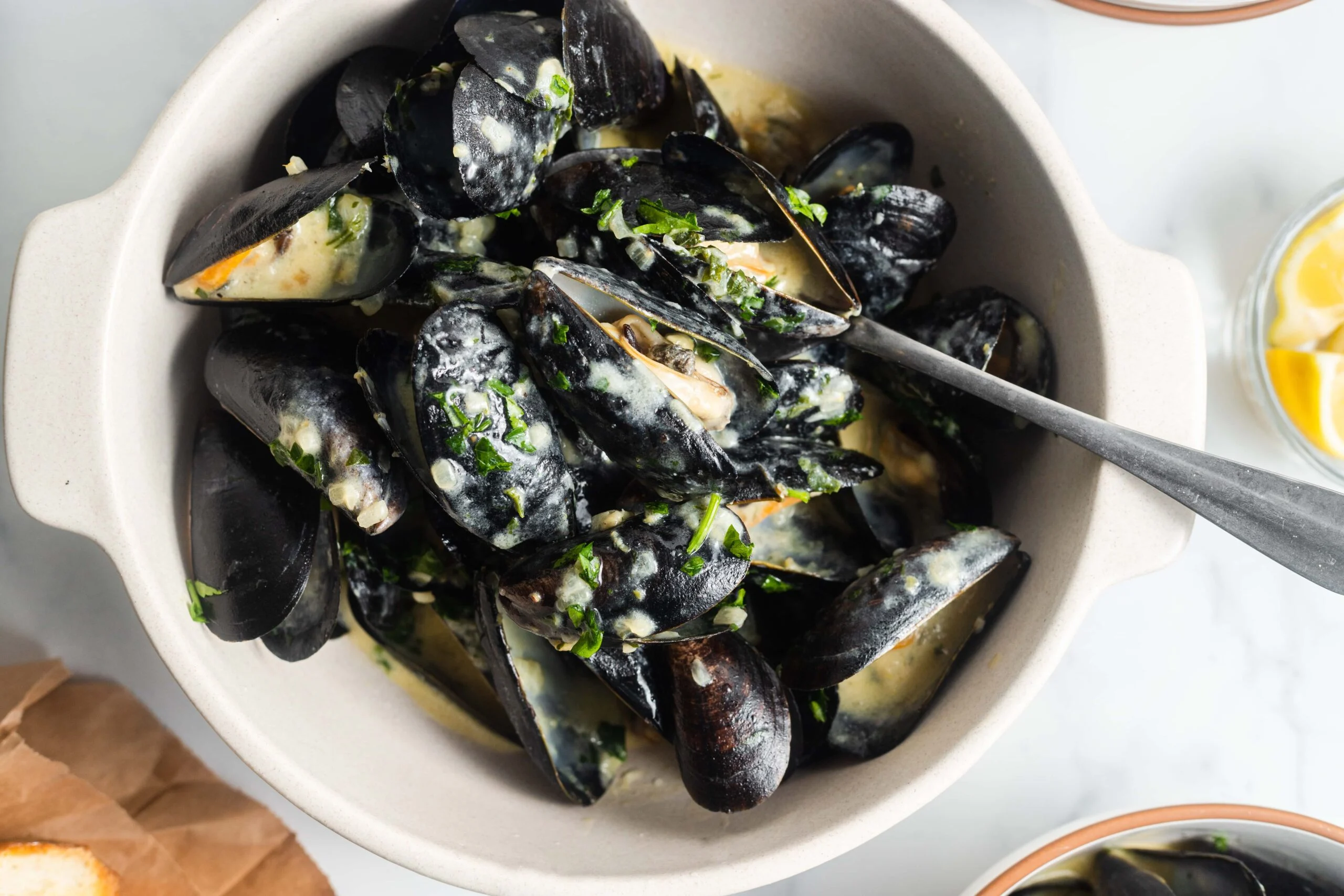
Pregnancy has a way of turning even the most routine meal into a research project. If mussels are one of your favorites — or you’re just craving a bowl of steamed shellfish — you’re probably wondering whether they’re on the approved list or the “avoid for now” list.
The good news is that seafood can absolutely be part of a healthy pregnancy diet, and mussels are no exception. The answer isn’t a flat no — but it does come with some important conditions worth understanding before your next dinner order.
Here’s everything you need to know about eating mussels while pregnant, from the research behind the guidelines to exactly how to prepare them safely at every trimester.
The Short Answer
Yes, you can safely eat mussels during pregnancy when they are thoroughly cooked until the shells open completely and the meat is firm and opaque. That’s the bottom line — and it’s backed by major health authorities including the FDA and Mayo Clinic.
A common myth is that mussels should be avoided completely during pregnancy. In reality, they’re safe to eat if cooked properly. Another myth is that they’re high in mercury, but mussels have low mercury levels.
The key word throughout all of this is cooked. Raw mussels are a firm no during pregnancy. Properly cooked mussels? They’re not only safe — they’re genuinely nutritious for you and your baby.
Pro Tip: When buying fresh mussels, check that the shells are tightly closed before cooking. They’re considered fresh when their shells are closed. If they’re slightly open, tapping them should make them close. Throw away any mussels that don’t close or have cracked or broken shells.
Why It’s Safe
Mussels aren’t just safe during pregnancy — they’re actually one of the more nutrient-dense seafood options you can choose. Here’s why they earn a place on your plate.
Low mercury content. Unlike large predatory fish, mussels filter feed naturally and accumulate minimal mercury, aligning with safety guidelines for seafood consumption during pregnancy. This makes them a much safer choice than high-mercury fish like shark, swordfish, or king mackerel.
Exceptional nutritional value. Mussels provide essential nutrients for pregnancy, including high-quality protein, iron, omega-3 fatty acids, vitamin B12, zinc, and selenium. These nutrients support fetal development, brain health, and the mother’s immune system.
Impressive iron profile. Mussels are high in iron, which is needed for the body in greater quantities during pregnancy. The haem iron found in the meat is more readily absorbable and hence a high-quality source of the mineral. Iron is required to make red blood cells as the blood volume in pregnant women increases throughout pregnancy.
Rich in vitamin B12. Mussels provide over 500% of the daily value (DV) for vitamin B12 and nearly 22% DV for iron per 100g. Mussels are also high in vitamin B12, needed for the production of red blood cells.
Brain-building omega-3s. The omega-3 fatty acids in many fish, including docosahexaenoic acid (DHA), can help with your baby’s brain development. Mussels contain approximately 0.7g of combined DHA and EPA per 100g — a meaningful contribution to your weekly intake.
Key Insight: The Global Alliance for Improved Nutrition (GAIN) found that organ meats like liver and bivalves — like clams, mussels, and oysters — have very high densities of micronutrients important for reproduction. Mussels are genuinely one of nature’s most complete prenatal foods.
What the Research Actually Says
You don’t have to take anyone’s word for it — the guidance on mussels during pregnancy is well-established across multiple credible health bodies.
The Food and Drug Administration (FDA), the Environmental Protection Agency (EPA), and the Dietary Guidelines for Americans recommend that, in a week, pregnant people eat at least 8 ounces (224 grams) and up to 12 ounces (340 grams) of a variety of seafood lower in mercury. Mussels fall squarely within that low-mercury category.
Eating average amounts of seafood containing low levels of mercury during pregnancy hasn’t been shown to cause problems. And the omega-3 fatty acids in many types of fish can promote a baby’s healthy brain development.
Mayo Clinic specifically addresses shellfish preparation: cook clams, mussels, and oysters until their shells open, and throw away any that don’t open. This is the clearest signal that a mussel is thoroughly cooked.
Registered dietitians echo this guidance. Beth Ferguson, MS, RDN, IBCLC, a registered dietitian and board-certified lactation consultant, recommends cooked shellfish such as shrimp, oysters, clams, mussels, and scallops, since cooking lowers the risk of foodborne illness.
You’re naturally more susceptible to food poisoning during pregnancy because of changes to your metabolism and circulation, and as well as being unpleasant for you, food poisoning can increase the risk of premature delivery and infections in your baby. This is exactly why cooking method matters so much — it’s not about the mussel itself, but about eliminating the pathogens that can survive in raw shellfish.
Important Note: During pregnancy, your immune system is less active and you may be more prone to food poisoning or an upset stomach. This is why the “fully cooked” rule is non-negotiable, not just a general recommendation.
How to Do It Safely
Knowing mussels are safe is one thing — knowing exactly how to buy, prepare, and eat them during pregnancy is another. Follow these guidelines and you can enjoy mussels with full confidence.
Safe Amounts
Pregnant women can safely consume 8–12 ounces of well-cooked, low-mercury seafood per week, including mussels. This amount provides beneficial nutrients while staying within safe consumption limits. In practical terms, a serving size is about 115 grams, which is roughly 7 to 8 medium-sized mussels. It’s advisable to incorporate mussels into your diet throughout all three trimesters. For a healthy intake, consider having mussels 1 to 2 times a week, ensuring they are thoroughly cooked. This frequency supports a balanced diet without overconsumption.
Cooking Methods That Work
There are several reliable ways to cook mussels safely at home. You can boil, steam, or bake them. Whichever method you choose, the goal is the same: the shells must open and the internal temperature must be high enough to eliminate harmful bacteria.
- Steaming: Place mussels in a covered pot with a small amount of liquid (broth, water, or wine). Steam for 5–7 minutes until all shells are open.
- Boiling: Boil mussels for at least 5 to 7 minutes in a covered pot to make sure they are fully submerged.
- Baking: Works well in pasta dishes, casseroles, or stuffed mussel recipes. Ensure the entire dish reaches a safe internal temperature.
- Temperature target: Mussels should be cooked until their shells open completely and the meat inside is firm and fully opaque. The internal temperature should reach at least 145°F (63°C) to ensure safety.
Common Mistake: Discarding mussels that didn’t open before cooking — rather than after. The rule is: cook clams, mussels, and oysters until their shells open. Throw away any that don’t open. An unopened shell after cooking means the mussel didn’t reach a safe temperature inside.
Buying and Handling Fresh Mussels
- Buy from reputable sources. Always buy fresh mussels from reputed stores or outlets rather than going for unknown vendors or harvesting them yourself.
- Check freshness by smell. Mussels should smell fresh like the ocean. They shouldn’t smell fishy or have a bad odor.
- Handle raw mussels carefully. Wear gloves when you handle raw mussels in your kitchen. Wash all utensils in hot, soapy water and disinfect any countertops the mussels touched.
- Store and cook promptly. Buy fresh mussels from reliable sources, ensure shells are closed and unbroken, clean them thoroughly, and cook immediately after purchase. Store properly in the refrigerator if not cooking right away, and always cook until completely done.
- Skip self-harvested or imported mussels. Don’t eat imported mussels or mussels you harvested yourself from waters with unknown health statuses.
Trimester Differences
The safety rules for mussels don’t change across trimesters — fully cooked is always the requirement. But your experience of eating them might vary.
If you’re in your first or early second trimester of pregnancy, you might be more sensitive to strong smells and feel nauseous often; it may be better to avoid eating mussels if that’s the case. But mussels can be part of a healthy, balanced diet packed with nutrients you and your baby need during all three trimesters.
Eating mussels during the second trimester is safe as long as they’re fully cooked. Mussels are a good source of protein and important nutrients. Always ensure they’re fresh and prepared properly to avoid any health risks. By the third trimester, you can enjoy mussels if they’re cooked well.
If you’re eating out, it’s safest to choose cooked mussels from a restaurant that’s known for fresh seafood. Don’t hesitate to ask how the mussels are prepared before ordering.
When to Avoid It Completely
While properly cooked mussels are safe, there are specific situations where you should skip them entirely — no exceptions.
Raw or undercooked mussels. The majority of seafood-borne illness is caused by undercooked shellfish, which include oysters, clams, and mussels. Cooking helps prevent some types of infection, but it does not prevent the algae-related infections that are associated with red tides. Raw shellfish pose a concern for everybody, and they should be avoided altogether during pregnancy.
If you have a shellfish allergy. Some pregnant women might experience allergic reactions to mussels, causing itching or swelling. If you’ve ever had a shellfish allergy or reaction, avoid mussels entirely and speak with your doctor.
During red tide or shellfish advisories. Contaminated mussels might contain toxins like domoic acid, which can harm both mother and baby. Always check local shellfish advisories before purchasing mussels, especially if you live in a coastal area.
When you have significant nausea. Most women are still experiencing nausea and vomiting during the first trimester. Therefore, if the smell of seafood triggers nausea, it is best avoided. There’s no nutritional reason to force it — there are plenty of other brain-supporting foods you can eat instead.
If you’re unsure of the source. Mussels and other shellfish can get contaminated by the water they live in. This can happen in both natural water environments and in artificial growing pools. Basically, if the water is polluted, the mussels may also be. When in doubt about where the mussels came from, skip them.
Important Note: Raw or undercooked mussels can also harbor Hepatitis A. Jaundice caused by the organism can be transmitted from the mother to the baby, making it a risk. This is one of the most serious reasons to never eat raw mussels during pregnancy.
Quick Reference Chart
Not sure where a specific mussel situation falls? Use this at-a-glance guide to check before you eat.
| Situation | Status | Notes |
|---|---|---|
| Fully cooked mussels (shells open, meat firm and opaque) | ✅ Safe | Internal temp must reach 145°F (63°C) |
| Steamed mussels from a reputable restaurant | ✅ Safe | Confirm they are fully cooked before ordering |
| Farmed mussels from a trusted grocery store | ✅ Safe | Fresh, farmed mussels are monitored for safety |
| Frozen pre-cooked mussels (reheated thoroughly) | ✅ Safe | Reheat until steaming hot throughout |
| 1–2 servings per week (within 8–12 oz seafood limit) | ✅ Safe | Fits within FDA weekly seafood guidelines |
| Raw mussels (sushi, ceviche, half-shell) | ❌ Unsafe | Risk of Vibrio, Hepatitis A, Listeria, parasites |
| Undercooked mussels (shells not fully opened) | ❌ Unsafe | Discard any mussel that doesn’t open after cooking |
| Self-harvested mussels from unknown waters | ❌ Unsafe | Water quality and contamination cannot be verified |
| Mussels during a shellfish or red tide advisory | ❌ Unsafe | Toxins like domoic acid survive cooking |
| Mussels if you have a shellfish allergy | ❌ Unsafe | Consult your doctor before eating any shellfish |
| Mussels in first trimester with strong nausea | ⚠️ With Caution | Safe if cooked, but strong smell may worsen nausea |
| Mussels eaten more than 2–3 times per week | ⚠️ With Caution | Stay within the 8–12 oz weekly seafood guideline |
| Mussels from a restaurant you haven’t visited before | ⚠️ With Caution | Ask about sourcing and cooking method first |
Frequently Asked Questions
Can I eat mussels in my first trimester?
Yes, you can eat mussels during the first trimester if they’re thoroughly cooked. Cooking kills harmful bacteria and viruses, ensuring safety. Mussels offer essential nutrients like iron and omega-3 fatty acids, which are beneficial for both you and your baby. That said, if strong smells are triggering nausea, it’s perfectly fine to wait until the second trimester.
What happens if I accidentally ate raw or undercooked mussels while pregnant?
Diarrhetic shellfish poisoning (DSP) is a rarer risk that can cause illness when people consume shellfish contaminated with toxins. The symptoms can begin soon after consumption and include nausea, vomiting, diarrhea, and abdominal pain. Complete recovery can take up to 3 days. If you’ve eaten raw mussels and develop any symptoms, contact your healthcare provider right away. Don’t wait to see if it resolves on its own during pregnancy.
Are mussels high in mercury?
Mussels are exposed to heavy metal contaminants in the ocean. While mercury, which is the substance pregnant women should be most wary of, is very low in mussels, it can still accumulate in the body with excess consumption. Sticking to 1–2 servings per week keeps you well within safe limits. For a broader look at foods and beverages to avoid during pregnancy, that resource covers high-mercury fish and other common concerns.
How many mussels can I eat per week while pregnant?
During pregnancy, registered dietitian Teresa Maiorano, RD, suggests eating 8 to 12 ounces (224 to 340 grams) of low-mercury seafood each week, spread out over two or three meals. “This works out to around 4 to 6 ounces per serving, which you can enjoy two to three times each week.” Mussels count toward this total, so factor in any other seafood you eat that week.
Can I eat mussels at a restaurant while pregnant?
Yes — with a bit of due diligence. Caution must be used when consuming mussels in a restaurant. Choose a restaurant known for fresh seafood, confirm the mussels are steamed or fully cooked (not served raw or lightly warmed), and send back any that appear undercooked or still closed. When in doubt, it’s always okay to ask your server how a dish is prepared.
Are farmed mussels safer than wild mussels during pregnancy?
All types of mussels are safe during pregnancy if they’re thoroughly cooked. Fresh, farmed mussels are a good choice as they’re often monitored for safety. Avoid consuming them raw or undercooked to prevent foodborne illnesses. Farm-raised mussels grow on ropes that hang in the ocean. They are cleaner because they don’t sit on the ocean floor, but they can still contain toxins. Cooking remains the essential safety step regardless of origin.
What are the best alternatives to mussels during pregnancy?
If you’re not comfortable eating mussels or simply want variety, there are plenty of nutrient-rich whole food options to explore. Cooked shellfish such as shrimp, oysters, clams, and scallops are all pregnancy-safe options, as are salmon, white fish, sardines, and canned tuna. For plant-based omega-3 sources, flaxseed — ground seeds or oil — canola oil, walnuts, sunflower seeds, and soybeans are all good sources of omega-3 fatty acids. You can also explore iron-rich foods and heart-healthy superfoods to round out your pregnancy nutrition plan.
Do mussels have any side effects during pregnancy?
When fully cooked and eaten in moderation, most people tolerate mussels well. However, mussels might cause gas or bloating due to their complex proteins, affecting digestion during pregnancy. If you notice digestive discomfort after eating mussels, try smaller portions or pair them with easy-to-digest foods. And as always, if you have any concerns about how a food is affecting your pregnancy, loop in your healthcare provider — they’re your best resource for personalized guidance.
This information is for educational purposes only and is not intended as medical advice. Always consult with a qualified healthcare professional before making health decisions during pregnancy.