
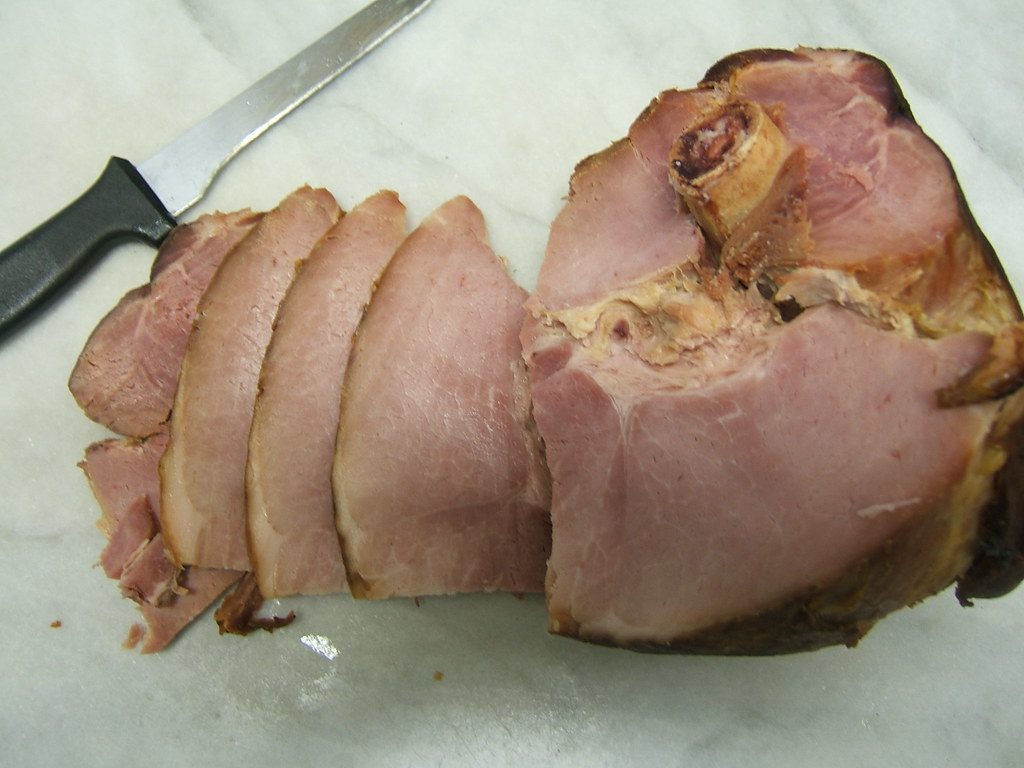
After a holiday dinner or a big Sunday meal, you’re often left with more cooked ham than you can eat in a few days. The good news is that freezing cooked ham is completely safe and practical — you just need to follow the right steps to protect its texture and flavor.
Whether you’re dealing with leftover spiral-cut ham from Easter, a bone-in ham from Thanksgiving, or deli-style slices from a weeknight dinner, this guide walks you through everything: how to freeze it, how long it lasts, how to thaw it safely, and the best ways to put it to use once it comes out of the freezer.
Can You Freeze Cooked Ham?
Yes, you can freeze ham — whether cooked or uncooked — by following proper food safety practices. This applies to whole cooked hams, sliced portions, bone-in cuts, and even diced pieces you’ve prepped for recipes.
Once you take the ham out of the packaging and cook it, you can keep the leftovers in the fridge for up to 5 days. If you know you won’t finish it within that window, the freezer is your best option for extending its life without compromising food safety.
Freezer storage is for quality only — frozen hams remain safe indefinitely, according to the USDA Food Safety and Inspection Service. That said, quality does decline over time, so sticking to recommended storage windows gives you the best eating experience.
Pro Tip: Refrigerate cooked ham within 2 hours of cooking. Leaving it out longer than that puts it in the bacterial danger zone and makes it unsafe to freeze or store.
One important exception to know: canned ham (unopened) should not be frozen. If you’ve opened a canned ham, you can transfer the leftovers to an airtight freezer bag and freeze those, but the sealed can itself is not freezer-safe.
Does Freezing Change the Texture or Taste of Cooked Ham?
Freezing cooked ham does affect quality to some degree — that’s worth knowing before you commit a large batch to the freezer. Frozen ham will lose a bit of quality in terms of texture, though the flavor won’t be affected.
The science behind it is straightforward: when ham is frozen, the water inside its muscle fibers turns into ice crystals. These crystals can rupture the fibers, leading to a mushier texture once the ham is thawed. This textural change is more pronounced in cooked ham, where the delicate balance of moisture and tenderness is easily disrupted.
Ham contains fats that can oxidize in the freezer, leading to rancid flavors. The natural juices of the ham are often lost during the freezing and thawing process, diluting its rich, savory taste. This is why proper wrapping is so important — it’s not just about preventing freezer burn, it’s about keeping moisture locked in.
If left exposed to air, the moisture in the ham evaporates, leaving behind dry, tough patches. Freezer burn doesn’t make the ham unsafe to eat, but it can impact the overall eating experience, particularly the flavor.
The practical takeaway: frozen cooked ham works best in cooked dishes — soups, casseroles, fried rice, and egg scrambles — where slight textural changes are masked by other ingredients. It’s less ideal for serving as a standalone centerpiece after freezing.
How to Freeze Cooked Ham the Right Way
Proper prep before freezing makes a significant difference in what you get when you thaw it. Follow these steps to protect quality and prevent freezer burn.
- Cool it completely first. Let cooked ham cool completely before storing to prevent condensation and bacterial growth. You can speed this up by placing it in shallow containers in the refrigerator.
- Pat off excess moisture. Use a paper towel to remove any excess moisture from the surface of the ham. This reduces ice crystal formation and helps the wrap adhere better.
- Portion it out. You can freeze leftover cooked ham as a whole or in slices. To freeze ham slices, cut the meat into your preferred portions — most recipes call for between 8 and 12 ounces. If you plan to use it in soups or salads, dice it into cubes before freezing so it’s ready to go.
- Wrap tightly. Tightly wrap either the whole cooked ham or each ham slice individually using plastic wrap or aluminum foil. Make sure there aren’t any gaps left over to avoid freezer burn.
- Add a second layer of protection. Move your wrapped ham to an airtight container or freezer bag. Press out as much air as possible before sealing. A vacuum sealer works even better if you have one.
- Label everything. Label your bags with the date and the measurement of your portion size. This saves you from guessing later and helps you rotate older portions first.
Pro Tip: Freeze ham in recipe-ready portions. If you regularly make ham and bean soup, pre-measure and freeze 1-cup portions of diced ham so you can grab exactly what you need without thawing more than necessary.
If you’re freezing a bone-in ham, wrap the ham bone in plastic wrap and transfer it to an airtight bag. The bone is worth saving — it makes an excellent base for split pea soup or bean soup.
How Long Can You Freeze Cooked Ham?
Storage time depends on the type of ham. Here’s a breakdown based on USDA Food Safety and Inspection Service guidelines:
| Ham Type | Freezer Storage Time |
|---|---|
| Cooked ham (cured) | 1–2 months |
| Cooked ham (uncured) | 3–4 months |
| Uncooked ham (uncured) | Up to 6 months |
| Canned ham (opened) | 1–2 months |
| Canned ham (unopened) | Do not freeze |
The USDA provides these storage guidelines for various types of frozen ham: cooked ham lasts 1–2 months; uncooked ham (uncured) lasts up to 6 months; and cooked ham (uncured) lasts 3–4 months.
These windows are about quality, not safety. Freezer storage is for quality only — frozen hams remain safe indefinitely. But ham that’s been frozen for 4 or 5 months will taste noticeably different from ham frozen for 3 weeks, so staying within the recommended windows is worth it.
For the fridge, properly handled and sealed cooked ham should last 3–5 days in the refrigerator. If you’re not going to use it within that window, freeze it sooner rather than later — the fresher it goes in, the better it comes out.
How to Thaw Frozen Cooked Ham
How you thaw frozen ham matters as much as how you freeze it. It is never safe to thaw ham (or any other meat) at room temperature on the countertop or in the sink. Stick to one of the three USDA-approved methods below.
Method 1: Refrigerator Thawing (Best Option)
The refrigerator is the recommended thawing method, as it’s the easiest and safest. It should take about four to six hours per pound to defrost completely. Plan ahead: a 5-pound ham needs roughly a full day, and a 10-pound ham needs about 2 days.
Once thawed, the ham can safely stay in the refrigerator for another 3 to 5 days before cooking, giving you some flexibility on timing.
Method 2: Cold Water Thawing (Faster)
Move the portions you plan to use to a sealed, leak-proof bag, then submerge it in a bowl of cold tap water, replacing it every 30 minutes. This takes about half an hour per pound.
Use only cold water — avoid using warm or hot water, as this might cause the meat’s outer layer to warm up to a temperature where dangerous bacteria can start to grow. After cold-water thawing, cook the ham immediately; do not refreeze it without cooking it first.
Method 3: Microwave Thawing (Last Resort)
Microwaving is an option, but not the best method. For ham slices or smaller portions, defrost in 30-second intervals until fully thawed. For larger amounts, place the ham unwrapped on a microwave-safe plate and use the defrost setting.
If you choose the microwave method, the ham should be cooked immediately after thawing. Microwave thawing can partially cook the outer edges, so you need to finish cooking it right away.
Important Note: When reheating previously cooked ham, the USDA recommends bringing it to an internal temperature of at least 165°F before eating to kill bacteria. Use a meat thermometer to confirm.
Can You Refreeze Cooked Ham After Thawing?
Refreezing is possible in some situations, but it comes with trade-offs. Ham is one of those foods that refreezes just fine, without losing too much of its taste and texture — though refrozen ham will lose some of its quality. That’s to be expected and is probably a small price to pay for not letting it go to waste.
There are clear rules about when refreezing is safe:
- Only refreeze ham if you originally thawed it in the fridge. Fridge thawing keeps the ham at a safe temperature throughout the process.
- If you thawed it in cold water, you won’t be able to refreeze it unless you cook it first.
- Both previously-frozen, cooked and never-cooked whole ham should be refrozen within 3 days of thawing. This timeframe ensures the ham maintains its quality and safety. Delaying beyond three days might lead to moisture loss, undesirable odor changes, or bacteria growth.
- You shouldn’t refreeze ham that’s been outside of refrigeration for more than two hours. Leaving cooked ham out at room temperature for extended periods can encourage the growth of harmful bacteria.
Also worth knowing: ham that was cooked with glazes, sauces, or seasonings may not fare well after refreezing, as these additives can alter in flavor and consistency. If the ham is refrozen with its glaze or sauce still intact, it could result in an off-putting texture or taste when reheated. It is often better to freeze ham separately from any accompanying condiments or dressings.
How to Use Frozen Cooked Ham (Best Uses After Freezing)
Once thawed, cooked ham is incredibly versatile — especially for weeknight meals where you want something hearty without a lot of prep. The slight texture change that comes from freezing is almost undetectable in cooked dishes, making these applications ideal.
Here are some of the best ways to use thawed cooked ham in American home cooking:
- Ham and bean soup: A classic use for leftover ham. Toss diced pieces into a pot with navy beans, onion, carrots, and broth. The ham bone (if frozen separately) adds even more depth of flavor.
- Breakfast scrambles and frittatas: Diced ham works perfectly folded into scrambled eggs or baked into a frittata. A frittata is always a great one-pan option for any meal, and it calls for about 3/4 cup of ham — though a little more or less is fine.
- Ham and cheese quesadillas or sandwiches: Sliced frozen ham, once thawed, works well layered into quesadillas, grilled cheese sandwiches, or cold-cut wraps.
- Casseroles: Ham and potato casserole, ham and broccoli bake, or scalloped potatoes with ham are all crowd-pleasing dishes that hide any softened texture beautifully.
- Fried rice: Diced ham is one of the best additions to a quick fried rice — it pairs well with soy sauce, eggs, and frozen peas for a fast weeknight dinner.
- Mac and cheese: Stir cubed ham into homemade or boxed mac and cheese for a simple, filling meal that kids and adults both enjoy.
- Pizza topping: Ham is a natural on pizza, especially paired with pineapple (Hawaiian-style) or mushrooms and peppers.
For best results, add thawed ham toward the end of cooking in soups and stews — it’s already cooked, so it just needs to heat through rather than simmer for a long time, which can make it rubbery. You can also find inspiration in how other cuisines use preserved and cured meats; for example, check out how traditional South African food or German foods incorporate cured pork in creative ways.
Signs That Frozen Cooked Ham Has Gone Bad
Even with proper freezing, cooked ham can go bad — especially if it’s been stored too long, improperly wrapped, or thawed and refrozen multiple times. Here’s what to look for before you cook or eat it.
| Warning Sign | What It Means | What to Do |
|---|---|---|
| Sour or sulfur-like odor | Bacterial spoilage | Discard immediately |
| Slimy or sticky texture | Spoilage bacteria present | Discard immediately |
| Gray or dull color | Oxidation or spoilage | Discard if accompanied by odor |
| Visible mold | Fungal growth | Discard the entire piece |
| Heavy ice crystal buildup | Thawed and refrozen; freezer burn | Safe but quality is poor |
| Torn or damaged packaging | Possible contamination or freezer burn | Inspect closely before use |
Ham that has gone bad may have a sour or sulfur-like odor, a slimy texture, or visible signs of mold or discoloration. Trust your senses — if something smells or looks off, it’s not worth the risk.
Visually, when ham starts to go off, it will start to take on a gray color instead of that vivid pink. A slight color change on its own isn’t always cause for alarm, but paired with any off smell or sliminess, it’s a clear sign to discard.
Skip any ham with torn or damaged wrapping, since this can lead to contamination or freezer burn. A few small ice crystals are fine, but heavy buildup may mean the ham has thawed and refrozen, which can impact quality.
When in doubt, throw it out. Food poisoning from spoiled meat is not worth the risk, especially with something as affordable and widely available as ham. For more guidance on foods that support your overall health, see our article on superfoods for a healthy heart or explore powerful nutrients and foods that fight cancer.
Frequently Asked Questions
Can you freeze a whole cooked ham on the bone?
Yes. You can freeze ham on the bone — here’s how to safely freeze leftover cooked ham. Cool it completely, pat it dry, place it in a large freezer bag, remove as much air as possible, and wrap the bag in aluminum foil for extra protection. The bone can also be frozen separately for making broth or soup later.
Can you freeze spiral-cut ham?
If you’re freezing spiral-cut ham, make 8-ounce stacks of slices. Wrap each stack tightly in plastic wrap, then transfer to a freezer bag. Spiral-cut ham has more exposed surface area, so double-wrapping is especially important to prevent freezer burn.
Can you freeze deli ham or lunch meat?
Yes, deli-sliced ham freezes well. Stack the slices with a small piece of parchment paper between each one so they don’t stick together, then wrap the stack in plastic wrap and seal in a freezer bag. Use within 1–2 months for best quality.
How long does cooked ham last in the fridge before freezing?
Properly handled and sealed cooked ham should last 3–5 days in the refrigerator. Freeze it before that window closes if you know you won’t use it in time. The fresher the ham when it goes into the freezer, the better it will taste when it comes out.
Is it safe to eat cooked ham that’s been frozen for 3 months?
It depends on the type. Cured cooked ham is best within 1–2 months. Cooked ham (uncured) can last 3–4 months in the freezer. Ham frozen beyond these windows is still technically safe to eat if it has been kept at 0°F the entire time, but the texture and flavor will have degraded noticeably. Use it in cooked dishes where quality differences are less apparent.
Can you freeze ham salad or dishes made with cooked ham?
Ham salad (made with mayo) does not freeze well — the mayo separates and becomes watery. However, cooked dishes like ham and potato soup, ham casserole, or ham fried rice freeze reasonably well. Store them in airtight containers and use within 2–3 months. You might also enjoy exploring how to freeze fresh zucchini to round out your freezer meal prep.
What’s the best freezer temperature for storing cooked ham?
According to the USDA, your freezer should be set to maintain a temperature of 0°F. The colder, the better — the best way to keep ice crystals small is by freezing quickly at very low temperatures. Small ice crystals cause less cell damage, which means better texture when you thaw the ham.