
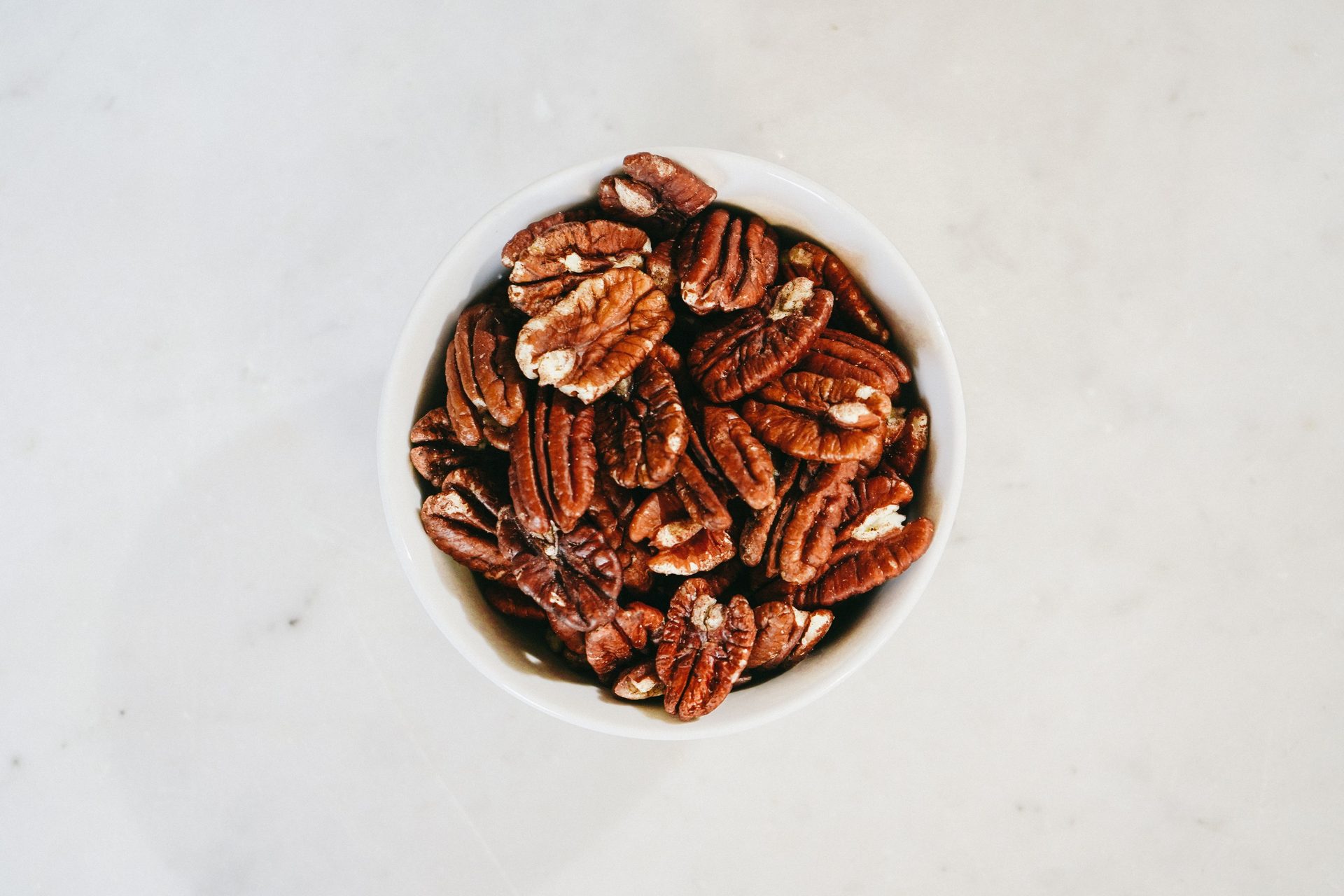
Pecans are one of the most popular nuts in the United States, prized for their rich, buttery flavor in everything from pecan pie to salads and snack mixes. But because pecans have a high oil content , they are more delicate than most people expect — and leaving them out at room temperature for too long is a fast track to rancidity.
If you bought a large bag at the store, received a fresh harvest from a farm, or simply want to stock up without waste, freezing is the smartest storage move you can make. This guide covers everything you need to know: whether freezing changes the taste, the right way to do it, how long they last, and what to watch for when something goes wrong.
Can You Freeze Pecans?
Yes, you can absolutely freeze pecans — and freezing is actually the best way to store them. Whether you picked them up at a Texas roadside stand, ordered them online, or grabbed a bag at your local grocery store, the freezer will protect your investment far better than the pantry ever could.
Freezing pecans is an excellent method for long-term storage, particularly when dealing with larger quantities. Freezing halts the oxidation process, allowing them to retain their natural oils and rich flavor for up to two years. That makes the freezer the go-to option for anyone who buys in bulk or wants to keep pecans on hand year-round without worrying about spoilage.
Due to their low water content, freezing pecans is one of the best ways to store them. Roasted, salted, or candied pecans also do well in the freezer, thanks to the extra layer of insulation. So no matter what form your pecans are in, the freezer works.
Pro Tip: Store pecans in small, portioned bags rather than one large container. That way you only thaw what you need each time, reducing the risk of repeated temperature changes.
Does Freezing Change the Texture or Taste of Pecans?
This is the question most people ask before committing to the freezer, and the short answer is: not if you do it right. If properly stored, freezing will not change the taste of pecans — they’ll maintain their great taste and fresh color.
Freezing preserves both flavor and texture for up to two years. The key is keeping moisture and air out of the container. Pecan nuts are loaded with unsaturated fats, which are wonderful for your health but also prone to oxidation. Once those fats start breaking down, you’ll notice a bitter taste and a stale rancid oily smell. Proper freezer packaging prevents that breakdown from happening in the first place.
While pecans can remain safe to eat for an extended period, their taste and texture may start to degrade after the first year. For best flavor and texture, try to consume them within the first 12 months of freezing. That said, pecans frozen past the one-year mark are still usable — especially in baked goods where subtle flavor differences are less noticeable.
How to Freeze Pecans the Right Way
Getting the process right takes only a few minutes and makes a significant difference in quality. Follow these steps for the best results.
- Start with fresh, dry pecans. Whether you have in-shell pecans, unshelled pecans, pecan halves, or pecan pieces, it’s important that they’re as fresh as possible when you store them. Old rancid or borderline spoiled pecans won’t last long, even in ideal conditions.
- Make sure they are completely dry. Pecans must be completely dry before freezing since any moisture can cause ice crystals, which damage the pecan meats. If you washed them or cracked them from the shell, let them air dry for several hours first.
- Shell them first if possible. You can freeze pecans in their shells or shelled, but removing the shells before freezing makes it easier to use them in recipes directly from the freezer.
- Choose the right container. Pecans can last in the freezer for up to two years when sealed properly. Place pecans in freezer-safe bags or airtight containers, ensuring that all air is removed to prevent freezer burn.
- Consider vacuum sealing. Vacuum sealing is an excellent technique to preserve pecans, as it removes air that could contribute to rancidity. Without air, pecans are protected from oxidation, which extends their shelf life significantly.
- Label and date every bag. Label the containers or bags with the date of storage. This helps ensure that you use the oldest pecans first and maintain a rotation system to enjoy the freshest nuts.
- Keep them away from strong odors. Pecans are like little sponges — they will soak up smells around them. Store them away from items like onions, garlic, or strong cheeses. Always use a sealed container to preserve the great taste.
Pro Tip: For extra protection against freezer burn, double-bag your pecans. Place them in a zip-top freezer bag, press out all the air, seal it, then place that bag inside a second freezer bag.
How Long Can You Freeze Pecans?
Pecans are one of the better nuts for long-term freezer storage, largely because of their low water content. Here is a quick reference for how long different types of pecans stay fresh depending on storage method:
| Pecan Type | Room Temperature | Refrigerator | Freezer |
|---|---|---|---|
| Shelled (raw) | 2–4 weeks | Up to 9 months | Up to 2 years |
| In-shell | Up to 6 months | 9–12 months | Up to 2–3 years |
| Roasted/Candied | About 1 month | Up to 3 months | Up to 6 months |
Shelled pecans can be kept in the refrigerator for about nine months and for up to two years in the freezer. In-shell pecans stored in the freezer can last up to three years. For roasted or candied varieties, roasted pecans tend to have a shorter shelf life than raw pecans because roasting brings out the natural oils, which can speed up the oxidation process. Roasted pecans last about a month at room temperature but stay fresh longer if refrigerated.
Foods kept constantly frozen at 0°F will keep safe indefinitely — so while quality may gradually decline after the two-year mark, properly frozen pecans are not unsafe to eat beyond that window.
Pecans are also a heart-healthy food worth keeping on hand. Keeping pecans fresh means more than just maintaining their taste. Fresh pecans retain their health benefits, providing a source of heart-healthy fats, fiber, and antioxidants. Properly stored pecans keep these benefits intact, offering a nourishing snack option when you need it.
How to Thaw Frozen Pecans
Thawing pecans is simple, but doing it carelessly can introduce moisture and undo all your careful freezer work. The good news is that for most cooking and baking uses, you may not need to thaw them at all.
When you are ready to serve, you can bring pecans up to room temperature or cook with them right away — no thawing necessary. This is especially convenient when tossing them into a batter, topping a salad, or adding them to a casserole.
When you do want to thaw them fully, keep these guidelines in mind:
- Refrigerator method (recommended): Thaw your pecans in the refrigerator or at room temperature inside a sealed container or bag. The fridge method is slower but keeps moisture from condensing on the nuts.
- Room temperature method: Leave them on the counter until they reach room temperature. Use them promptly after thawing and avoid leaving them on the counter for extended periods.
- Avoid the microwave: Avoid microwaving pecans to defrost them, as it can reduce their freshness and flavor and give them a chewy texture.
- After thawing: Thawed pecans should keep their flavor for two months after defrosting. Store them in the refrigerator if you are not using them right away.
Pro Tip: If your thawed pecans feel slightly soft or have lost some of their snap, spread them on a baking sheet and toast them at 300°F for 8–10 minutes. Pecans that have lost their crunch but don’t smell rancid may simply be stale rather than spoiled. You can refresh them by toasting lightly in an oven at 300 degrees Fahrenheit for about 10 minutes, which can revive the texture and flavor.
Can You Refreeze Pecans After Thawing?
Sources offer slightly different perspectives on this, so it is worth knowing both sides. According to the National Pecan Shellers Association, pecans can be thawed and refrozen repeatedly during the two-year freezing period without loss of flavor or texture. Some pecan farms echo this, noting that the low water content makes repeated freeze-thaw cycles less damaging than with high-moisture foods.
However, refreezing pecans can have a significant impact on their quality. The texture, flavor, and appearance of the nuts often suffer after they have been thawed and refrozen, with risks of softness, rancidity, and freezer burn.
Important Note: The safest approach is to freeze pecans in small, single-use portions from the start. That way you only thaw what you need and never have to refreeze the same batch repeatedly.
To preserve the integrity of pecans, it’s best to freeze them in smaller portions, ensure they are sealed tightly, and only thaw what is needed at a time. If you do refreeze, do so immediately after using the amount you need rather than letting them sit at room temperature for hours first.
How to Use Frozen Pecans (Best Uses After Freezing)
One of the best things about frozen pecans is how versatile they are straight from the freezer. You do not need to plan ahead for most uses — just grab what you need and get cooking.
Pecans are a natural fit for baked goods. Pecans are versatile — they can be added to baked goods, salads, and savory dishes or eaten as a simple, wholesome snack. Classic American recipes like pecan pie, brownies, banana bread, and muffins all work perfectly with frozen pecans added directly to the batter without thawing.
Here are some of the best ways to put frozen pecans to work:
- Baking: Use directly from frozen in pecan pie, cookies, quick breads, cakes, and muffins. The oven heat handles the rest.
- Salad toppings: Thaw briefly at room temperature, then scatter over green salads, grain bowls, or roasted vegetable dishes for crunch and richness.
- Oatmeal and breakfast bowls: Toasted pecans have a sweet richness that is perfect for pureeing into homemade nut butter. A bit of salt heightens the natural nutty flavor, and the optional pinch of ground cinnamon complements the pecans — perfect to swirl into oatmeal with a drizzle of honey.
- Savory cooking: Add to stuffing, rice pilaf, roasted sweet potato casserole, or pan sauces for chicken and pork.
- Candying or toasting: Thaw fully, then roast or candy them as you normally would. Frozen pecans take to the oven just as well as fresh ones.
- Snacking: Thaw a small portion in the fridge overnight and enjoy as-is. They taste just as good as the day you froze them when stored properly.
Pecans are also worth keeping on hand for their nutritional value. They make a great addition to whole plant-based meals and pair well with ingredients that support overall health. If you are focused on eating well, a freezer stocked with quality pecans is a genuinely useful resource.
Signs That Frozen Pecans Have Gone Bad
Even in the freezer, pecans can go bad — especially if the packaging was compromised or the nuts were not fresh when you froze them. Knowing what to look for saves you from an unpleasant surprise in your next batch of cookies.
Pecans are a natural food, so while they don’t exactly “expire,” they can spoil and lose their taste if not stored properly. Spoiled pecans often have an unpleasant, rancid smell due to the breakdown of the oils in the nut. When pecans go rancid, they develop a sour or stale odor and lose their pleasant taste, often becoming bitter.
Watch for these specific warning signs before using frozen or thawed pecans:
- Rancid or sour smell: Fresh pecans have a distinct aroma characterized by their sweet, nutty scent. Anything that smells sharp, sour, or like old oil means the fats have oxidized.
- Bitter taste: A quick taste test tells you quickly. Rancid pecans taste noticeably bitter and unpleasant — not just stale.
- Soft or rubbery texture: Soft pecans often indicate moisture absorption, mold activity, or early rancidity. Because pecans are high in oil, even slight texture changes can signal deeper spoilage. If pecans feel soft, rubbery, or spongy, they should not be eaten.
- Visible mold or discoloration: Signs of spoilage include a rancid or sour smell, a change in color, and a bitter taste. Any visible mold growth is an immediate reason to discard the batch.
- Freezer burn: If pecans are exposed to air, they may absorb moisture or freezer odors, which could affect their flavor. Freezer-burned pecans appear pale, dry, or shriveled and often taste flat or off.
If you notice any of these signs, discard the pecans rather than trying to salvage them. Once pecans develop a sour taste or odor, it’s best to discard them, as this indicates they’ve gone bad. Proper airtight packaging and starting with fresh nuts are the best ways to avoid this outcome entirely. You can also explore other nutrient-dense foods that store well long-term alongside your frozen pecans.
Frequently Asked Questions
Do You Need to Thaw Frozen Pecans Before Baking?
No. Freezing preserves freshness, flavor, and texture without the need for any added preservatives, and frozen pecans can be used directly in recipes — no thawing needed. Simply measure out what you need and add them straight to your batter or dough.
Can You Freeze Pecans in the Shell?
You can freeze pecans in their shells or shelled, but removing the shells before freezing makes it easier to use them in recipes directly from the freezer. In-shell pecans stored in the freezer can last up to three years — slightly longer than shelled ones — because the shell provides an extra layer of protection against air and moisture.
How Do You Prevent Freezer Burn on Pecans?
Remove as much air as possible using airtight containers or vacuum-sealed bags. Freezer burn occurs when the food item is warm and moist, so make sure your pecans are dry and cool before freezing. Consider double bagging them to prevent possible freezer burn.
Can You Freeze Roasted or Candied Pecans?
Yes. Due to their low water content, freezing pecans is one of the best ways to store them. Roasted, salted, or candied pecans also do well in the freezer, thanks to the extra layer of insulation. Keep in mind that roasted and candied varieties have a shorter overall freezer life — aim to use them within six months for the best quality. Refrigeration can keep candied pecans fresh for up to three months, while freezing can extend their shelf life for up to six months. Use an airtight container or freezer bag for either method.
What Is the Best Container for Freezing Pecans?
Airtight containers, such as jars with lids, are best for storing pecans in the refrigerator. Sealed plastic bags are best for storing pecans in the freezer. For maximum shelf life, a vacuum sealer is worth the investment if you buy pecans in large quantities. Glass jars with tight-fitting lids also work well and prevent odor transfer. These nutrient-rich nuts deserve proper storage to preserve everything they offer.
How Long Do Pecans Last After Being Removed from the Freezer?
After removal from cold storage, pecans will stay good for an additional two months. For best results, store thawed pecans in an airtight container in the refrigerator rather than leaving them at room temperature, and use them within that two-month window.