Can You Freeze Alfredo Sauce? (What to Expect and How to Do It Right)

November 1, 2026
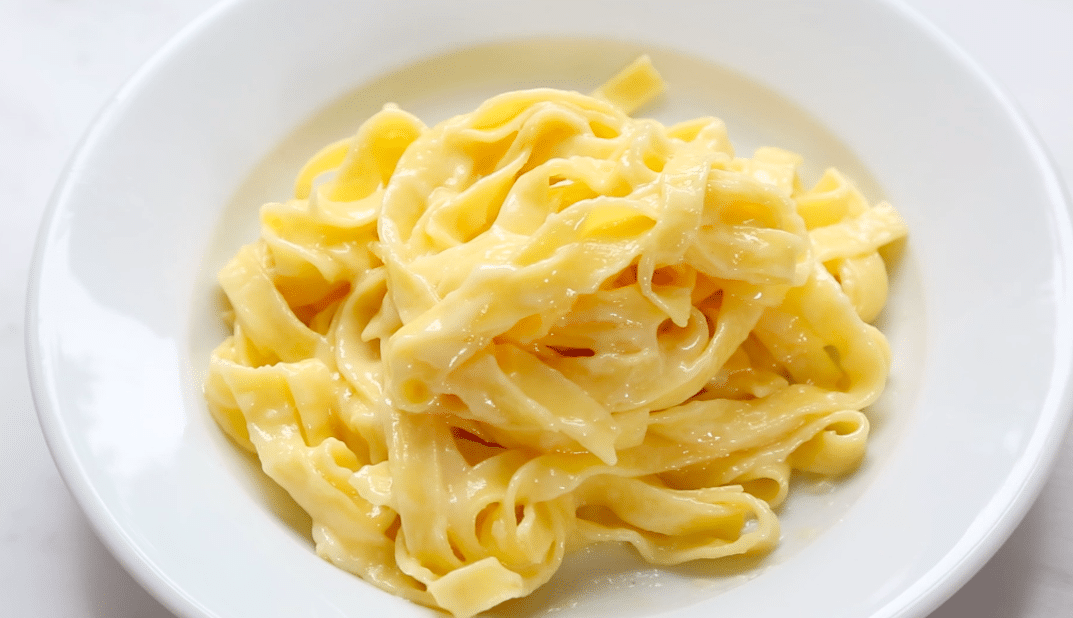
Alfredo sauce is one of those rich, creamy staples that shows up on weeknight dinner tables across the United States — tossed with fettuccine, spooned over chicken, or stirred into a quick casserole. The problem is that a homemade batch almost always makes more than you need, and a half-used jar from the store can sit in the fridge going to waste.
The good news is that you can freeze alfredo sauce. The honest answer, though, is that it takes a little more care than freezing a tomato-based sauce. Because alfredo is built on butter, heavy cream, and Parmesan cheese, the freezing process affects its texture in ways you should know about before you reach for a freezer bag. This guide walks you through everything — from what to expect after thawing to the best ways to bring the sauce back to life.
Can You Freeze Alfredo Sauce?
Yes, you can freeze alfredo sauce — and it can be a success if you follow some simple tips and tricks. Whether you made a big homemade batch or have leftover store-bought sauce you want to save, the freezer is a practical option for extending its life.
The primary challenge with freezing alfredo sauce lies in its high dairy content, specifically cream and butter. Dairy products, particularly those with high fat content, are prone to separation and textural changes when frozen and thawed. This can result in a grainy, watery, or separated sauce — a far cry from the smooth, velvety texture we expect from a good alfredo.
Freezing homemade alfredo sauce can be a bit more challenging than freezing commercial sauce, as it often contains more delicate ingredients like fresh herbs, garlic, and heavy cream. However, with the right techniques and precautions, you can freeze your homemade sauce and enjoy it for months to come. The key is to use high-quality ingredients and to freeze the sauce as soon as possible after making it, while it’s still fresh and flavorful.
Pro Tip: Freeze alfredo sauce on the same day you make it. Once it sits in the fridge, it starts to break down, so the sooner it goes into the freezer, the better the results when you thaw it.
Does Freezing Change the Texture or Taste of Alfredo Sauce?
Yes — and it helps to know exactly what happens so you are not caught off guard. When frozen, water molecules within the sauce expand, forming ice crystals. These ice crystals disrupt the emulsion — the stable mixture of fat and water — that gives alfredo its creamy consistency. Upon thawing, the fat molecules can separate from the water, resulting in a less appealing texture.
Because of this, your frozen alfredo sauce may even change slightly in color, making it a more pale yellow rather than white. This is not a sign that the sauce has spoiled. The discoloration is not an indicator of spoilage — it is a natural process. As the fat separates and binds, it changes color. You are really just looking at yellow milk fat.
When you freeze an emulsified sauce, the different components freeze at different rates, meaning the liquids separate, and your sauce loses that smooth texture. Cream-based sauces like a rich alfredo are also problematic for this reason. Executive Chef Joshua Frias of Naples Ristorante e Bar notes that “cream sauces are not ideal for freezing since dairy can become unpleasant after spending time in the freezer” because “freezing causes internal components within the cream to freeze at different rates.”
If your recipe uses pre-shredded cheese, which contains anti-caking agents, you will likely see more separation. The fat content of your cream matters too — full-fat cream (36–40%) holds up better than light versions. The bottom line: texture will change, but with proper technique, the sauce is still very usable.
How to Freeze Alfredo Sauce the Right Way
The steps below apply to both homemade and store-bought alfredo sauce. Following them closely makes the difference between a sauce that reheats beautifully and one that turns grainy and watery.
- Cool the sauce completely. Before freezing, it is crucial to cool the alfredo sauce completely. Warm or hot sauce will take longer to freeze, leading to larger ice crystals and increased separation. Allow the sauce to cool to room temperature first, then transfer it to the refrigerator to chill thoroughly.
- Portion it out. Divide the sauce into individual servings. This means you already have the right portion size, reduces the chances of wasting sauce, and also means a quicker thaw time. Ice cube trays with lids are great for smaller portions.
- Choose the right container. When freezing alfredo sauce, make sure to use an airtight container. If you are using a plastic container, make sure it is freezer-safe. Glass containers are also an option, but make sure to leave some headspace at the top of the container to allow for expansion.
- Minimize air exposure. One crucial technique is to minimize exposure to air. Oxygen can hasten the degradation of flavors and lead to freezer burn, which can negatively impact the taste and texture of the sauce. Make sure that the containers are tightly sealed. You can also press a layer of plastic wrap directly onto the surface of the sauce before sealing the lid.
- Consider a stabilizer. Adding a stabilizer like cornstarch or cream cheese to the sauce before freezing can help maintain its creamy consistency. Recipes with a higher proportion of cream cheese compared to heavy cream tend to freeze better, since cream cheese contains stabilizers that can help prevent separation.
- Label and date every container. Always date and label your sauce containers. Proper labels avoid the need to toss out unlabeled mystery containers, and the date is vital as it helps you keep track of its lifespan.
Pro Tip: If you want to freeze alfredo sauce with pasta, undercook the pasta by a couple of minutes before combining. This way, it will not turn mushy when you thaw and reheat the dish.
How Long Can You Freeze Alfredo Sauce?
Stored properly, alfredo sauce has a shelf life of about 3 months in the freezer, whether it is homemade or store-bought sauce. Most sources agree on this window as the sweet spot for quality.
Freezing leftover alfredo sauce for longer than 3 months is not recommended, as it increases the chances of the creamy sauce changing in texture and color. When stored in the freezer for too long, ice crystals can form in the leftover sauce, causing a grainy texture to result.
| Storage Method | Estimated Shelf Life | Quality Notes |
|---|---|---|
| Refrigerator (airtight container) | 4–5 days | Best texture; use quickly |
| Freezer (airtight container or bag) | Up to 3 months | Some texture change expected |
| Freezer (beyond 3 months) | Not recommended | Grainy texture, flavor loss likely |
Be sure to mark down the freezing date whenever you are putting anything in the freezer so that you know when it needs to be used by. A piece of masking tape and a permanent marker is all you need.
How to Thaw Frozen Alfredo Sauce
Thawing alfredo sauce the right way is just as important as how you froze it. Rushing the process makes separation worse and can create food safety issues.
Refrigerator thawing (best method): The best method to thaw frozen alfredo sauce is in the refrigerator. Simply transfer the container from the freezer to the fridge and let it thaw overnight. This gradual thawing process prevents rapid changes in temperature, which can negatively affect the texture and flavor of the sauce.
Cold water thawing (faster option): If you need to thaw the sauce more quickly, you can place the sealed container or bag in a bowl of cold water. Change the water every 30 minutes to maintain a cold temperature. This method typically takes one to two hours depending on the portion size.
Microwave thawing (use with caution): Although not the most recommended method due to the risk of overheating and separating the sauce, you can thaw frozen alfredo sauce in the microwave. Use the defrost setting and check the sauce every 10 seconds to avoid overheating.
Avoid thawing alfredo sauce at room temperature, as this can create a breeding ground for bacteria. Once thawed, reheat it promptly and do not let it sit out.
Once the sauce has thawed, reheat it gently. Avoid reheating frozen alfredo sauce directly over high heat, as it can cause the sauce to separate or scorch. Instead, warm the sauce slowly over low to medium heat. Stirring constantly during reheating can also help distribute heat evenly and prevent clumping.
If the thawed sauce seems too thick, you can adjust its consistency by adding a small amount of heavy cream, milk, or even pasta water. When cream sauces become gritty, it is because the fat separates from the liquid in the cream. Whisking the cream vigorously at room temperature is usually enough to bond the fat back into the liquid cream, restoring the smooth texture.
Pro Tip: A double boiler — a heatproof bowl set over a pot of simmering water — is one of the gentlest ways to reheat alfredo sauce after freezing. The double boiler will help make sure the sauce is not overheated, and the gentle temperature rise will help keep the sauce in sauce form.
Can You Refreeze Alfredo Sauce After Thawing?
No — refreezing thawed alfredo sauce is not a good idea. Defrosting alfredo sauce and refreezing it will cause the quality to decline. Each freeze-thaw cycle forces the fat and water to separate further, and the texture deteriorates quickly.
Do not refreeze sauce that has been reheated. Once you warm the sauce up, it needs to be used or discarded. This is the single strongest reason to freeze alfredo sauce in individual portions from the start — you only thaw exactly what you need, and nothing goes to waste.
If you find yourself with more thawed sauce than you can use in one meal, consider repurposing it into a baked dish (like a pasta casserole) rather than trying to refreeze it. The heat of baking can help mask textural changes that would be more noticeable in a plain pasta dish. For more ideas on reducing food waste in the kitchen, check out this guide on freezing other sauces and soft foods.
How to Use Frozen Alfredo Sauce (Best Uses After Freezing)
Once thawed, alfredo sauce may not be quite as silky as it was fresh off the stove, but it is far from unusable. Choosing the right application makes all the difference.
The most obvious use is classic fettuccine alfredo. With proper reheating, you can still enjoy a quality alfredo sauce. If the texture is slightly off, the pasta will absorb the sauce and the imperfections become much less noticeable.
Beyond pasta, there are several other great ways to put thawed alfredo sauce to work:
- White pizza sauce: Use it as a pizza sauce — alfredo sauce as a pizza topping is a great idea. Spread it over pizza dough and top with mozzarella, chicken, or spinach. The baking process smooths out any texture issues.
- Baked pasta casseroles: Add it to a casserole. Baked pasta like ziti tastes great with alfredo. Mix the sauce with cooked pasta, layer in a baking dish, and top with shredded cheese.
- Creamy soups: Create a creamy soup. Alfredo sauce is very rich, so it makes creamy soups extra indulgent. Stir it into chicken broth with vegetables for a quick, hearty bowl.
- Party dip: Warm thawed alfredo sauce gently and serve it as a dip with breadsticks, soft pretzels, or raw vegetables. Its creamy, cheesy base makes it a crowd-pleaser at gatherings.
- Creamy salad dressing: Thin the sauce with a splash of lemon juice and olive oil to make a rich, creamy dressing for a Caesar-style salad.
- Protein topping: Spoon warmed alfredo sauce over grilled chicken, sautéed shrimp, or baked salmon for a quick weeknight dinner with minimal effort.
If you enjoy exploring creative ways to use pantry and freezer staples in the kitchen, you might also enjoy reading about freezing store-bought sauces and condiments or learning about whole plant-based foods that pair well with creamy pasta dishes.
Signs That Frozen Alfredo Sauce Has Gone Bad
Not every change in frozen alfredo sauce means it has spoiled — color shifts and separation are normal. But some signs are genuine red flags that the sauce should be thrown out.
- Sour or off smell: The easiest way to know if something has gone bad is by giving it a smell. Always avoid tasting something you are suspicious of before smelling it, as you may get sick. A sour, rancid, or ammonia-like odor means the sauce is no longer safe.
- Mold growth: Any visible mold — even a small spot — means the entire container should be discarded. Do not try to scoop around it.
- Off-putting color beyond normal yellowing: If the color is off-putting and the smell is not right, make sure to discard the sauce, as it was likely contaminated before it was frozen and is no longer good.
- Excessive wateriness that will not whisk back together: Watch for signs of spoilage: off smells (sour or ammonia-like), mold growth, or an overly watery consistency when thawed that does not respond to reheating and whisking.
- Freezer burn: Oxygen can hasten the degradation of flavors and lead to freezer burn, which can negatively impact the taste and texture of the sauce. Freezer-burned sauce will taste flat and papery. It is safe to eat but the quality will be poor — use it only in baked dishes where other flavors can mask the off-taste.
When in doubt, throw it out. Alfredo sauce is made with dairy, and the risk of foodborne illness from spoiled dairy-based foods is not worth it. Dairy spoils fast — max 2 hours at room temperature. After that, bacteria growth risks food poisoning.
For more on how food choices affect your overall health, you can explore resources like superfoods for a healthy heart or learn about foods that support liver function.
Frequently Asked Questions
Can You Freeze Store-Bought Jarred Alfredo Sauce?
Yes, but with caveats. Jarred alfredo sauce from brands like Classico contains starch that is not designed to be frozen. Once you freeze it, the starch molecules will break down and the water will not be retained, resulting in a watery sauce. Homemade alfredo sauce without added starches actually tends to respond better to freezing because you have more control over the ingredients. If you do freeze jarred sauce, use it in baked dishes where texture matters less.
Can You Freeze Alfredo Sauce with Pasta Already Mixed In?
If you are looking for a quick dinner, freezing some pasta along with your alfredo sauce is an option. Make sure to undercook your pasta by a couple of minutes so that when you defrost it, it does not get mushy. You can freeze alfredo pasta together or in separate containers. You may find that you have more control over how done the pasta gets if you keep it separate from the alfredo sauce.
How Do You Fix Separated Alfredo Sauce After Freezing?
Pour the sauce into a saucepan and give it a good stir using a whisk or a wooden spoon to reincorporate all the ingredients. If the sauce is too thin, add a bit of cornstarch dissolved in water to thicken it up. Warm the sauce and then use as usual. Adding a splash of warm heavy cream while whisking also helps restore creaminess.
Can You Freeze Alfredo Sauce Made with Cream Cheese?
Recipes with a higher proportion of cream cheese compared to heavy cream tend to freeze better. Cream cheese contains stabilizers that can help prevent separation. So if you know you plan to freeze a batch, consider making a cream cheese-based alfredo recipe — it will hold up noticeably better than a pure heavy cream version.
Is It Safe to Freeze Alfredo Sauce?
Yes, it is safe to freeze alfredo sauce as long as it is stored properly in an airtight container. The key food safety rules are: cool the sauce before freezing, keep it at a consistent freezer temperature, thaw it in the refrigerator rather than at room temperature, and never refreeze it after thawing.
Does Freezing Affect the Flavor of Alfredo Sauce?
Freezing can sometimes dull the flavor of alfredo sauce. To compensate, consider adding a pinch of salt, a dash of black pepper, or a small amount of grated Parmesan cheese while reheating. Fresh herbs, such as parsley or chives, can also help to brighten the flavor. A squeeze of fresh lemon juice right before serving also works well to lift the overall taste.