Can You Freeze a Juice Cleanse? Storage Tips That Actually Work

October 22, 2026
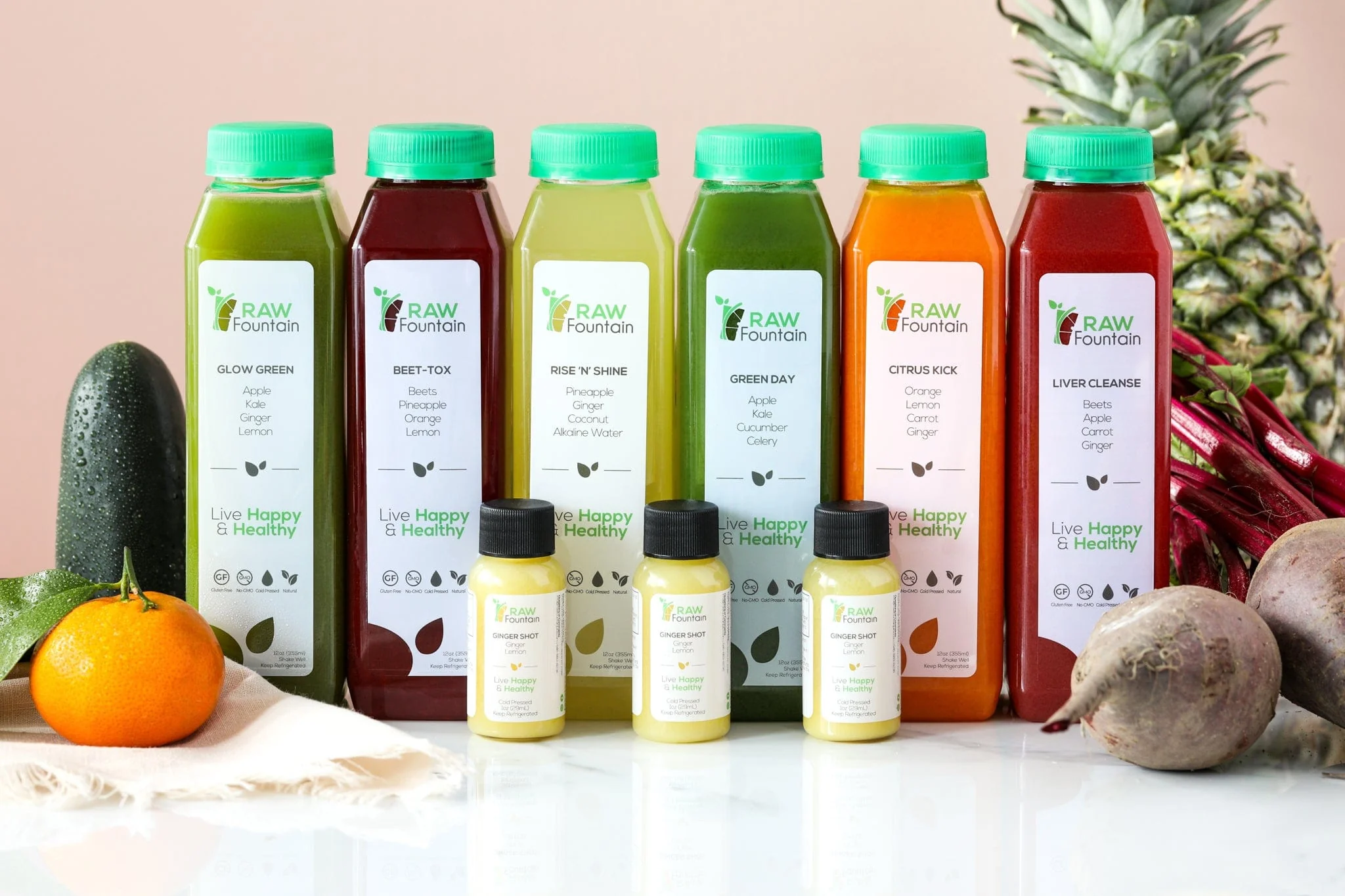
You stocked up on a juice cleanse, life got busy, and now your cleanse start date has moved. Or maybe you bought in bulk to save money and need the bottles to last longer than a few days. Either way, you’re wondering whether your cold-pressed juice cleanse can go into the freezer without losing everything that makes it worth drinking.
The short answer is yes — freezing a juice cleanse is not only safe but is actually the storage method many juice brands use themselves. The longer answer involves a few important details about texture, timing, and technique that make the difference between a great thawed juice and a disappointing one.
Can You Freeze a Juice Cleanse?
If you are a fan of cold-pressed juice or juice cleanses, you will be happy to know that you can freeze it. Freezing is one of the most effective ways to extend the shelf life of raw juice without using heat or chemical preservatives. In fact, many of the most popular cleanse brands in the United States ship their juices frozen specifically for this reason.
Every recipe is bottled immediately into BPA-free bottles and then put into a blast freezer — a special freezer that freezes extremely quickly, designed to help preserve all nutrients and enzymes present in the juices and smoothies. If you are freezing juice at home, your standard freezer works fine, though it freezes more slowly than a commercial blast freezer.
When you freeze these juices, you effectively immobilize them and prevent any contact with oxygen. This prevents the oxidation process from taking place and allows the juice nutrients to stay fresh and unaltered. That is a meaningful benefit for raw, cold-pressed juices, which are especially sensitive to oxidation once bottled.
Pro Tip: Freeze your juice cleanse as soon as you know you won’t start it within the next 2–3 days. The sooner you freeze it after pressing or purchasing, the more nutrients you lock in.
Does Freezing Change the Texture or Taste of a Juice Cleanse?
Freezing does change a few things, and it’s worth knowing what to expect before you thaw your first bottle. The changes are manageable, but they are real.
Texture is where things get interesting. Ice crystals form and break down cell structures, causing separation when you thaw. Pulp sinks and liquid floats. This looks alarming the first time you see it, but it is completely normal. A firm shake for 10–15 seconds before drinking solves the issue immediately.
As for taste, frozen juice won’t be quite as vibrant as fresh juice. The brightness and sharpness of fresh cold-pressed ingredients soften slightly after freezing and thawing. Most people find the difference minor, especially in green juices and beet-based blends. Citrus-forward juices may taste slightly less sharp.
Cold-pressed juice skips the heat entirely, keeping more vitamins, minerals, and enzymes intact. When frozen properly, most nutrients survive surprisingly well, with roughly 80–90% retention. The catch is that water-soluble vitamins like vitamin C can degrade slightly over time. Drinking your frozen cleanse within three to four months keeps that degradation minimal.
How to Freeze a Juice Cleanse the Right Way
Whether you are freezing store-bought cleanse bottles or homemade juice, the process is straightforward. Following a few simple steps keeps quality as high as possible.
- Freeze before the best-by date. Do not wait until the juice is already borderline. Freeze it while it is still fresh for the best results.
- Leave headspace in the container. Your juice will expand as it freezes, so leave a little room at the top of the container. For store-bought bottles that are filled to the top, open the cap slightly or pour a small amount out before freezing to prevent cracking.
- Use airtight containers for homemade juice. Grab some airtight glass containers or ice cube trays. Glass containers are excellent for freezing because they don’t retain odors and help preserve flavor.
- Set your freezer to the right temperature. Place your containers in the freezer, making sure the temperature is set to 10°F or lower. This temperature is key to preserving the juice’s taste and nutritional integrity.
- Label every container. Label each one with the date. This simple step will help you keep track of how long the juice has been in storage, ensuring you consume it while it’s still at its best.
- Freeze in single-serving portions. Freeze your juice in small portions, as this makes it easier to thaw just what you need. If you use ice cube trays, you can pop out single servings, which is perfect for adding to smoothies or drinks later on.
Pro Tip: If you bought a pre-made cleanse that arrived partially thawed during shipping, it is safe to put it straight into the freezer. Your juices are still perfectly good as long as there is mostly ice in the bottle. If there is ice in the bottle, your juice is still at 32–35 degrees and is safe to be consumed.
How Long Can You Freeze a Juice Cleanse?
Frozen juice cleanse bottles hold up well for a meaningful stretch of time, giving you real flexibility in planning your cleanse schedule.
| Storage Method | Shelf Life | Notes |
|---|---|---|
| Refrigerator (unopened) | 3–7 days | Depends on brand and whether HPP-treated |
| Refrigerator (opened) | 1–2 days | Consume as quickly as possible |
| Freezer | Up to 6 months | 3–4 months is the sweet spot for peak quality |
Frozen cold-pressed juice stays good for up to six months. Though three to four months is the sweet spot for peak nutritional value and taste. Beyond that window, the juice is generally still safe, but flavor and nutrient content begin to decline more noticeably.
For comparison, fresh juice lasts just 3–5 days refrigerated. High-pressure processed (HPP) versions stretch to 7–14 days. Freezing gives you a dramatically longer window without any of the heat or chemical treatments that compromise the raw qualities you’re paying for in a cleanse.
If you’re interested in how nutrient-dense foods can support your health goals alongside a cleanse, check out this guide to whole plant-based foods and this resource on powerful nutrients and foods that fight cancer.
How to Thaw Frozen Juice Cleanse Bottles
Thawing properly matters just as much as freezing properly. Rushing the process or thawing at the wrong temperature can affect both taste and safety.
The best method: overnight in the refrigerator. Patience is your best friend here. The ideal method is overnight thawing in the refrigerator. Simply pop your frozen juice in the fridge before bed and wake up to perfectly defrosted goodness. This keeps the juice cold throughout the entire thaw and minimizes bacterial growth.
Planning your cleanse day by day: Ideally the bottles should be thawed out one cleanse day at a time. This will ensure that you are able to drink all of the juices you’ve thawed. Pull out only the bottles you plan to drink the next day — not the entire cleanse at once.
If you need them thawed faster: If any juices aren’t fully defrosted when you’re ready to drink them, you can place them in a jug of warm water for about 10 minutes. Do not use hot water, as heat degrades the raw enzymes and vitamins the cleanse is designed to deliver.
After thawing: Once frozen juice is thawed, it needs to be consumed within 24 hours to provide optimal freshness and avoid the growth of bacteria. Some brands extend this to 2–3 days for refrigerated storage, but 24 hours is the safest and freshest window for raw, unpasteurized cleanse juices.
Important Note: Raw cold-pressed juices used in cleanses are unpasteurized, which means they carry a higher food safety risk than shelf-stable juices once thawed. The FDA recommends that people who are pregnant, elderly, or immunocompromised avoid untreated juices. Always check with your healthcare provider before starting a juice cleanse.
Can You Refreeze a Juice Cleanse After Thawing?
This is one of the most common questions about frozen cleanses, and the answer is a firm no for thawed juice.
Do not refreeze thawed juice to maintain the quality. Refreezing juices isn’t advisable, as it changes their taste and nutrient profile. Once you have thawed the juice, it’s best to consume it in its entirety.
There are two reasons for this. First, each freeze-thaw cycle causes more ice crystals to form, further breaking down the juice’s cellular structure and degrading texture and flavor. Second, and more importantly, thawed raw juice has already begun to warm and may have accumulated some bacterial activity. Refreezing does not kill bacteria — it just pauses it temporarily, and the next thaw picks up where spoilage left off.
There is one important exception: once you open the packages, just put them in the freezer to refreeze and follow the instructions. Keep them frozen until you are ready to do the cleanse. This applies specifically to juices that arrived frozen and thawed slightly during shipping — they were never fully thawed, so refreezing is safe in that scenario.
How to Use Frozen Juice Cleanse Bottles (Best Uses After Freezing)
Once thawed, your cleanse bottles are ready to drink exactly as intended. But if you find the texture slightly different after freezing, or if you have leftover bottles from a completed cleanse, there are several smart ways to use them.
- Drink as-is for your cleanse. Thaw overnight, shake well, and follow your cleanse schedule as planned. Most people find the quality difference from freezing barely noticeable when the juice is consumed cold.
- Add to smoothies. To thaw cubes, place the desired amount into a blender and blend until smooth. You can also add water or almond milk to thin out the juice. This works especially well for green juice and beet blends.
- Use as a smoothie base. Pour a partially thawed bottle into a blender with frozen banana, spinach, or protein powder for a nutrient-packed breakfast that goes beyond a standard cleanse.
- Make juice popsicles. Pour thawed juice into popsicle molds and refreeze. This is a fun way to use leftover cleanse juice, especially fruit-forward flavors like citrus, beet-apple, or pineapple-ginger.
- Use in salad dressings or marinades. Green juices with cucumber, celery, and ginger make an excellent base for light vinaigrettes. Citrus-based cleanse juices work well as a marinade for chicken or fish.
- Mix into sparkling water. Pour a few ounces of thawed cleanse juice over ice with sparkling water for a low-sugar, nutrient-rich mocktail.
For more ideas on foods and drinks that support your body’s natural functions, see these articles on superfoods for a healthy heart and foods that enhance liver function — both pair well with a juice cleanse routine.
Signs That Frozen Juice Cleanse Bottles Have Gone Bad
Even frozen juice can go bad if stored too long, if the freezer temperature fluctuated, or if the juice was already compromised before freezing. Here is what to look for before you drink a thawed cleanse bottle.
Color changes. Significant changes in color, from vibrant to murky, are typically a warning sign — for example, green juice turning brown. Note: this is not to be confused with the natural separation in fresh fruit and vegetable juices. Natural separation after thawing is normal and fixes with a shake. A murky brown tint throughout the juice is not normal.
Smell. Sour smells are a red flag and are often the most obvious one. This indicates over-fermentation. Fresh juice smells bright and fruity. If yours smells vinegary, yeasty, or foul, discard it without tasting.
Texture. Chunky or slimy texture indicates a lack of freshness. Separation that shakes back together is normal. Sliminess or clumping that doesn’t incorporate is a spoilage sign.
Bubbling or fizzing. Unintended carbonation may occur due to fermentation by bacteria or yeast. If your thawed juice sprays or fizzes when opened, it has fermented and should not be consumed.
Swollen container. If it’s swollen, there’s probably gas inside, which means the contents have gone bad. Discard any bottle with a visibly bloated cap or bulging sides.
Taste. Do not taste the juice if any of the above signs are present. Discard it immediately. If the juice passes the visual and smell check but tastes unusually bitter, sour, or fizzy, that is also a discard signal.
For a broader look at how food choices affect your health, you may also find these resources helpful: fibroid healing foods, foods for healthy skin, and foods that promote healthy eyesight.
Frequently Asked Questions
Can you freeze a store-bought juice cleanse that hasn’t been opened yet?
Yes. Properly freezing your pressed juices helps maintain their nutritional value and fresh taste while allowing you to enjoy them past their “best by” date. Freeze the bottles before the best-by date for the best results.
How long does it take to thaw a frozen juice cleanse bottle in the refrigerator?
Prepare your juices the day before by defrosting them at room temperature. The juices usually take about 4–6 hours to defrost. When they are mostly thawed but still very cold, place the juices in the fridge to start in the morning. Alternatively, move them to the fridge the night before for a slower, safer thaw.
Does freezing destroy the nutrients in cold-pressed juice?
Not significantly. Flash freezing is designed to lock in the nutritional value of your juice, helping to preserve nutrients, minerals, and enzymes. The key is freezing these juices immediately because the longer they sit out, the more nutrients they can lose through oxidation. Some water-soluble vitamins degrade slightly over time, but the overall nutritional profile holds up well, especially within the first three to four months.
Can I freeze homemade juice for a DIY cleanse?
Yes, with one caveat. During a juice cleanse, you need all the nutrition you can get because you’re going to be having fewer calories than normal. This doesn’t apply if you’ve bought pre-made juices that were frozen specifically for juice cleanses. These are flash frozen to preserve nutrients in a way that you can’t manage with your own freezer. Homemade juice frozen in a standard home freezer will still retain most of its nutrients — just not quite at the level of commercially flash-frozen products.
Is it safe to drink juice cleanse bottles that thawed during shipping?
It is perfectly normal and expected for your juices to defrost during transit. The key is for them to be cold when they arrive. Once you open the packages, just put them in the freezer to refreeze and follow the instructions. As long as the bottles were cold (not warm) on arrival, they are safe to refreeze or refrigerate and use.
Can you freeze juice cleanse bottles that contain nut milk or protein blends?
Most plain cold-pressed fruit and vegetable juices freeze well. Nut milk-based bottles (like almond milk or cashew milk blends sometimes included in premium cleanses) may separate more dramatically after thawing and can develop a grainier texture. They are still safe to drink after a thorough shake or blend, but the texture change is more noticeable than with straight juice. Check your cleanse brand’s specific instructions for nut milk components.