
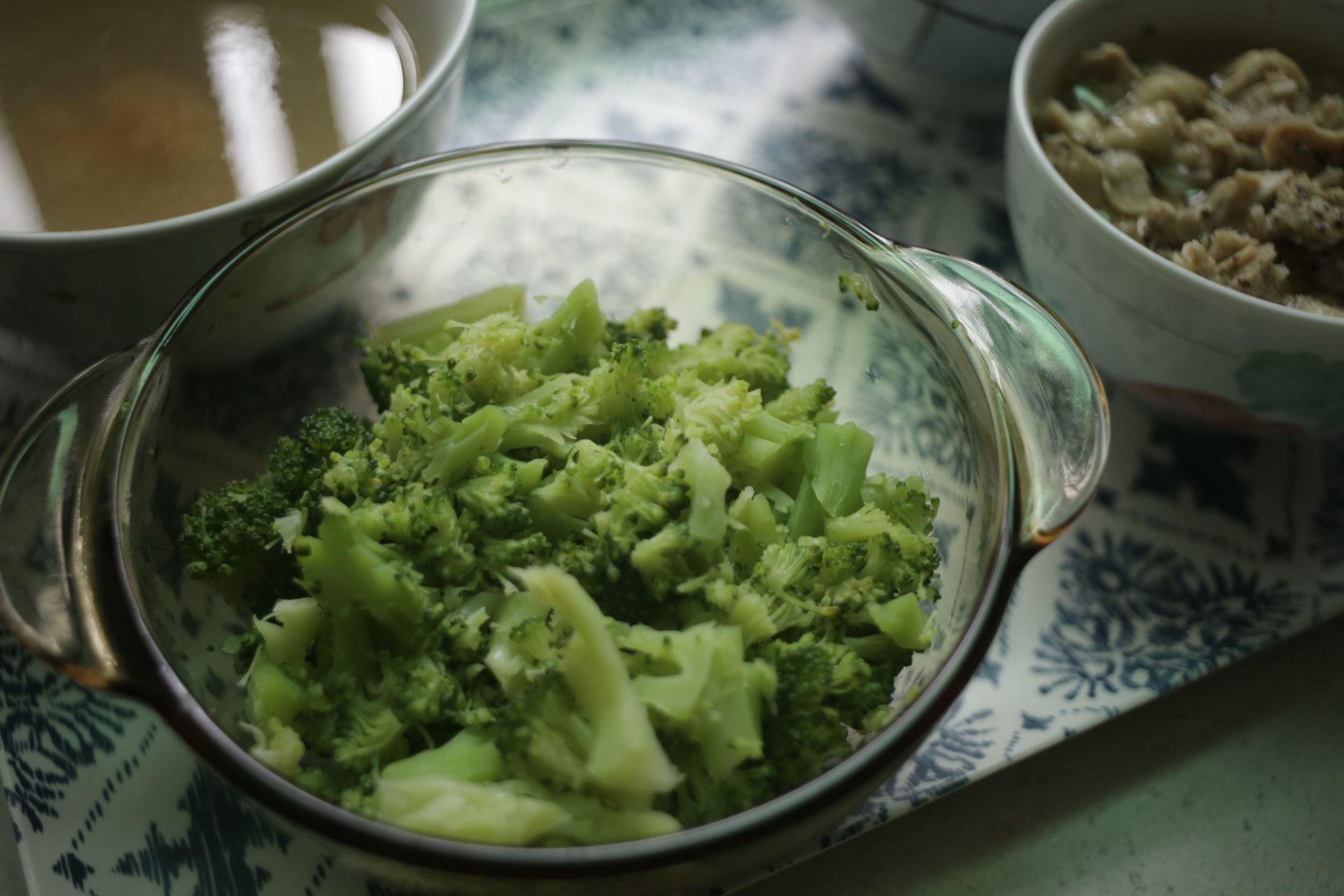
Yes, you can absolutely freeze cooked broccoli — and it is one of the smartest ways to cut down on food waste and keep a nutritious vegetable ready for busy weeknight meals. Whether you roasted a big batch for meal prep or ended up with leftover steamed florets after dinner, the freezer can extend their life by months.
The catch is that broccoli is a high-moisture vegetable, which means the way you cook, cool, and package it before freezing makes a real difference in what you pull out later. Get it right, and you have tender, flavorful florets ready to toss into soups, stir-fries, and casseroles. Get it wrong, and you end up with a soggy, watery disappointment. This guide walks you through every step so you get the best possible result.
Can You Freeze Cooked Broccoli?
Cooked broccoli can be frozen, and when done correctly, it can maintain its taste, texture, and nutritional value for several months. This makes it a practical option for meal preppers and anyone who tends to overbuy at the grocery store.
Whether you are meal prepping or preserving leftovers, freezing cooked broccoli can seem like an easy way to keep veggies at the ready — but if the broccoli is not prepped properly before it heads into the freezer, you may end up with a mushy disappointment after reheating. The good news is that with the right prep, broccoli freezes beautifully.
Broccoli is also worth freezing from a nutrition standpoint. The USDA recommends storing all foods at 0°F or lower to retain vitamin content, color, flavor, and texture — and the freezing process itself does not destroy nutrients. That means you are not sacrificing the health benefits of this vegetable by putting it in the freezer. If you are already eating broccoli for its nutritional value, you may also want to explore superfoods for a healthy heart and powerful nutrients and foods that fight cancer for more ways to build a nutrient-dense diet.
Does Freezing Change the Texture or Taste of Cooked Broccoli?
Freezing does change broccoli somewhat — that is simply the nature of freezing a high-water vegetable. When you freeze broccoli, the water inside its cells expands as it turns to ice. This expansion can sometimes rupture cell walls, which might lead to a softer texture when the broccoli is thawed. However, if you follow the correct procedures, you can minimize these changes and retain much of broccoli’s original qualities.
Can you freeze broccoli after it has been fully cooked? Yes, but the result will have a different texture and might be more watery when thawed. The key is not overcooking it before it goes into the freezer. Cook the broccoli only until crisp-tender — any more, and it will become mushy after freezing and thawing.
Taste-wise, properly frozen broccoli holds up well. An “off” taste — often bitter or overly sulfuric — is linked to the accelerated enzymatic action that occurs when improperly prepared broccoli (such as skipping blanching) is frozen. Freezing only slows the enzyme activity that takes place in foods — it does not halt it entirely. Blanching before freezing is the step that neutralizes those enzymes and protects flavor.
Pro Tip: Undercook your broccoli slightly before freezing. It will finish cooking when you reheat it, so starting from crisp-tender means you end up with the right texture on the plate — not mush.
How to Freeze Cooked Broccoli the Right Way
Following these steps closely gives you the best shot at broccoli that actually tastes good after it comes out of the freezer. The process takes about 30 minutes of active time, plus a couple of hours for flash freezing.
- Cut into uniform florets. Trim the broccoli and cut the florets into uniform pieces, trimming off tough stalks. Uniform sizing helps the pieces freeze and reheat evenly.
- Cook lightly. Blanching quickly cooks the broccoli while locking in its color, while steaming maintains the structure of the broccoli without adding excess moisture. Water blanch for 3 minutes in boiling water, or steam blanch for 5 minutes.
- Shock in ice water immediately. Immediately plunge the broccoli into ice-cold water to stop cooking. Without proper cooling, frozen broccoli will develop bigger ice crystals and a limper texture.
- Dry it thoroughly. If you steam or boil the broccoli, pat it dry before freezing to reduce excess moisture that could turn into freezer burn. Get the broccoli as dry as possible — you can even gently squeeze the florets to wring out any excess water.
- Flash freeze on a baking sheet. Once your broccoli has cooled and dried completely, set the florets in a single layer on a baking sheet lined with parchment paper or a nonstick silicone pad. Scatter the broccoli florets across the sheet to prevent them from touching, which will fuse them together as they freeze.
- Freeze until solid. Place in the freezer until completely solid, 1 to 2 hours.
- Transfer to airtight bags or containers. Once frozen, transfer to a plastic container or resealable freezer bag. For bags, squeeze out as much air as possible before sealing.
- Label with the date. Always label and date your freezer bags or containers — this helps you keep track of how long the broccoli has been stored.
- Store toward the back of the freezer. Store the broccoli in a freezer-safe container toward the back of the freezer, where temperatures are less likely to fluctuate, for the best quality.
You can apply the same careful freezing approach to other vegetables. Check out this guide on how to freeze fresh uncooked zucchini for another common fridge staple.
How Long Can You Freeze Cooked Broccoli?
Broccoli should stay fresh-tasting and free of freezer burn for 6 to 8 months when stored properly. Some sources note you can push that window further, but quality degrades over time. You can store it in the freezer for up to 6 months, though using it within 3 months gives you the best results.
Even properly blanched broccoli will eventually see a decline in quality. If left in the freezer past the recommended 12-month mark, flavor loss and potential off-flavors naturally increase as the cell structure slowly degrades.
| Storage Method | Recommended Timeframe | Notes |
|---|---|---|
| Freezer (blanched/cooked, well-packaged) | Up to 6 months (best quality) | Use within 3 months for peak flavor and texture |
| Freezer (cooked, airtight container) | 6–8 months | Quality declines after 6 months |
| Refrigerator (cooked, not frozen) | 3–4 days | Store in an airtight container |
According to the USDA, freshness and quality at the time of freezing affect the condition of frozen foods. If frozen at peak quality, thawed foods emerge tasting better than foods frozen near the end of their useful life — so freeze items you will not use quickly sooner rather than later.
How to Thaw Frozen Cooked Broccoli
How you thaw your broccoli depends on what you plan to do with it. In many cases, you can skip thawing altogether.
The best way to thaw frozen cooked broccoli is to transfer it from the freezer to the refrigerator and allow it to thaw overnight. This gradual thawing helps to maintain the broccoli’s texture and flavor. The USDA notes that safe ways to thaw leftovers include the refrigerator, cold water, and the microwave — and refrigerator thawing takes the longest but keeps leftovers safe the entire time.
For a faster approach: if you are short on time, you can quickly thaw broccoli by placing the frozen bag in a bowl of warm water for about 30 minutes. Just make sure the bag is sealed so no water gets in.
The fastest method of all is skipping the thaw entirely. Frozen broccoli will turn mushy when thawed, so it is best not to thaw it and instead use it straight from frozen in cooked recipes. You can put the frozen florets right into a pot of boiling salted water for 1 to 2 minutes — this thaws and heats the broccoli without overcooking.
Pro Tip: For roasting, go straight from freezer to oven. Roast at 425°F straight from the freezer for 18–22 minutes until the edges char. The dry heat creates crispy bits that mimic fresh-cooked flavor — never thaw first, as ice crystals cause sogginess.
Can You Refreeze Cooked Broccoli After Thawing?
Refreezing is technically possible in some situations, but it comes with real trade-offs in texture and quality. It is important not to thaw and refreeze frozen broccoli, as this results in a loss of moisture and a consequent decline in taste quality. Although the vegetable will still be edible, its texture may become mushy.
From a food safety standpoint, the rules depend on how you thawed it. According to the USDA, once food is thawed in the refrigerator, it is safe to refreeze it without cooking, although there may be a loss of quality due to the moisture lost through thawing. Foods thawed by the cold water method, however, should be cooked before refreezing.
It is safe to refreeze any food remaining after reheating previously frozen leftovers to the safe temperature of 165°F as measured with a food thermometer. The bottom line: if you thawed broccoli in the fridge and did not use all of it, you can refreeze the remainder — just expect a softer texture the second time around. To avoid the situation entirely, freeze in single-serving portions so you only thaw what you need.
How to Use Frozen Cooked Broccoli (Best Uses After Freezing)
Frozen cooked broccoli works best in applications where it will be heated through and where a softer texture is acceptable or even desirable. When you cook broccoli from frozen, it will not have the same crunch as the fresh version but it will still hold its shape and flavor.
Here are the best ways to put your frozen broccoli to use:
- Soups and stews: If you want to skip the thawing process altogether, toss the frozen florets right into your stir-fry or soup. Add a couple of extra minutes to your cook time.
- Stir-fries: Frozen broccoli can be added directly to a skillet with butter and quickly sautéed until warmed through.
- Casseroles and bakes: Frozen broccoli goes straight into broccoli cheddar casserole, pasta bakes, or egg bakes without any prep — just add it frozen and let the oven do the work.
- Roasted broccoli: Toss frozen broccoli with olive oil, garlic powder, and smoked paprika, then roast at 425°F straight from the freezer for 18–22 minutes until the edges char. The dry heat creates crispy bits that mimic fresh-cooked flavor.
- Pasta dishes: Drop frozen florets into boiling pasta water during the last 2 minutes of cooking for a one-pot shortcut.
- Smoothies and purees: Frozen broccoli that has not been blanched may not have as good a taste or texture in recipes, but it is usually fine in soups and stews, especially blended soups where it is not as crucial to have florets with a specific texture.
Broccoli pairs well with a wide range of nutrient-dense ingredients. If you are building balanced meals around vegetables like this, you might also enjoy reading about whole plant-based foods and foods that can help enhance your liver function.
Signs That Frozen Cooked Broccoli Has Gone Bad
Even frozen food has a shelf life, and broccoli is no exception. Knowing what to look for before you cook it can save you from an unpleasant meal — or worse, a foodborne illness.
Frozen broccoli is bad if it is brown, has mold, has ice crystals on it, smells rancid, or becomes limp and mushy. Any of these signs is bad news. Here is a closer breakdown of what to watch for:
- Color changes: Broccoli that is on its way out will first turn yellow. Technically it may still be safe to eat at this point, though many people do not find yellow broccoli appealing. It is best to throw out yellow broccoli — and if the color has gone to a full brown, this is a sure sign of a rotting vegetable.
- Freezer burn: Freezer burn occurs when air comes into contact with the frozen food, causing dehydration. The exposed parts develop a leathery texture and a very bland, unpleasant flavor due to the loss of moisture and volatile compounds. This is usually caused by poor packaging.
- Off smell: If the broccoli has a strong odor or an off smell, throw it out. Properly frozen broccoli should smell mild and neutral, not sulfuric or sour.
- Heavy ice crystals inside the bag: If air gets into storage containers or packaging, ice crystals will form — a sign of freezer burn. In these cases, you will want to throw out your frozen broccoli, as it will not taste very good.
- No label or date: It is best to assume frozen broccoli is bad if you cannot remember when you placed it in the freezer and there is no date.
According to the USDA, the dulling of color in frozen vegetables and cooked foods is usually the result of excessive drying due to improper packaging or overly lengthy storage. Always use airtight, properly sealed bags and containers to prevent this.
Important Note: Because freezing keeps food safe almost indefinitely, recommended storage times are for quality only. Broccoli frozen for longer than 12 months is unlikely to make you sick, but it will almost certainly taste flat and unpleasant. When in doubt, throw it out.
Frequently Asked Questions
Can You Freeze Broccoli Without Blanching It First?
Without blanching to set the structure, the cell walls break down more readily during freezing and thawing, often resulting in a significantly softer, mushier texture when cooked. You can do it — but the quality will be noticeably lower, especially for florets you plan to serve as a side dish. Store unblanched broccoli in the freezer for up to 3 months, but use it within 1 month for best results.
Can You Freeze Broccoli That Has Already Been Seasoned or Sauced?
It depends on the sauce. Broccoli seasoned with simple olive oil, salt, and pepper freezes reasonably well. Cream-based or cheese-based sauces tend to separate and become grainy after freezing and reheating. If you have broccoli in a heavy sauce, it is better to freeze the broccoli plain and add the sauce fresh when you reheat it.
How Do You Keep Frozen Broccoli from Getting Mushy?
Three things make the biggest difference: do not overcook it before freezing, dry it thoroughly before it goes in the bag, and cook it from frozen rather than thawing it first. Frozen broccoli usually does not need to cook as long as fresh broccoli since it has already been gently cooked through the blanching process — if substituting frozen broccoli for fresh, cut the cooking time down by at least a few minutes.
Is Frozen Broccoli as Nutritious as Fresh?
To get the best results when freezing broccoli, try blanching it first — this slows or stops the enzyme action that can cause loss of flavor, color, and texture. It also cleans the produce and helps prevent loss of vitamins. Frozen broccoli blanched at peak freshness can be just as nutritious as fresh broccoli that has been sitting in your refrigerator for several days. For more on eating for health, see this guide on fibroid healing foods and foods that promote healthy eyesight.
Can You Freeze Cooked Broccoli in a Casserole or Mixed Dish?
Yes. Dishes like broccoli casserole, broccoli cheddar soup, and pasta bakes all freeze well. In these cases, the texture of the broccoli matters less because it is surrounded by other ingredients. Allow the dish to cool completely before freezing, portion it into airtight containers, and use it within 2 to 3 months for the best flavor.