Can You Freeze Chopped Tomatoes? Everything You Need to Know

October 31, 2026
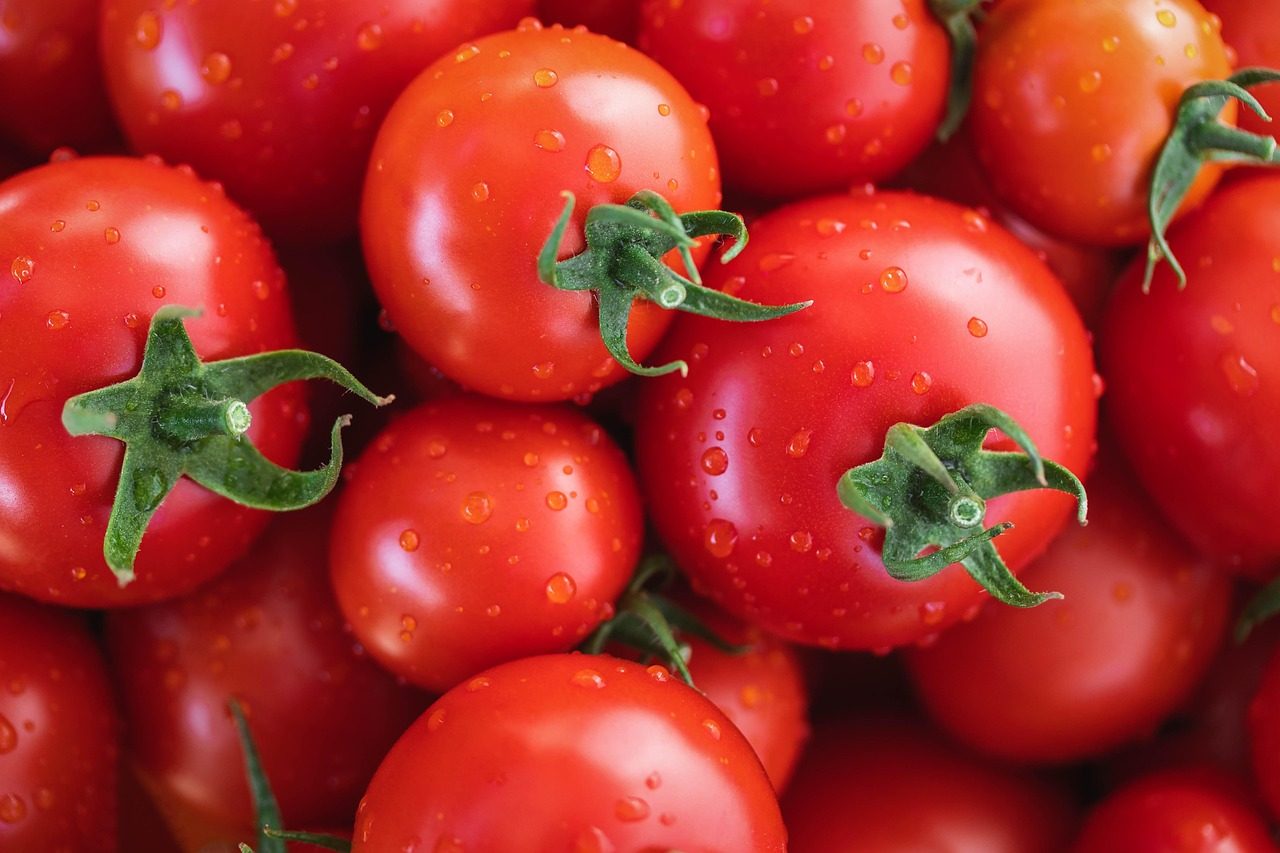
Fresh tomatoes have a short shelf life, and when you end up with more than you can use — whether from your garden, a farmers’ market haul, or a sale at the grocery store — the freezer is your best friend. Freezing chopped tomatoes is one of the smartest food storage moves you can make, letting you hold onto peak-season flavor for months without any canning equipment.
Whether you grow your own or just hate watching produce go to waste, this guide walks you through everything: how freezing affects texture and taste, the right way to prep and store them, how long they keep, and the best dishes to make once they come out of the freezer.
Can You Freeze Chopped Tomatoes?
Tomatoes may be frozen raw or cooked, whole, sliced, chopped, or puréed — so yes, chopped tomatoes freeze perfectly well. In fact, chopping before freezing is often the smarter move compared to freezing them whole.
Chopping whole tomatoes before freezing is generally the best practice to save freezer space and ensure they are ready for use in your recipes without defrosting. Even if you need to defrost the tomatoes, they will thaw much quicker when frozen chopped instead of whole.
Tomatoes do not need to be blanched before freezing. That said, blanching does have benefits for longer storage — more on that in the how-to section below. The key thing to know upfront is that freezing is a great way to preserve ripe garden tomatoes for use in cooked recipes throughout the year.
Pro Tip: Freeze chopped tomatoes in recipe-sized portions — roughly 1 to 2 cups per bag — so you can grab exactly what you need without thawing a large batch.
Does Freezing Change the Texture or Taste of Chopped Tomatoes?
This is the most important thing to understand before you freeze tomatoes: the texture will change, and that is completely normal. Tomatoes have a high water content, which affects how they freeze and their texture once they are thawed. The texture of a thawed tomato is never quite the same as a fresh tomato, so it’s good to keep this in mind and use your frozen tomatoes in recipes and dishes where the difference in texture will not affect the outcome of the dish, such as stews and pasta sauces.
Tomatoes contain a large amount of water. Freezing changes their texture, causing them to soften once thawed. This is completely normal and makes them ideal for cooked recipes.
The good news is that flavor holds up well. While the texture changes after freezing, the flavor remains excellent. Frozen tomatoes are a great substitute for fresh tomatoes in sauces, soups, chili, and stews. Think of frozen chopped tomatoes the same way you’d think of canned diced tomatoes — they’re a cooked-dish ingredient, not a fresh-eating one.
One more note on seasoning: season tomatoes right before serving rather than before freezing. Freezing may cause seasonings such as garlic, onion, and herbs to either strengthen or weaken. It’s best to add those flavor layers when you’re actually cooking the dish.
How to Freeze Chopped Tomatoes the Right Way
The process is straightforward, but a few steps make a real difference in quality. Start with the right tomatoes: choose tomatoes that are fully ripe and slightly soft to the touch, but avoid tomatoes that are overly soft, mushy, or showing signs of spoilage. Paste varieties like Roma and San Marzano work especially well because Roma tomatoes (also called plum tomatoes) have the most pulp, making them more freezer-friendly.
Here is a step-by-step method for freezing chopped tomatoes:
- Wash and dry. Gently rub tomatoes under cold running water and then dry with a paper towel or a clean cloth.
- Core and trim. Cut away the stem scar and surrounding area and discard it. Cut out any bruised or discolored spots.
- Optional: Blanch and peel. Prepare a large pan of boiling water and drop the tomatoes in for a minute or two, depending on size. Remove with a slotted spoon, cool in a bowl of ice water, and the skins should slip cleanly off. Then chop the tomatoes, discarding seeds in the process. Skipping this step is fine for most uses — the skins will soften during cooking anyway.
- Chop to your preferred size. Dice them to whatever size you typically use in recipes. Uniform pieces freeze and thaw more evenly.
- Flash freeze (recommended). Spread the chopped tomatoes in a single layer on a parchment-lined baking sheet and freeze for a few hours. This keeps pieces from clumping together in the bag.
- Pack and seal. Fill a freezer bag with tomatoes, squeeze out any excess air, and spread the tomatoes flat to fill the bag so that it freezes flat. This makes them easier to stack in the freezer and they also thaw out much faster.
- Label. Label the bag or container with the contents, date, and weight of tomatoes and freeze.
Pro Tip: If you want a product that performs more like canned diced tomatoes, bring the quartered tomatoes to a boil in a large nonreactive saucepan, reduce the heat and simmer 5 minutes, stirring occasionally, then transfer to airtight containers, leaving at least 1 inch of headspace to allow for expansion. Cool to room temperature, uncovered, then cover and freeze.
Also keep in mind: do not freeze acidic foods such as tomato sauce in aluminum foil or in aluminum containers because aluminum can dissolve and taint the food. Stick to freezer-safe plastic bags, glass containers, or BPA-free plastic containers.
If you enjoy growing your own produce, check out this guide on plants to grow with tomatoes to make the most of your garden space.
How Long Can You Freeze Chopped Tomatoes?
Frozen tomatoes maintain their best quality for about 6 months and can be stored for up to 12 months. The University of Nebraska–Lincoln’s food safety program also notes that the temperature of the freezer should be kept at 0 degrees Fahrenheit or below to ensure safe, long-term storage.
There is a meaningful difference between “safe to eat” and “at peak quality.” While frozen tomatoes don’t technically go bad in the sense of becoming unsafe indefinitely if stored properly, their quality does degrade over time. To enjoy the best flavor and texture, aim to use your frozen tomatoes within 8 to 12 months.
| Preparation Method | Recommended Use-By Window | Maximum Storage |
|---|---|---|
| Raw chopped (unblanched) | 2–3 months | Up to 6 months |
| Blanched and chopped | 6 months | Up to 12 months |
| Cooked/simmered and frozen | 8–10 months | Up to 12 months |
Always label your bags with a date so you are not guessing later. Tomatoes that are frozen quickly and properly, such as individually flash-freezing them before storing them in a container, tend to retain their quality better and longer. Removing as much air as possible during the freezing process is key.
How to Thaw Frozen Chopped Tomatoes
One of the advantages of freezing chopped tomatoes over whole ones is that you often do not need to thaw them at all. For soups, stews, and sauces, frozen tomatoes can often be added directly to the pot without thawing. The heat of cooking does the work for you.
When you do need to thaw them, you have a few options:
- Refrigerator (best method): Transfer frozen tomatoes to the refrigerator overnight. This is the safest approach and preserves the most flavor.
- Cold water: Prepared (chopped) frozen tomatoes may need a little thawing to remove from their container. If so, stand in cold water for a short while.
- Microwave: You can thaw frozen tomatoes in the microwave, but this method requires careful attention to prevent overheating, which can lead to the formation of hot spots. Use the defrost setting and check frequently.
Pro Tip: If you do not want extra liquid, thaw tomatoes in a bowl and pour off some juice before adding to sauces. This helps prevent watery results in dishes like pasta sauce or chili.
Defrosted tomatoes won’t keep for long and should be used straight away. Do not thaw a batch and let it sit in the fridge for days — use it within 24 hours of thawing for best results.
Can You Refreeze Chopped Tomatoes After Thawing?
Refreezing thawed tomatoes is not a good idea, and most food safety experts advise against it. Refreezing thawed tomatoes is not recommended, as it can lead to a significant loss of quality and an increased risk of foodborne illness. When tomatoes are thawed, the cell walls begin to break down, and the enzymes that contribute to spoilage become active. Refreezing the tomatoes can cause the formation of ice crystals, which can further damage the cell walls and lead to a loss of texture and flavor.
According to McGill University’s Office for Science and Society , freezing does not kill bacteria, only prevents the microbes from multiplying. Thawed food will have some bacteria that can multiply at room temperature, meaning that if the food is refrozen, there will be an increase in bacterial count by the time it is thawed again.
There is one narrow exception: for best quality, avoid refreezing thawed tomatoes. If the tomatoes were thawed safely in the refrigerator and have not been sitting at room temperature for an extended period, they can technically be refrozen, but the texture will deteriorate further. The better solution is to freeze in small, recipe-ready portions so you only thaw what you need.
How to Use Frozen Chopped Tomatoes (Best Uses After Freezing)
Frozen tomatoes are best used in cooked foods such as soups, sauces, and stews as they become mushy when they’re thawed. That softened texture is actually an asset in cooked applications — they break down quickly and blend seamlessly into dishes.
Here are the best ways to put your frozen chopped tomatoes to work:
- Pasta sauce and marinara: Add directly to a saucepan with olive oil, garlic, and herbs. The tomatoes break down as they cook.
- Soups and stews: Drop them in frozen — no prep needed. They thaw and cook in minutes.
- Chili: Frozen tomatoes work best in tomato sauce, soup, chili, stews, and other cooked dishes.
- Shakshuka: A classic American breakfast dish that welcomes the soft, saucy texture of thawed chopped tomatoes.
- Braised meats and one-pot dishes: Use in place of canned diced tomatoes in any braise or slow-cooker recipe.
- Homemade salsa (cooked): Works well for cooked or roasted salsa — just not fresh pico de gallo, where texture matters.
Because freezing and thawing tomatoes affects their texture, using them raw is not recommended. Skip the fresh salads, bruschetta, and caprese — save those for fresh tomatoes only.
Tomatoes are also nutritional powerhouses. If you are interested in how they fit into a broader healthy diet, take a look at these superfoods for a healthy heart and this guide to powerful nutrients and foods that fight cancer.
Signs That Frozen Chopped Tomatoes Have Gone Bad
Even in the freezer, tomatoes can degrade to the point where they are no longer worth using. Knowing what to look for helps you avoid wasting a dish — or worse, eating something that has gone off.
Watch for these warning signs:
- Off odor: A foul or unusual odor emanating from the frozen tomatoes is a clear warning sign of spoilage. Discard them immediately.
- Extreme discoloration: While some color change is normal during freezing, extreme discoloration, such as turning brown or black, could indicate degradation.
- Excessive ice crystals: A large accumulation of ice crystals inside the packaging might suggest that the tomatoes have been thawed and refrozen, compromising their quality and safety.
- Slimy texture after thawing: After thawing, if the tomatoes have a slimy or excessively mushy texture, it is best to err on the side of caution and discard them. Note that some softness is normal — sliminess is not.
- Severe freezer burn: Heavy gray or white patches with a dried-out appearance indicate that air has been in contact with the tomatoes for too long. The tomatoes are safe to eat but will taste flat and papery.
Important Note: When in doubt, throw it out. Food safety always takes priority over avoiding waste. Proper portioning and airtight packaging from the start is the best way to prevent spoilage before it happens.
Proper storage from the start is the best defense. Frozen tomatoes should be stored in airtight containers or freezer bags to prevent moisture and contamination. They should be labeled with the date and contents, and stored in the freezer at 0°F (−18°C) or below.
For more ideas on foods that support your health, explore this guide to foods that enhance liver function and this overview of whole plant-based foods.
Frequently Asked Questions
Do You Need to Blanch Chopped Tomatoes Before Freezing?
Tomatoes do not need to be blanched before freezing. However, blanching does extend shelf life and helps preserve color. According to the University of Minnesota Extension , blanching the vegetables before preserving improves food safety by killing bacteria that might be on the vegetables. If you plan to store your tomatoes for longer than a couple of months, blanching is worth the extra step.
Can You Freeze Store-Bought Chopped Tomatoes?
Yes. Fresh tomatoes from the grocery store can be chopped and frozen using the same method as garden tomatoes. Keep in mind that tomatoes from the grocery store are usually picked before they’re fully ripe and are bred for long-distance travel and lengthy shelf life, so the flavor may not be as vibrant as peak-season tomatoes. Freeze them at their ripest point for the best results.
Can You Freeze Canned Chopped Tomatoes?
Yes, but only after opening. Do not freeze canned tomatoes in the can itself. Transfer any unused canned chopped tomatoes to a freezer-safe bag or container, remove as much air as possible, label with the date, and freeze. Sauces and canned tomatoes can be transferred directly to freezer-safe bags or containers, with it being best to portion them before freezing if you have more to freeze than you would use in one recipe.
Can You Freeze Chopped Cherry Tomatoes?
Cherry tomatoes and grape tomatoes freeze great. Unlike larger tomatoes, there is no need to blanch, peel, or core them before freezing. Simply wash and dry the tomatoes, then spread them in a single layer on a baking sheet and freeze for about 30 minutes. You can chop or halve them before freezing if you prefer smaller pieces for cooking.
How Do You Prevent Freezer Burn on Chopped Tomatoes?
Freezer bags are a viable choice, especially if you are short on space. Opt for heavy-duty freezer bags and remove as much air as possible before sealing them. A vacuum sealer is the most effective tool for preventing freezer burn, but the straw-suction method works well as a free alternative — just insert a straw, seal the bag most of the way, suck out the air, and seal the rest quickly.
Are Frozen Chopped Tomatoes as Good as Canned?
For most cooked applications, frozen chopped tomatoes are comparable to — and often better than — canned. Frozen tomatoes are a great substitute for canned tomatoes. They contain no added salt, no preservatives, and no BPA from can linings. The main trade-off is convenience: canned tomatoes require no freezer space and no thawing. For everyday cooking, both work well — it simply depends on what you have on hand.
For more food storage ideas and healthy eating inspiration, explore this guide to foods for healthy skin, learn about fibroid healing foods, or browse the benefits of eating seafood.