Can You Freeze Frosted Cupcakes? (The Right Way to Do It)

November 1, 2026
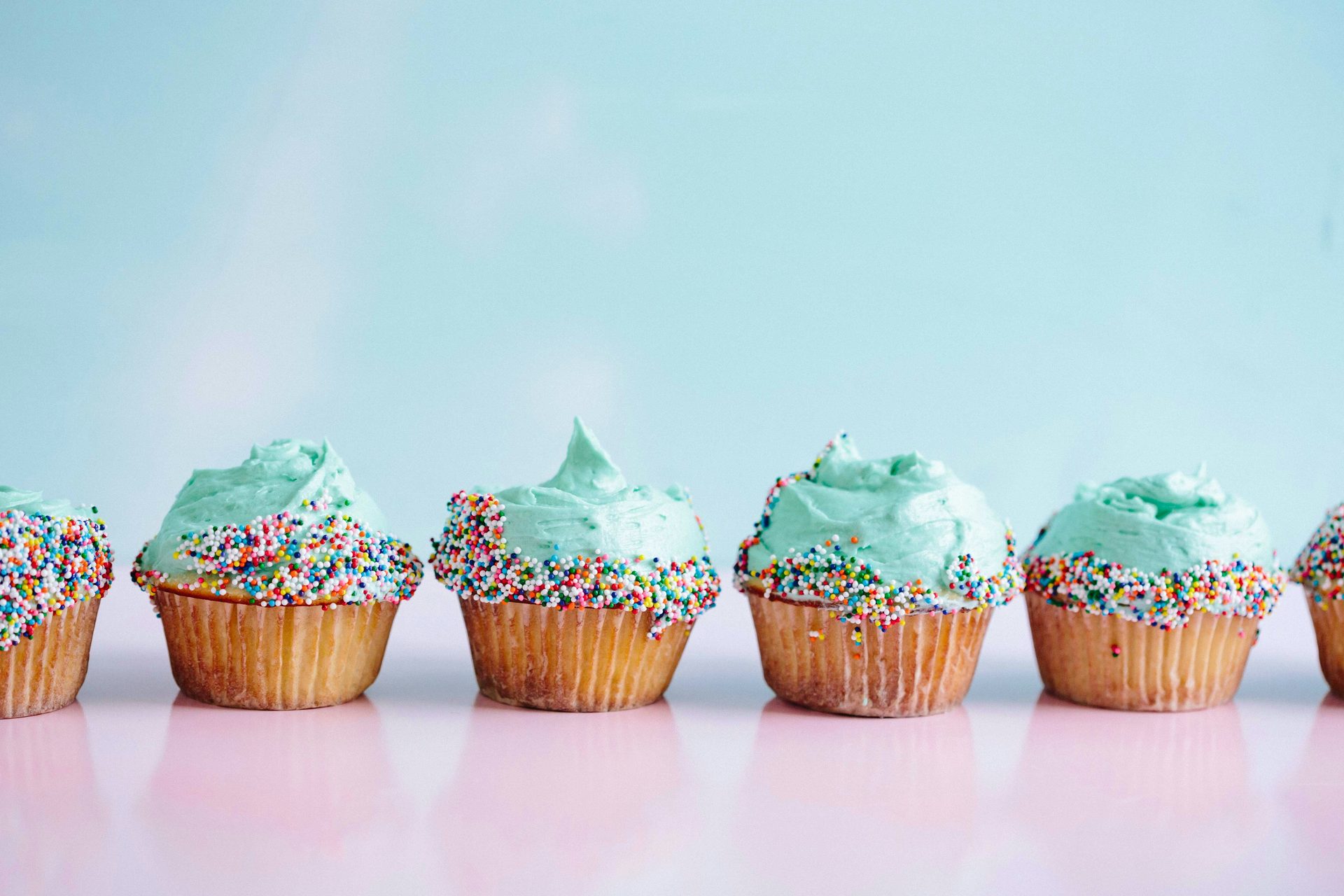
Frosted cupcakes are one of those baked goods that seem too delicate to freeze — but the good news is that you absolutely can freeze them. Whether you baked a double batch for a birthday party, have leftovers from a celebration, or just want to get ahead on your holiday baking, the freezer is a practical and reliable option.
The catch is that frosted cupcakes require a bit more care than their unfrosted counterparts. Toss them in the freezer without the right prep and you risk smashed swirls, soggy cake, and frosting that weeps when it thaws. Follow the right steps, though, and you can pull them out weeks later tasting nearly as good as the day you made them.
This guide walks you through everything you need to know — from the pre-freeze steps that protect your frosting to the best thawing method, how long they’ll keep, and the warning signs that a frozen cupcake has gone bad.
Can You Freeze Frosted Cupcakes?
Yes — you can freeze your cupcakes even if they are already frosted, and keep them tasty for later. This is great for preparing cupcakes ahead of time or saving leftovers instead of letting them go stale. The process works for both homemade and store-bought frosted cupcakes.
While both frosted and unfrosted options work, freezing unfrosted cupcakes is generally easier. If you want to freeze them frosted, there are a few things you need to be aware of. Most bakers agree that if you have the choice, freezing the cake and frosting separately gives you the best final result — but if your cupcakes are already decorated, freezing them whole is completely doable.
Success depends on the frosting type. Buttercream and ganache freeze well, while whipped cream and meringue-based frostings are not recommended for freezing. American buttercream, in particular, holds up the best of all the common frosting styles.
Pro Tip: If you’re planning ahead for an event, freeze your cupcakes unfrosted and add fresh frosting after thawing. You get the convenience of a head start without any compromise to the frosting’s texture or appearance.
Does Freezing Change the Texture or Taste of Frosted Cupcakes?
One of the main concerns with freezing cupcakes is that their texture can change. Moisture loss during freezing can make cupcakes dry and crumbly, while ice crystals can form and cause a soggy texture when thawed. This can be especially problematic for frosted cupcakes, which may lose some structure.
Frozen cupcakes may taste slightly different than fresh ones, but that depends on a number of factors. The type of cupcake and recipe, how it was wrapped, and the length of freeze time can all affect the taste. For the best results, enjoy them as soon as possible and try not to freeze past three months.
The frosting itself is also affected. Freezing does affect frosted cupcakes — the frosting can dry out and harden because the freezing process takes moisture away from it. Frosting made with whipped cream will become hard, and the frosting texture may change as it thaws.
That said, the damage is largely preventable. Cupcakes can taste the same if they’re wrapped tightly and thawed correctly. Freezing doesn’t damage cupcakes on its own — air does. When cupcakes are sealed well, moisture stays locked in. Most flavor issues come from loose wrapping or unwrapping too early during thawing.
How to Freeze Frosted Cupcakes the Right Way
Proper technique makes all the difference between a cupcake that comes out of the freezer tasting fresh and one that ends up dry, smashed, or absorbing the smell of last week’s leftovers. Follow these steps closely.
Step 1: Cool Completely Before Freezing
For best results, remove just-out-of-the-oven cupcakes to a wire cooling rack and let them cool, uncovered, for at least one hour. Cupcakes should be completely cool to the touch before you put them away. Freezing warm cupcakes creates condensation inside the wrapping, which leads to freezer burn and a soggy texture. The moisture from warm cupcakes turns to ice crystals that damage the cake’s structure.
Step 2: Pre-Freeze the Frosting Uncovered
First, freeze the cupcakes uncovered on a baking sheet for about an hour — this firms up the frosting, preventing it from getting squished in storage. Once the frosting is solid, you can wrap them and store them in airtight containers.
Place frosted cupcakes on a baking sheet or tray, making sure they don’t touch each other. Freeze for one to two hours until the frosting feels firm to the touch. This pre-freezing step is essential because it prevents the frosting from sticking to the wrapping material.
Step 3: Wrap Each Cupcake Individually
When the frosting has completely frozen, remove the cupcakes from the freezer and quickly wrap each one in plastic wrap. The frozen frosting should hold its shape. This individual wrapping does a lot to preserve freshness and taste — and it keeps freezer flavors away.
Step 4: Store in an Airtight Container
Place individually wrapped cupcakes in a sturdy, airtight container and store in the freezer for up to three months. Using a glass or plastic container rather than a plastic bag protects the frosting a bit more and helps the icing hold its shape.
Place your cupcakes in the back of the freezer if they will be stored for more than a day or two. Every time you open your freezer the temperature rises slightly, which can cause ice crystals to form on your cupcakes.
Pro Tip: Make sure there are no bad odors in your freezer before storing cupcakes. Cupcakes will soak up any odors in your freezer, so eliminate them before proceeding. A box of baking soda placed in the freezer helps neutralize odors between baking sessions.
Frosting Type Comparison
| Frosting Type | Freezes Well? | Notes |
|---|---|---|
| American Buttercream | Yes | Best option for freezing; holds shape and flavor well |
| Cream Cheese Frosting | Yes, with care | Freeze in single layers; do not stack if soft or runny |
| Ganache | Yes | Freezes well; may need slight warming to restore gloss |
| Swiss Meringue Buttercream | Separately only | Freeze frosting apart from cupcakes; rewhip before using |
| Whipped Cream Frosting | No | Becomes hard and grainy; best added fresh after thawing |
How Long Can You Freeze Frosted Cupcakes?
Frozen buttercream frosted cupcakes are best consumed within two to three months for optimal flavor and texture. Quality may decline after this time. This timeline applies to most standard frosted cupcakes stored using the method above.
Baked cupcakes can last up to three months in the freezer if stored properly in airtight containers or freezer bags. It’s best to consume them within the first month for the best quality.
Label each container with the date and flavor for easy identification. For optimal quality, use frozen cupcakes within one to three months. While they remain safe to eat beyond this timeframe, quality begins to decline after three months. The texture may become slightly more dense, and flavors can start to fade.
Think of it this way: freezing cupcakes is like pressing pause, not stop. Early on, they taste just like the day you baked them. As more time passes, flavors can dull and texture may slowly change — not suddenly, but quietly.
How to Thaw Frozen Frosted Cupcakes
Thawing is just as important as freezing. Rush the process and you risk condensation soaking into the cake, making the liners peel away and the frosting turn sticky or weepy.
The best method is to thaw in the refrigerator overnight, which is ideal for maintaining a soft and moist texture. Frosted cupcakes require a bit more care. Transfer them straight from the freezer to the fridge. Thawing them overnight ensures the frosting stays intact. Once thawed, let them sit at room temperature for about 15 minutes before serving so the frosting regains its creamy texture.
If you’re thawing at room temperature instead, keep the wrapping on. Defrost your cupcakes while wrapped — this keeps condensation forming on the outside of the package, not on the cupcakes themselves. If you allow condensation to build on the actual cupcake, it could cause the liners to pull away from the cupcake, or the icing may not stick properly.
For frosted cupcakes, step away from the microwave. The frosting will melt before you can do anything about it. Room temperature thawing typically takes one to two hours for standard-sized cupcakes.
Important Note: Some sprinkles can bleed color as moisture forms during thawing. Thawing covered in the fridge helps minimize this. If your cupcakes have colorful sprinkle decorations, the fridge thaw method is strongly preferred.
Can You Refreeze Frosted Cupcakes After Thawing?
Refreezing is technically possible, but it’s not a good idea. Repeated freezing and thawing cycles compromise the quality of the frosting, leading to a grainy, icy texture and altered flavor. The solution is to only freeze freshly frosted cupcakes to maintain the best possible quality.
Refreezing is not recommended. It affects the texture significantly, often resulting in dry, crumbly cupcakes that lack their original appeal.
The smarter move is to freeze cupcakes in small, portioned batches so you only thaw what you need. Make sure they are packaged airtight, because air and moisture can cause freezer burn. Freeze them in small portions so you can always take out just a few frozen cupcakes to enjoy. This way, you never have to refreeze a partially used batch.
How to Use Frozen Frosted Cupcakes (Best Uses After Freezing)
Once thawed, frosted cupcakes are ready to serve as-is in most cases. But there are a few smart ways to make the most of them — especially if the frosting needs a little touch-up after its time in the freezer.
- Party prep: Freeze a batch up to two months ahead of a birthday, baby shower, or holiday gathering. Thaw overnight in the fridge the night before the event and set out 15–20 minutes before serving.
- Touch up the frosting: Remove the plastic wrap and defrost at room temperature for at least one hour, then gently push frosting back into place if needed using a knife or spatula.
- Crumble for dessert cups: If the texture softened slightly after thawing, crumbled cupcake works beautifully layered with whipped cream and fresh berries in a dessert cup — no one will know the difference.
- Cake pops base: Cupcakes that lost some structural integrity after freezing and thawing are ideal for mixing with frosting to form cake pop dough.
- Lunchbox treats: Individually wrapped frozen cupcakes can go straight from the freezer into a lunchbox in the morning — they’ll be thawed and ready to eat by noon.
For more ideas on planning ahead with food, the whole plant-based foods guide on Homequirer covers smart prep and storage strategies for a wide range of ingredients.
Signs That Frozen Frosted Cupcakes Have Gone Bad
Even in the freezer, cupcakes don’t last forever. Here’s what to look for before you serve a batch that’s been stored for a while.
- Freezer burn patches: White or grayish dry spots on the frosting or cake surface are a sign of freezer burn caused by air exposure. The cupcake is still safe to eat, but the texture and flavor in those areas will be noticeably off.
- Off odors: Cupcakes stored in the freezer beyond two months will begin to rapidly lose their moisture content and much of their flavor, leaving you with a very disappointing treat. If a cupcake smells like the freezer rather than like cake, it’s absorbed surrounding odors and is best discarded.
- Discolored or weeping frosting: Frosting, sprinkles, and other decorations can become discolored or damaged during freezing, resulting in an unappealing appearance. Some discoloration is cosmetic, but frosting that weeps liquid or smells sour should be thrown out.
- Soggy or gummy cake texture: Ice crystals can form and cause a soggy texture when thawed. A slightly denser crumb is normal, but a gummy or wet interior that doesn’t improve after full thawing indicates the cupcake wasn’t stored properly.
- Mold: If you notice any mold — even a small spot — discard the entire batch. Mold spreads quickly through baked goods and is not safe to eat around.
The general rule: for the best results, enjoy frozen cupcakes as soon as possible and try not to freeze past three months. While they’re still safe to eat, quality decreases the longer they are frozen.
If you’re interested in how food storage and nutrition intersect, check out this overview of superfoods for a healthy heart and this guide to foods for healthy skin on Homequirer.
Frequently Asked Questions
Can You Freeze Store-Bought Frosted Cupcakes?
Yes. The same method applies to store-bought frosted cupcakes. These methods work for most cupcakes: homemade recipes, store-bought, frosted, unfrosted, and filled cupcakes. Just make sure to pre-freeze the frosting uncovered before wrapping so it holds its shape.
Can You Freeze Cupcakes with Sprinkles?
You can freeze cupcakes with sprinkles. If you need to stack cupcakes in your storage container, place a sheet of wax or parchment paper between layers. This helps prevent the sprinkles and frosting from smudging or sticking to each other. Be aware that some sprinkles may bleed color during thawing, so thaw in the fridge to minimize this.
Can You Freeze Cupcakes with Cream Cheese Frosting?
Buttercream and cream cheese frosting freeze well, but avoid frostings with a high water content, as they may become runny or separate upon thawing. Cream cheese-frosted cupcakes are freezable, but don’t stack them if the frosting is runny or soft. Cream cheese-frosted cupcakes are best stored in single layers.
How Far in Advance Can You Freeze Frosted Cupcakes?
You can freeze frosted cupcakes up to three months in advance for the best quality. Frosted cupcakes freeze well for two to three months; their moist cake and creamy buttercream or cream cheese frosting stay fresh when wrapped tightly and thawed slowly. For an event, aim to bake and freeze no more than four to six weeks out for the freshest results.
Should You Freeze Cupcakes with or Without the Liner?
Keep the liner on during freezing. Removing it before freezing exposes more of the cake to air and increases the risk of freezer burn. The liner also helps the cupcake hold its shape during the pre-freeze step. If you allow condensation to build on the actual cupcake, it could cause the liners to pull away from the cupcake. Thaw with the liner intact and remove it just before serving if needed.
Can You Freeze Filled Cupcakes?
You can freeze cupcakes with filling depending on the type of filling you have used. Fruit fillings and cream cheese work best, but more delicate creams, ganaches, or caramels can crystallize and change in consistency. When in doubt, freeze the cupcake unfilled and add the filling after thawing.