Can You Freeze Lemons and Oranges? Everything You Need to Know

October 31, 2026
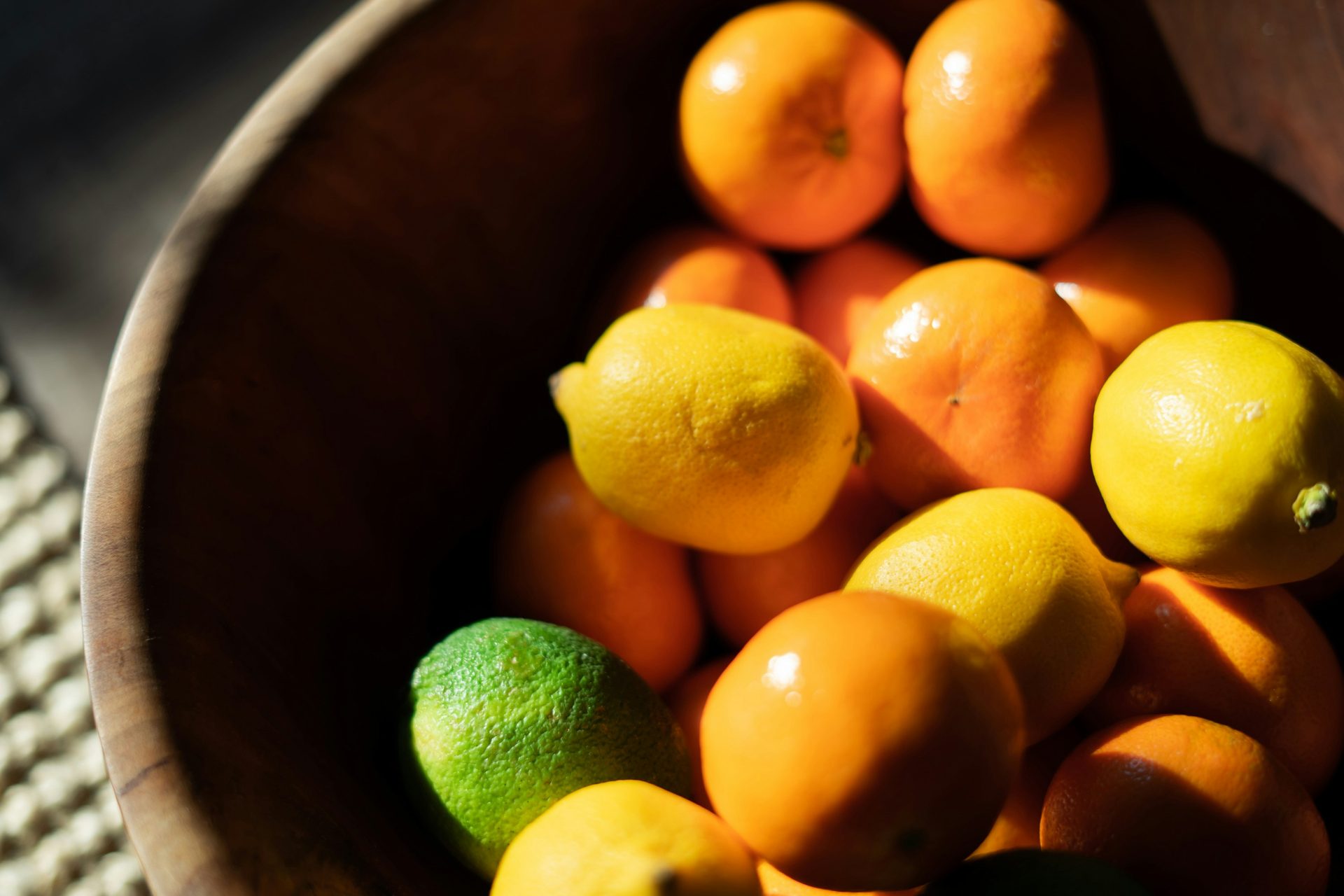
If you’ve ever bought a bag of lemons or a net of navel oranges and watched half of them shrivel in the fridge before you got to them, you already know the frustration. The good news: freezing citrus is not only possible — it’s one of the smartest food storage moves you can make.
Whether you want to stock up when citrus is cheap at your local grocery store, save leftovers from a recipe, or simply stop wasting fruit, the freezer is your friend. This guide covers everything from how freezing affects your lemons and oranges to the best methods, shelf life, thawing tips, and what to do with frozen citrus once it’s ready to use.
Can You Freeze Lemons and Oranges?
Yes, you can freeze oranges, lemons, limes, and grapefruits to save money and reduce waste. Both fruits freeze well in multiple forms — whole, halved, sliced, segmented, juiced, or zested — so you have flexibility depending on how you plan to use them later.
There are a few different ways you can freeze lemons, oranges, and other citrus fruits. No one way is right or wrong, and each method has its own pros and cons. The key is matching your freezing method to your intended use. If you plan to juice the fruit later, freezing whole works great. If you want to drop slices into drinks or use them in baked dishes, pre-slicing before freezing is a smarter move.
Lemons, limes, grapefruits, and oranges can all be stored and kept fresh in the fridge for up to two weeks. Once that window is closing, the freezer extends your options significantly — and you won’t lose much in the way of flavor.
Pro Tip: If you spot lemons or oranges on sale at your supermarket, buy extra and freeze them right away. You’ll always have citrus on hand for cooking, baking, and drinks without paying peak prices.
Does Freezing Change the Texture or Taste of Lemons and Oranges?
Freezing citrus doesn’t destroy flavor — it changes structure. Citrus fruits are made up of tiny, water-filled cells. When those cells freeze, the water inside them expands into ice crystals. Those crystals rupture the cell walls, which is why thawed citrus feels softer and releases more juice.
The trade-off is texture: once frozen and thawed, citrus becomes soft. Because of that, the best freezing method depends on how you plan to use the fruit. Thawed lemons and oranges are too soft to serve fresh as garnishes or eat out of hand, but they work perfectly for juicing, cooking, and baking.
In other words, freezing doesn’t ruin citrus — it simply changes how it behaves after thawing. This is why freezing whole fruit or slices works best when your end goal is juicing, blending, or cooking, while zest and juice can be frozen with almost no downside.
On the flavor side, the longer fruit stays frozen, the more likely it is to lose subtle flavor notes. That’s why using frozen citrus within three to six months gives you the best results — more on that in the shelf life section below.
How to Freeze Lemons and Oranges the Right Way
You have several solid options, and the right one depends on how you’ll use the fruit. Here’s a breakdown of each method.
Freezing Whole
Freezing lemons and other citrus fruits whole is the easiest and most straightforward method. Simply put the whole citrus fruit in a freezer-safe container, remove as much air as possible, and freeze for up to 6 months.
When you freeze lemons whole, it actually makes it easier to zest, and the freezing process breaks down some of the proteins in the citrus making them super juicy when they thaw. Just wash and dry the fruit thoroughly before freezing to remove any wax or residue from the skin.
Always zest before you thaw, because once the fruit is soft post-thawing, zesting can be difficult. So if you need both zest and juice from a frozen lemon or orange, zest it while it’s still solid, then thaw it for juicing.
Freezing Slices or Wedges
Pre-slicing is ideal when you want citrus ready to drop into drinks, use in sheet-pan dinners, or add to baked goods. Cut lemons into slices or wedges and place them on a baking sheet lined with parchment paper. You can even freeze the lemon peel. Place the entire baking sheet in the freezer and freeze for at least one hour.
Remove the pan from the freezer and place the frozen pieces in a food-safe freezer bag, removing as much air as possible before sealing. This flash-freeze method prevents the slices from clumping together, so you can grab just what you need later.
Freezing Juice in Ice Cube Trays
Juice the fruit like you normally would and freeze the juice in an ice cube tray. Most ice cube trays hold either 1 tablespoon or 2 tablespoons per cube, so measure before you freeze so you know later how much each cube is. When the tray is frozen, move the cubes to a freezer-safe container and label it.
This method is especially convenient for cooking and baking — you can pull out exactly one or two cubes rather than thawing an entire piece of fruit. Frozen juice will last 8 to 12 months and can be thawed at room temperature.
Freezing Zest
To freeze citrus zest, place small amounts on a plate or tray in mounds. Freeze for several hours, then transfer to small freezer bags for up to 6 months. You do not need to thaw zest before use.
If you think you might want zest later, take it before freezing, even if you’re not sure how you’ll use it yet. Frozen zest keeps far better than frozen peel and gives you maximum flexibility.
Freezing Orange Segments in Syrup
For oranges specifically, syrup packing is worth considering if you want the segments to hold together after thawing. Citrus segments are frozen fully submerged in a light sugar syrup. The syrup helps protect the fruit’s structure during freezing, reducing moisture loss and limiting cell damage. This method takes more effort but produces better results when you want citrus pieces to stay intact after thawing.
Create a light syrup by dissolving 1 cup of sugar in 4 cups of water, stir until dissolved, and let it cool completely before submerging your peeled orange segments. Pack them into freezer-safe containers and freeze immediately.
Pro Tip: Use a vacuum sealer if you have one — it removes more air than squeezing a zipper bag by hand, which means less freezer burn and better flavor over time.
How Long Can You Freeze Lemons and Oranges?
Shelf life varies by form, but here’s a quick reference for how long each method holds up at its best quality:
| Form | Recommended Freezer Life | Notes |
|---|---|---|
| Whole fruit | Up to 6 months | Best for juicing and zesting after thawing |
| Slices or wedges | 2–3 months (optimal); up to 6 months | May dry out past 3 months |
| Juice cubes | 8–12 months | Most freezer-stable form |
| Zest | Up to 6 months | Use directly from frozen; no thawing needed |
| Segments in syrup | Up to 6 months | Thaw in fridge; drain before serving |
Aim to use frozen citrus within 2 to 3 months of freezing. After that, the whole citrus, halves, and wedges tend to dry out and don’t taste as good. The juice cubes do seem to hold up a little better.
Food kept frozen continuously at 0°F will always be safe, but quality degrades over time. So while frozen citrus won’t make you sick if it’s been in there longer, the flavor and texture will suffer. Label your bags with the date so you always know what you’re working with.
Citrus is also a good source of vitamin C and other beneficial nutrients, which is part of why it appears on lists of superfoods for a healthy heart and foods with powerful cancer-fighting nutrients. Freezing preserves most of that nutritional value, making it a practical way to keep these benefits available year-round.
How to Thaw Frozen Lemons and Oranges
How you thaw your citrus depends on what form it’s in and what you’re making. Here are the most reliable methods:
- Microwave: Heat for 15 to 20 seconds for quick defrosting. This works well for whole fruit or halves when you need juice fast.
- Warm water: You can thaw the fruit quickly with a brief 15 to 20 seconds in the microwave, or by running under warm water for a few seconds.
- Room temperature: Soak lemons in room-temperature water for 10 to 15 minutes to gradually bring them back to their natural texture.
- Refrigerator overnight: Thaw whole citrus slowly in the refrigerator until the fruit is soft. This is the gentlest method and works best when you’re not in a rush.
- Zest: Do not thaw the zest. Use it directly from the freezer in baking or cooking.
- Juice cubes: Drop them directly into whatever you’re cooking, drinking, or blending — no thawing required.
To use frozen whole fruit, remove it from the freezer bag and zest the fruit while frozen solid. Once zested, thaw the fruit by microwaving for 15 to 20 seconds or running it under warm water. Once thawed, slice in half and squeeze the juice as usual. The juice should flow from the citrus quite easily.
Important Note: Once thawed, use your lemons or oranges promptly. Don’t let thawed citrus sit at room temperature for extended periods — move it to the fridge and use it within a day or two.
Can You Refreeze Lemons and Oranges After Thawing?
Technically, yes — but it’s not a great idea. Each freeze-thaw cycle pulls out moisture and kills the flavor. Refreezing is safe, but quality drops fast.
The practical workaround is to portion your citrus before the first freeze. Freeze slices in individual layers, juice in single-serving ice cube portions, and zest in small pinches. That way, you only thaw what you actually need and never have to refreeze.
If you do find yourself with leftover thawed citrus juice, the better move is to use it up in a recipe rather than sending it back to the freezer. It’s a good excuse to make a quick marinade, salad dressing, or a glass of lemon water. Citrus juice also pairs well in recipes that support liver function and healthy skin, so there’s no shortage of ways to put it to use.
How to Use Frozen Lemons and Oranges (Best Uses After Freezing)
If you plan for juice, cooking, baking, or blending, frozen citrus performs beautifully. If you plan for fresh slices, it will disappoint — and that’s not a failure of the method. The key is putting frozen citrus in situations where softness doesn’t matter or is even an advantage.
Here are the best ways to use frozen lemons and oranges:
- Juicing: Thawed citrus releases juice more readily than fresh fruit, making squeezing easier and more efficient.
- Baking: Baking uses like lemon or lime bars, lemon cookies, lemon or lime pound cakes or loaf cakes, muffins, cheesecakes, pies, cakes, donuts, and tarts all work great with frozen citrus.
- Cooking: You can use defrosted lemons in any dish that’s cooked on the stove or baked in the oven. Lemons become soft and squishy after heat treatment anyway, so it doesn’t matter if they were soft before.
- Drinks and cocktails: Frozen slices work well dropped directly into water, iced tea, or cocktails. Frozen lime slices and juice cubes are especially useful for cocktails — the slices work well in drinks, and the juice cubes are convenient for margaritas, gimlets, and other citrus-based cocktails.
- Smoothies and blending: Add frozen citrus segments or juice cubes directly to your blender without thawing.
- Marinades and sauces: Thawed lemon or orange juice adds brightness to chicken, fish, and pan sauces.
- Zesting for baked goods: Frozen zest goes directly into batters, doughs, and frostings with no prep needed.
Frozen citrus also pairs well with whole plant-based foods in smoothies and grain bowls, and it’s a natural fit for recipes that highlight anti-inflammatory ingredients.
Signs That Frozen Lemons and Oranges Have Gone Bad
Frozen citrus won’t spoil in the traditional sense as long as it stays continuously frozen, but it can degrade in quality to the point where it’s not worth using. Here’s what to look for:
- Off smell: Frozen citrus should still smell clean and citrusy. Discard if the zest smells flat or musty, or if the juice has absorbed off-odors.
- Dramatic color change: Discard if the color has dulled dramatically or changed significantly.
- Freezer burn: Freezer burn isn’t about cold — it’s about exposure to air. White or grayish dry patches on the surface of the fruit indicate freezer burn. The fruit is still safe but will taste noticeably worse.
- Mold or sliminess after thawing: Discoloration, mushiness, sliminess, mold, or shriveling are clear indicators that lemons have gone bad and should be discarded.
- Very watery or diluted flavor: Syrup-packed fruit that tastes very diluted or watery has likely lost too much quality.
When in doubt, trust your nose. Fresh citrus has a bright, sharp scent. If that’s gone, the fruit has passed its useful point — and it’s better to compost it than use it in a dish where it’ll fall flat.
Frequently Asked Questions
Can You Freeze Lemon or Orange Zest Separately?
Yes, and it’s one of the most practical things you can do with extra citrus. If you choose to freeze just the juice from citrus, zest them first and freeze the zest to add to baked goods. Simply freeze citrus zest in plastic bags and grab a pinch or a tablespoon whenever you need it. No thawing required — it goes straight from the freezer into your recipe.
Do Frozen Lemons and Oranges Lose Their Vitamin C?
Freezing citrus fruit is an effective way to preserve its freshness, flavor, and nutritional value. Some minor nutrient degradation can occur over long storage periods, but freezing is far better than letting the fruit sit until it’s overripe and loses nutrients naturally. For the best nutritional retention, use frozen citrus within three to four months.
Can You Freeze Store-Bought Orange Juice?
Yes. Pour it into an ice cube tray or a freezer-safe container, leaving about an inch of headspace to allow for expansion. Fill freezer-safe containers three-quarters full to allow for expansion. Once frozen solid, transfer juice cubes to a labeled bag. Use within eight to twelve months for best flavor.
Is It Better to Freeze Lemons Whole or Sliced?
It depends on how you’ll use them. Freezing the fruit whole makes it easier to zest, and the freezing process makes lemons super juicy when they thaw. If you typically use citrus fruit for the zest and juice, freezing the fruit whole might be a good option for you. If you need slices for drinks or baking, pre-slice before freezing so they’re ready to grab without any extra prep.
Can You Freeze Mandarin Oranges or Clementines?
Yes. Peel them, separate into segments, and flash-freeze on a parchment-lined tray before transferring to a freezer bag. If you like to have orange segments in your winter salads, cut the orange into segments, place them in a single layer on a baking sheet lined with parchment paper, and flash freeze for an hour, then remove to a freezer-safe container. The syrup-pack method also works well for mandarins and clementines if you want better texture after thawing.
What’s the Best Way to Prevent Freezer Burn on Citrus?
Remove as much air as possible from your storage bags before sealing. Use airtight containers, label with dates, and freeze quickly to prevent freezer burn and maintain quality. A vacuum sealer offers the most protection, but pressing the air out of a heavy-duty zipper bag by hand works well for most home cooks. Avoid storing citrus near strong-smelling foods like onions or fish, as citrus can absorb odors through the bag over time.