Can You Freeze Leftover Alfredo Sauce from a Jar? (Yes — Here’s How)

October 31, 2026
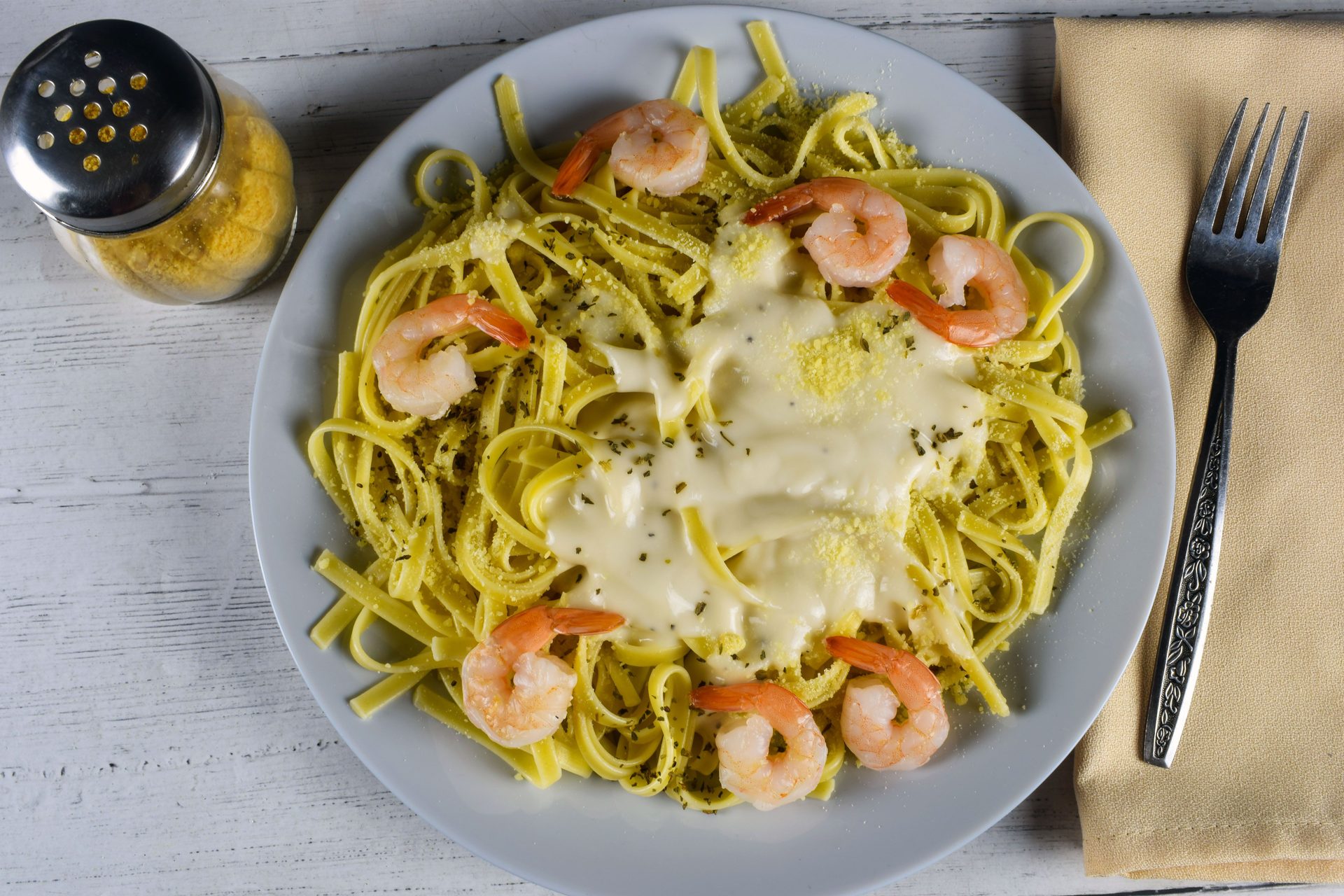
You opened a jar of alfredo sauce for a quick weeknight pasta dinner, and now half the jar is sitting in your fridge with no clear plan. Sound familiar? The good news is that you do not have to throw it out.
Freezing leftover alfredo sauce from a jar is absolutely possible, but there are a few things worth knowing before you toss it in the freezer. Cream-based sauces behave differently than tomato sauces when frozen, and jarred alfredo has its own quirks. This guide walks you through everything — from proper storage to the best ways to use it once it’s thawed.
Can You Freeze Alfredo Sauce from a Jar?
Yes, you can freeze leftover alfredo sauce from a jar. Store-bought alfredo sauce is only something you need to freeze if you have opened it and have sauce remaining — unopened jars do not need to go in the freezer. Once that seal is broken, freezing is one of the best ways to extend its life.
Jarred alfredo uses stabilizers, so it holds texture slightly better than homemade after thawing. That gives store-bought sauce a small advantage in the freezer compared to a scratch-made version. Still, all cream-based sauces come with some caveats when frozen, so it helps to go in with realistic expectations.
Alfredo sauce freezes safely, but the cream-and-Parmesan emulsion breaks during freezing, so thawed sauce will look separated or slightly grainy — that is normal, not spoilage. With the right reheating technique, you can bring it back together into a smooth, usable sauce.
Pro Tip: If you know you will not use the rest of the jar within 3–5 days, transfer it to a freezer-safe container right away rather than letting it sit in the fridge until it goes bad.
Does Freezing Change the Texture or Taste of Alfredo Sauce?
Freezing does change the texture of alfredo sauce, and you should expect that going in. When anything cream-based is frozen, the fat and water within tend to separate during the thawing process. This is simply the nature of dairy emulsions under cold temperatures.
Once alfredo sauce freezes, the water and fat will separate, and the sauce might even turn yellowish. The discoloration is not an indicator of spoilage — it is a natural process as the fat separates and binds, which changes its color.
When stored in the freezer for too long, ice crystals can form in the leftover sauce, causing a grainy texture to result. This is why staying within the recommended freezer window matters so much. The flavor, on the other hand, holds up reasonably well. The sauce may taste slightly less rich after thawing, but it remains perfectly usable in cooked dishes where a little texture variation is less noticeable.
| What Changes | What Stays the Same | How to Fix It |
|---|---|---|
| Fat and water separate | Overall flavor profile | Whisk over low heat |
| Sauce may look yellowish | Savory, cheesy taste | Normal — not spoilage |
| Texture may turn grainy | Usability in baked dishes | Add a splash of cream while reheating |
How to Freeze Alfredo Sauce the Right Way
The steps below apply whether your sauce is straight from the jar or was briefly heated on the stove. Following them closely makes a real difference in how the sauce holds up over time.
- Cool it first. Let the sauce cool completely before freezing. This step is important because freezing hot or warm sauce can lead to the formation of ice crystals, which affect the texture.
- Do not use the original jar. The jar your sauce came in is usually not suitable for freezer storage. Transfer the sauce to a proper freezer-safe container.
- Choose the right container. Choose containers suitable for freezing that can withstand low temperatures without cracking. Mason jars or freezer-safe plastic containers with tight-fitting lids are excellent options. Heavy-duty freezer bags also work well and save space.
- Leave headspace. Leave some headspace to accommodate expansion during freezing. As liquids freeze, they expand, and without enough room, the containers may burst. Aim to leave about an inch of space at the top.
- Minimize air exposure. When freezing alfredo sauce, minimize exposure to air. Oxygen can hasten the degradation of flavors and lead to freezer burn, which negatively impacts the taste and texture of the sauce. Press out as much air as possible from freezer bags before sealing.
- Label and date everything. Always date and label your sauce containers. Proper labels avoid the need to toss out unlabeled mystery containers, and the date helps you track its lifespan.
- Freeze in portions. Divide the sauce into individual servings. This means you already have the perfect portion size, reduces the chances of wasting sauce, and means a quicker thaw time.
Pro Tip: Pour a thin layer of olive oil on the surface of the sauce before sealing the container. This oil barrier helps prevent oxidation and preserves the quality of the sauce.
How Long Can You Freeze Alfredo Sauce from a Jar?
You can freeze alfredo sauce for up to 2–3 months — expect some texture change after thawing. Most sources agree on this window as the sweet spot for both safety and quality. Using it sooner rather than later gives you the best results.
For context on how this compares to refrigerator storage: an unopened jar lasts up to 18 months in the pantry, but once opened or homemade, you should refrigerate in an airtight container and use within 3–5 days. Freezing bridges the gap when that 3–5 day fridge window is not going to work for your schedule.
| Storage Method | How Long It Lasts | Notes |
|---|---|---|
| Pantry (unopened jar) | Up to 18 months | Check the printed date on the label |
| Refrigerator (opened) | 3–5 days | Use an airtight container, not the original jar |
| Freezer | 2–3 months | Texture changes are normal after thawing |
How to Thaw Frozen Alfredo Sauce
Thawing alfredo sauce correctly is just as important as freezing it correctly. Rushing the process makes the separation problem worse and harder to fix when you reheat.
The best way to thaw alfredo sauce is to let it sit in the fridge overnight. Place the container in the fridge overnight and allow it to thaw slowly. By allowing your leftovers to thaw overnight, you can plan ahead for dinner the next day and not have to worry about keeping it on the stove for as long, as it will already be mostly thawed when you are ready to heat it.
Once thawed, reheat it gently. The best bet is using a double boiler and a whisk — the double boiler ensures gentle heating and the frequent whisking allows you to reincorporate the fat back into an emulsion. If you do not have a double boiler, a saucepan over low heat with constant stirring works too.
If the sauce appears to be on the watery side, simply make a slurry with some cornstarch and milk or heavy cream and stir it into the sauce. Incorporating additional cream or cheese during reheating can also enhance the creaminess and flavor of the sauce.
Pro Tip: Never thaw alfredo sauce on the counter at room temperature. Dairy-based sauces can enter the bacterial danger zone (above 40°F) quickly, which creates a food safety risk.
Can You Refreeze Alfredo Sauce After Thawing?
No — refreezing thawed alfredo sauce is not a good idea. Do not double-freeze your sauce. Defrosting alfredo sauce and refreezing it will cause the quality to decline.
Repeated freeze-thaw cycles break the emulsion completely and create a food safety risk. Once the fat and dairy proteins have already separated once, forcing them through another freeze-thaw cycle pushes the sauce well past the point of recovery.
The simplest way to avoid this situation is to freeze the sauce in single-use portions from the start. That way, you only thaw exactly what you need and never face the temptation to refreeze leftovers. For more guidance on smart food storage habits, check out this article on freezing shop-bought applesauce — the portioning tips apply to many jarred foods.
How to Use Frozen Alfredo Sauce (Best Uses After Freezing)
Thawed alfredo sauce works best in recipes where it gets cooked into a dish rather than served as a standalone drizzle. The slight texture change after freezing becomes nearly undetectable once the sauce is baked into a casserole or stirred into a soup.
- Pasta dishes. The classic use. The most obvious choice is fettuccine alfredo. Toss with freshly cooked pasta and a handful of Parmesan to freshen up the flavor.
- Baked casseroles. Add it to a casserole — baked pasta like ziti tastes great with alfredo. The oven heat helps reintegrate the sauce so texture issues disappear.
- White pizza sauce. Use it as a pizza sauce. Spread it over pizza dough before adding toppings for a rich, creamy base.
- Creamy soups. Create a creamy soup — alfredo sauce is very rich, so it makes creamy soups extra indulgent. Stir it into a chicken or vegetable broth base.
- Dip for breadsticks or veggies. Warm up the sauce and serve it as a dip for breadsticks, garlic bread, or fresh veggies.
- Potato gratin. Spoon thawed alfredo over sliced potatoes, top with shredded cheese, and bake until golden. The sauce absorbs beautifully into the layers.
If you enjoy experimenting with sauces and comfort food, you might also like exploring traditional Greek foods or classic German dishes — many of which feature rich, cream-based sauces similar in spirit to alfredo.
Signs That Frozen Alfredo Sauce Has Gone Bad
Not every jar of frozen alfredo sauce is worth saving. Knowing the difference between normal post-freeze separation and actual spoilage keeps you from eating something that could make you sick.
Cream-based sauces give clear signals when they have turned. If any of the following are present, discard the sauce — do not taste it to confirm.
- Sour or off smell. If it smells sour or just plain funky, it is time to toss it. Fresh alfredo has a mild, buttery, cheesy aroma. Anything sharp or fermented is a red flag.
- Visible mold. Any mold? Throw it out immediately. Do not try to scoop around it — dairy-based sauces allow mold to spread invisibly through the entire container.
- Unusual color. A pale yellow tint from fat separation is normal. If it is turning dark or yellow in an unusual way, it is time to say goodbye. Green, gray, or blue tints are a definite sign of mold.
- Curdled or slimy texture that does not fix with reheating. If it is separated or curdled and does not respond to reheating, it is no longer safe to eat.
- Past the 3-month mark. Before using frozen alfredo sauce, assess its freshness. If the sauce has been sitting for an extended period, it is best to consume it or discard it. Freezing cannot revive a sauce that has already gone bad.
Important Note: Normal post-freeze separation — where the sauce looks watery or slightly grainy — is not spoilage. Whisk the thawed sauce over low heat and add a splash of cream. If it comes back together and smells fine, it is safe to eat.
For more food safety tips and storage guidance across a range of ingredients, check out this helpful guide on freezing applesauce safely or read about how to freeze Dunkin’ Donuts donuts for another practical freezer storage walkthrough.
Frequently Asked Questions
Can you freeze alfredo sauce directly in the original glass jar?
The jar your sauce came in is usually not suitable for freezer storage. Glass jars not labeled as freezer-safe can crack as the sauce expands during freezing. Transfer the sauce to a heavy-duty freezer bag or a freezer-safe airtight container before freezing.
How long does opened jarred alfredo sauce last in the fridge?
If the label does not say, use the opened refrigerated jar of alfredo sauce within 3–4 days. Transfer it to an airtight container rather than leaving it in the original jar for best results.
Can you freeze alfredo sauce with pasta already mixed in?
Freezing some pasta along with your alfredo sauce is an option if you are looking for a quick dinner. Make sure to undercook your pasta by a couple of minutes so that when you defrost it, it does not get mushy. Keeping the sauce and pasta separate gives you more control over the final texture.
Does jarred alfredo freeze better than homemade?
Store-bought sauce might actually freeze slightly better since it has been processed and canned previously to being used. The stabilizers and additives in commercial sauces help the emulsion hold together a bit more reliably under freezer conditions.
What is the best way to fix separated alfredo sauce after thawing?
Reheat gently over low heat while whisking constantly, adding 1–2 tablespoons of milk or cream per cup to re-emulsify. An immersion blender also works well if whisking alone does not bring the sauce back together.
Is it safe to eat alfredo sauce that has been in the freezer for 6 months?
Freezing leftover alfredo sauce for longer than 3 months is not recommended, as it increases the chances of the creamy sauce changing in texture and color. While it may technically be safe if stored at a consistent 0°F, the quality will have declined significantly and the sauce is unlikely to reheat well.