Can You Freeze Uncooked Tomatoes? Everything You Need to Know

October 30, 2026
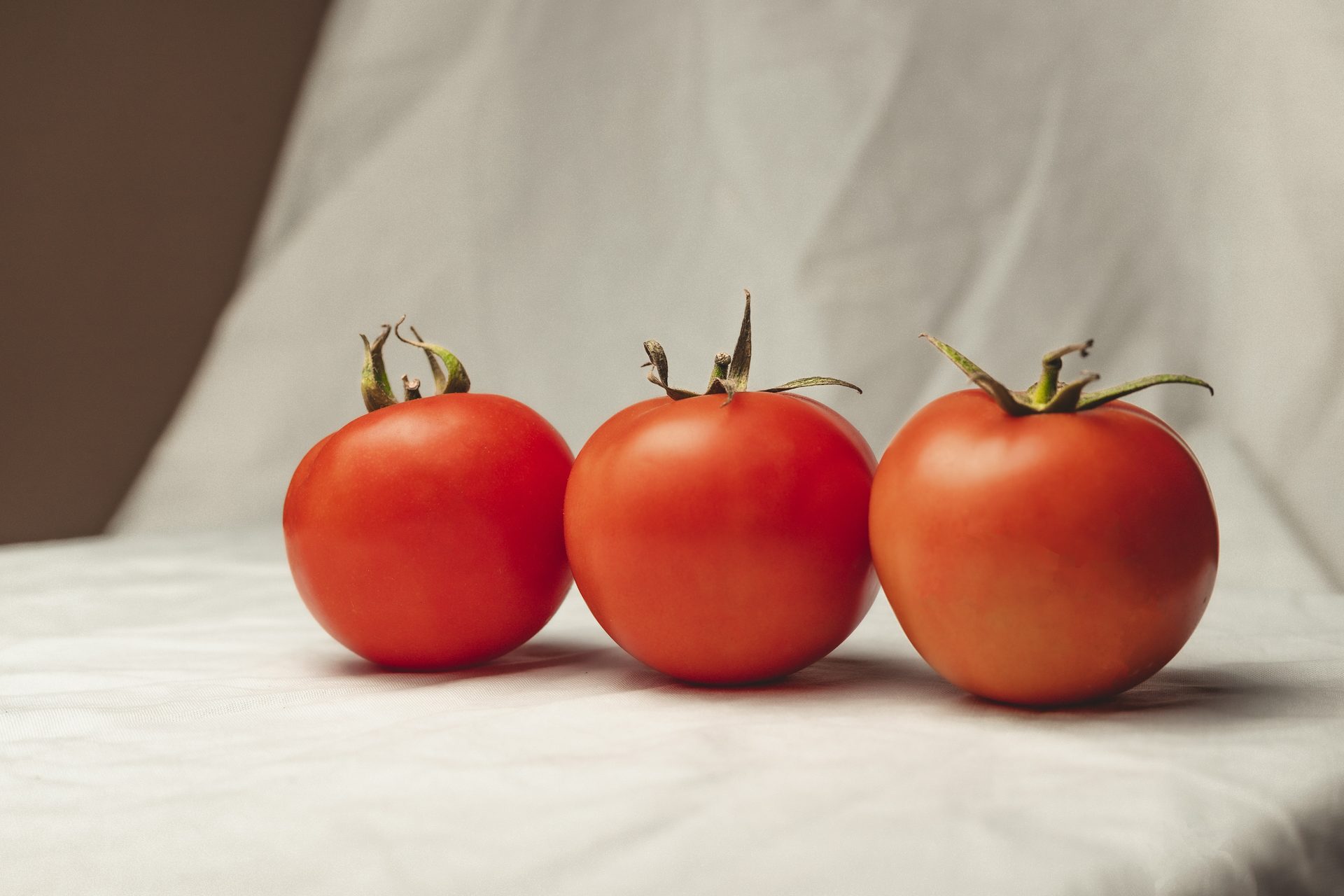
If you’ve ever ended up with more tomatoes than you can eat before they go soft, the freezer is your best friend. Whether you grew them in your backyard garden or stocked up at the farmers market, freezing raw tomatoes is one of the simplest preservation methods available — no canning equipment, no complicated prep, and no blanching required.
The catch is that frozen tomatoes do behave differently once thawed, so knowing what to expect ahead of time will save you from disappointment. This guide covers everything from the right way to freeze them to how long they last, how to thaw them safely, and the best dishes to make once they come out of the freezer.
Can You Freeze Uncooked Tomatoes?
Yes — you can freeze raw tomatoes with and without their skins. Tomatoes may be frozen raw or cooked, whole, sliced, chopped, or puréed. That flexibility makes freezing one of the most convenient options for home cooks dealing with a surplus.
Tomatoes do not need to be blanched before freezing. Frozen tomatoes are best used in cooked foods such as soups, sauces, and stews, as they become mushy when thawed. As long as you plan to cook with them, freezing raw tomatoes works extremely well.
You can freeze tomatoes at any stage of ripeness. That said, the quality of your frozen tomatoes will only be as good as the quality going in — so aim to freeze tomatoes that are ripe, firm, and free of blemishes or soft spots.
Pro Tip: Roma tomatoes (also called plum tomatoes) are the best variety to freeze. They have more pulp and less water than slicing tomatoes like beefsteak, which means less mushiness and a thicker result in sauces.
If you’re also looking to freeze other garden vegetables, check out this guide on freezing fresh uncooked zucchini for a similar step-by-step approach.
Does Freezing Change the Texture or Taste of Uncooked Tomatoes?
Texture change is the biggest trade-off when freezing raw tomatoes, and it’s worth understanding why it happens. Fresh fruits and vegetables have a very high water content held within rigid plant cell walls, which give structure and texture to your produce. When you freeze them, the water expands and ice crystals cause the cell walls to rupture, making the texture of thawed produce much softer than when it was raw.
Tomatoes have a high water content, which affects how they freeze and their texture once thawed. The texture of a thawed tomato is never quite the same as a fresh tomato, so it’s good to keep this in mind and use frozen tomatoes in recipes where the difference in texture will not affect the outcome, such as stews and pasta sauces.
On the flavor side, the news is better. Their delicious acidity and bright flavor will still come through, months later. Whole frozen tomatoes taste very much like whole canned tomatoes and make an excellent tomato base for soups or slow-cooker recipes.
Season tomatoes right before serving rather than before freezing. Freezing may cause seasonings such as garlic, onion, and herbs to either strengthen or weaken. Hold off on seasoning until after you’ve cooked with the thawed tomatoes.
| Tomato Variety | Water Content | Texture After Thawing | Best Frozen Use |
|---|---|---|---|
| Roma / Plum | Lower | Holds shape better | Sauces, chopped dishes |
| Beefsteak / Slicing | High | Very soft, breaks down | Soups, stews, purées |
| Cherry / Grape | Moderate | Soft but flavorful | Sauces, roasted dishes |
| Heirloom | High | Very watery when thawed | Purées, soups |
How to Freeze Uncooked Tomatoes the Right Way
The process is straightforward, and you have several methods to choose from depending on how you plan to use the tomatoes later. Select firm, ripe tomatoes for freezing. Sort them, discarding any that are spoiled. Gently rub tomatoes under cold running water and then dry with a paper towel or a clean cloth.
Hull the tomatoes by removing any green stems. Use a paring knife to remove the woody core from the top of each tomato. This small step prevents any tough, flavorless material from ending up in your cooked dishes later.
Method 1: Whole Tomatoes (Easiest)
Place the whole tomatoes on clean cookie sheets and freeze. Once frozen, transfer the tomatoes from the cookie sheets into freezer bags or other containers. Seal tightly and freeze. This flash-freeze step keeps the tomatoes from clumping together in the bag.
After the tomatoes have thawed in the fridge or in the microwave, you can just pull the skins right off. No blanching or peeling ahead of time is needed — the freezer does that work for you.
Method 2: Sliced or Chopped Tomatoes
If you already know you’ll be using diced tomatoes in chili, pasta sauce, or casseroles, you can prep them now and save time later. Arrange sliced or chopped tomatoes in a single layer on a baking sheet lined with parchment paper. Once frozen, transfer the tomatoes to airtight containers or freezer bags.
Tomatoes that have been chopped are more moist than whole fresh tomatoes. Place them on a baking sheet and space them out on a rimmed baking sheet lined with parchment paper. Make sure they’re not touching. This prevents them from freezing into one solid block.
Method 3: Puréed Tomatoes
Simply purée the tomatoes whole and place the purée in a freezer bag. Remove air and freeze. This is a great option if you’re short on freezer space, since purée packs flat and takes up minimal room. Leave about an inch of headspace in any rigid container to allow for expansion.
Method 4: Reducing Water Content First
Tomatoes are watery, especially heirlooms and slicer tomatoes. If you’d like a less watery version to freeze, halve the tomatoes and squeeze each one to remove most of the water before placing them in the freezer bag. Remove air and freeze. This gives you a more concentrated result that works especially well in sauces.
Pro Tip: Always remove as much air as possible from your freezer bags before sealing. If you don’t have a vacuum sealer, insert a straw into the bag, seal it around the straw, suck out the air, then quickly pull the straw out and finish sealing.
Tomatoes are a nutritional powerhouse worth preserving. Learn more about superfoods for a healthy heart and how tomatoes fit into a heart-healthy diet.
How Long Can You Freeze Uncooked Tomatoes?
Most tomato products you freeze, from raw tomatoes to tomato pastes and sauces, can be kept in your freezer for eight to 12 months. The USDA recommends consuming frozen fruits and vegetables, including tomatoes, within 8–12 months for optimal quality. This timeframe ensures that the flavor, texture, and nutritional value remain at their peak.
Technically, food stored continuously at 0°F (–18°C) or lower is safe to eat indefinitely. However, quality deteriorates over time. After the 8–12 month window, tomatoes won’t be unsafe, but they may suffer from freezer burn and a noticeable loss of flavor.
It is always important to write the freeze date on your freezer containers so that you can check for freshness, and you should never eat frozen foods that have signs of freezer burn, rot, or other problems. A simple piece of masking tape and a marker is all you need.
| Freezer Storage Form | Recommended Use-By Window | Quality After Window |
|---|---|---|
| Whole raw tomatoes | 8–12 months | Possible freezer burn, flavor loss |
| Chopped / sliced raw | 8–10 months | Texture degrades faster |
| Puréed tomatoes | 8–12 months | Holds up well past the window |
| Tomato sauce / paste | Up to 12 months | Good quality retention |
How to Thaw Frozen Uncooked Tomatoes
How you thaw frozen tomatoes matters both for food safety and for the best results in the kitchen. There are three safe ways to defrost food: in the refrigerator, in cold water, and in the microwave. Food thawed in cold water or in the microwave should be cooked immediately.
The refrigerator is the best method to thaw frozen foods because the internal temperature of the food will not increase above 41°F. Place the frozen food in a container to catch any leaks that may occur as the food thaws. Once thawed, cook or use the food within 2 to 3 days.
For soups, stews, and sauces, you don’t even need to thaw first. When cooking with frozen tomatoes, you can defrost them first or add them straight to the dish if cooking it on the stove or even in the oven. You can drop them straight into the pot — the skins slip off easily as they thaw and cook.
Pro Tip: If your thawed tomatoes release a lot of liquid, don’t pour it all out. That tomato water is packed with flavor and can be stirred into soups, used as a base for a pan sauce, or added to a Bloody Mary.
Experts advise to never thaw anything at room temperature on your kitchen counter, except for bread and baked goods. Leaving tomatoes on the counter to thaw puts them in the bacterial “danger zone” and can compromise both safety and quality.
Can You Refreeze Uncooked Tomatoes After Thawing?
Refreezing thawed tomatoes is technically possible under specific conditions, but it comes with real trade-offs. Thawed or partially thawed foods that were in your freezer can be safely refrozen if the food has not gone above 40°F. You may see some changes in the quality of the food, but it will still be safe to eat.
To safely refreeze, the thawed product must have been kept cold at 40°F or below for no more than 3–4 days. Put the food in the coldest part of the freezer, mark it with the date, and use it within 2 to 3 months.
Many vegetables are safe to refreeze. However, they lose much of their texture, flavor, and appearance even if ice crystals are still present in the package. You may want to cook the thawed vegetables and eat them right away, or add them to soup or stew and freeze the soup to eat later.
If you thawed the tomatoes in the refrigerator and they were kept consistently cold, you might be able to refreeze them if they were only thawed for a very short time. Even then, the quality will be compromised. It is far better to use the thawed tomatoes promptly — in sauces, soups, or other cooked dishes to minimize waste and enjoy their flavor before they deteriorate further.
To avoid the refreezing dilemma altogether, freeze your tomatoes in small, meal-sized portions from the start. Try freezing them in smaller portions so you’re less likely to have leftovers that need to be refrozen.
How to Use Frozen Uncooked Tomatoes (Best Uses After Freezing)
Frozen tomatoes are best used in cooked foods such as soups, sauces, and stews. To use them, remove them from the freezer a few at a time or all at once and then use them in any cooked-tomato recipe.
No matter how you freeze tomatoes, you won’t be able to eat them on sandwiches or in salads afterward. Freezing tomatoes changes their texture and makes them unpalatable when thawed and eaten raw. Plan your frozen tomatoes for cooked applications only.
Here are the best ways to put your frozen tomatoes to work:
- Pasta sauce: Frozen tomatoes can be grated for instant pasta sauce or thawed completely, chopped, and added to soups, stews, or sauces.
- Chili and soups: Frozen fresh tomatoes are perfect for all those cold-weather soups, stews, and chili.
- Shakshuka: Frozen tomatoes can be used in an array of dishes, from pasta sauces and soups to shakshuka or stews.
- Skillet meals: Thaw a frozen tomato, chop or crush it, and stir it into skillet meals or quick pan sauces for instant tomato flavor.
- Casseroles: Drop thawed tomatoes directly into baked dishes like lasagna or stuffed pepper casseroles where the soft texture blends right in.
- Slow-cooker recipes: Add frozen tomatoes directly to the slow cooker at the start — no thawing needed.
If you don’t want extra liquid, thaw tomatoes in a bowl and pour off some juice before adding them to sauces. This prevents your sauce from becoming too watery without losing the rich tomato flavor.
Tomatoes are also among the foods recognized for their health-supporting properties. If you’re interested in how food choices affect your wellbeing, explore these powerful nutrients and foods that fight cancer and foods that promote healthy eyesight — tomatoes appear in both categories.
Signs That Frozen Uncooked Tomatoes Have Gone Bad
Even in the freezer, tomatoes can deteriorate to the point where they’re no longer worth using. Knowing what to look for helps you avoid wasting a dish or, worse, eating something that’s past its prime.
- Extensive freezer burn: Large, grayish-white patches on the surface of the tomatoes are a telltale sign of freezer burn. While the tomatoes might still be safe to eat, the affected areas will be dry and flavorless. You can cut off small affected spots, but if most of the tomato is covered, discard it.
- Off odor: A foul or unusual odor emanating from the frozen tomatoes is a clear warning sign of spoilage. Discard them immediately.
- Significant discoloration: While some color change is normal during freezing, extreme discoloration — such as turning brown or black — could indicate degradation.
- Excessive ice crystals inside the bag: A large accumulation of ice crystals inside the packaging might suggest that the tomatoes have been thawed and refrozen, compromising their quality and safety.
- Slimy texture after thawing: After thawing, if the tomatoes have a slimy or excessively mushy texture, it’s best to err on the side of caution and discard them. When in doubt, throw it out.
Freezer-burned foods may look unappetizing and have an unpleasant texture and off-flavor, but they are usually still safe to eat. If your freezer is set to 0°F (–18°C), bacteria and other harmful pathogens cannot grow, and your food will be safe to eat, as long as it was fresh when you put it in and you thaw it correctly.
Good packaging goes a long way toward preventing these problems. Use containers or bags specifically designed for freezing to prevent freezer burn, and press out as much air as possible from freezer bags before sealing them.
For more on how food choices support your overall health, visit our guides on foods that enhance liver function and foods for healthy skin.
Frequently Asked Questions
Do You Need to Blanch Tomatoes Before Freezing?
Tomatoes do not need to be blanched before freezing. You can wash, core, and freeze them directly. Blanching is optional — it loosens the skins and can make peeling easier after thawing, but it adds extra steps that most home cooks skip without any meaningful loss in quality.
Can You Freeze Tomatoes With the Skin On?
If you’re freezing the tomatoes raw, you do not have to peel them. Tomato peels contain lots of nutrients. If you know you’ll be puréeing the tomatoes or using them in soups and sauces, you can opt to leave the peels on. They will also slide right off once thawed.
Can You Freeze Cherry or Grape Tomatoes?
Yes. Small tomatoes freeze just as well as larger varieties. Wash and dry them, then freeze them on a baking sheet in a single layer before transferring to a freezer bag. Because of their size, they freeze quickly and work well added directly to sauces, soups, and braises from frozen.
Can You Freeze Green (Unripe) Tomatoes?
Yes, you can freeze uncooked green tomatoes, but with some important considerations. Frozen green tomatoes can be stored for up to 12 months. However, it’s recommended to use them within 6–8 months for optimal flavor and texture. Green tomatoes work well in cooked sauces and braised dishes after freezing.
How Do You Prevent Tomatoes from Getting Freezer Burn?
Freeze quickly — the faster the tomatoes freeze, the better the texture will be. Use the quick-freeze setting on your freezer if available. Beyond that, use proper freezer-safe bags or containers, remove all excess air, label with the date, and aim to use them within 8–12 months. You can also explore companion plants to grow with tomatoes to maximize your harvest and reduce surplus in the first place.
Are Frozen Tomatoes as Nutritious as Fresh?
The good news about frozen foods is they retain their nutritional value and may be higher in some vitamins than foods like vegetables that were harvested many days before you buy and eat them. Freezing locks in nutrients at peak ripeness, making frozen tomatoes a solid nutritional choice for cooked dishes throughout the year. For a broader look at plant-based nutrition, see our guide on whole plant-based foods.