
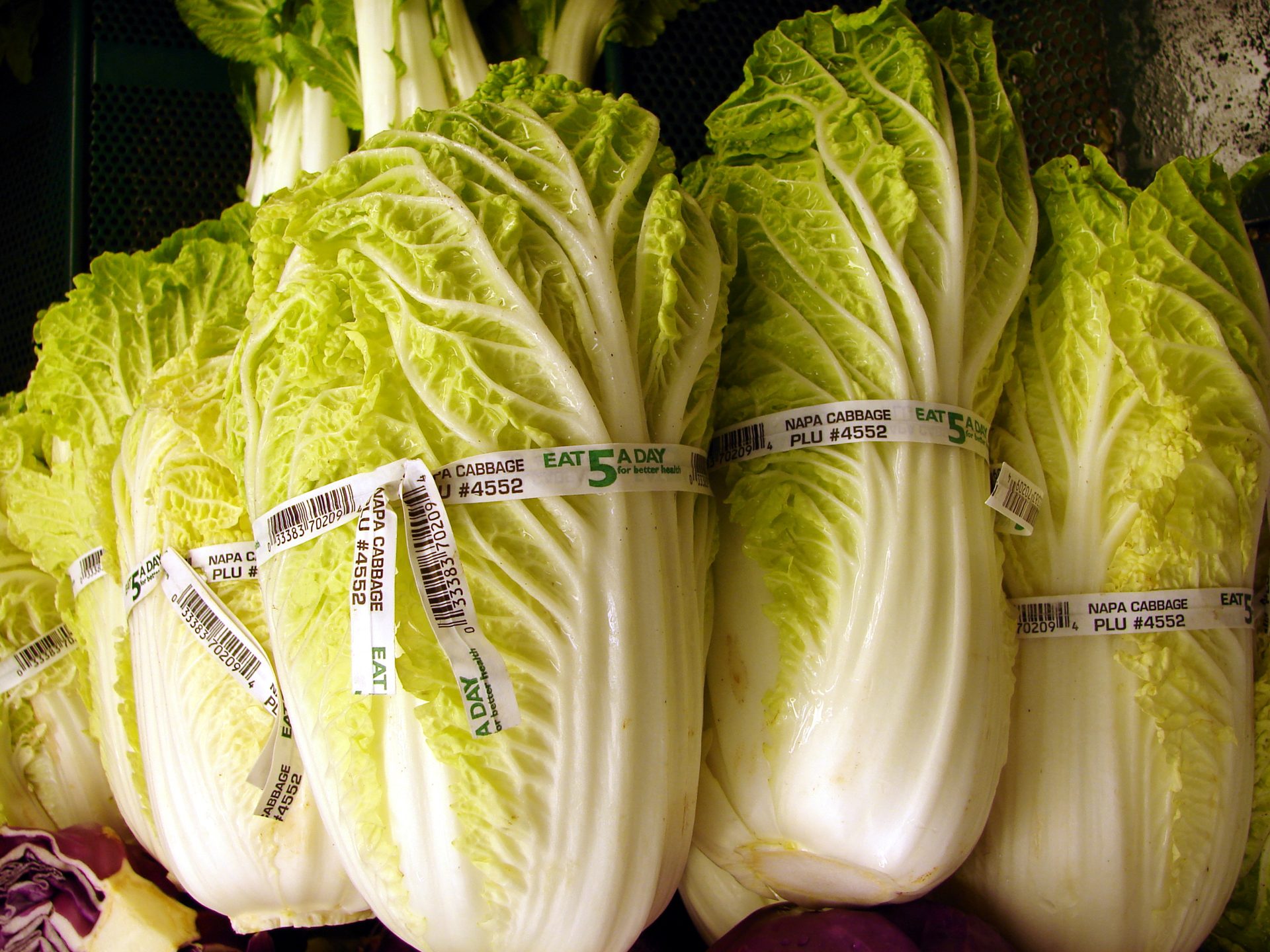
Napa cabbage is one of those vegetables that always seems to come in bigger quantities than you need. Whether you picked up a full head for a stir-fry, bought extra at the farmers market, or grew more than you can eat, the question eventually comes up: can you freeze napa cabbage?
The short answer is yes — with the right technique. Napa cabbage has a high water content that can affect its texture when thawed, but it can still be successfully frozen for cooking purposes. Knowing what to expect and how to prep it properly makes all the difference between cabbage that holds up in your favorite recipes and a soggy mess you end up tossing.
This guide walks you through everything: how freezing changes the texture, the best method to freeze it, how long it lasts, how to thaw it, and which dishes work best with frozen napa cabbage. Napa cabbage is rich in antioxidant plant compounds like carotenes, thiocyanates, indole-3-carbinol, lutein, zeaxanthin, sulforaphane, and isothiocyanates, and it provides a significant amount of soluble and insoluble dietary fiber — so preserving it well means you keep those nutrients working for you. If you want to learn more about how nutrient-dense vegetables support your health, check out this guide to whole plant-based foods.
Can You Freeze Napa Cabbage?
You absolutely can freeze napa cabbage. Whether it’s napa, savoy, green, or red, the steps are straightforward. The key is understanding that napa cabbage behaves a little differently from denser cabbage varieties because of its higher water content.
Raw whole leaves or large wedges are not worth freezing — the high water content causes cell rupture during freezing, and the result is an unpleasantly mushy texture. Blanching before freezing solves this by partially breaking down cell walls in a controlled way, so the thawed product behaves predictably in cooked dishes.
The recommended methods of preserving green and Chinese cabbage are freezing or as a sauerkraut product. Frozen or dried green and Chinese cabbage are suitable only for use as cooked vegetables and used in dishes such as soups, stews, and casseroles. If you plan to use napa cabbage raw in salads or slaws, freezing is not the right storage method — keep it fresh in the fridge instead.
Pro Tip: Before you freeze, start with the freshest head you can find. Starting with a fresh, firm head makes a real difference. Buy heads with tight, pale-green leaves and firm white cores; floppy outer leaves signal age.
Does Freezing Change the Texture or Taste of Napa Cabbage?
Yes, and it helps to know exactly what to expect so you are not caught off guard. When cabbage is frozen, the water inside it expands and breaks down the cell walls. This makes the cabbage mushy or limp when it thaws, especially if you freeze raw cabbage without blanching it first.
Freezing can slightly soften the texture of napa cabbage, making it ideal for soups or cooked dishes rather than raw applications. It will still hold up well in soups after thawing. The flavor itself stays largely intact — napa’s mild, slightly sweet taste carries through to cooked dishes without significant loss.
Cabbage contains a high amount of water, and when frozen, the texture can change. Once defrosted, the cabbage will be slightly softer, which is not ideal for coleslaw or salads. Think of frozen napa cabbage as a dedicated cooking ingredient, not a substitute for fresh.
| Use Case | Fresh Napa Cabbage | Frozen Napa Cabbage |
|---|---|---|
| Raw salads and slaws | Excellent | Not recommended |
| Stir-fries | Excellent | Good |
| Soups and stews | Excellent | Excellent |
| Braised dishes | Excellent | Good |
| Dumplings / potsticker filling | Good | Good (squeeze out moisture first) |
| Wraps and cabbage rolls | Good | Good (blanched leaves) |
How to Freeze Napa Cabbage the Right Way
Blanching is the method recommended by food preservation authorities for napa cabbage. Blanching is a crucial step to stop enzyme activity that can cause loss of color, flavor, and nutrients during freezing. Skipping it is possible for short-term storage, but the results are noticeably inferior.
The Blanching Method (Recommended)
- Wash and trim. Clean the cabbage under cool running water and remove any wilted or damaged outer leaves.
- Cut to your preferred size. Trim and separate — remove the tough core and either shred the cabbage or separate it into individual leaves. Chopping the napa cabbage into uniform pieces is the final preparation step before freezing. Aim for 1–2 inch segments, as this size is ideal for soups and ensures even cooking once thawed.
- Blanch briefly. Boil shredded napa for 1 minute, or whole leaves for 2 minutes, then immediately plunge into ice water to stop cooking.
- Dry thoroughly. Drain and pat very dry — excess moisture leads to ice crystals and clumping in the bag.
- Flash-freeze on a sheet pan. Place the chopped cabbage in a single layer on a baking sheet lined with parchment paper and freeze for 1–2 hours, a process known as flash-freezing. This prevents the pieces from clumping together, allowing you to easily measure out portions for future recipes.
- Pack and seal. Transfer to freezer bags, remove as much air as possible, and freeze flat for even freezing and easier thawing.
- Label with the date. Seal, label, date, and freeze.
Freezing Without Blanching (Short-Term Only)
If you choose to freeze cabbage without blanching, keep in mind that there may be changes in color, texture, and taste compared to blanched frozen cabbage. This approach works if you plan to use the cabbage within a month or so and are adding it directly to a hot dish.
Use a paper towel to pat the cabbage dry and remove any excess moisture. Excess moisture can lead to freezer burn and affect the quality of the frozen cabbage. Pack in airtight freezer bags, press out as much air as possible, and label with the date.
Pro Tip: Vacuum sealing offers the longest shelf life by removing air entirely and is the best method to prevent freezer burn. If you do not have a vacuum sealer, use a straw to suck out air from a zip-top freezer bag before sealing.
How Long Can You Freeze Napa Cabbage?
Storage time depends on whether you blanched the cabbage and how well it is sealed. Blanched napa cabbage stored in the freezer lasts 8–12 months; texture softens but it is best for cooked dishes only. Beyond that, quality drops noticeably.
Frozen cabbage can be stored for up to 9 to 12 months, but for the best flavor and texture, it is recommended to use it within 3 to 6 months. For unblanched raw cabbage, the window is much shorter — if you freeze raw cabbage, you will need to use it within about one or two months after freezing. Any longer and it may start to lose texture and flavor.
| Freezing Method | Maximum Freezer Life | Best Quality Window |
|---|---|---|
| Blanched napa cabbage | 8–12 months | 3–6 months |
| Raw (unblanched) | 1–2 months | Under 4 weeks |
| Cooked cabbage dishes | Up to 9 months | Within 3 months |
When stored at 0°F or below, frozen cabbage can retain its quality for about eight to 12 months. Always label your bags with the freeze date so you know exactly where you stand.
How to Thaw Frozen Napa Cabbage
How you thaw napa cabbage depends on what you plan to make with it. For most cooked dishes, you do not need to thaw it at all. Thawing may or may not be necessary depending on how you plan to use the frozen cabbage. For instance, if shredded and the intention is to add to a soup, stew, or stir-fry, there is no need to thaw the cabbage first.
When thawing is needed — for example, before making dumplings or stuffed cabbage — use the refrigerator method. Remove the frozen cabbage from the freezer and place the zip-lock bag in the refrigerator for 12–24 hours. Depending on the size of the cabbage pieces, they should defrost during this timeframe.
Thaw in cold water or the fridge — avoid the microwave defrost setting to reduce wateriness. Microwaving thaws unevenly and can make the cabbage even more watery than it would be otherwise.
Once thawed, use the cabbage promptly. Thawed or defrosted cabbage will last about 2 days in the refrigerator. It is best to use it right away once it is defrosted, especially if using it for coleslaw or another uncooked recipe. For a cooked recipe like cabbage rolls or in soup or stir-fries, defrosted cabbage can be used up to 2 days after it has thawed.
Can You Refreeze Napa Cabbage After Thawing?
Refreezing thawed napa cabbage is not a good idea. Thawing and refreezing reduces taste and increases the risk of spoilage. Each freeze-thaw cycle causes more ice crystals to form inside the cell walls, which breaks down the texture even further and creates an increasingly watery result when cooked.
The best way to avoid this situation is to freeze napa cabbage in single-use, meal-sized portions from the start. Always freeze shredded cabbage or cabbage wedges in usable amounts to avoid refreezing. That way, you pull out only what you need and never have to deal with leftover thawed cabbage.
Important Note: If your napa cabbage was thawed in the refrigerator and kept cold the entire time (never left at room temperature), it is technically safe to refreeze within 1–2 days. However, the quality loss is significant enough that it is not worth doing for a vegetable with such a delicate texture.
How to Use Frozen Napa Cabbage (Best Uses After Freezing)
Frozen napa cabbage shines in any recipe where it gets cooked down. Frozen napa works well in stir-fries, braises, soups, and kimchi — but it will not recover the crunch needed for raw slaws or fresh salads. Plan your use before you freeze, and you will never be disappointed.
Here are the best ways to put frozen napa cabbage to work in your kitchen:
- Soups and ramen. When added directly to soups during cooking, the thawed cabbage blends seamlessly, maintaining its flavor and contributing to the dish without noticeable texture changes. Add it straight from frozen during the last few minutes of cooking.
- Stir-fries. Drop frozen shredded napa directly into a hot wok or skillet. A practical tip for enhancing flavor is to pair frozen napa cabbage with ingredients that complement its mild, slightly sweet profile. Ginger, garlic, and sesame oil work particularly well in Asian-inspired dishes.
- Dumplings and potsticker filling. Thaw completely, then squeeze out as much moisture as possible before mixing with your other filling ingredients. The softer texture actually makes it easier to fold.
- Braised dishes. Add directly to braising liquid with pork belly, short ribs, or tofu. The cabbage absorbs the cooking liquid and becomes tender and flavorful.
- Cabbage rolls. Blanched leaves that were frozen individually work well as wrappers once thawed — they are pliable and easy to roll. For most recipes using cabbage, you do not need to defrost the cabbage first. Place the frozen cabbage wedges directly into a hot pot of soup or into whatever recipe you are making. Cook the cabbage a few minutes longer than you would if it were raw to ensure that it gets warmed through.
Napa cabbage is a heart-healthy vegetable worth keeping stocked in your freezer year-round. Being rich in potassium and low in sodium, napa cabbage helps control blood pressure. You can also explore how it fits into a broader anti-inflammatory eating plan or learn about nutrients and foods that fight cancer, since napa cabbage belongs to the cruciferous family linked to cancer-preventive compounds.
Signs That Frozen Napa Cabbage Has Gone Bad
Frozen food does not last forever, and napa cabbage will eventually show signs of deterioration. Knowing what to look for protects you from using cabbage that has lost its quality — or worse, gone bad entirely.
Check for these warning signs before cooking with frozen napa cabbage:
- Freezer burn. Look for dry patches, discoloration, or ice crystals on the surface of the cabbage. Mild freezer burn affects flavor but is not a safety issue; heavily freezer-burned cabbage is not worth eating.
- Off smell. A sour or off smell usually means the cabbage is no longer safe. Fresh frozen napa should smell clean and mild, not fermented or rotten.
- Slimy texture after thawing. Mushy, soggy cabbage may have spoiled during storage. Some softness is normal; a slimy film is not.
- Browning or dark discoloration. If your cabbage has started to brown, it could be a sign that it is going bad and has been in the freezer too long.
- Dark streaks along the ribs. Black or dark streaks along white ribs or the core are a sign of decay.
Better safe than sorry — discard if anything seems wrong during thawing. When in doubt, throw it out. Napa cabbage is inexpensive enough that it is never worth risking a foodborne illness over a head of cabbage.
For more on how food choices affect your overall wellness, see our guides on foods for healthy skin and foods that support liver function.
Frequently Asked Questions
Can You Freeze Napa Cabbage Without Blanching?
If you choose to freeze cabbage without blanching, keep in mind that there may be changes in color, texture, and taste compared to blanched frozen cabbage. However, it will still be perfectly fine for most cooking needs. Unblanched cabbage should be used within one to two months for best results.
Does Frozen Napa Cabbage Lose Its Nutrients?
Freezing fruits and vegetables is a valuable preservation method that offers several benefits. Freezing preserves freshness, nutrition, and natural flavors. Some water-soluble vitamins like vitamin C may decrease slightly during blanching, but the overall nutrient profile remains strong. Napa cabbage is a rich source of vitamin C, vitamin K, and folate. It also contains dietary fiber and minimal fat, making it favorable for heart health and digestion.
Can You Freeze Cooked Napa Cabbage Dishes?
Yes. Cooked cabbage can maintain its quality for about two to three months when stored in the freezer. Once cooked, allow it to cool to room temperature, then follow the same packing and freezing steps as for fresh cabbage. Soups, stews, and braised dishes with napa cabbage all freeze well.
How Do You Know When Napa Cabbage Is Fresh Enough to Freeze?
Look for a head of napa cabbage that feels heavy for its size — this indicates high water content and freshness. The leaves should be crisp and vibrant, with a pale yellow-green color. Freeze it as soon as possible after purchase to lock in the best quality.
Can You Use Frozen Napa Cabbage for Kimchi?
Technically yes, but fermentation experts generally recommend starting kimchi with fresh cabbage. Blanching and freezing a vegetable changes the texture. After a vegetable has been frozen it is best to use it in cooking like with stir-fry or soup. If you want to enjoy crunchy, raw napa cabbage all year long, fermenting napa cabbage is the better option. That said, frozen napa works fine in kimchi-flavored cooked dishes like kimchi jjigae (kimchi stew).
How Long Does Fresh Napa Cabbage Last in the Fridge?
Napa cabbage is a surprisingly good keeper. To maximize its lifespan, store the whole, unwashed head in a plastic bag in the crisper drawer of your refrigerator. Do not wash it until you are ready to use it, as excess moisture can promote rot. Stored this way, a whole head of napa cabbage can easily last for 2–3 weeks.
Is Napa Cabbage the Same as Chinese Cabbage?
Napa cabbage is also known as Chinese cabbage. It belongs to the species Brassica rapa subsp. pekinensis and is widely used in East Asian cooking across the United States. You will find it labeled as both “napa cabbage” and “Chinese cabbage” in American grocery stores — they are the same vegetable. If you enjoy exploring global food traditions that feature this ingredient, take a look at our articles on traditional Pakistani food and traditional Egyptian food, where cabbage-based dishes frequently appear.