Can You Freeze Scrambled Eggs? How to Store, Thaw, and Reheat Them Right

October 31, 2026
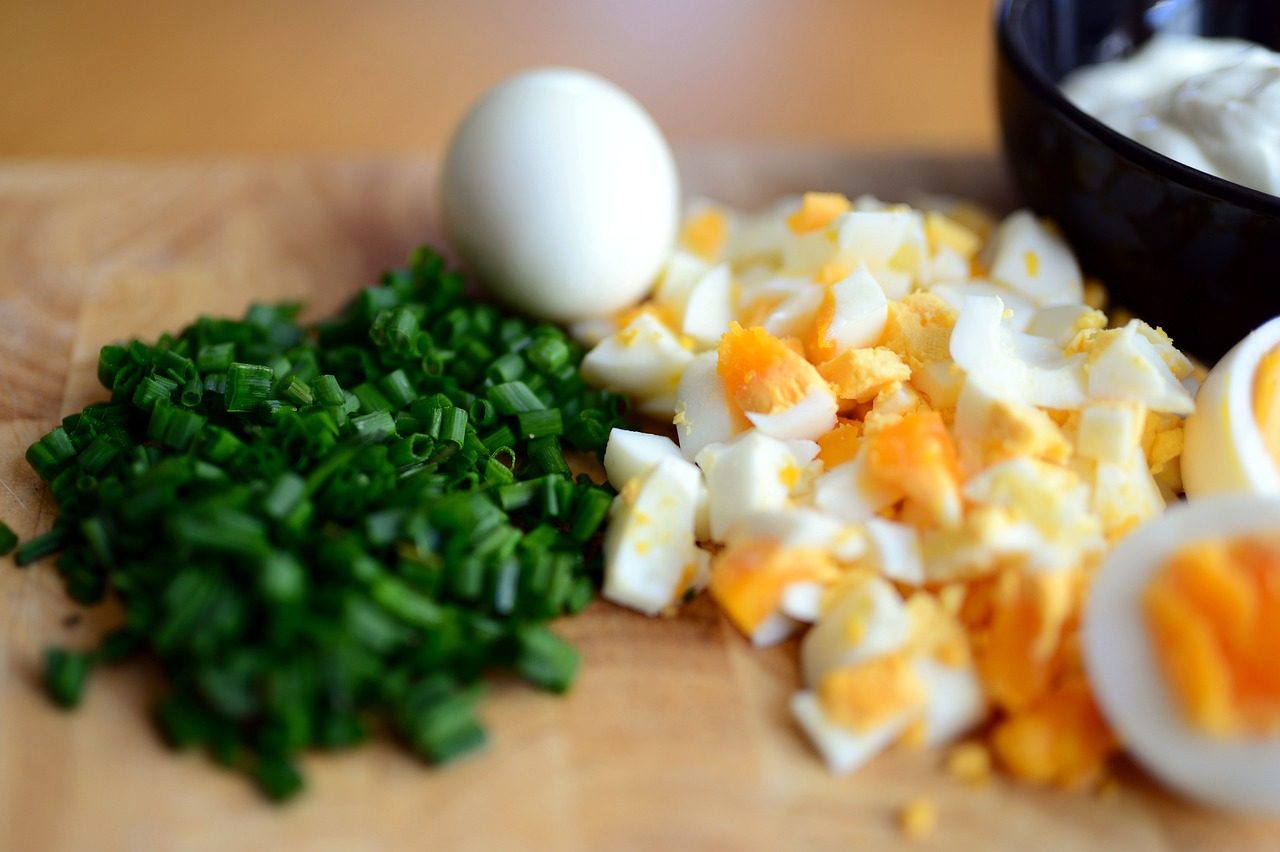
Scrambled eggs are one of the most popular breakfasts in the United States — a survey from Zippia found that a majority of U.S. states (18) prefer scrambled over any other egg style, with sunny-side-up coming in second at 14. That popularity means one thing: leftovers happen. Whether you cooked too many on a Sunday morning or you want to get ahead on weekday breakfasts, knowing how to handle the extras is worth your time.
The good news is that scrambled eggs freeze far better than most people expect. With the right technique, you can pull a portion from the freezer on a busy Tuesday and have a hot, satisfying breakfast in minutes. This guide walks you through everything — from whether freezing changes the texture, to step-by-step storage instructions, to the best ways to use your frozen eggs once they’re thawed.
Can You Freeze Scrambled Eggs?
Yes, you can freeze scrambled eggs. All types of eggs removed from their shells can be frozen, whether they’re raw or cooked. That includes a plain batch of cooked scrambled eggs, raw whisked eggs destined for the skillet, and even egg-based dishes like breakfast burritos or frittatas.
Not only is it possible to freeze cooked eggs, but they actually taste better when reheated than cooked eggs stored in the refrigerator. On the weekend, you can meal prep breakfast burritos or egg sandwiches and toss them into the freezer, then thaw them overnight in the fridge for an easy breakfast on the go.
One thing to keep in mind: never freeze eggs in their shells. Liquid expands as it freezes, which can crack the shell and lead to contamination. Always crack and prep your eggs before they go anywhere near the freezer.
Pro Tip: Freezing scrambled eggs works best when you treat it as intentional meal prep rather than an afterthought. Batch-cook a dozen eggs at once, portion them out, and you’ll have grab-and-go breakfasts ready for the entire week.
Does Freezing Change the Texture or Taste of Scrambled Eggs?
Freezing does affect scrambled eggs — but the change is manageable when you use the right technique. You can freeze scrambled eggs, but the texture might change slightly after thawing. The eggs can turn a bit watery or rubbery if they were fully cooked before freezing or if they weren’t stored properly.
Proper food wrapping helps prevent freezer burn. This is what happens when exposed food oxidizes and dehydrates, thereby spoiling your food. While this doesn’t mean your food will be unsafe to eat, it will lose much of its taste and texture, making it near-inedible.
The flavor holds up reasonably well within the first few months. Frozen scrambled eggs will keep for up to six months, as long as they’re wrapped properly throughout that time. While they will be safe to have after that period, their flavor will start to deteriorate significantly. For the best eating experience, aim to use them within three months.
Experts don’t generally recommend freezing raw whole eggs, but raw scrambled eggs that have been removed from the shell and whisked are the exception — because freezing primarily affects the texture of egg whites, and whisking them with the yolks prevents this change. That’s a useful trick whether you’re freezing them raw or cooked. For more on the nutritional profile of eggs before you freeze them, check out this guide on whole eggs.
How to Freeze Scrambled Eggs the Right Way
The method you use matters more than most people realize. A few small adjustments during cooking and packing make the difference between eggs that reheat beautifully and ones that turn rubbery and dry.
Step 1: Slightly Undercook the Eggs
Scrambled eggs are easy to freeze, and they taste great when reheated. Cook them so they’re slightly runny, which helps retain a soft texture when they’re warmed through. If you cook them to fully done before freezing, the reheating process will overcook them and leave you with a tough, dry result.
Step 2: Add a Pinch More Salt
When cooking your scrambled eggs, try adding a little more salt. Where there is salt, there is water — salt naturally attracts moisture. When you thaw your eggs, they will retain more moisture because of the salt. This is a simple step that pays off in texture when it comes time to reheat.
Step 3: Cool Completely Before Packing
It’s important to let your eggs cool completely before transferring them into containers. Allow scrambled eggs to cool in the pan for 10 to 15 minutes. Packing warm eggs creates condensation inside the bag, which worsens texture and increases the risk of ice crystals forming.
Step 4: Portion Into Single Servings
If you want to maximize space in the freezer, dividing the chilled eggs into single-serving, freezer-safe, resealable plastic bags prevents you from having leftovers from your leftovers. You can also use a muffin tin lined with parchment to pre-portion the eggs into individual “pucks” before transferring them to a freezer bag.
Step 5: Remove Air and Seal Tightly
You can store scrambled eggs in a freezer-safe zip-top bag. Press out as much air as possible to prevent freezer burn. Be sure to label the bag with the date. Double-bagging or using a vacuum sealer gives you even better protection against freezer burn over longer storage periods.
Pro Tip: Freeze the bags flat on a baking sheet first. Once solid, you can stack them upright like files in a drawer — a space-saving trick that also makes thawing individual portions much faster.
How Long Can You Freeze Scrambled Eggs?
Storage timelines vary slightly by source, but the general consensus is clear: cooked scrambled eggs are best used within a few months of freezing, even if they technically remain safe for longer.
| Egg Type | Safe Freezer Duration | Best Quality Window |
|---|---|---|
| Cooked scrambled eggs | Up to 12 months | 1–3 months |
| Raw whisked eggs (out of shell) | Up to 12 months | Up to 4 months |
| Egg-based dishes (burritos, frittatas) | Up to 3 months | 1–2 months |
While you can freeze cooked eggs for up to a year, they taste best within six months. For raw whisked eggs, raw eggs can be frozen for up to a year, but it’s recommended to use them within four months for freshness.
Always write the freeze date on every bag or container. Labeling each bag with its freezing date will help you identify how long each bag has been in your freezer, helping you know which one to consume first. It takes five seconds and saves you from guessing games later.
How to Thaw Frozen Scrambled Eggs
Thawing scrambled eggs safely is just as important as freezing them correctly. The method you choose affects both food safety and the final texture of the eggs.
Thaw a bag of frozen scrambled eggs in the refrigerator the night before you plan to eat them. This will allow them to thaw slowly and evenly. This is the safest and most texture-friendly method available.
Never thaw frozen scrambled eggs at room temperature; let them thaw in the fridge or in a bowl of cold water. Room-temperature thawing puts the eggs in the “danger zone” — between 40°F and 140°F — where bacteria multiply rapidly. Scrambled eggs should not be left at room temperature for more than two hours (or one hour if it’s hot).
If you’re short on time, you can put the egg in a small bowl inside a bigger bowl of cold water. Cold water works since it’s still warmer than the frozen egg. The temperature difference also won’t shock the frozen egg, as warm or hot water might. This method takes 20 to 30 minutes.
You should always defrost frozen eggs before using them, as this decreases the likelihood of bacteria exposure. Use the eggs as soon as they are thawed. Don’t let thawed scrambled eggs sit in the fridge for days before eating — treat them like fresh leftovers once they’ve defrosted.
Can You Refreeze Scrambled Eggs After Thawing?
This is one of the most common questions about frozen eggs, and the answer is a firm no. Always use thawed eggs immediately and never refreeze them. Once scrambled eggs have been thawed, the texture has already been compromised once. Refreezing them breaks down the protein structure further, leaving you with watery, grainy eggs that are far less appetizing.
Beyond texture, refreezing raises food safety concerns. Each freeze-thaw cycle gives bacteria more opportunity to multiply, especially if the eggs spent any time outside the refrigerator during thawing. The safest approach is to portion your eggs into single servings before freezing so you only ever thaw what you need.
If you accidentally thawed more than you can eat in one sitting, use the extras in a cooked dish — scramble them into fried rice, stir them into soup, or fold them into a breakfast casserole — rather than putting them back in the freezer. For more ideas on protein-rich foods that support your health, see this list of superfoods for a healthy heart.
Important Note: The USDA recommends reheating previously cooked eggs to an internal temperature of 165°F (74°C) before eating. Use a food thermometer if you’re unsure.
How to Use Frozen Scrambled Eggs (Best Uses After Freezing)
Frozen scrambled eggs work best in dishes where they’re mixed with other ingredients or where a slightly softer texture is acceptable. Here are the most practical ways to put them to use.
Reheating on the Stovetop
The best way to reheat frozen scrambled eggs is to warm them in the frying pan over low heat, until warmed through. You can add a splash of milk or water to help them rehydrate. Keep the heat low and stir gently — high heat is the fastest way to turn them rubbery.
Reheating in the Microwave
The easiest way to reheat frozen scrambled eggs is to use the microwave. To reheat the eggs from frozen, microwave them for 30 seconds and then break up the eggs a bit with a fork and cook for another 30 seconds. Place the eggs in a microwave-safe dish and heat in short intervals (30 seconds), stirring in between, until heated through.
Best Dishes for Frozen Scrambled Eggs
- Breakfast burritos: Best use for frozen scrambled eggs is in breakfast burritos where you add salsa or some sort of sauce to cover the texture of the egg.
- Breakfast sandwiches: Layer thawed eggs onto an English muffin or toast with cheese and a slice of deli meat for a fast weekday sandwich.
- Fried rice: You can freeze scrambled eggs after they have been cooked — this is a good way to use them in dishes like ham fried rice, or for a quick breakfast.
- Egg casseroles and frittatas: Egg muffins or frittatas packed with veggies and cheese freeze well and reheat easily in the microwave or oven.
- Breakfast tacos: Warm the eggs with a little butter, add them to corn tortillas with salsa, avocado, and shredded cheese for a quick Tex-Mex-style breakfast.
If you’re building nutritious breakfasts around your frozen eggs, you may also want to explore how many calories are in scrambled eggs or check out the breakdown for two scrambled eggs specifically to track your intake accurately. For a broader look at foods that support your body, the guide on powerful nutrients and foods that fight cancer is also worth a read.
Signs That Frozen Scrambled Eggs Have Gone Bad
Even properly stored eggs can go bad, especially if they’ve been in the freezer too long or weren’t sealed tightly. Here’s what to watch for before you reheat a batch.
- Freezer burn patches: Gray, white, or dry-looking spots on the surface of the eggs indicate freezer burn. The eggs are safe to eat but will taste dry and bland in those areas.
- Off smell after thawing: Always trust your senses — if something looks or smells off, it’s best to err on the side of caution and discard them. A sour or sulfur-like smell is a clear sign the eggs have spoiled.
- Slimy or discolored texture: If you notice any unusual signs, do not taste the eggs. Discard them immediately to avoid the risk of food poisoning.
- Watery liquid pooling in the bag: Some separation is normal, but excessive liquid pooling after thawing can indicate the eggs have degraded beyond usable quality.
- Expired date on label: If your label shows the eggs have been frozen for more than six months, use extra caution. The quality of the eggs will deteriorate, losing flavor and texture, but will be safe to eat within one year — they are best enjoyed within six months.
When in doubt, throw it out. Scrambled eggs are inexpensive and quick to make fresh. No meal prep shortcut is worth a case of food poisoning. For more on what to eat and what to avoid for long-term health, see this guide on cancer-causing foods you need to avoid and this resource on foods that enhance liver function.
Frequently Asked Questions
Can you freeze scrambled eggs with cheese or vegetables mixed in?
Yes, with some caveats. Cheese generally freezes well and holds up during reheating. Vegetables with high water content — like tomatoes, zucchini, or mushrooms — can release extra moisture when thawed, making the eggs watery. If you plan to freeze scrambled eggs with mix-ins, use drier vegetables like bell peppers, spinach, or onions, and expect a slightly softer texture after reheating.
Can you freeze raw scrambled eggs (before cooking)?
Yes, you can freeze scrambled eggs raw or cooked. Add 1 teaspoon of salt per cup of eggs for eggs that will be used for savory items like scrambled eggs, omelets, or soufflés. This prevents the yolks from becoming thick and gelatinous during freezing. Cover and freeze in a muffin tin or ice cube tray until frozen (about 4–6 hours), then transfer them to freezer containers or freezer-safe bags.
How long do scrambled eggs last in the refrigerator (not frozen)?
The USDA recommends 3–4 days for cooked scrambled eggs stored in the refrigerator. Keep them in an airtight container and reheat to 165°F before eating. If you’re not going to eat them within that window, freeze them instead of letting them sit.
Can you freeze a breakfast burrito with scrambled eggs inside?
Absolutely. Breakfast burritos are one of the best uses for frozen scrambled eggs. Burritos placed in an airtight container can be frozen for up to 3 months. Wrap each burrito individually in foil or plastic wrap, then store them together in a zip-top freezer bag. Reheat directly from frozen in the microwave for 2–3 minutes, flipping halfway through.
Do scrambled eggs freeze better than hard-boiled eggs?
Yes, significantly. Hard-boiled eggs should not be frozen, as the processes of freezing and thawing will alter their texture too much. However, freshly cooked hard-boiled eggs keep well in the refrigerator for up to a full week. Scrambled eggs, by contrast, freeze and reheat well when prepped correctly — making them a much better candidate for long-term egg storage.
What’s the best container for freezing scrambled eggs?
Freezer-safe zip-top bags with the air pressed out are the most popular option because they lie flat and stack easily. Flexible silicone molds — the kind made for muffins or cubes — also work well. You can find them in all shapes and sizes, and the ones that hold about one egg per cup make portioning easy. Avoid standard ice cube trays if possible, since it will be more difficult to get the eggs out after freezing. For more on eating well and making smart food choices, explore this resource on whole plant-based foods or this guide on foods for healthy skin.