Can You Freeze Jalapeño Peppers Without Blanching? (Yes — Here’s How)

October 26, 2026
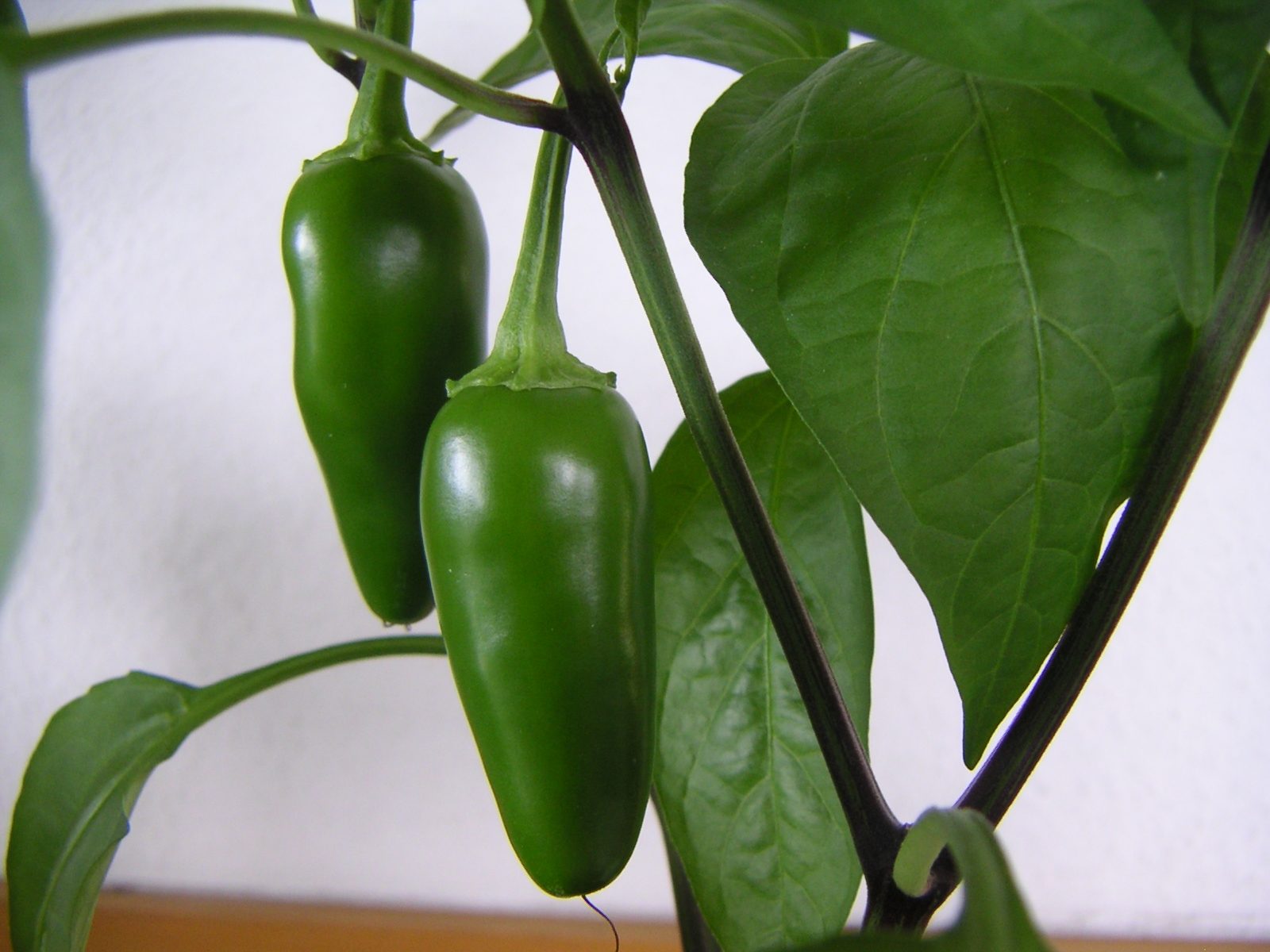
If you’ve ever grown jalapeños or bought a big bag at the store, you know how quickly they can pile up. Freezing them is one of the easiest ways to keep that heat and flavor on hand for months — and the good news is that you don’t need to blanch them first.
Jalapeño peppers (Capsicum annuum) are one of the few vegetables that freeze well without any pre-cooking. Whether you have a bumper garden harvest or just a handful of extras from the grocery store, a few minutes of prep is all it takes to preserve them properly. This guide walks you through everything you need to know, from prep to storage to knowing when they’ve gone bad.
Can You Freeze Jalapeño Peppers?
Yes, you can absolutely freeze jalapeño peppers without blanching them. There is no need to blanch jalapeños or any type of pepper before freezing. That means you skip the boiling water and ice bath entirely and go straight to the freezer — saving time without sacrificing quality.
Freezing is an excellent way to preserve jalapeño peppers, allowing you to enjoy their flavor and heat throughout the year. It works for whole peppers, slices, diced pieces, and even pureed jalapeños, so you can prep them in whatever format your recipes call for most.
Freezing without blanching is a common practice, especially for peppers that will be used in cooked dishes or sauces. If you plan to use them raw — as a garnish on nachos or in fresh pico de gallo — blanching beforehand can help preserve a bit more color and structure. But for the vast majority of everyday cooking uses, skipping that step is perfectly fine.
Pro Tip: Wear food-safe gloves when handling jalapeños. Capsaicin — the compound responsible for their heat — can linger on your skin and cause a burning sensation that’s hard to wash off with soap alone.
Does Freezing Change the Texture or Taste of Jalapeño Peppers?
Although frozen peppers lack the crispy texture of fresh peppers, they maintain their flavor and heat level for up to a year. The texture change is the main trade-off you’ll notice. Once thawed, jalapeños become softer and slightly limp — that satisfying crunch is gone.
The reason comes down to water content. The minute you freeze any vegetable, the water content in it becomes frozen, breaking down the fibers and altering the texture. So even if you freeze jalapeños for a few days, they will become soggier once thawed.
The heat, however, is a different story. Peppers like jalapeños stay spicy after being frozen because the capsaicin that gives them their heat is not affected by the freezing process. Capsaicin is an oily substance resistant to heat, cold, and most solvents, which means it won’t break down or evaporate easily.
You will notice a change in the texture — the slices will be softer and the seeds may have turned brown. This won’t affect the flavor, and you won’t notice the texture unless you use them in a recipe that doesn’t get cooked. For this reason, frozen jalapeños are not recommended for cold, uncooked recipes.
How to Freeze Jalapeño Peppers the Right Way
The process takes less than 15 minutes of active prep. Follow these steps to get the best results.
- Select firm, fresh peppers. Select jalapeño peppers that are firm, bright green, and free of blemishes or soft spots. Avoid peppers that are overripe, as they may be too soft and prone to spoilage.
- Wash and dry thoroughly. Wash the peppers thoroughly under cold running water to remove any dirt or debris. Pat the peppers dry with a clean towel or paper towels to remove excess moisture. Make sure all excess water is wiped off and peppers are as dry as possible to avoid freezer burn.
- Decide on your cut. Decide whether you want to freeze them whole, sliced, or diced. Preserving whole jalapeños is good if you want to use them for stuffed peppers or jalapeño poppers. If you don’t plan on making those specific recipes, it’s better to freeze them sliced or diced, since that’s how they are used in most recipes.
- Prep and cut. Trim off the stems. If freezing the peppers whole, use a paring knife and spoon to cut out the membrane and remove the seeds. For sliced jalapeños, perform this step then slice them crosswise into circles. If freezing them diced, cut them in half lengthwise, then remove the membranes and seeds. Cut the halves into strips and then into diced pieces. You can leave the seeds and membranes if you prefer more heat.
- Flash freeze on a baking sheet. To avoid your peppers sticking together while frozen, place a single layer of whole or sliced jalapeños on a baking sheet or cookie sheet lined with parchment paper. Place them in the freezer and leave them for one to two hours.
- Transfer to freezer bags. Once the peppers are completely frozen, transfer them to a vacuum seal bag or a freezer bag. If using a freezer bag, remove as much air as possible. Normal, thin plastic baggies will technically work, but they allow more air particles through to your peppers over time. Use freezer bags, which are designed for long-term freezer storage.
- Label and store. Write the date on the bag before placing it back in the freezer. This makes it easy to track how long they’ve been stored.
Pro Tip: Avoid silicone bags for jalapeños. The capsaicin in the peppers can rub off on the silicone and be difficult to remove. Stick to plastic freezer bags or freezer-safe glass containers.
If you enjoy preserving other foods at home, check out this guide on freezing jam without pectin for another easy preservation method.
How Long Can You Freeze Jalapeño Peppers?
Properly stored jalapeño peppers will maintain best quality for about 10 to 12 months in the freezer, but will remain safe beyond that time. Jalapeno peppers that have been kept constantly frozen at 0°F will keep safe indefinitely.
That said, quality does decline over time. You should try to use up all of your frozen jalapeños within 1 year. It is okay to keep jalapeño peppers frozen for longer than a year, though you may begin to notice negative changes in flavor and color.
Your storage method also affects how long they stay at peak quality. Keep your frozen jalapenos in for up to a year, although they’ll likely be best within 6 months, especially if you’re using ziplock bags. If you vacuum seal your peppers, they’ll last closer to 1 year or longer.
| Storage Method | Best Quality Window | Maximum Safe Storage |
|---|---|---|
| Standard ziplock freezer bag | Up to 6 months | Up to 12 months |
| Heavy-duty freezer bag (air removed) | 6–10 months | Up to 12 months |
| Vacuum-sealed bag | Up to 12 months | 12+ months |
| Freezer-safe glass container | 6–8 months | Up to 12 months |
How to Thaw Frozen Jalapeño Peppers
The easiest approach is to skip thawing entirely. You don’t need to defrost frozen jalapeños before using them in cooked dishes — simply add the frozen peppers directly to soups, stews, or casseroles. This approach maintains their flavor and texture, making freezing jalapeños a convenient option.
When a recipe does require thawed peppers, the process is simple. Remove the desired jalapeños from the freezer bag and place them on a paper towel or mesh rack to thaw. This will reduce moisture and condensation on the peppers to reduce the likelihood of soggy jalapeños.
You can cook frozen jalapeños right away or let them thaw to room temperature on a paper towel. Avoid thawing them in water, as this pulls out flavor and makes them even mushier than they’d otherwise be. For most cooked recipes, adding them straight from frozen is the best approach — they’ll thaw in just a couple of minutes in any hot dish.
Pro Tip: If you’re thawing jalapeños for a recipe that involves stuffing them (like jalapeño poppers), thaw them in the refrigerator overnight. This gives them a gentler thaw that helps them hold their shape better.
Can You Refreeze Jalapeño Peppers After Thawing?
Technically, you can refreeze jalapeños after thawing as long as they haven’t been left out at room temperature for more than two hours. However, each freeze-thaw cycle degrades the texture further, making them progressively mushier and less flavorful.
The better approach is to avoid needing to refreeze in the first place. If you use a vacuum sealer, make small batches for use throughout the year. That way, you can open a bag and use it all without the need to re-seal. Portioning your jalapeños into small bags before freezing — think tablespoon-sized amounts — means you only pull out what you need each time.
When you need jalapeños for a recipe, simply remove the required amount from your freezer bags, reseal the bags with no air inside, and replace them in your freezer. This minimizes exposure and keeps the remaining peppers in good condition for the next use.
How to Use Frozen Jalapeño Peppers (Best Uses After Freezing)
Frozen jalapeños are incredibly versatile in the kitchen. Because the texture softens after freezing, they work best in recipes where they’ll be cooked or blended rather than eaten raw.
Fresh jalapeño peppers work best for fresh salsa, nachos, and tacos, but frozen peppers work perfectly in soups, stir-fries, and when making baked jalapeño poppers with cream cheese and other stuffed pepper appetizers.
Here are some of the best ways to put frozen jalapeños to work:
- Soups and chilis: Add them straight from frozen — they’ll soften into the broth and add heat without any prep.
- Sauces and salsas: Frozen jalapeños can be pureed for hot salsa or thrown into soup for a kick.
- Jalapeño poppers: For cooked dishes like stuffed jalapeños and jalapeño poppers, frozen peppers that have been thawed will work great.
- Stir-fries and sautéed dishes: Drop them straight into a hot pan — it’s easy to open the bag and add some frozen peppers straight into a frying pan without slicing.
- Egg dishes: Diced frozen jalapeños work well in omelets, scrambled eggs, quiche, and breakfast burritos.
- Dips and casseroles: These jalapeños can be sautéed with your favorite veggies, stirred into soups or stews, or baked into creamy casseroles.
If you’re looking for more ways to eat well and use flavorful whole foods in your cooking, the guide to whole plant-based foods has plenty of inspiration. You might also enjoy exploring superfoods for a healthy heart — jalapeños and other capsaicin-rich peppers are often included in that category.
Signs That Frozen Jalapeño Peppers Have Gone Bad
Frozen jalapeños kept at a constant 0°F are technically safe indefinitely, but quality does decline. Here’s how to tell when a batch has passed its prime or genuinely gone bad.
Signs of freezer burn: The last thing you want is to open your frozen jalapeños in a month only to find freezer burn and frost buildup. Freezer-burned peppers develop dry, grayish-white patches on the surface. They’re still safe to eat, but the affected areas will taste papery and bland. Cut those spots away before using.
Signs of actual spoilage: Check for signs of mold or discoloration. If the jalapeño is wrinkled, soft, or has turned black or brown in spots, throw it out — these are signs of bad jalapeños. This is more likely to happen if the peppers were not fully frozen or if the freezer temperature fluctuated.
Off smell or flavor: Freezers tend to give foods an odd flavor after long periods of time. If you’ve left ice cube trays in the freezer too long, you know that ice doesn’t taste good — and neither will your jalapeños after that long. If the peppers smell stale or have absorbed other freezer odors, it’s time to toss them.
| What You See / Smell | What It Means | Safe to Eat? |
|---|---|---|
| White or grayish dry patches | Freezer burn | Yes — trim affected areas |
| Black or brown soft spots | Spoilage / mold | No — discard |
| Heavy frost inside the bag | Temperature fluctuation / air exposure | Inspect closely before using |
| Stale or off odor | Prolonged storage / freezer odor absorption | Use judgment — likely discard |
| Softer texture, slightly brown seeds | Normal freeze-thaw change | Yes — normal for frozen peppers |
For more on how food stays fresh (or doesn’t), the article on foods that support liver function touches on why food quality and freshness matter for overall health.
Frequently Asked Questions
Does freezing jalapeños make them hotter?
No. The heat level is affected more by the seeds and ribs than the process of freezing them. Removing the seeds and membranes before freezing will reduce the heat; leaving them in will keep the peppers just as spicy as fresh.
Do you need to blanch jalapeños before freezing?
Freezing jalapeño peppers does not require blanching, so don’t worry about that extra step. Blanching is not strictly required, but it will improve the texture of your thawed jalapeños if texture matters for your intended use.
Can you freeze jalapeños whole?
Jalapeño peppers are small enough to be frozen whole. In fact, most hot peppers — habaneros, ghost peppers, etc. — are on the small side and freeze best without chopping. Whole frozen jalapeños are ideal for stuffed pepper recipes.
Can you add frozen jalapeños directly to recipes without thawing?
Yes — use them in recipes straight from frozen for best results. They work especially well added directly to hot dishes like soups, stews, and stir-fries, where they thaw within minutes of hitting the heat.
What’s the best container for freezing jalapeños?
Heavy-duty freezer bags with as much air removed as possible are the most practical option. A vacuum sealer gives the best results for long-term storage. Silicone bags are not recommended for jalapeños — the capsaicin in the peppers can rub off on the silicone and be difficult to remove.
Can you freeze pickled jalapeños?
Technically yes, but it’s not recommended. The pickling brine changes texture significantly during freezing, and the resulting peppers tend to become very mushy after thawing. Fresh jalapeños are a much better candidate for freezing than pickled ones.
For more food storage tips and kitchen guides, explore foods that promote healthy skin, powerful nutrients and cancer-fighting foods, and the pros and cons of eating seafood — all practical reads for anyone focused on making the most of what’s in their kitchen.