Can You Freeze Mussels in White Wine Sauce? (What You Need to Know)

October 25, 2026
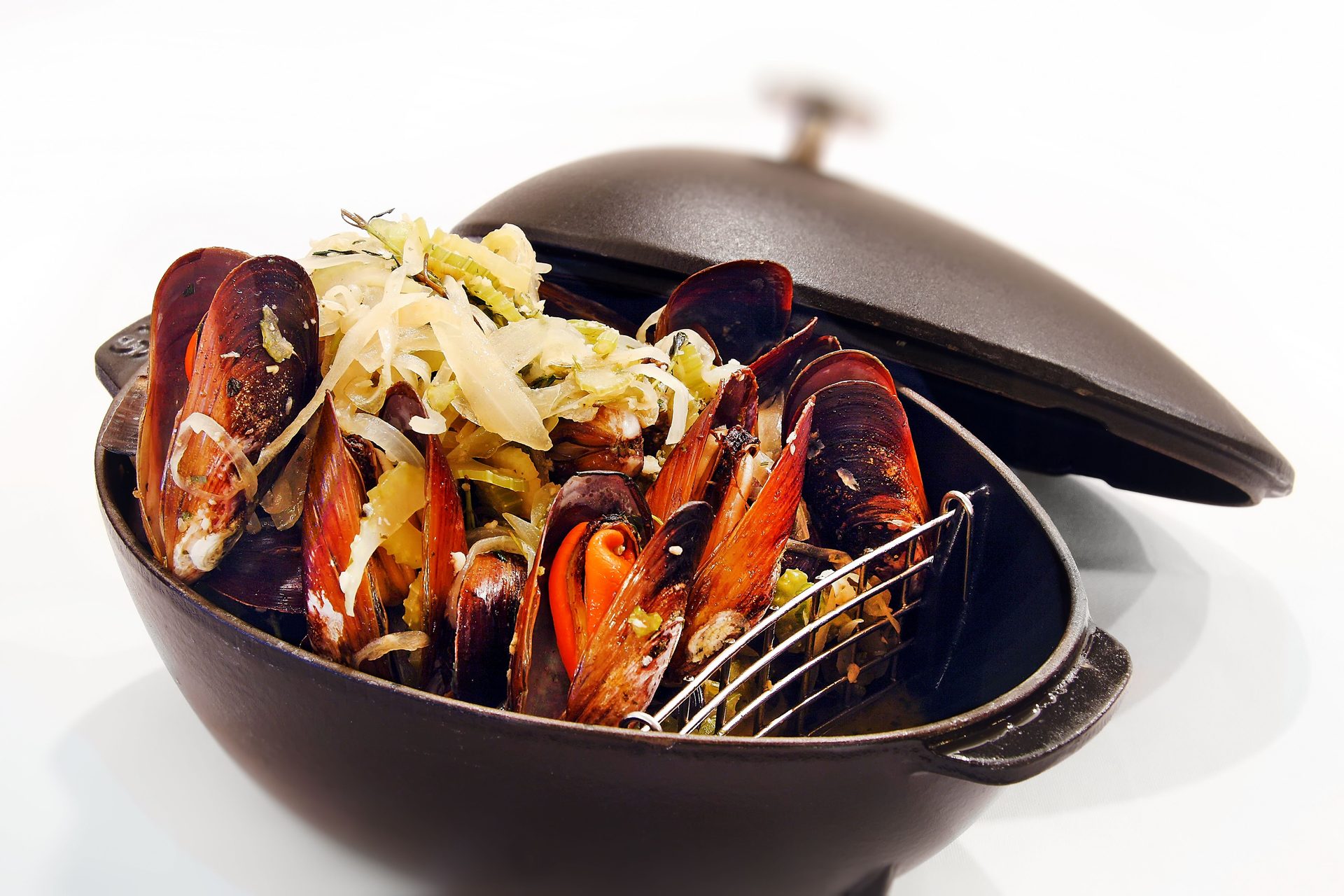
Mussels in white wine sauce make for a restaurant-worthy meal at home, but they rarely leave leftovers in convenient portions. If you’ve steamed a big pot and can’t finish it all, the freezer seems like the obvious solution — but mussels and their buttery, wine-based sauce each come with their own freezing quirks that are worth understanding before you seal up that bag.
The short answer is yes, you can freeze mussels — but the white wine sauce requires a different approach than the mussels themselves. Getting both right means the difference between a satisfying seafood dinner down the road and a grainy, rubbery disappointment. This guide walks you through every step, from freezing to thawing to knowing when to toss what’s in your freezer.
Can You Freeze Mussels in White Wine Sauce?
You can freeze the mussels themselves, but freezing them directly in the white wine sauce is not recommended. The white wine sauce can split and become grainy during freezing. That means the silky, buttery broth you worked to build will likely break into an oily, unpleasant mess once thawed.
The better approach is to freeze the mussels separately from the sauce. Instead of freezing them together, make up a fresh batch of the sauce when you come to serving the frozen mussels. This takes only a few extra minutes and gives you a far better result on the plate.
As for the mussels themselves, they can be frozen raw or cooked. If you’re freezing cooked mussels, wrap them tightly in tin foil before placing them in freezer-safe bags. You can store cooked mussels for up to six months in the freezer. That said, quality is best within the first three months.
Pro Tip: If you want to save a bit of the dish’s flavor, freeze the mussels with a small amount of their cooking broth (strained) rather than the full cream-based sauce. The broth freezes better than a butter-and-wine emulsion and helps keep the mussels moist.
Does Freezing Change the Texture or Taste of Mussels in White Wine Sauce?
Freezing does affect both the mussels and the sauce, though how much depends on how carefully you handle them. The freezing process can cause a slight change in texture, making thawed mussels slightly softer than fresh ones. However, with proper cooking techniques and flavorful seasonings, you can still enjoy delicious frozen mussels.
On the flavor side, opinions vary. There is a concern that freezing may adversely affect the quality of mussels. This does not necessarily mean a fishy taste or tough texture, because mussels freeze well and remain relatively unchanged when cooked after thawing. That said, fresh mussels typically have a sweeter flavor and a firmer texture compared to their frozen counterparts.
Some culinary sources take a harder stance. When shellfish like mussels are frozen, it can drastically compromise flavor and texture due to their high water content — as they freeze, this causes their cellular structure to burst. The result can be a loss in taste and texture, leading to bland and overly rubbery mussels. The key takeaway: freeze only what you plan to use in a sauce-heavy or soup-based dish, where a bold flavor environment compensates for any textural change.
As for the white wine sauce itself, it can split and become grainy when frozen, which is why separating it from the mussels before freezing is the right call every time.
How to Freeze Mussels the Right Way
Whether your mussels are raw or already cooked in white wine sauce, the process is straightforward. The most important rule: freeze them without the cream- or butter-based sauce.
For cooked mussels (removed from the sauce):
- Let the mussels cool completely to room temperature. They must be completely cooled before freezing.
- Wrap them tightly in tin foil before placing them in freezer-safe bags. This extra layer helps prevent freezer burn.
- Tip your mussels into heavy-duty freezer-safe bags. It’s a good idea to freeze them in portions, as this makes things easier when you come to defrost and enjoy them.
- Make sure you don’t overfill your bags and leave at least an inch or two of headspace. Then press out as much air as possible from the bags before sealing.
- Write today’s date, as well as the use-by date, on the front of the bag.
For raw mussels (if you haven’t cooked them yet):
- Discard any mussels with cracked shells or that are already open and unresponsive to tapping.
- Clean the mussels thoroughly by scrubbing the shells under cold running water and removing any beards.
- Place them in an airtight freezer bag. You may want to double up on the bags to ensure that the mussels do not get freezer burn.
- Label with the date and freeze immediately.
Pro Tip: If you’re freezing cooked mussels, consider adding a small amount of strained cooking broth (not the cream sauce) to the bag. To make them juicier, put them in an airtight container and cover them with a little of the cooking broth. This helps maintain moisture and prevents the mussels from drying out.
Choosing the right wine for your sauce before freezing matters too. A dry white wine like Sauvignon Blanc or Pinot Grigio works best in mussel preparations, as it adds brightness without overpowering the shellfish. You can also explore the best white cooking wines to find an option that suits your budget and flavor goals.
How Long Can You Freeze Mussels?
Freezer time depends on whether the mussels are raw or cooked. Here’s a quick comparison:
| Mussel Type | Freezer Life (Best Quality) | Notes |
|---|---|---|
| Raw mussels (in shell) | 2–3 months | Freeze within 1–2 days of purchase |
| Cooked mussels (no sauce) | Up to 3 months | Wrap in foil before bagging |
| Cooked mussels (with broth) | 3–4 months | Use strained broth, not cream sauce |
| White wine cream sauce (alone) | Not recommended | Make fresh when serving |
Mussels can be frozen for up to three months. After this time, they will start to lose their flavor and texture quality. It’s best to consume them within this time frame for the best eating experience.
The flavor and quality of the mussels may degrade over time in the freezer. It’s recommended to consume them within three months of freezing for the best culinary experience. While they may remain safe beyond that window, the eating experience declines noticeably.
How to Thaw Frozen Mussels
Thawing mussels safely is just as important as freezing them correctly. The wrong method can encourage bacterial growth or partially cook the flesh before you’re ready.
Refrigerator thawing (best method): Thaw frozen seafood gradually by placing it in the refrigerator overnight. This is the safest approach and keeps the mussels at a consistently safe temperature throughout the process. Simply transfer the frozen mussels from the freezer to the refrigerator and allow them to thaw for 24–48 hours before cooking.
Cold water thawing (faster method): If you have to thaw seafood quickly, seal it in a plastic bag and immerse it in cold water, changing the water every 30 minutes. Be sure to use cold water, as warm water can cause the mussels to start cooking and can lead to bacterial growth.
What to avoid: Avoid thawing mussels at room temperature or using hot water, as these methods may lead to bacterial contamination or partial cooking, affecting the taste and texture of the mussels.
Once thawed, cook your mussels promptly. You should use the mussels within 4 to 5 days of thawing and should never refreeze frozen mussels that have thawed. For the white wine sauce, make it fresh while the mussels are warming through — it comes together in under 10 minutes and will taste far better than any frozen version. If you’re out of white wine, check out these substitutes for white wine in cooking that work well in seafood sauces.
Can You Refreeze Mussels After Thawing?
No. Refreezing thawed mussels is not safe or advisable, and both food safety experts and culinary sources agree on this point.
Refreezing mussels is not recommended. The process of thawing and refreezing can significantly alter the texture and flavor of the mussels. It can also increase the risk of bacterial growth, making the mussels unsafe to eat.
It is not recommended to refreeze thawed mussels. Refreezing can compromise the texture and flavor of the mussels, and it also increases the risk of bacterial growth. Fulton Fish Market also does not recommend refreezing shellfish that was previously frozen.
The practical solution is to freeze mussels in individual portions before you freeze them the first time. That way, you only thaw exactly what you need for a single meal, and nothing goes to waste.
Important Note: If you bought frozen mussels from the store and thawed them at home, the same rule applies — do not refreeze them. Cook them within 24–48 hours of thawing and use them all in one sitting.
How to Use Frozen Mussels (Best Uses After Freezing)
Previously frozen mussels work best in preparations where a flavorful sauce or broth does the heavy lifting. Because the texture softens slightly after freezing, dishes that rely on the mussel’s raw, pristine bite are not the best fit. Here’s where frozen mussels shine:
- White wine and garlic sauce: This is the natural home for frozen mussels. Make a fresh batch of sauce with butter, garlic, shallots, and a good white wine, then add the thawed mussels to warm through. Their briny, sweet flavor and tender texture stay best when steamed first, then reheated with garlic butter or white wine sauce.
- Pasta dishes: Toss thawed mussels into linguine or spaghetti with a white wine pan sauce. The pasta absorbs any textural imperfection and the result is satisfying and filling.
- Seafood soups and chowders: Add thawed mussels near the end of cooking so they don’t overcook further. They add protein and brine to the broth without needing a perfect texture.
- Seafood stews: Frozen mussels are incredibly versatile and can be prepared in a flavorful broth with a variety of herbs and spices. Whether you’re making a white wine and garlic butter sauce, adding them to soups, or incorporating them into pasta dishes, the possibilities are endless.
- Rice and grain bowls: Stir thawed mussels into a saffron rice or farro bowl with lemon and herbs for a quick weeknight dinner.
Mussels are also a nutritional powerhouse worth working into your regular rotation. Packed with protein, iron, zinc, and vitamin B12, mussels are low in fat and provide numerous health benefits. For more on the broader benefits and considerations of eating shellfish, see this overview of the pros and cons of eating seafood.
When you’re ready to reheat, do so gently. Add the thawed mussels to a pan with your freshly made white wine sauce and cover for 3–5 minutes over medium-low heat. Avoid boiling them — they’re already cooked, and high heat will make the texture rubbery. If you need a wine alternative for the sauce, these white wine substitutes work well without sacrificing too much flavor.
Signs That Frozen Mussels Have Gone Bad
Even when properly frozen, mussels can go bad — especially if they were stored too long, experienced a temperature fluctuation, or weren’t in great shape before freezing. Here’s what to look for before you cook:
- Foul or ammonia-like odor: If you smell sour, rancid, or fishy odors in raw or cooked seafood, do not eat it. If you smell either a fleeting or persistent ammonia odor in cooked seafood, do not eat it. Fresh mussels should smell like clean ocean water, even after freezing.
- Slimy texture: A slimy or sticky texture on the mussel shell or flesh is a sign that it is no longer safe to eat.
- Unusual discoloration: Any unusual discoloration of the mussel flesh, such as blackening or a greenish hue, should be cause for concern.
- Freezer burn: Most of the unpleasant flavors in frozen seafood result from drying out and losing moisture during the freezing process. Moisture loss leads to freezer burn, oxidization, and a tough texture. While freezer-burned mussels aren’t always dangerous, the flavor and texture will be poor.
- Ice crystals and clumping in the bag: If the packaging shows signs of thawing and refreezing — large ice crystals, clumped shellfish — play it safe and discard.
- Off odor after cooking: Uncooked spoiled seafood can have sour, rancid, fishy, or ammonia odors. These odors become stronger after cooking. If anything smells wrong after heating, don’t eat it.
According to the FDA’s guidance on selecting and serving seafood safely , don’t buy frozen seafood if its package is open, torn, or crushed on the edges. Avoid packages with signs of frost or ice crystals, which may mean the fish has been stored a long time or thawed and refrozen. The same principle applies to mussels you’ve frozen at home.
When in doubt, throw it out. Eating spoiled mussels can lead to food poisoning, with symptoms such as nausea, vomiting, diarrhea, abdominal cramps, and fever. Shellfish food safety is not an area where it pays to take chances.
Frequently Asked Questions
Can you freeze mussels still in their shells?
Yes. Fresh mussels can be frozen either cooked or uncooked. If freezing them in the shell, clean them thoroughly first and discard any with cracked or open shells that don’t respond to tapping. If you freeze fresh shellfish in their shells, as they thaw, their shells may open. This applies to clams, mussels, and oysters. This is typically because the muscle keeping them closed starts to relax as it thaws.
Can you freeze store-bought mussels in sauce?
If the store-bought mussels came in a cream or butter-wine sauce, it’s best to remove the mussels from the sauce before freezing. The sauce is likely to split during freezing. Freeze the mussels separately and make a fresh sauce when serving. You can also explore white wine vinegar substitutes if your sauce recipe calls for a splash of acidity.
How do you know if frozen mussels are pre-cooked?
When purchasing frozen mussels, it’s important to ensure they are pre-cooked. Check the packaging label — most commercially frozen mussels in the US are pre-cooked and flash-frozen. If they are pre-cooked, you only need to heat them through rather than cook them from raw.
Can you cook frozen mussels without thawing?
Yes, for some preparations. You can add frozen mussels directly to a hot broth or sauce and let them heat through. However, thawing in the refrigerator first gives you better control over the final texture and reduces the risk of uneven heating.
How long do thawed mussels last in the fridge?
You should use the mussels within 4 to 5 days of thawing and should never refreeze frozen mussels that have thawed. For best quality, plan to cook them within 24 hours of thawing.
Is it safe to eat mussels that don’t open after cooking?
For fresh live mussels, yes — discard any that don’t open after cooking. The “discard if closed” rule applies to fresh, live shellfish only. A live mollusc will close tightly when tapped. After cooking, most should open. Any that remain tightly shut are usually discarded. However, frozen mussels are not alive when sold, since freezing kills them. Their shells may open slightly during freezing or thawing, but whether they open after cooking has no relation to safety.
What’s the best white wine to use in mussel sauce?
A dry white wine works best. A dry Sauvignon Blanc or Pinot Grigio is a great choice for mussel preparations. Avoid sweet wines, which can make the sauce taste unbalanced. For more guidance, see this breakdown of what dry white wine means and how to choose one for cooking. You can also review different types of white wine to find one that fits your taste and budget.