Can You Freeze Spinach Smoothies? Storage Tips, Shelf Life, and More

October 26, 2026
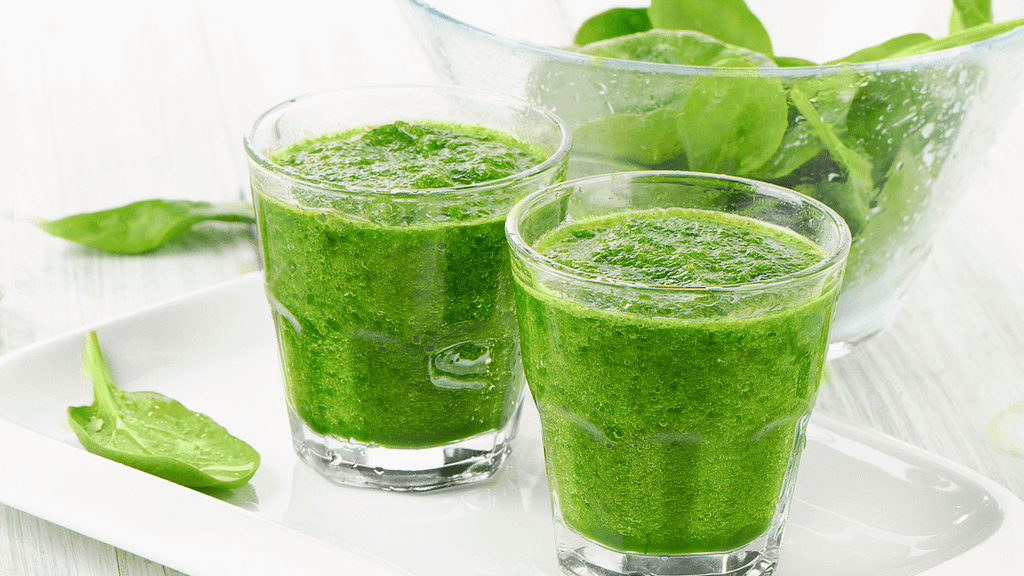
If you’ve ever opened your fridge to find a bag of spinach turning slimy just days after buying it, you already know the frustration. Spinach is one of the fastest-wilting greens in the produce aisle, and it can feel impossible to use a whole container before it goes bad.
The good news: freezing spinach for smoothies is not only possible — it’s one of the smartest food storage habits you can build. Whether you want to freeze the spinach itself or a fully blended smoothie, this guide walks you through everything you need to know, from prep to pour.
Can You Freeze Spinach Smoothies?
Yes, you can absolutely freeze spinach smoothies — both the spinach ingredient on its own and the finished blended drink. Freezing spinach is the best way to keep this nutritious leafy green on hand at all times without worrying it may go bad. That’s especially useful in the United States, where bulk bags of baby spinach from stores like Costco or Trader Joe’s are affordable but hard to finish before they turn.
Fresh spinach goes bad in the fridge so quickly, so freezing it helps reduce food waste. You can also make pre-blended smoothies to use up your spinach and stash them in the freezer for later. Either approach works well — it just depends on whether you prefer to prep your ingredients ahead of time or freeze full servings ready to thaw and drink.
Spinach (Spinacia oleracea) is a cool-season leafy vegetable with a high water content, which means it responds well to freezing when handled correctly. Its mild flavor blends seamlessly into smoothies, making it one of the easiest greens to freeze without affecting the taste of your finished drink. If you’re already adding it to heart-healthy food routines or fibroid-supportive diets, keeping a frozen stash makes it even easier to stay consistent.
Pro Tip: Freeze spinach the same day you open a fresh bag. Don’t wait until the leaves start to wilt — the fresher the spinach going in, the better the quality coming out.
Does Freezing Change the Texture or Taste of Spinach Smoothies?
Texture and taste hold up well in smoothie applications, even though freezing does change spinach structurally. Freezing spinach breaks down cellular walls, so it will lose the structure you would want for a salad. That’s a real drawback for fresh dishes — but it’s completely irrelevant when you’re blending.
Frozen spinach works great for freezer smoothies. You don’t have to worry about the post-freezing texture when the frozen spinach is blended with other ingredients. In fact, freezing can actually work in your favor. Frozen spinach can improve the texture of your smoothies. It acts like tiny ice cubes, making your drink thick, creamy, and extra frosty without watering it down.
On the flavor side, the news is equally reassuring. Freezing your spinach does not change the taste. Spinach has little-to-no taste in a smoothie, so it pairs well with many different flavors. If you do notice any bitterness after freezing, fresh, high-quality spinach shouldn’t taste bitter — if you notice a bitter taste, it might be because the spinach was a bit old before you froze it.
For color, be aware that if you mix spinach with dark-colored berries like blueberries or blackberries, your smoothie might end up a brownish color. It still tastes great, but if you want a prettier smoothie, stick with lighter-colored fruits like mango, pineapple, and banana.
How to Freeze Spinach Smoothies the Right Way
There are two main approaches: freezing the raw spinach leaves (or puree) for later blending, or freezing a fully blended smoothie. Both work well — the right choice depends on your routine.
Method 1: Freeze Raw Spinach Leaves
This is the simplest method and the best starting point for most people. Rinse the spinach thoroughly under cold water, swishing the leaves to remove dirt and pesticides. Repeat if needed until the water runs clear.
- Wash and dry: Use a salad spinner or pat dry with a clean towel to remove excess moisture. This helps prevent ice crystals from forming.
- Pack into bags: Place the spinach in freezer-safe bags or containers, pressing out excess air to minimize freezer burn. Consider portioning for easier use later.
- Label and freeze: Write the date on the bag or container and lay flat in the freezer, ensuring good air circulation for even freezing. Once solid, you can stack them neatly.
- Use from frozen: No need to thaw — just add the frozen leaves right from the freezer to your blender when making smoothies.
Method 2: Freeze Spinach Puree Cubes
If you want to use frozen spinach in smoothies or as a base, make and freeze spinach puree. To do this, blend your washed and dried fresh spinach leaves along with water. This method takes a few extra minutes but makes your morning routine much faster.
- Blend washed spinach with about ½ cup of water until completely smooth.
- Pour directly into an ice cube tray. Place the ice cube tray in your freezer until spinach cubes are frozen solid (about 4 hours).
- Once the cubes are frozen, pop them out and store them in a large plastic bag or airtight container in the freezer.
- When ready to use, toss 6 cubes into your blender for any smoothie recipe that calls for 1 cup of spinach.
Method 3: Freeze a Fully Blended Smoothie
Start by preparing your spinach smoothie recipe of choice. Make a larger batch than usual so you have plenty in the freezer. Transfer your blended spinach smoothie to individual serving containers. Pour leftover smoothie into a standard silicone ice cube tray, freeze until solid (about 4–6 hours), then transfer the cubes into a labeled zip-lock freezer bag or airtight glass container.
Pro Tip: If freezing a smoothie in a glass jar, leave at least 1 inch of headspace. Liquids expand as they freeze — a jar filled to the brim will crack or shatter in the freezer.
How Long Can You Freeze Spinach Smoothies?
Storage time depends on which method you used. Here’s a quick breakdown:
| What You Froze | Recommended Storage Time | Maximum Safe Time |
|---|---|---|
| Raw spinach leaves (unblanched) | Up to 1 month for best quality | Up to 1 year if well-sealed |
| Blanched spinach leaves | 3–4 months | Up to 1 year |
| Spinach puree cubes | 3 months | 3–4 months |
| Fully blended smoothie | Up to 3 months | 3 months |
Frozen spinach can last in the freezer for between 6–12 months if stored properly. For the best quality, use it within 6 months. For spinach puree cubes specifically, the frozen spinach ice cubes will last in the freezer about 3 months.
For fully blended smoothies, properly frozen smoothies maintain their flavor, color, and nutritional profile for up to 3 months with almost zero effort. To maximize shelf life, remove as much air as possible from the freezer bags and do not keep them near the freezer door to avoid exposure to warm air.
If using spinach within a few months, a standard freezer is sufficient. For longer freezing, use a deep freezer since it will keep the frozen food at a lower temperature, prolonging its quality.
How to Thaw Frozen Spinach Smoothies
How you thaw your frozen spinach depends on which format you froze it in. The good news is that for smoothies, thawing is often optional.
If you froze raw spinach leaves or puree cubes, there’s no need to thaw the frozen spinach first. Just add the frozen spinach cubes right into a pot of simmering soup or stew, or add the frozen spinach leaves right into the blender with the rest of your smoothie ingredients.
For fully blended smoothies frozen in containers, you have a few options:
- Overnight fridge thaw: Move the container from freezer to fridge the night before. Thaw until drinkable before consuming. This is the most hands-off method.
- Re-blend from frozen: The re-blend method — dumping frozen smoothie cubes into a blender with a small splash of milk or water and running on high — is the fastest and produces the freshest-tasting result, because you’re essentially making a new smoothie from pre-measured ingredients.
- Partial thaw and eat: You can also eat them with a spoon like soft serve if you keep them partially frozen.
Important Note: Never thaw food at room temperature, such as on the countertop. Food must be kept at a safe temperature during thawing. Always thaw in the refrigerator or blend directly from frozen.
After thawing, separation is normal. Separation is a physical property of blended suspensions, not a sign of spoilage. Simply shake the sealed jar vigorously for 10–15 seconds before drinking to fully recombine.
Can You Refreeze Spinach Smoothies After Thawing?
The short answer is yes, with some caveats. It is safe to refreeze the leftover smoothie made with frozen spinach. However, refreezing does affect quality. It is not recommended as the quality might not be the same, but you can safely refreeze thawed spinach if it has been stored in the fridge for no longer than 2 days.
This aligns with general food safety guidance. According to food safety experts at the Culinary Institute of America , “refreezing the food might result in undesirable changes in texture and some loss of flavor but it will be safe to eat.”
For spinach smoothies specifically, the bigger concern with refreezing is the dairy or nut milk component. Smoothies with yogurt or dairy should be treated as perishable and consumed within 24 hours, following the same food safety window as any dairy product. If your smoothie contains dairy, err on the side of caution and don’t refreeze it after it has fully thawed.
How to Use Frozen Spinach Smoothies (Best Uses After Freezing)
Frozen spinach is one of the most versatile freezer staples you can keep on hand. Once you have a stash ready, here are the best ways to put it to use.
Green Smoothies and Smoothie Meal Prep
This is the most popular use by far. Use 2–3 spinach cubes per smoothie. They pair well with almond milk, frozen pineapple, frozen mango, and chia seeds. It is better to blend spinach with sweet ingredients like banana, mango, or honey to balance its earthy taste.
You can also build full smoothie packs ahead of time. A freezer smoothie is basically a pre-assembled bag that contains all the necessary ingredients for your favorite smoothie recipe. Start by placing your favorite fruits and veggies in individual-sized freezer bags. Label the bag with the contents, date, and then freeze it. On busy mornings, you just dump the bag into the blender, add liquid, and go.
Soups, Stews, and Sauces
Frozen spinach also works well in soup or stock, stir-fry, dips, quiche, and pasta dishes. The wilted texture that makes frozen spinach unsuitable for salads is completely unnoticeable when it’s stirred into a pot of soup or blended into a sauce. Spinach is one of the top nutrient-dense foods worth incorporating daily, and keeping it frozen makes that easier year-round.
Eggs and Savory Breakfasts
Frozen spinach cubes drop directly into scrambled eggs, omelets, or frittatas without any prep. One serving of raw spinach (about ½ cup) has only 5 calories and contains 60% of your daily vitamin A and 15% of your daily vitamin C. It also has folate, manganese, calcium, magnesium, and iron. Adding it to eggs is one of the easiest ways to get those nutrients into your morning without extra effort. Spinach is also a standout among foods that support healthy skin and foods that promote healthy eyesight, thanks to its lutein and zeaxanthin content.
Smoothie Popsicles
You can also turn leftover smoothies into smoothie popsicles. All you need to do is pour them into paper cups and stick them on an even surface in the freezer. These make a great snack for kids and adults alike, especially during hot summers across the US.
Signs That Frozen Spinach Smoothies Have Gone Bad
Frozen spinach and spinach smoothies don’t last forever, and knowing when to toss them saves you from a bad experience. It is easy to tell if the spinach is not good anymore by looking at and smelling it. Bad spinach has wilted, slimy leaves and it smells rather sour. If you are unsure if your spinach is still good, it is better to discard it.
Here are the key warning signs to watch for:
- Sour or off smell: Any sour, fermented, or unpleasant odor is a clear sign the spinach or smoothie has spoiled. Other signs that a smoothie has gone off include it giving off a bad smell or taste. Always smell a refrigerated smoothie before consuming it.
- Heavy ice crystals or freezer burn: Check periodically for freezer burn so that it doesn’t go to waste. If you see ice crystals beginning to form on the spinach, use it soon.
- Mold: Sometimes, the fact a smoothie has gone off is made obvious by the development of mold. Discard immediately if you spot any.
- Color changes (in thawed smoothies): Smoothies containing spinach or kale tend to turn a muddy olive-green by hour 36 as the chlorophyll breaks down — they’re still safe to drink but visually less appealing. A color shift alone isn’t a spoilage indicator, but combined with an off smell, it’s time to toss it.
- Slimy texture after thawing: Thawed spinach will be soft and wilted — that’s normal. But if the leaves feel slimy and mushy rather than just soft, they’ve gone bad.
Important Note: Freezing is not going to make the spinach any better than it is when it goes in the freezer. Always start with fresh, high-quality spinach. Freezing preserves quality — it doesn’t restore it.
Frequently Asked Questions
Do You Need to Blanch Spinach Before Freezing It for Smoothies?
Although blanching the spinach can preserve its bright green color, it is not necessary to blanch spinach before freezing. For smoothies, skipping the blanching step is perfectly fine and saves time. Blanching is more useful if you plan to store spinach for longer periods or use it in cooked dishes where color matters.
Can You Freeze Store-Bought Spinach Without Washing It First?
Packaged spinach is usually labeled pre-washed, but it’s still worth a quick rinse. Spinach should always be washed before freezing to remove dirt, pesticides, and bacteria. Rinse it thoroughly under cold water, then pat dry with a clean towel or use a salad spinner to remove excess moisture.
How Long Does a Spinach Smoothie Last in the Fridge?
Spinach or kale smoothies last about 24 hours in the fridge, as greens oxidize quickly, causing browning and flavor changes. If you’re not drinking your smoothie the same day, freeze it instead. Spinach is also among the most beneficial whole plant-based foods you can include in your diet, so it’s worth preserving properly.
Can You Add Frozen Spinach Directly to a Blender?
Yes — and this is actually the recommended approach. No need to thaw; just add the frozen spinach leaves right from the freezer to your blender when making smoothies. Let the frozen spinach sit for a bit before blending — it will make your smoothie smoother. If your blender struggles, add a splash of extra liquid to help things along.
Will Frozen Spinach Make My Smoothie Too Thick?
If you are using frozen spinach in smoothies, consider reducing other frozen fruits and ice to avoid making it too thick. Add more liquid — milk, yogurt, or juice — if you want a thinner smoothie. Adjusting the liquid ratio is the easiest fix. Spinach is also a great complement to liver-supporting foods and anti-cancer dietary strategies worth building into your regular routine.