Can You Freeze Buttermilk Chicken? Everything You Need to Know

October 25, 2026
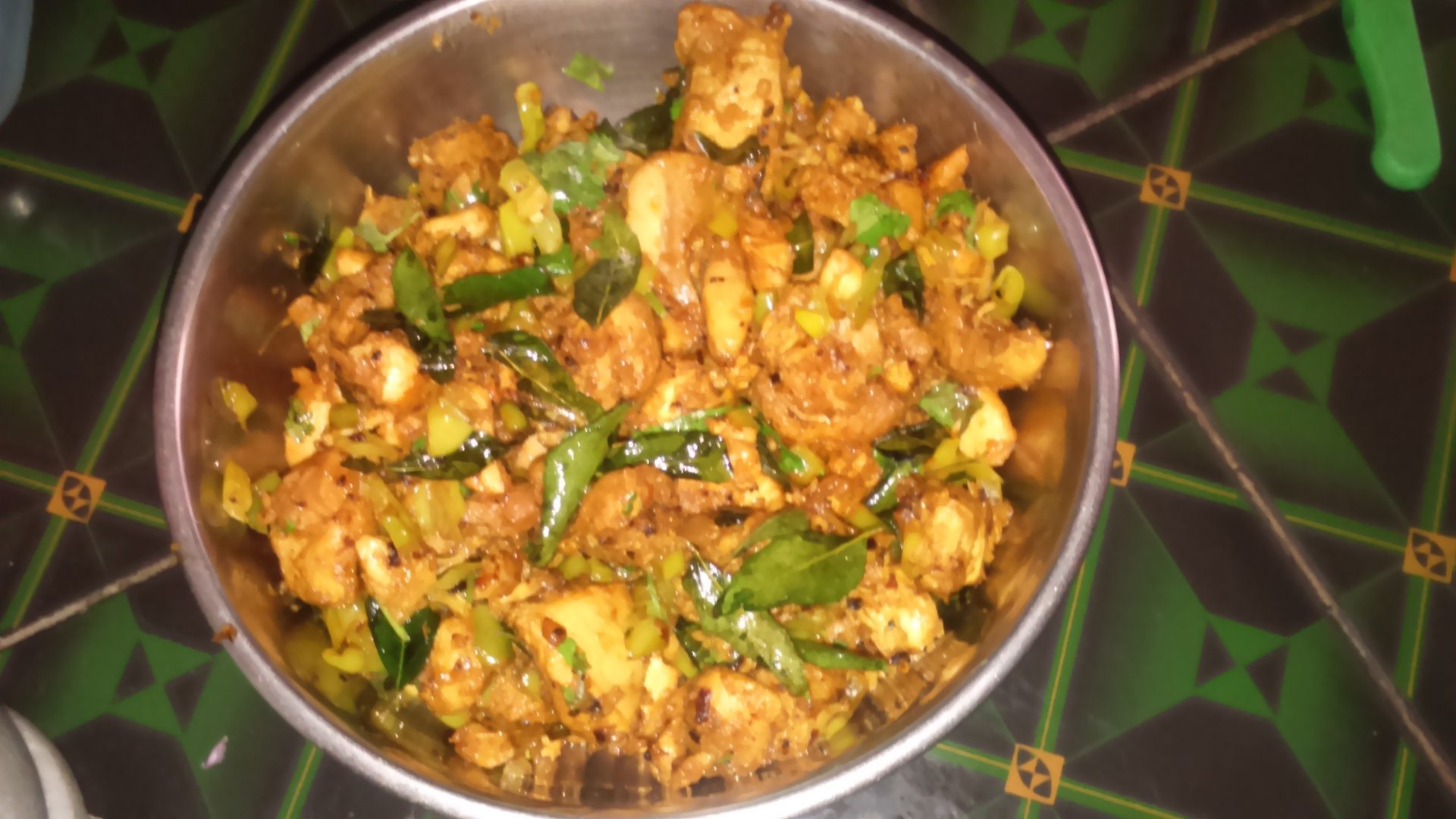
Buttermilk chicken is one of those meals worth making in bulk. The marinade does most of the work, the chicken comes out tender and full of flavor, and it pairs well with just about any side dish. If you’ve ever made a big batch and wondered whether you can stash some in the freezer for later, the answer is yes — with a few important details to get right.
Freezing buttermilk chicken works whether the chicken is still raw and marinating or already cooked. Either way, the process is straightforward, and doing it correctly means you’ll have a ready-to-cook or ready-to-reheat meal waiting for you on a busy weeknight. This guide walks you through every step, from packaging to thawing to spotting signs of spoilage.
Can You Freeze Buttermilk Chicken?
Yes, you can freeze buttermilk chicken — both raw chicken soaking in a buttermilk marinade and fully cooked buttermilk chicken freeze well. You can freeze almost any chicken marinade, and this includes chicken marinated in buttermilk or yogurt. The buttermilk doesn’t cause any problems in the freezer, though there is one thing worth knowing about its texture after thawing.
Marinades that contain milk or dairy will have a tendency to separate when frozen. This is completely normal and doesn’t mean the chicken has gone bad. Once you thaw the chicken, give the bag a gentle shake or massage to redistribute the marinade before cooking. The flavor and tenderizing effect are not lost.
Once frozen, chicken stops absorbing the marinade, so freezing will not over-marinate your chicken — it’s perfectly fine to do. That’s actually a useful quality for meal prep: you can marinate and freeze in the same step without worrying about the acid breaking down the meat too much.
Pro Tip: If you want to avoid separated dairy in the bag, marinate the chicken for up to 24 hours in the fridge, then discard the used buttermilk marinade and freeze the chicken on its own in a clean airtight bag. This gives you all the tenderizing benefit without any textural changes from frozen dairy.
Does Freezing Change the Texture or Taste of Buttermilk Chicken?
Freezing has a modest effect on both texture and flavor, but it’s not dramatic if you store the chicken properly. Freezing keeps food safe by slowing the movement of molecules, causing microbes to enter a dormant stage, but the quality of the poultry may diminish the longer it is frozen. The main culprits for texture changes are freezer burn and extended storage time.
Proper wrapping prevents freezer burn, which appears as grayish-brown leathery spots caused by air reaching the surface of food. You can cut freezer-burned portions away either before or after cooking, but heavily freezer-burned products may have to be discarded because they may be too dry or tasteless.
The buttermilk marinade itself holds up well in the freezer for cooking purposes. Fresh herbs retain much of their flavor in the freezer, meaning your chicken will stay flavorful after a deep freeze. As long as you seal the packaging tightly and use the chicken within the recommended window, the difference in taste compared to freshly marinated chicken is minimal.
Cooked buttermilk chicken does lose a little moisture during the freeze-thaw cycle, since raw meat and poultry maintain their quality longer than their cooked counterparts because moisture is lost during cooking. To minimize dryness when reheating cooked frozen chicken, cover it loosely with foil in the oven or add a small splash of broth.
How to Freeze Buttermilk Chicken the Right Way
Getting the packaging right is the most important step. Air is the enemy — it causes freezer burn and degrades flavor faster than anything else. Follow these steps whether you’re freezing raw marinated chicken or cooked leftovers.
Freezing Raw Buttermilk-Marinated Chicken
- Start with fresh chicken. Start with the freshest chicken you can find and ensure that it has been kept refrigerated, and preferably has not been previously frozen.
- Marinate first (optional but recommended). Simply make the buttermilk marinade, add the chicken, and then instead of popping it into the fridge, put it directly in the freezer where it can stay for a couple of months. You can also let it marinate for up to 24 hours in the refrigerator first.
- Use the right container. Use ziptop freezer bags or freezer-safe containers with lids — plastic bags work well, but there are also reusable silicone freezer bag options available. Avoid metal containers, since the acidity of buttermilk can cause a metallic taste to develop over time.
- Remove as much air as possible. Place the chicken in the freezer-safe container or zip bag and combine with the marinade so all sides of the chicken are coated. Press down to remove all the air from the zip bag, seal, and fold over.
- Label the bag. Label with the date as well as the contents. If there are special serving instructions, add those too.
- Freeze flat. Lay the bag on its side and smooth out the chicken so that it freezes in its original shape. This also makes it easier to stack bags in the freezer.
Freezing Cooked Buttermilk Chicken
If you have leftovers, transfer them to an airtight container and place them in the refrigerator uncovered for a few hours until they are fully chilled, then cover with the lid. Reheat in a 350°F oven or in the microwave until heated through. Chill and then freeze in an airtight container for up to 3 months.
Refrigerate leftovers in shallow containers within 2 hours of cooking. Use leftover poultry within 3 to 4 days, or freeze. Don’t leave cooked chicken sitting out at room temperature before freezing — the 2-hour window matters for food safety.
Pro Tip: If you plan to freeze chicken for longer than 2 months, overwrap the porous store plastic packages with airtight heavy-duty foil, plastic wrap, or freezer paper, or place the package inside a freezer bag. The double layer adds meaningful protection against freezer burn.
How Long Can You Freeze Buttermilk Chicken?
The answer depends on whether the chicken is raw or cooked, and whether it’s still in the marinade or not. Here’s a quick reference:
| Type of Buttermilk Chicken | Recommended Freezer Time | Notes |
|---|---|---|
| Raw chicken in buttermilk marinade | 2–3 months (best quality) | Safe longer, but dairy marinade degrades quality faster |
| Raw chicken without marinade | Up to 9 months | Per USDA guidelines for raw chicken parts |
| Cooked buttermilk chicken | Up to 3 months | Best flavor and texture within this window |
| Ready-prepared rotisserie-style chicken | Up to 4 months | Per USDA Food Safety and Inspection Service |
The limit on frozen, unmarinated chicken is one year, per the USDA. Marinated chicken has acid present which can reduce its quality under long freezing times. It’s best to use your marinated chicken within 2 months for best taste and texture. If you’ve discarded the buttermilk marinade before freezing, the raw chicken can last closer to the standard 9-month window for chicken parts.
For cooked chicken, it is safe to freeze ready-prepared chicken, and for best quality, flavor, and texture, use it within 4 months. Most home cooks find 3 months to be the sweet spot before any noticeable decline in moisture and flavor.
How to Thaw Frozen Buttermilk Chicken
Thawing safely is just as important as freezing correctly. The method you choose affects both food safety and the final texture of your chicken.
Refrigerator thawing (best method): Thawing marinated chicken in the fridge overnight is always the best idea since the temperature is both stable and controlled. Place the bag on a rimmed plate or baking sheet to catch any drips, and keep it on the bottom shelf of your refrigerator away from ready-to-eat foods. When you remove marinated chicken from the freezer, store it in the refrigerator until you’re ready to cook it, up to 2 days.
Cold water thawing (faster method): Thaw chicken in cold water, changing the water every 30 minutes to ensure it remains cold. Keep the chicken in its sealed bag and submerge it in a bowl of cold tap water. Cook the chicken immediately after it thaws using this method — don’t refrigerate it for later.
Microwave thawing: You can use the defrost setting on your microwave if you plan to cook the chicken right away. Microwaving creates uneven temperatures that can partially cook some sections, so move straight to the stovetop, oven, or grill without any delay.
Never thaw chicken at room temperature. Bacteria multiplies rapidly at temperatures between 40 and 140°F — out of refrigeration and before thorough cooking occurs. Leaving frozen chicken on the counter is one of the most common food safety mistakes in American home kitchens.
Important Note: Freezing doesn’t kill bacteria, but they are destroyed by thorough cooking. Always cook thawed buttermilk chicken to an internal temperature of 165°F, verified with a meat thermometer, regardless of how it looks on the outside.
Can You Refreeze Buttermilk Chicken After Thawing?
This is a question worth getting right. The general guidance is to avoid refreezing raw buttermilk chicken once it has been fully thawed, though the reasoning is about quality more than safety in most cases.
It is not recommended to refreeze marinated chicken that has been previously frozen. Each freeze-thaw cycle draws moisture out of the meat, and buttermilk-marinated chicken that has been thawed and refrozen tends to come out noticeably drier and less flavorful after cooking.
The USDA’s Food Safety and Inspection Service explains that freezing keeps food safe by slowing the movement of molecules, causing microbes to enter a dormant stage, and it prevents the growth of microorganisms that cause both food spoilage and foodborne illness. However, once thawed, these microbes can again become active, multiplying under the right conditions to levels that can lead to foodborne illness. Since they will then grow at about the same rate as microorganisms on fresh food, you must handle thawed items as you would any perishable food.
The practical takeaway: if you thawed the chicken in the refrigerator and it never got above 40°F, refreezing is technically safe per the USDA Food Safety and Inspection Service , but the texture will suffer. A better approach is to freeze buttermilk chicken in individual or meal-sized portions so you only thaw what you need.
How to Use Frozen Buttermilk Chicken (Best Uses After Freezing)
Once your buttermilk chicken is thawed, it’s ready to cook just like fresh. The tenderizing effect of the buttermilk is already locked in, so you don’t need to re-marinate. Here are the best ways to use it:
- Baked or roasted: Transfer frozen chicken from the freezer to the fridge and thaw for 24 hours. Preheat the oven to 375°F. Remove chicken from marinade and arrange on a parchment-lined baking sheet; discard remaining marinade. Pat the chicken dry with paper towels before baking for crispier skin.
- Grilled: Remove the chicken from the marinade and transfer it to an oiled grill rack over direct heat. Let the chicken cook until dark golden brown and the internal temperature reaches 165°F, turning occasionally.
- Sliced over salads: Slice and top over a veggie-packed salad for a protein boost. This works especially well with grilled or baked thighs and breasts.
- Shredded for sandwiches or wraps: Thawed and baked buttermilk chicken shreds easily and makes an excellent sandwich filling, especially with coleslaw and pickles for a Southern-style meal.
- Stirred into soup: Shred it and stir it into a veggie-rich soup for a quick weeknight dinner. The already-tender meat holds up well in broth.
- Chopped into pasta: Chop it and stir it into a creamy pasta dish for a filling meal that comes together in minutes.
Buttermilk chicken pairs naturally with foods that support a healthy, balanced diet, and its high protein content makes it a practical anchor for a range of meals throughout the week. If you enjoy cooking with nutrient-dense ingredients, it also fits well alongside whole plant-based foods for a well-rounded plate.
Signs That Frozen Buttermilk Chicken Has Gone Bad
Even with proper storage, it’s smart to do a quick check before cooking. Here’s what to look for at each stage:
While Still Frozen
- Color: Frozen chicken past its prime will have a greenish or gray color. Yellow patches across the surface or on the fatty parts are another sign it’s no longer safe to cook and eat.
- Smell: Surprisingly, frozen chicken that has expired, despite being kept frozen, will begin to have an unpleasant odor. Unwrap your frozen chicken and give it a good sniff. Any hint of foul odors is an indication that the chicken has spoiled.
- Excessive ice crystals: Some ice crystals are normal, but excessive crystallization or visible ice lenses and layers suggest improper freezing. Dry brown or white leathery patches indicate the chicken has been poorly wrapped. While unpleasant in texture, freezer-burned chicken is generally still safe if the surrounding meat appears normal.
After Thawing
- Texture: If your chicken feels slimy or sticky after thawing, it’s a signal that it may be unsafe to eat. This tactile change is due to bacterial growth breaking down the meat proteins, producing a slimy film on the chicken’s surface.
- Smell: Freshly thawed chicken has a mild odor. Discard chicken that smells sour or putrid — these odors indicate spoilage and bacterial contamination. An overpowering urine-like smell means the chicken has started decomposing and is dangerous to eat.
- Color after thawing: Fresh raw chicken is usually a light pink color with white pieces of fat and little to no odor. If your chicken is slimy, has a foul smell, or has changed to a yellow, green, or gray color, these are signs that your chicken has gone bad.
Important Note: Keep in mind that buttermilk itself has a naturally tangy, slightly sour smell. When checking thawed buttermilk chicken, the marinade residue may smell mildly sour — that’s normal. What you’re watching for is a sharp, rotten, or ammonia-like odor that goes well beyond the normal tang of cultured dairy.
When in doubt, throw it out. Cooking chicken to an internal temperature of 165°F will kill most bacteria, but it’s no salvage for spoiled chicken — if it’s bad, cooking won’t make it safe to eat.
Frequently Asked Questions
Can you freeze raw chicken in buttermilk before it has marinated?
Yes. With a little extra effort the day you come home from the grocery store, you can completely prep your chicken for a smoother weekday meal. Simply make the buttermilk marinade, add the chicken, and then instead of popping it into the fridge, put it directly in the freezer. The chicken will begin to absorb the marinade as it thaws in the refrigerator.
How long can buttermilk chicken marinate in the fridge before freezing?
Generally, chicken can safely marinate in buttermilk in the refrigerator for 12 to 24 hours, with 8 to 12 hours being the ideal range for maximum tenderness without compromising texture. Beyond 48 hours, the buttermilk’s enzymes begin to break down the chicken’s proteins excessively, leading to a mushy texture rather than the desired tenderness. If you’re not cooking within 24 hours, move the chicken to the freezer.
Does buttermilk separate when frozen with chicken?
Yes, dairy-based marinades typically separate during freezing. This is a cosmetic change, not a safety issue. Once thawed, the marinade may look curdled or watery. Massage the bag gently to recombine it before cooking. The flavor and tenderizing properties remain intact.
Can you freeze fried buttermilk chicken?
You can, but the breading will lose its crunch after freezing and thawing. Chill and then freeze in an airtight container for up to 3 months. Thaw in the fridge overnight before reheating. To restore some crispness, reheat in a 375°F oven on a wire rack rather than in the microwave.
Is it safe to use the leftover buttermilk marinade after thawing?
Bring marinade to a full boil before brushing it on cooked chicken. Discard any uncooked leftover marinade. Raw chicken juices contaminate the marinade during soaking, so never use it as a sauce without boiling it thoroughly first. Most cooks find it easier to simply discard it and make a fresh sauce separately. For more on nutrient-rich foods and smart food handling habits, exploring other healthy eating resources can help round out your kitchen knowledge.
What’s the best way to reheat frozen cooked buttermilk chicken?
Warm in a 350°F oven or in the microwave until heated through. For the oven method, cover the chicken loosely with foil for the first half of reheating to trap steam and keep the meat moist, then uncover for the last few minutes if you want the skin to crisp up. Reheat all leftovers thoroughly to a temperature of 165°F.