Can You Freeze Mini Sweet Peppers Whole? (Yes — Here’s How)

October 25, 2026
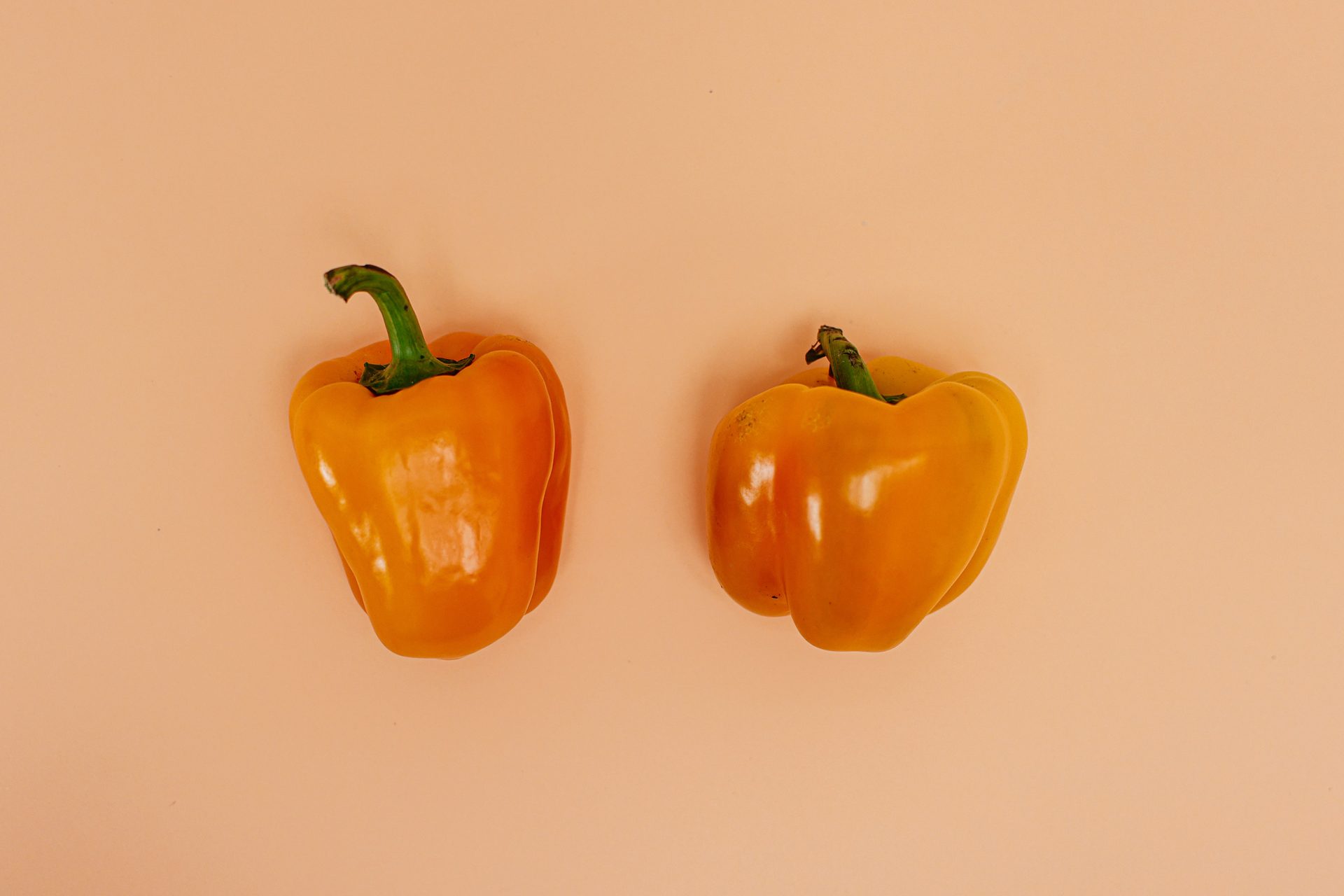
Mini sweet peppers are one of those produce-aisle staples that seem to disappear from shelves right when you stocked up on too many. Whether you grabbed a big bag at Costco, scored a deal at your local farmers market, or grew more than you can eat fresh, freezing is one of the smartest ways to keep them from going to waste.
The good news: peppers are one of the few vegetables that freeze well without blanching first. That means less prep work and more flexibility. This guide walks you through everything — from whether freezing changes the taste, to the right method, storage times, thawing tips, and what to cook with them afterward.
Can You Freeze Mini Sweet Peppers?
Yes, you can absolutely freeze sweet mini peppers to extend their shelf life. They hold up well in the freezer whether you freeze them whole, halved, or sliced — and the process requires almost no special equipment.
Mini sweet peppers belong to the species Capsicum annuum, the same species that includes bell peppers, jalapeños, and banana peppers. Common types include Sweet Mini Bell, Sweet Mini Snack, and Sweet Mini Lunchbox peppers, available in red, yellow, and orange varieties. All of these freeze well using the same basic method.
Unlike canning or dehydrating, freezing requires very little equipment and only a few minutes of preparation. If you plan to stuff them later, freezing whole (with the seeds removed) is the best approach. If you want them ready to toss into cooked dishes, slicing before freezing saves you time down the road.
Pro Tip: Freeze mini peppers at their peak ripeness for the best results. According to the USDA Food Safety and Inspection Service , foods frozen at peak quality thaw tasting noticeably better than those frozen near the end of their useful life.
Does Freezing Change the Texture or Taste of Mini Sweet Peppers?
Texture is the one trade-off you should expect. Frozen peppers soften slightly after thawing because freezing breaks down their cell structure. While they lose some crispness, they still retain their flavor and color. You won’t get that satisfying raw crunch back after thawing, but the sweet flavor stays largely intact.
For cooked dishes, this softening is barely noticeable. Frozen vegetables never have the same consistency as their raw counterparts, so they’re best used in cooked dishes. Think soups, stir-fries, fajitas, egg scrambles, and casseroles — all situations where the pepper softens during cooking anyway.
On the flavor side, in cooked dishes, you’ll never know the difference, as that same summery sweetness is still there. The natural sugars that make mini sweet peppers so appealing in the first place survive the freezing process well. Color also holds up nicely when the peppers are properly packaged and stored at the right temperature.
If you’re hoping to use thawed peppers raw — on a veggie tray or in a fresh salad — the texture won’t be ideal. Save your frozen batch for heat-based cooking and keep fresh peppers on hand for raw applications.
How to Freeze Mini Sweet Peppers the Right Way
The method you choose depends on how you plan to use the peppers later. Here are your two main options, plus the step-by-step process that applies to both.
Option 1: Freeze Whole (Best for Stuffed Peppers)
For freezer storage, keep small peppers whole and cut up the larger ones. If you plan to make stuffed peppers later, freezing them whole (seeds removed) is the most convenient approach. Slice off the top of the peppers and pull out the cores. Then flash-freeze the tops and the peppers separately, and transfer them to freezer bags once they’re frozen.
Option 2: Slice or Chop (Best for Everyday Cooking)
Sliced or chopped peppers are easier to measure out for recipes and thaw faster. Wash and cut the tops off of the mini sweet peppers, clear out the seeds, and slice them at your desired thickness. Lay the peppers on a paper towel to dry the juices. Removing excess moisture before freezing helps prevent freezer burn.
Step-by-Step Freezing Process
- Wash and dry thoroughly. Regardless of whether you keep them whole or sliced, start by washing and thoroughly drying the peppers. Wet peppers form ice crystals faster and are more prone to freezer burn.
- Remove stems and seeds. Cut out stems and cut peppers in half. Remove seeds and membrane. Save time by using a melon baller or the tip of a spoon to scrape out seeds and membrane.
- Slice or leave whole. Cut to your preferred size based on how you’ll use them, or leave whole for stuffing.
- Flash-freeze on a baking sheet. Freeze peppers in a single layer on a clean cookie sheet with sides, about an hour or longer until frozen. This method is referred to as “tray freezing.” It keeps individual pieces separate so you can grab only what you need later.
- Transfer to freezer bags. Once frozen, transfer the peppers to freezer-safe bags or containers. Whether you’re freezing them whole or in pieces, remove as much air as possible before sealing. This will help to prevent freezer burn.
- Label and date the bags. Write the date and pepper type on each bag before returning them to the freezer.
Pro Tip: If you have a vacuum sealer, use it. Vacuum-sealing will increase the time you can store peppers in the freezer without damage. It’s especially worth it for large batches.
You can also freeze peppers from the grocery store just as easily as garden-grown ones. Even the mini-peppers from the grocery stores work well for this method. If you find them on sale, stock up and freeze the extras right away.
How Long Can You Freeze Mini Sweet Peppers?
Storage time depends on how well you package the peppers and how consistently cold your freezer stays. Here’s a quick reference:
| Storage Condition | Estimated Quality Window | Source |
|---|---|---|
| Standard freezer bags, well-sealed | 8–10 months | Grow a Good Life |
| University of Nebraska Extension recommendation | Up to 8 months for best quality | UNL Food |
| Vacuum-sealed bags at 0°F | Up to 12 months | Super Healthy Kids |
| Poorly sealed or fluctuating temperatures | Less than 6 months before quality drops | Our Frugal Florida Homestead |
Frozen peppers maintain their best quality for about 8 to 10 months when stored in airtight freezer bags or containers. They are still safe to eat after that time but may gradually lose flavor and texture. Safety and quality are two different things — the peppers won’t become dangerous, but they may taste bland or have an unpleasant texture past the recommended window.
Keep the temperature of the freezer at 0 degrees Fahrenheit or below. Avoid storing peppers in the freezer door, where temperatures fluctuate more often. The back or bottom of the freezer is the coldest and most stable spot.
For ideas on how to incorporate more whole plant-based foods like peppers into your regular diet, that resource is worth a look.
How to Thaw Frozen Mini Sweet Peppers
How you thaw your peppers depends on what you’re making. In many cases, you don’t need to thaw them at all.
- Straight from the freezer (best for most cooking): You don’t usually need to defrost the peppers first — you can throw them in frozen. This works great for stir-fries, soups, chili, and egg dishes. They just need an extra minute or two to heat through.
- Refrigerator overnight (best for stuffed peppers): If you’re planning on making stuffed peppers, you’ll want to use those whole peppers that you froze raw. Thaw them in the refrigerator overnight first.
- Microwave (quickest option): You can quick-thaw them in a microwave. Use the defrost setting and check frequently to avoid cooking the peppers unevenly.
- Cold water bath: You can also use a bowl of cold water to speed up the process by submerging the sealed bag of peppers until thawed.
One important step after thawing: frozen peppers may be watery if you skip this step. Lay your peppers out on a paper towel to remove excess moisture brought about in the freezing process. This prevents your dish from becoming watery, especially in sautés and stir-fries.
Important Note: Never thaw peppers (or any food) on the kitchen counter at room temperature. According to the USDA FSIS , thawing food at room temperature increases the risk of bacterial growth. Always use the refrigerator, microwave, or cold water method.
Can You Refreeze Mini Sweet Peppers After Thawing?
Technically yes, but with some important caveats. Once food is thawed in the refrigerator, it is safe to refreeze it without cooking, although there may be a loss of quality due to the moisture lost through thawing.
The key condition is how the peppers were thawed. To safely refreeze, the thawed product must have been kept cold at 40 degrees Fahrenheit or below for no more than 3–4 days. If the peppers sat out on the counter or warmed to room temperature, do not refreeze them.
Many vegetables are safe to refreeze. However, they lose much of their texture, flavor and appearance even if ice crystals are present in the package. For mini sweet peppers specifically, a second freeze will make them noticeably softer and more watery after thawing. The better move is to cook the thawed peppers right away and freeze the finished dish instead.
Do not refreeze any foods left outside the refrigerator longer than 2 hours — or 1 hour in temperatures above 90°F. This is especially relevant during hot summer months in the US South and Southwest.
How to Use Frozen Mini Sweet Peppers (Best Uses After Freezing)
Frozen mini sweet peppers are genuinely versatile in the kitchen. Since they’re already prepped and ready to go, they can cut down your weeknight meal prep significantly. Here are the best ways to use them:
Cooked Dishes Where They Shine
- Stir-fries: Use other veggies fresh or frozen and add in peppers towards the end to warm through. Their bright colors make winter stir-fries look as good as they taste.
- Fajitas and sheet pan meals: Add them to crock pot meals, casseroles, scrambled eggs, and more. They are perfect for sheet pan fajitas.
- Soups and chili: Frozen peppers work great in soups, stews, chili, pizza, and stir-fries throughout the winter months. Toss them in during the last 10–15 minutes of cooking.
- Egg dishes: Scrambled in with eggs in the morning or in a quiche or frittata, frozen peppers are no different from fresh in these applications.
- Stuffed peppers: If you froze whole peppers with seeds removed, just stuff them with whatever ingredients you’d like and pop them in the oven. They’ll thaw as they cook.
- Pasta and pizza toppings: Cooked sweet mini peppers can be added to pasta, pizza, or used as a flavorful topping for proteins.
For more ideas on foods that support your overall health, check out this guide to superfoods for a healthy heart — peppers fit right into that category.
Tips for Getting the Best Results
Add frozen peppers directly to hot pans without thawing when possible — this helps them retain more color and prevents waterlogging. For added flavor, use plenty of herbs and spices in dishes using frozen vegetables. Popular choices include cilantro, basil, and paprika. These aromatics compensate for any subtle flavor loss from freezing.
You can also pair frozen peppers with other nutrient-rich foods for balanced, colorful meals throughout the year.
Signs That Frozen Mini Sweet Peppers Have Gone Bad
Frozen peppers don’t spoil the same way fresh produce does, but they can degrade in quality or become unsafe under certain conditions. Here’s what to look for before using them:
| Warning Sign | What It Means | What to Do |
|---|---|---|
| Grayish-brown dry patches on the surface | Freezer burn from air exposure | Safe to eat, but quality is reduced — trim affected areas or use in soups |
| Heavy frost or large ice crystals inside the bag | Temperature fluctuations or poor sealing | Check texture after thawing; may still be usable in cooked dishes |
| Off or sour smell after thawing | Spoilage or enzymatic breakdown | Discard immediately |
| Slimy or mushy texture after thawing | May have been thawed and refrozen improperly | Discard if smell is also off; otherwise use immediately in cooked dishes |
| Significant color loss (pale, washed-out appearance) | Extended storage or oxidation | Still safe if no smell — best used in dishes where appearance matters less |
Freezer burn occurs when air reaches the food’s surface, causing dehydration and oxidation. It appears as dry, grayish-brown spots. According to the USDA and FDA, freezer burn is mainly a quality issue, not a food-safety issue. The pepper may be dry, tough, or bland, but freezer burn alone does not automatically make it unsafe.
Frequent opening of the freezer or power outages can cause thawing and refreezing, which promotes spoilage. If you’ve had a power outage, check whether your peppers still contain ice crystals. If food is partly frozen, still has ice crystals, or is as cold as if it were in a refrigerator (40°F), it is safe to refreeze or use.
When in doubt, discard. The cost of wasting a bag of peppers is far lower than the risk of a foodborne illness.
If you’re interested in learning more about how food choices affect your health, this article on powerful nutrients and foods that fight cancer offers useful context on why colorful vegetables like peppers are worth keeping in your diet year-round.
Frequently Asked Questions
Can you freeze mini sweet peppers without cutting them?
Yes. Smaller peppers are frequently frozen whole, while larger peppers can be sliced or chopped before freezing. If you freeze them whole, remove the stem and seeds first so they’re ready to stuff or slice straight from the freezer.
Do mini sweet peppers need to be blanched before freezing?
Yes, peppers freeze very well and can be frozen without blanching first. Most people prefer to freeze peppers raw because they retain their texture, flavor, and nutritional value quite well without the need for blanching. Skipping blanching saves time and doesn’t hurt the final result for cooked applications.
How long do fresh mini sweet peppers last in the fridge before you should freeze them?
When purchasing fresh sweet mini peppers, opt for ones that feel firm and heavy for their size. Avoid peppers with soft spots, wrinkles, or signs of shriveling, as these may indicate lack of freshness. Fresh mini peppers typically last 1–2 weeks in the refrigerator. Freeze them before they start to soften for the best frozen results.
Can you freeze mini peppers that were already in the fridge for a week?
Yes, as long as they’re still firm and show no signs of mold or rot. Freshness and quality at the time of freezing affect the condition of frozen foods. If frozen at peak quality, thawed foods emerge tasting better than foods frozen near the end of their useful life. Freeze them sooner rather than later for the best outcome.
Can you use frozen mini peppers in raw dishes after thawing?
It’s not recommended. Frozen peppers aren’t crisp like a fresh pepper, so it’s best to use them in cooked dishes. The cell walls break down during freezing, which makes the texture too soft for raw eating. Stick to heat-based recipes for the best experience.
What containers work best for freezing mini peppers?
Best storage containers include freezer bags, wide-mouth glass jars, plastic storage containers, or large yogurt containers. Whatever container you use, make sure it’s specifically rated for freezer use — regular zip-top bags and thin storage containers aren’t moisture-vapor resistant enough for long-term storage and will accelerate freezer burn.
For more guidance on nutritious foods and smart food storage, explore this resource on foods that support liver function or browse our content on foods that promote healthy eyesight — both feature vegetables that store well in the freezer.