Can You Freeze Yellowfin Tuna? Storage Tips, Shelf Life, and More

October 25, 2026
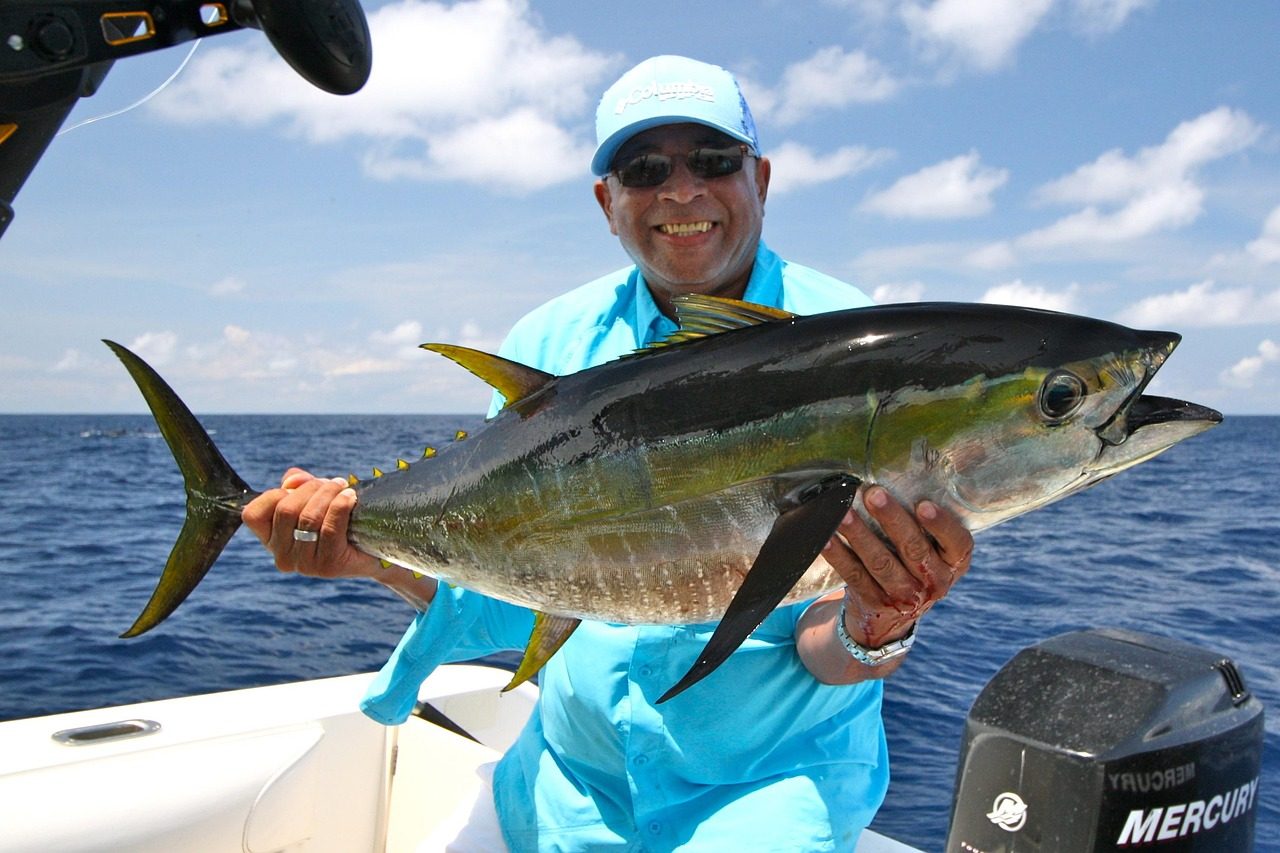
Yellowfin tuna is one of those fish that rewards you for handling it well. Scientifically known as Thunnus albacares, yellowfin tuna is prized for its nutritional profile — containing premium proteins, essential amino acids, vitamins, and unsaturated fatty acids — and its bright color, delicate texture, and smooth taste make it one of the most popular ingredients for sushi and sashimi. But fresh yellowfin doesn’t hang around for long, which is why knowing how to freeze it properly matters.
Fresh tuna only lasts for one or two days in the fridge, so freezing is a smart option if you don’t plan on eating it right away. The good news is that with the right prep, frozen yellowfin tuna can still deliver excellent results — whether you’re searing steaks, building poke bowls, or making fish tacos. This guide walks you through everything you need to know, from prep to thawing to spotting spoilage.
Can You Freeze Yellowfin Tuna?
Yes, you can freeze fresh yellowfin tuna and fresh tuna steaks. Like other fish, fresh tuna freezes well and isn’t significantly affected by the freezing process when handled correctly. The key is starting with quality fish and moving quickly — the fresher the tuna when it goes into the freezer, the better it will taste when it comes out.
If you won’t use your tuna within one to two days, freeze it immediately — don’t wait until it’s close to expiring. The sooner you freeze it, the better the quality when thawed.
Yellowfin tuna, also known as Ahi, is a moderately oily marine fish. Its pinkish-red meat is rich in protein, essential fatty acids, minerals, and fat-soluble vitamins. A 3.5-ounce (100 g) serving of fresh yellowfin steak provides 109 calories and 24.4 grams of protein. That nutritional value holds up well after freezing, making it worth the effort to store it right. You can read more about the pros and cons of eating seafood if you’re weighing whether to keep tuna as a regular part of your diet.
Pro Tip: Freezing raw tuna also serves a food safety purpose. The FDA recommends freezing raw tuna at -31°F (-35°C) or below until solid and storing at -4°F (-20°C) or below for 24 hours to eliminate parasites. Most commercial “sushi-grade” tuna has already been frozen to meet this standard.
Does Freezing Change the Texture or Taste of Yellowfin Tuna?
Freezing does affect yellowfin tuna, but how much depends largely on how well you prep and package it. Freezing affects quality in a few ways: each time fish is frozen and thawed, ice crystals form. These crystals can puncture the cellular structure of the fish, leading to moisture loss, which can result in drier fish when cooked.
The highly unsaturated lipid content and abundant endogenous enzymes of yellowfin tuna fillets make them susceptible to undesirable deterioration during storage. In practical terms, this means the fish can develop a slightly softer texture and a more pronounced flavor if stored too long or packaged poorly.
That said, the difference is manageable. Fresh tuna is often preferred for its superior taste and texture, but frozen tuna can be just as good if handled properly. Experienced anglers who freeze large catches of yellowfin often note that vacuum-sealed tuna held at consistently cold temperatures remains excellent for cooked dishes. When fresh, it’s ideal for sushi, tartar, and ceviche. After freezing, it works beautifully in teriyaki, tacos, and dishes with sauces and bold flavors.
One important note: to stay fresh in the freezer for a long time, tuna needs to be kept in an airtight container or freezer bag at a constant temperature. Due to its dense meat, tuna doesn’t get freezer burn easily — but improper packaging will still cause problems over time.
How to Freeze Yellowfin Tuna the Right Way
Good results start before the fish even reaches the freezer. Tuna is a delicate meat, and to ensure it remains of the highest quality, it must be prepped before freezing. Follow these steps to get the most out of your yellowfin.
- Start with the freshest fish possible. Fresh fish should smell like the sea, not fishy or stale. The color of tuna should be deep red or pink, moist, and almost translucent.
- Trim the bloodline. Cut out all traces of bloodline. The bloodline runs dark along the center of the fillet and has a stronger, more bitter flavor. Removing it before freezing prevents that flavor from intensifying in the freezer.
- Pat completely dry. Pat the cut or sliced tuna with a dry paper towel first. This prevents water crystals from forming on the fish and changing the texture and flavor. Do not rinse with water — water washes away necessary oils and gets into the meat, where it crystallizes and breaks down the meat, making it mushy.
- Portion before freezing. Divide the fish into portions. This makes meal prep more efficient later on, and it’s much easier to defrost a personalized amount of tuna rather than the entire bulk.
- Wrap tightly. Place each cut or sliced piece of tuna onto a cling wrapper or aluminum foil. It’s best to freeze each piece separately. Wrap the fish with the wrapper a couple of times around.
- Seal in a freezer bag or airtight container. After wrapping in cling wrap, place the tuna into airtight containers or large resealable plastic bags. This ensures the tuna remains as fresh as possible and helps further prevent freezer burn. Vacuum sealing is even better — vacuum sealing dramatically extends freezer life and prevents freezer burn.
- Label with the date. Label the bags with the date you place them in the freezer and the date on which they should be removed. You can also note how to cook the tuna and what type of cut it is.
- Freeze immediately. Place the tuna in the coldest part of your freezer. The back of a chest freezer or the bottom shelf of an upright freezer works best.
Pro Tip: Pre-freeze the chunks or steaks first, then vacuum seal. They vacuum tighter and hold their shape better — this prevents the fish from getting crushed during the sealing process.
How Long Can You Freeze Yellowfin Tuna?
Fresh tuna will be fine in the freezer for two to three months. While it will be safe to eat after this time, it may start to deteriorate in quality. For best flavor and texture, aim to use it within that window.
Some anglers report eating vacuum-sealed yellowfin well beyond three months with acceptable results for cooked dishes. It stays good enough to eat raw for about two to three months, and good enough to eat seared for about six months — after that, quality declines noticeably. These timelines assume consistent freezer temperatures and proper packaging.
| Storage Method | Recommended Timeframe | Best Use After Freezing |
|---|---|---|
| Vacuum-sealed, raw | Up to 6 months | Searing, grilling, cooked dishes |
| Vacuum-sealed, sushi-grade | 2–3 months | Sashimi, poke bowls, tartare |
| Zip-lock bag (double-wrapped) | 2–3 months | Cooked dishes, tacos, stir-fry |
| Fridge (fresh, unfrozen) | 1–2 days | Any preparation |
Tuna can last much longer if properly stored at a constant temperature of 0°F. However, for most people, that won’t be possible due to the freezer being opened and closed constantly. After that time, tuna will still be safe to eat, but the quality will deteriorate.
How to Thaw Frozen Yellowfin Tuna
Thawing is where a lot of people make mistakes that undo all their careful freezing work. Never thaw tuna at room temperature. Instead, transfer it from the freezer to a refrigerator set between 34°F and 38°F. Slow, controlled thawing prevents cell damage, water loss, and texture breakdown.
A full loin typically requires 12–18 hours to thaw evenly, while saku blocks or portions may take 6–8 hours. Plan ahead and move your tuna to the fridge the evening before you plan to cook it.
If you’re short on time, a cold-water thaw works as a backup. Submerge the sealed bag in cold water, changing the water every 30 minutes. This takes 30–60 minutes depending on thickness. If you use this method, cook the tuna immediately after thawing — don’t refrigerate it for later.
Never thaw at room temperature — this promotes bacterial growth in the outer layers while the center is still frozen. Never use warm water or a microwave — this partially cooks the fish and destroys the texture.
Pro Tip: Once thawed, remove the fish from the vacuum seal bag, trim the edges, and let it sit in the fridge for a short time. You’ll see the proper color come back once it’s exposed to air.
Can You Refreeze Yellowfin Tuna After Thawing?
Refreezing yellowfin tuna is not recommended, and for good reason. Each time fish is frozen and thawed, ice crystals form that can puncture the cellular structure of the fish, leading to moisture loss and drier fish when cooked. Refrozen tuna may also lose some of its firm texture, making it less desirable for many dishes.
Repeated freezing can also dull the flavor of tuna, even though its flavor is naturally robust. The best way to avoid this situation is to freeze tuna in individual portion sizes from the start. Cut it into steaks and vacuum seal about two steaks per bag — that way you only thaw what you’ll actually eat and avoid the need to refreeze.
Once thawed, tuna should be used or consumed within two days. Refreezing is not recommended — the quality loss outweighs the convenience. If you have leftover cooked tuna, that’s a different story — cooked tuna can be refrigerated for three to four days or frozen for up to two months with less quality impact than refreezing raw fish.
How to Use Frozen Yellowfin Tuna (Best Uses After Freezing)
Frozen and thawed yellowfin tuna is still a versatile, protein-rich ingredient. Yellowfin tuna offers a rich flavor and a firm texture that is perfect for grilling, searing, or even enjoying raw in sushi when handled correctly. The key is matching the preparation to the quality of the thawed fish.
For tuna that was frozen at peak freshness and vacuum-sealed, raw preparations are still on the table. Provided the tuna was very fresh when it was frozen, fresh tuna that has been frozen can be used to make sushi. Always confirm the fish was sushi-grade before eating it raw. You can explore more superfoods for a healthy heart to understand how omega-3-rich fish like yellowfin fits into a heart-healthy eating pattern.
For tuna that has been frozen longer or shows minor texture changes, cooked applications work best:
- Seared tuna steaks — a quick, high-heat sear locks in flavor and minimizes the impact of any texture softening
- Tuna tacos — seasoned and pan-seared, served with slaw and lime; sauces and toppings complement the fish well
- Poke bowls — if the tuna is still sushi-grade quality after thawing, this is a natural fit
- Tuna teriyaki — a bold marinade pairs well with yellowfin and masks any minor flavor changes
- Tuna burgers or patties — chopped tuna mixed with seasonings and pan-fried; texture changes matter less here
- Fish stir-fry — cut into cubes and cooked quickly over high heat with vegetables and soy-based sauce
The lean meat of yellowfin tuna is an excellent source of B-complex vitamins such as niacin, pyridoxine (B-6), and B-12. It also provides vitamin E, thiamin, and riboflavin. Yellowfin tuna is also a natural source of essential minerals including iodine, selenium, calcium, zinc, potassium, phosphorus, and magnesium. All of these nutrients remain intact after proper freezing and cooking. If you’re interested in how seafood supports specific health goals, see this overview of powerful nutrients and foods that fight cancer and how fish fits into that picture.
Signs That Frozen Yellowfin Tuna Has Gone Bad
Even with good storage practices, tuna can go bad. Knowing what to look for before you cook it protects you from foodborne illness and wasted meals.
Smell is the most reliable indicator. Fresh tuna smells clean and oceanic. A strong, sour, or ammonia-like odor means it’s spoiled — discard immediately. This applies to both fresh and thawed frozen tuna.
Color is the next thing to check. Fresh Ahi Tuna is deep red to pink. Brown, gray, or dull coloring indicates age or spoilage. Some color change after thawing is normal — the red color may fade slightly before returning once the fish is exposed to air — but widespread browning or gray patches are warning signs.
Freezer burn is not spoilage but does affect quality. Freezer burn is noticeable as grayish-brown patches, and it causes the meat to become hard in texture and alters the flavor. If your tuna has minor freezer burn, simply cut away those areas before cooking. Large areas of freezer burn may ruin the entire piece, in which case it’s better to discard the tuna.
Texture is also worth noting. After quality begins to deteriorate, the meat will start to separate and the taste will become bland. Slimy or mushy texture that isn’t explained by thawing is a sign to throw it out.
| Sign | What It Looks/Smells Like | Action |
|---|---|---|
| Smell | Sour, ammonia-like, or overly “fishy” | Discard immediately |
| Color | Widespread brown or gray patches | Discard |
| Freezer burn (minor) | Grayish-brown dry patches on surface | Trim and cook remaining fish |
| Freezer burn (major) | Large hardened, discolored areas | Discard |
| Texture | Slimy, mushy, or falling apart when raw | Discard |
Yellowfin tuna carries high levels of the amino acid histidine in its muscle, which can convert to histamine if the fish is not rapidly chilled. Histamine at high levels can cause food poisoning, so prevention is key. If you’re ever uncertain about the quality of your tuna, err on the side of caution and discard it. For more on foods that support overall health and what to watch out for, see this guide to cancer-causing foods you need to avoid.
Frequently Asked Questions
Can You Freeze Store-Bought Yellowfin Tuna Steaks?
Yes. If the tuna is fresh from the fish counter and hasn’t already been previously frozen, you can freeze it at home using the steps above. If it came pre-packaged and frozen, keep it in its original packaging until you’re ready to use it, then follow the thawing guidelines.
Is Frozen Yellowfin Tuna Safe to Eat Raw?
Raw tuna is generally safe to eat if it has been frozen to kill parasites in accordance with FDA guidelines — specifically, freezing at -31°F (-35°C) or below until solid and storing at -4°F (-20°C) or below for 24 hours. Raw tuna is generally safe when properly handled and frozen to eliminate parasites. If you’re buying from a reputable seafood supplier labeled “sushi-grade,” that standard has typically already been met. Pregnant and breastfeeding women, children, older adults, and those with compromised immune systems should avoid raw tuna.
How Does Yellowfin Tuna Rank on Mercury?
According to the FDA, albacore (or white) tuna and yellowfin tuna are in the “Good Choices” category for mercury levels, meaning most adults can eat one serving per week without concern. Fresh or frozen yellowfin tuna contains methylmercury at a level of 0.354 PPM, earning it a “Good Choice” classification by the FDA. According to FDA guidelines, individuals, including pregnant women, can safely consume one serving per week from the “Good Choice” list, with one serving equating to 4 ounces for adults.
Can You Freeze Cooked Yellowfin Tuna?
Yes. Cooked yellowfin tuna — seared steaks, baked portions, or tuna patties — can be frozen for up to two months. Wrap tightly in plastic wrap, then place in a freezer bag with as much air removed as possible. Thaw in the refrigerator overnight before reheating. The texture will be softer than freshly cooked fish, so cooked frozen tuna works best in dishes like tuna casserole, pasta, or rice bowls where it’s mixed with other ingredients.
What’s the Best Way to Freeze Tuna for Sushi?
Ultra-low temperature (ULT) freezing at -50°C to -60°C is used to maintain sashimi-grade quality. These are commonly employed on Japanese longliners and specialized processing facilities. At -60°C, tuna flesh is essentially in suspended animation — the bright red color and texture remain almost as fresh even after thawing months later. A home freezer can’t reach those temperatures, so for sushi-grade results at home, buy tuna already labeled sushi-grade and freeze it as quickly as possible in a vacuum-sealed bag.
Yellowfin tuna is one of the most rewarding fish to work with when you understand how to store it properly. Starting with fresh, high-quality fish, freezing it quickly and correctly, and thawing it slowly in the refrigerator will give you results that hold up well in a wide range of dishes. For more on how seafood and other nutrient-dense foods support your health, explore this guide to foods for healthy skin and foods that help enhance liver function.