Can You Freeze Heinz Baked Beans? Everything You Need to Know

October 25, 2026
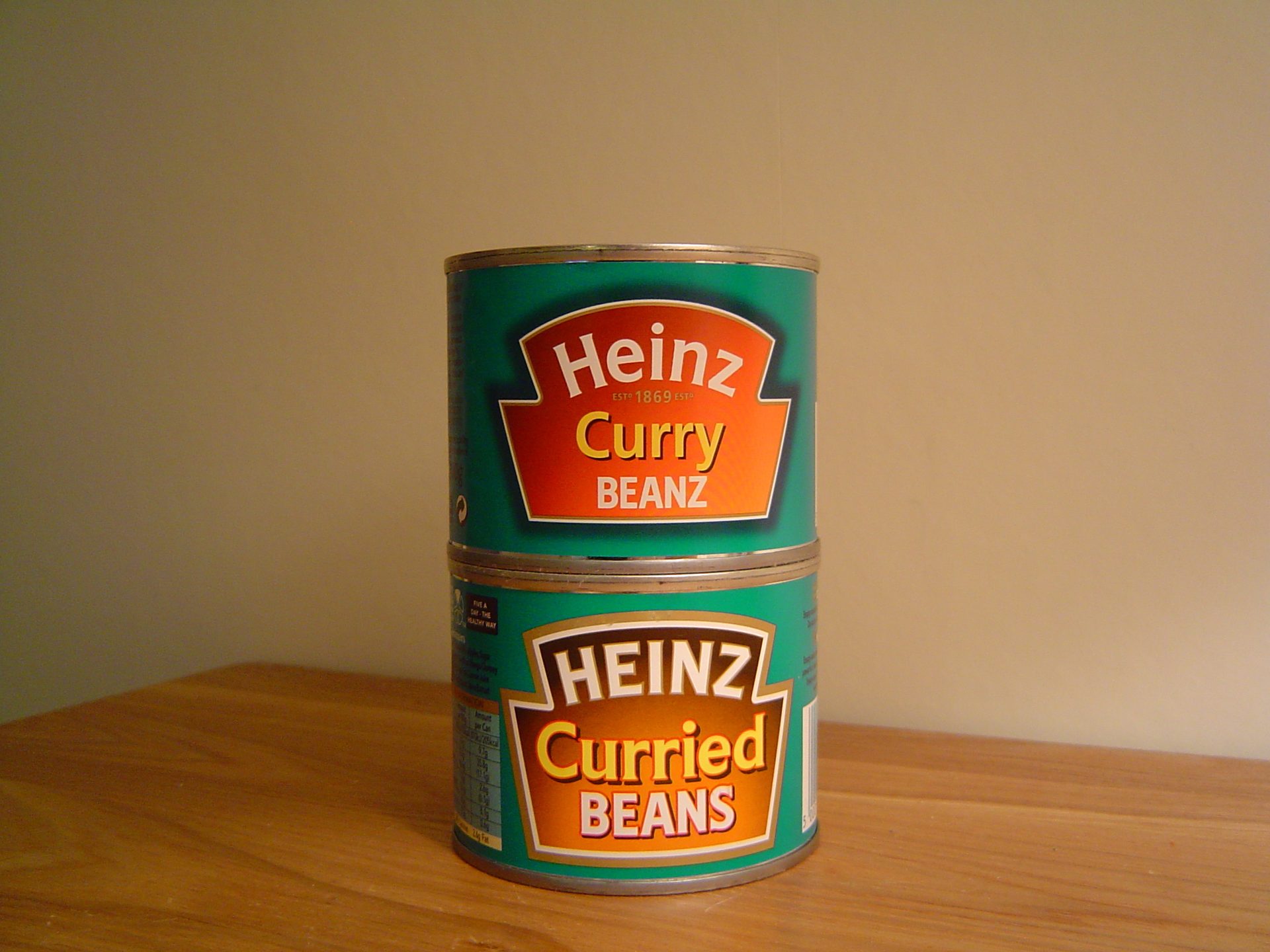
You opened a can of Heinz baked beans, used half, and now you’re staring at the leftovers wondering what to do with them. Refrigerating them works for a day or two, but if you won’t get to them before they turn, the freezer is a smarter option.
The good news is that freezing Heinz baked beans is completely safe and straightforward — as long as you follow a few simple rules. This guide walks you through everything: how freezing affects texture, the right way to freeze them, how long they last, how to thaw them safely, and what to do with them once they’re ready to eat again.
Can You Freeze Heinz Baked Beans?
Yes, you can freeze Heinz baked beans — and in fact, you can freeze any brand of canned baked beans. Freezing Heinz baked beans once they’ve been opened is a practical way to make sure they don’t go to waste, especially since they’re often pricier than store-brand alternatives.
Canned baked beans in unopened tins have quite a long shelf life — usually longer than a year — so there’s no reason to freeze them before you’ve opened the can. In most cases, it only makes sense to freeze leftover baked beans. Once you’ve cracked open that can and have more than you need, the freezer is your best friend.
There is one critical rule, though: you should never try to freeze canned beans in the can you purchased them in, as this can create a dangerous situation in your freezer. Freezing beans in the can increases the risk of the can cracking or exploding, the beans getting stuck in the can, and the beans developing a metallic aftertaste. Always transfer them to a freezer-safe container first.
Beans are a nutritious, budget-friendly staple worth preserving. If you’re curious about how other legumes stack up nutritionally, check out this guide to mung beans for a useful comparison.
Pro Tip: If you regularly find yourself with half a can of Heinz beans left over, consider buying the smaller 8 oz cans instead of the standard 15 oz size. You’ll use the whole can each time and skip the freezing step entirely.
Does Freezing Change the Texture or Taste of Heinz Baked Beans?
Baked beans freeze very well. The beans and any meat that sometimes accompanies them freeze just fine, and the same goes for the sauce that binds it all together. That said, there are a few changes worth knowing about before you freeze a big batch.
Beans will soften slightly in the freezing and reheating process, so avoid overcooking them when reheating. You’ll want them to be firm and cooked with no hard sections. Flavors can also mellow a bit over time in the freezer, especially spices — so you may want to be a little bolder with seasoning when reheating.
A gentle thaw is the best way to maintain texture. Ice crystals melt slowly and reintegrate into the food during a gradual thaw. A quick thaw causes ice crystals to melt faster than the food can absorb the water, resulting in pockets of separated water and a mushier texture.
You can freeze baked beans in tomato sauce without removing or rinsing the sauce away first. The sauce actually helps prevent the beans from getting freezer burn while in the freezer.
How to Freeze Heinz Baked Beans the Right Way
Freezing baked beans takes less than five minutes if you do it correctly. The steps below apply whether you’re working with leftover canned Heinz beans or a homemade batch.
- Let them cool completely. Make sure the beans are cooled to room temperature before freezing. If you place hot beans in the freezer, they will expand and turn to mush when you try to defrost them.
- Portion them out. Divide the beans into individual portions before freezing. This way you can defrost only what you plan to eat and save the rest for later, which also speeds up the defrosting process.
- Choose the right container. Transfer the beans to a freezer-safe dish or tub. Glass or plastic containers with airtight lids work best, but you can also use freezer bags if you remove as much air as possible.
- Leave headspace. Leave at least an inch of space between the beans and the lid. Beans expand as they freeze, so they need that extra room — fill the container to the brim and you risk a bean explosion in your freezer.
- Label and date the container. Label the container with the current date and the “best by” date so you can easily tell whether the beans are still safe to eat.
- Freeze promptly. For best results, freeze baked beans the same day that you cook or open them.
Pro Tip: If you’re using plastic freezer bags, pour the beans in, zip them closed, and flatten on the counter into one thin layer. This makes storing in the freezer easier and speeds up defrosting too.
How Long Can You Freeze Heinz Baked Beans?
You can freeze baked beans and they keep in the freezer for at least 6 months. However, there’s an important distinction between homemade beans and canned beans when it comes to freezer life.
| Bean Type | Freezer Life | Quality Peak |
|---|---|---|
| Homemade baked beans | Up to 6 months | Best within 3 months |
| Canned baked beans (e.g., Heinz) | Up to 3–6 months | Best within 3 months |
Frozen baked beans can be stored for up to six months, but after three months you may begin to notice a loss in flavor. For the best texture and flavor, eat them within the first three months of freezing.
Baked beans can stay frozen for up to six months. Beyond that, they may still be safe to eat, but their texture and flavor might not hold up as well. When in doubt, use the earlier end of the window for the best eating experience.
Beans are also a great source of plant-based nutrients. If you’re interested in eating more whole foods, this resource on whole plant-based foods is worth a read.
How to Thaw Frozen Heinz Baked Beans
How you thaw your beans matters just as much as how you freeze them. Rushing the process is the most common mistake people make, and it’s the main reason thawed beans end up mushy.
Refrigerator thaw (recommended): When you’re ready to thaw the baked beans, take one of the portioned frozen containers and leave it in the refrigerator overnight. This preserves the integrity of the beans without introducing too much heat all at once. Plan ahead and move them from the freezer the night before you need them.
Cold water thaw (faster option): If you’re in a hurry, you can place the sealed container in a bowl of cold water to speed up the process. The higher water temperature will slowly bring the baked beans from frozen to defrosted. Change the water every 30 minutes to keep it cold.
Microwave thaw: If you forget to pull the beans out of the freezer in time, the microwave is a quick alternative. Use the defrost setting and heat in short intervals, stirring between each one to ensure even thawing.
Straight from frozen (for soups and stews): If you plan to stir your beans into a stew or casserole, you can cook them straight from frozen. Simply remove the container from the freezer and tip the beans straight into the pan. If they’re a little stuck, place the container in the microwave for a short 30-second burst to loosen them.
Important Note: Never thaw baked beans by leaving them out on the counter at room temperature. Leaving frozen items on the counter can lead to bacterial growth — if the food reaches 40°F, it enters the “danger zone” and becomes unsafe to eat.
Can You Refreeze Heinz Baked Beans After Thawing?
Refreezing baked beans is not recommended. The texture of the beans changes dramatically through a second freeze, and you may end up with beans that are mushy and unpleasant.
Ideally, you should freeze once and thaw once. Repeated thawing and freezing can negatively affect the texture of your beans and create potential food safety issues. This is exactly why portioning your beans before freezing is so important — you only thaw what you need.
Do not refreeze defrosted beans, as they will not keep well. If you’ve thawed more than you can eat, use the rest within a day or two by incorporating them into another meal rather than putting them back in the freezer.
How to Use Frozen Heinz Baked Beans (Best Uses After Freezing)
Once your beans are thawed, they’re ready to go back into your regular rotation. The slight softening that happens during freezing actually makes them a better fit for certain dishes.
- Beans on toast: The classic American and British staple. Reheat on the stovetop over low heat, stirring gently, and serve over toasted bread. Reheating in a saucepan over medium-low heat is the preferred method — reheat slowly and stir regularly so the texture and flavor of the beans stays consistent.
- Breakfast side: Serve alongside scrambled eggs, turkey sausage, or bacon for a hearty weekend breakfast. The tomato sauce in Heinz beans pairs well with eggs.
- BBQ side dish: In the United States, baked beans are most popular during the summer months for family gatherings and barbecues. Thawed and reheated beans work just as well as fresh for cookouts.
- Chili and stews: Stir thawed beans into a pot of chili or vegetable stew to bulk it up. Their softened texture blends in seamlessly.
- Stuffed baked potatoes: Spoon reheated beans over a split baked potato with shredded cheddar and sour cream for a quick weeknight dinner.
- Bean soup: Use thawed beans as the base for a simple tomato-bean soup. Add broth, diced tomatoes, garlic, and your choice of spices.
The easiest reheating method is in a pot on the stove. Reheating on low heat over 20–30 minutes gives the best taste the second time around and lets the beans warm through without splitting.
Beans are one of the most heart-healthy foods you can eat. For more ideas on building a nutritious diet, take a look at these superfoods for a healthy heart and powerful nutrients and foods that fight cancer.
Signs That Frozen Heinz Baked Beans Have Gone Bad
Even when stored correctly, frozen food doesn’t last forever. Before you reheat your thawed beans, take 30 seconds to check that they’re still safe to eat.
Whenever you keep any dish for an extended period, it’s important to check for signs of spoilage to avoid a food safety hazard. After thawing the beans, open the container and check for any off smells, discoloration, or signs of mold. If you see or smell anything unusual, throw them away.
If the beans have an odd texture or seem unusually slimy, that’s another sign they’re past their best. When in doubt, it’s always better to be safe and discard any beans that don’t seem right.
Here are the specific warning signs to watch for:
- Sour or off smell: Fresh baked beans have a mild, sweet-savory tomato scent. A sour or fermented odor means they’ve gone bad.
- Visible mold: Any fuzzy growth — white, green, or black — is a clear sign to discard the entire container.
- Discoloration: Beans that have turned gray, brown, or developed dark spots should not be eaten.
- Slimy texture: Beans that have ice crystals or a slimy texture after thawing should be thrown away. Even if they don’t display physical signs of spoilage, if they taste sour, it’s best to discard them.
- Freezer burn: Heavily freezer-burned beans — identifiable by dry, grayish patches — won’t make you sick, but the texture and flavor will be noticeably poor.
Key Insight: Freezer burn happens when air reaches the surface of your frozen food. You can prevent it by pressing plastic wrap directly onto the surface of the beans before sealing the lid, or by squeezing all the air out of a freezer bag before closing it.
Frequently Asked Questions
Can you freeze Heinz baked beans straight from the can?
Yes, you can absolutely freeze baked beans that have come from a tin can. You can transfer them and freeze them straight away, freeze them after they’ve been heated, or freeze tinned beans that have been in the fridge for a few days. Just make sure to use a freezer-safe container — not the can itself.
How long do opened Heinz baked beans last in the fridge?
Opened baked beans need to be used within 2 days and should be kept in a covered dish in the fridge. If you won’t finish them in that window, freeze them the same day you open the can for the best results.
Can you freeze Heinz baked beans with sausages?
Yes — meat like bacon or sausage freezes perfectly fine, so having it in baked beans isn’t a problem. Heinz beans with sausage can be frozen, and everything turns out fine with great taste after thawing. Although it’s possible to freeze baked beans and bacon together, there’s no real benefit to doing so — freezing them separately, then defrosting and reheating before serving together, gives you more flexibility.
Can you freeze Heinz baked beans in a freezer bag?
Yes, you can freeze baked beans in a freezer bag. Remove as much air as possible before sealing, then lay the bag flat in the freezer to save space and speed up thawing.
Do Heinz baked beans lose nutritional value when frozen?
Freezing is one of the best ways to preserve the nutritional content of food. Beans are naturally high in fiber, protein, and iron — freezing them doesn’t significantly reduce those values. For more on the health benefits of beans and legumes, see this guide to fibroid healing foods and foods that can help enhance your liver function.
Is it worth freezing Heinz baked beans?
Beans straight from the can taste better than frozen ones, but if your only options are freezing and discarding, freezing is a far better choice. If you aren’t planning to eat your leftover baked beans right away, freezing them is a great alternative to letting them go bad in the refrigerator — especially if you’re trying to reduce food waste.