Can You Freeze Milk Alternatives? What You Need to Know Before You Try

October 24, 2026
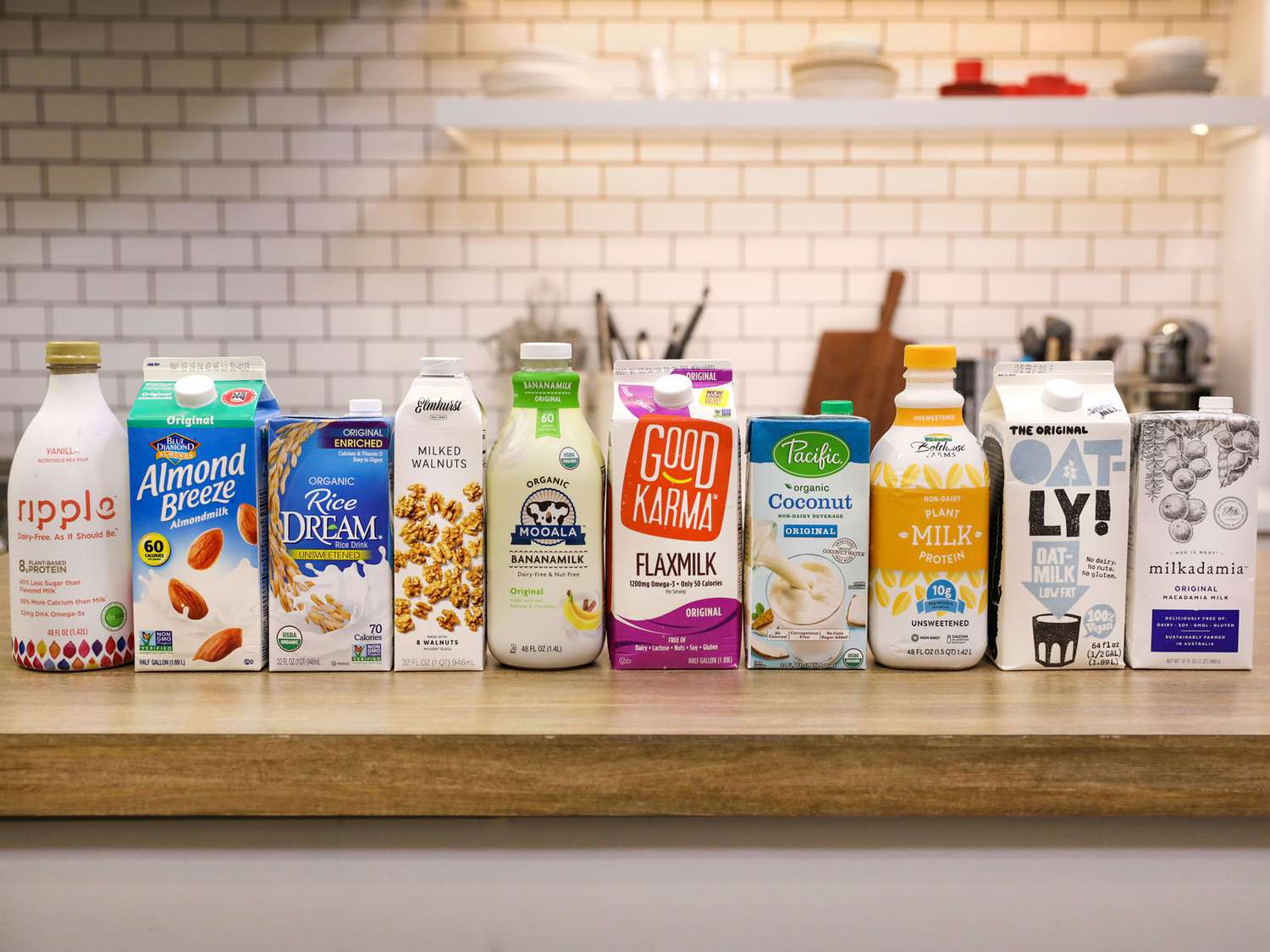
Buying a carton of oat milk for one recipe — and then watching most of it sit in the fridge until it goes bad — is one of those small kitchen frustrations that adds up fast. The good news is that nearly every milk alternative you can find at an American grocery store can go into the freezer. The catch is that not all of them come back out the same way they went in.
Knowing what to expect from frozen almond, soy, oat, coconut, and other plant-based milks helps you decide when freezing makes sense and how to use what you thaw. This guide walks through the whole process — from whether freezing is worth it to spotting spoilage before it ends up in your smoothie.
Can You Freeze Milk Alternatives?
There are a wide variety of plant-based and nondairy alternatives to milk, and they are all suitable for freezing. Freezing nondairy milk is similar to freezing dairy milk. That said, each type behaves a little differently in the freezer, so it helps to know what you’re working with before you stock up.
Soy milk and oat milk freeze almost the same as cow’s milk does. Both of these types of milk separate out after they thaw, but if you shake or blend them, you can get them back to normal. That makes them two of the most freezer-friendly options in the plant-based category.
Almond milk and coconut milk tend to change their texture once you freeze them. Both separate out, and even after you shake them, they don’t always go back to their original smooth state. While it’s still possible to freeze them, just note that once they’re thawed, they may not be good for much other than cooking.
Manufacturers don’t recommend freezing rice milk. This is likely because it will disrupt the taste and texture of the milk. If rice milk is your go-to, it’s better to buy smaller quantities more frequently rather than trying to freeze a surplus.
Pro Tip: Before committing a full carton to the freezer, freeze a small portion first. Plant-based milks like almond, soy, and oat milk vary widely in their freezing behavior. Some may freeze well with minimal changes, while others can become quite watery and separated. It’s best to test a small amount before freezing a large quantity.
Does Freezing Change the Texture or Taste of Milk Alternatives?
Yes — and being honest about this upfront saves a lot of disappointment. Plant-based milk such as almond milk, oat milk, soy milk, and flax milk gets a gritty texture after freezing owing to fat separation. This is a quality change, not a safety issue, but it does affect how you’ll want to use the thawed milk.
The milk may separate slightly, the flavor and odor may change slightly, and the texture may be grainier. The thawed milk is suitable for cooking, adding to tea or coffee, or using in a smoothie. Think of it less as a flaw and more as a signal that the milk is now better suited for cooking than for pouring straight into a glass.
Along with texture and color, the flavor of milk alters when it is frozen. It will have a more delicate taste. Most people find the flavor difference subtle enough to go unnoticed in baked goods, soups, and blended drinks.
On the nutrition side, there’s reassuring news. Freezing milk does not significantly impact its nutritional content. The vitamins and minerals present in milk, such as calcium, vitamin D, and protein, remain largely unchanged during the freezing process. You’re preserving most of the nutritional value — just not necessarily the original texture. If you’re interested in how plant-based foods stack up nutritionally, the article on whole plant-based foods covers a lot of useful ground.
How to Freeze Milk Alternatives the Right Way
The method is straightforward, but a few details make the difference between milk that thaws well and a cracked container leaking in your freezer. Follow these steps and you’ll avoid the most common mistakes.
- Start with fresh milk. Freeze milk while it’s still well within its use-by date. Freezing won’t rescue milk that’s already on the edge.
- Choose the right container. Transfer milk to an air-tight, freezer-safe bag or container prior to freezing, if needed. Doing so not only decreases the risk of the package rupturing in the freezer but also saves space. Make sure there is some empty space in the container, as the milk may expand as it freezes.
- Leave headspace. Always leave 1 to 1.5 inches of headspace, or pour off a cup from a full jug first. Skipping this step is the most common reason containers crack.
- Avoid glass. It is highly recommended to avoid freezing milk in glass bottles because they crack once frozen. Stick to freezer-safe plastic containers, silicone bags, or ice cube trays.
- Use ice cube trays for small portions. The best way to freeze milk is to use ice cube trays. Pour milk into clean ice cube trays and freeze them. When they’re frozen, transfer the cubes to heavy-duty resealable plastic bags or freezer containers. Two cubes in the average ice cube tray equals about 1/4 cup milk. This method will help you save freezer space, plus it lets you thaw the exact amount you need.
- Store at the back of the freezer. Keep your freezer at or below 0°F, and store milk at the back of the freezer (not the door, where temperatures fluctuate).
- Label everything. Use airtight containers or freezer bags and label them with the date. You won’t remember when you froze it three months from now.
Pro Tip: For soy milk specifically, you may thoroughly shake or swirl soy milk before freezing it to help slow the separation process and make blending easier after thawing.
How Long Can You Freeze Milk Alternatives?
You can safely store frozen milk in your freezer for up to 6 months, but it’s best if you can use it within 1 month of freezing. That one-month window is where quality is at its peak — the longer it sits, the more texture and flavor drift you’ll notice after thawing.
Here’s a quick reference for the most common milk alternatives:
| Milk Alternative | Max Freezer Time | Best Used Within | After Thawing, Use Within |
|---|---|---|---|
| Almond milk | Up to 6 months | 1 month | 2–4 days |
| Soy milk | Up to 6 months | 1 month | 2–3 days |
| Oat milk | Up to 6 months | 1 month | 3–4 days |
| Coconut milk (carton) | Up to 3 months | 1 month | 3–5 days |
| Hemp / flax milk | Up to 6 months | 1 month | 3–4 days |
The three-month window is a quality guideline, not a safety cutoff: milk kept frozen solid the whole time remains safe to use, it just may not taste as fresh. For coconut milk, note that coconut milk alternative in a carton will freeze about as well as any other non-dairy alternative and should be used within one month. However, coconut drink in a tin cannot be frozen — it’s better to decant coconut drink into a smaller, freezer-safe container.
How to Thaw Frozen Milk Alternatives
How you thaw your milk matters just as much as how you freeze it. Milk should be defrosted in the fridge as opposed to at room temperature to decrease the risk of bacterial growth. This is because the longer milk sits at room temperature, the more likely it is that any existing traces of harmful bacteria proliferate, potentially causing the bacterial count to become high enough to cause illness.
Allow 24–36 hours for milk to thaw in the fridge. If you’re short on time, place the container in cold water for quicker thawing. Change the water every 30 minutes. Avoid using hot water or microwaves, as these can create hot spots and degrade milk quality.
Once thawed, don’t just pour and go. Once it thaws, milk may separate into solids and liquid, but shaking it will return it to its smooth texture. For plant-based milks that have separated significantly, we recommend thawing the ice cubes and blending the thawed milk before drinking. This will help the solids and liquids in the milk reconstitute as much as possible.
Use thawed milk within 24 hours for best quality and safety. If you thawed more than you needed, use the remainder in a recipe the same day rather than letting it sit.
Can You Refreeze Milk Alternatives After Thawing?
No — and this is one rule worth sticking to. Refreezing thawed milk is not recommended. Refreezing further degrades the texture and increases the risk of bacterial contamination.
Refreezing is not recommended. It degrades texture further and increases food-safety risk because milk may sit too long in unsafe temperatures during repeated thawing. The practical fix is simple: freeze in small portions from the start so you only thaw what you need. Ice cube trays are ideal for this — each cube is a measured amount you can pull out as needed without touching the rest.
This is exactly why portioning before freezing pays off. If you froze your oat milk in 1/4-cup cubes, you can grab two for a recipe and leave the rest solid in the freezer, no refreezing required.
How to Use Frozen Milk Alternatives (Best Uses After Freezing)
Once you accept that thawed plant-based milk isn’t quite the same as fresh, a whole range of uses opens up. Frozen and defrosted milk is best suited for cooking, baking, or making smoothies. It may undergo some changes in texture that make it unpleasant to use as a beverage.
Here are the best ways to put your thawed milk alternatives to work:
- Baking. One of the best uses for your once-frozen, now-thawed plant-based milk is in baking. Muffins, pancakes, quick breads, and cakes all work well — the heat and mixing process smooth out any graininess.
- Smoothies. The frozen plant-based ice cubes are delicious when used in a smoothie drink or bowl recipe. You can blend them directly from frozen, skipping the thawing step entirely.
- Coffee drinks. You can add any kind of frozen almond milk, cashew milk, or whichever flavor of plant milk you’d like to your morning brew to create a flavorful iced coffee. Blending after thawing helps restore creaminess.
- Soups and sauces. Thawed milk is often best used in cooked dishes, smoothies, or baked goods where the altered consistency is less noticeable. It works well in recipes like soups, sauces, casseroles, pancakes, muffins, and bread. The heating or blending process helps to integrate the milk and mask any slight variations in texture.
- Oatmeal and hot cereals. Stir thawed oat or almond milk directly into a pot of oatmeal. The cooking process blends everything together and the texture difference disappears.
For more ideas on how plant-based ingredients fit into a healthy diet, check out this guide on superfoods for a healthy heart and this overview of powerful nutrients and foods that fight cancer.
Pro Tip: Homemade nut milks freeze better than store-bought versions due to fewer additives. If you make your own almond or cashew milk at home, it may actually hold up better in the freezer than the carton version from the grocery store.
Signs That Frozen Milk Alternatives Have Gone Bad
Texture changes and a slightly yellowish tint after freezing are normal and not a reason to toss your milk. Knowing the difference between a quality change and actual spoilage saves you from wasting good milk — or drinking bad milk by mistake.
Normal changes you can ignore:
- Texture and “graininess” — ice crystals disrupt milk’s smooth structure. After thawing, some people notice a faintly grainy or watery mouthfeel. This is a quality change, not a spoilage sign.
- You may observe that frozen milk turns yellow; this does not mean that milk has gone bad. During the freezing process, fat gets separated from all other components of the milk and gives a grainy look. The fat contains beta carotenes that give the characteristic yellow color to the frozen milk.
- Visible separation of liquid and solids — normal for all plant-based milks; fix it with a shake or blend.
Real warning signs that mean it’s time to discard:
- Spoiled milk will have a yellow tint and will emit a distinct sour and curdled odor — which are the same signs you’ll find in soy milk that has gone bad too. That’s when it’s time to toss your frozen milk out.
- A person should pay attention to any signs of spoiling, such as a strong odor or lumpy consistency.
- Visible mold or pink/green discoloration — discard immediately without tasting.
- The milk was thawed at room temperature for more than two hours — milk shouldn’t sit out at room temperature for more than two hours. On a hot day, one hour.
As long as milk stayed frozen solid and is thawed in the fridge, it’s safe to use, according to the USDA (2023). When in doubt, trust your nose over your eyes — sour smell is the clearest indicator that something has gone wrong. For more on food safety and smart food choices, see this resource on foods you need to avoid and tips on foods that support liver function.
Frequently Asked Questions
Can you freeze oat milk from an unopened carton?
Yes, you can freeze oat milk. If unopened, there’s no problem with placing an entire container straight in the freezer. Or, place inside a freezer-safe container. If unopened, it’s possible to freeze oat milk for up to six months. Just make sure the original carton has enough headspace, or transfer it to a freezer-safe container first to be safe.
Does freezing almond milk destroy the nutrients?
Freezing milk does not cause significant changes to nutrition. Protein, calcium, and vitamins remain stable. The primary impact is physical, not chemical. You’re preserving the nutritional value — the texture is what takes the hit, not the health benefits. For more on the role of nutrients in your diet, this article on foods for healthy skin is worth a read.
Can you freeze coconut milk from a can?
Canned coconut milk should not be frozen in the can. Transfer it to a freezer-safe airtight container first, leaving at least an inch of headspace. It may be frozen for up to three months and should be used within three to five days of thawing. Coconut milk, like other plant-based kinds of milk, may separate after freezing.
How do you fix grainy texture in thawed plant-based milk?
Like almond milk, soy milk is another plant-based milk that can be stored for up to six months. However, after defrosting, it needs to be blended to restore part of its characteristic creamy texture. A standard blender or an immersion blender works well. For almond milk and oat milk, a 30-second blend usually brings the texture close enough to normal for most recipes.
Is it safe to drink thawed plant-based milk straight?
For the most part, yes, you can freeze nondairy milk following the same steps you would for freezing dairy milk. Just note that freezing and defrosting these will make them separate and get slightly grainy, so only use defrosted nondairy milk for cooking purposes or in smoothies. Drinking it straight is technically safe, but most people find the texture off-putting compared to fresh.
What is the best plant-based milk to freeze?
Soy milk and oat milk hold up the best overall. Soy milk and oat milk freeze almost the same as cow’s milk does. Both of these types of milk separate out after they thaw, but if you shake or blend them, you can get them back to normal. Almond milk and coconut milk are more prone to permanent texture changes, making them better suited for cooking after thawing rather than drinking. You can also learn more about smart food storage and food choices on our site.