Can You Freeze Mexican Queso Fresco? (What to Expect and How to Do It Right)

October 24, 2026
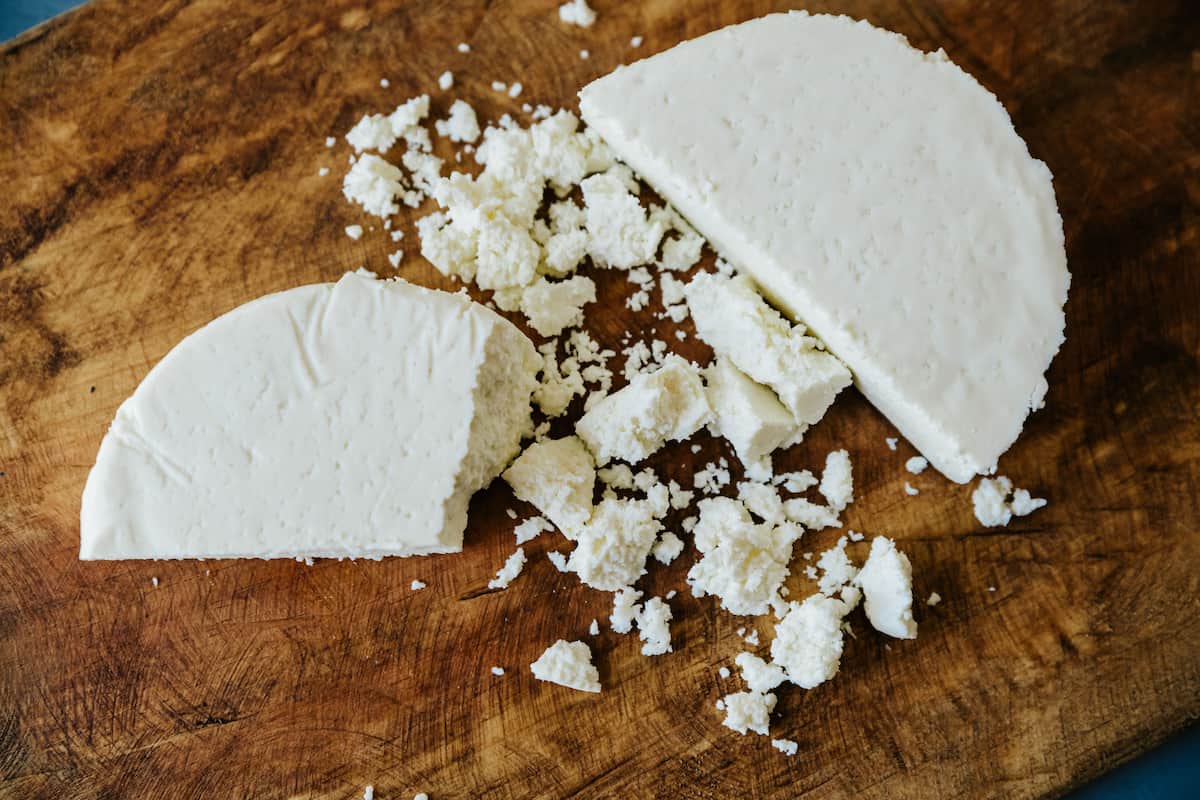
Queso fresco is one of those cheeses you buy for a specific recipe and suddenly find yourself with half a block left over. If you cook Mexican street foods or weeknight tacos at home, you already know how quickly this cheese disappears — and how quickly it can spoil when it doesn’t. So the question comes up often: can you actually freeze it?
The short answer is yes, but with real caveats. Technically, you can freeze queso fresco, but it is not recommended due to its high moisture content. That said, if you understand what happens during freezing and how to work around it, you can still get good use out of frozen queso fresco — especially in cooked dishes.
This guide walks you through everything you need to know: what freezing does to the cheese, the right way to prep and store it, how long it lasts, and which recipes still work great after thawing.
Can You Freeze Mexican Queso Fresco?
Queso fresco — which translates literally to “fresh cheese” — is a staple in Mexican cooking found at nearly every major grocery chain in the United States. Soft, mild, and crumbly yet creamy, it is an unaged cheese made from cow’s milk used to top antojitos such as enchiladas, flautas, sopes, and other Mexican specialties. You’ll find it crumbled over tacos, soups, and salads from coast to coast.
Queso fresco has a relatively high moisture level compared to more aged cheeses. This makes it a poor candidate for the freezing process. When frozen, the moisture creates tiny ice crystals in the cheese, which break through the proteins holding it together.
When the cheese thaws, the ice melts, and the firmness from the fresh cheese is eliminated. The result is separated, grainy queso fresco. So yes, freezing is possible — but go in with realistic expectations.
Pro Tip: If you bought store-bought queso fresco and haven’t opened it yet, check the date first. Unopened queso fresco can typically last 1–2 weeks past the date printed on the package as long as it’s kept refrigerated. Freezing may not be necessary at all.
Does Freezing Change the Texture or Taste of Queso Fresco?
Yes — and texture takes the bigger hit. When queso fresco is frozen, the water content inside the cheese turns into ice crystals, causing some moisture loss and resulting in a change in texture. The cheese will become less soft and may lose some of its mild flavor.
The freezing process itself does not significantly affect the flavor of the cheese. However, the changes in texture can influence your perception of its taste. Post-freezing, it tends to become crumblier and may lose some of its creaminess, which could make it less ideal for certain uses.
In practical terms, if you planned to serve it fresh — crumbled over a salad or scattered on top of a bowl of pozole — the thawed version will feel noticeably different. Freezing will alter the texture, making it more crumbly and less creamy. But it’s still great for cooked dishes where texture changes are less noticeable.
| Use Case | Fresh Queso Fresco | Frozen & Thawed Queso Fresco |
|---|---|---|
| Taco topping (cold) | Excellent | Acceptable — more crumbly |
| Enchiladas (baked) | Excellent | Good — heat masks texture change |
| Soups and stews | Excellent | Good — crumbles blend in well |
| Salads (cold) | Excellent | Fair — texture noticeably altered |
| Quesadillas | Excellent | Good — softens with heat |
| Fresh fruit or watermelon | Excellent | Not recommended |
How to Freeze Queso Fresco the Right Way
Proper packaging makes the biggest difference when freezing queso fresco. The goal is to minimize air exposure, prevent freezer burn, and stop the cheese from absorbing other odors in your freezer.
The best possible results will come from queso fresco that has been crumbled before it is frozen. Pre-crumbling means the cheese is already in a usable form when you thaw it, and smaller pieces freeze and defrost more evenly.
Follow these steps for the best results:
- Portion it first. Divide the queso fresco into individual servings before packaging. This makes it easier to thaw only what you need, reducing waste.
- Wrap it tightly. Wrap the queso fresco tightly in aluminum foil. This will help prevent freezer burn and maintain its quality.
- Add a second layer. After wrapping the cheese, place it in an airtight ziplock bag to provide an extra layer of protection. Squeeze out as much air as possible before sealing.
- Label the bag. Label the bag with the date of freezing to keep track of its storage time.
- Lay it flat. Find a flat surface in your freezer where the cheese can lay flat without being bumped or crushed. This will help maintain its shape.
Pro Tip: Another option is to vacuum seal your cheese. If you have a vacuum sealer, it’s best to use it because it also prevents freezer burn. Vacuum-sealed portions of queso fresco can be cooked straight from the freezer without thawing and still taste delicious.
Always keep queso fresco away from strong-smelling foods in the fridge and freezer. Due to its porous nature, it can absorb other flavors.
How Long Can You Freeze Queso Fresco?
Queso fresco can be stored in the freezer for up to two months. It is best to use it within this time frame to ensure optimal taste and texture. Some sources suggest up to three months is possible, but quality degrades noticeably beyond the two-month mark.
For reference, here’s how queso fresco shelf life compares across different storage methods:
| Storage Method | Estimated Shelf Life | Notes |
|---|---|---|
| Refrigerator (unopened, store-bought) | 1–2 weeks past printed date | Keep below 40°F |
| Refrigerator (opened, with preservatives) | Up to 2 weeks | Reseal tightly after each use |
| Refrigerator (opened, no preservatives) | Up to 5 days | Check label for preservatives |
| Freezer (properly wrapped) | Up to 2 months | Best quality within first 6 weeks |
| Homemade queso fresco (refrigerator) | About 2 weeks | No preservatives; use quickly |
Queso fresco that contains preservatives such as potassium sorbate should stay good in your fridge for up to 2 weeks after opening, provided it is properly resealed. However, queso fresco that does not contain preservatives is only good for up to 5 days after opening, so be sure to read the label.
How to Thaw Frozen Queso Fresco
Thawing is where most people go wrong. Rushing the process damages the texture even further and creates food safety risks. The refrigerator is always your best option.
The best way to thaw queso fresco is to transfer it to the refrigerator. Thawing this cheese slowly and gently allows it to gradually regain the original consistency as much as possible. This keeps the flavor intact.
When it’s time to thaw queso fresco, transfer it from the freezer to the refrigerator. Allow it to thaw for approximately 8 hours or overnight.
Once it has thawed, deal with the extra moisture right away. As queso fresco thaws, some water will be released from the cheese. To avoid a watery consistency, carefully drain any excess water before using the cheese. This will help maintain its desired texture.
Do not try to speed up the thawing by using a microwave or hot water, as this can make the cheese become rubbery. Once thawed, plan to use it within a few days.
Important Note: You cannot store queso fresco at room temperature for more than two hours, and less time is optimal. Bacteria can start to grow, and the cheese could easily spoil. This applies to thawed queso fresco as well — don’t leave it sitting out on the counter.
Can You Refreeze Queso Fresco After Thawing?
No — refreezing is not a good idea. Refreezing queso fresco is not advisable, as it can further deteriorate the texture and overall quality of the cheese. Instead, if you have leftover queso fresco that you know you won’t use within a few days, it’s better to store it in the refrigerator.
Each freeze-thaw cycle pushes more moisture out of the cheese and breaks down its structure further. What started as a slightly crumbly thawed cheese becomes almost unpleasantly grainy after a second freeze.
The best way to avoid this situation is to portion the cheese before freezing. Consider freezing smaller portions to thaw only what you need, minimizing waste and ensuring maximum freshness. Pull out only what you’ll actually use in the next two to three days, and leave the rest frozen.
How to Use Frozen Queso Fresco (Best Uses After Freezing)
Once thawed, queso fresco works best in recipes where it gets mixed into or melted with other ingredients. The texture change becomes much less noticeable when heat or other flavors are involved. Think of it as a cooking cheese at this point rather than a finishing cheese.
Here are the best ways to use frozen and thawed queso fresco in American home kitchens:
- Enchiladas and baked casseroles: Though queso fresco doesn’t melt exactly, you’ll find the damage to the texture less noticeable if you warm your cheese with other bite-sized ingredients, such as inside a quesadilla or folded into a hot bowl of chili.
- Soups and stews: Crumble thawed queso fresco directly into tortilla soup, pozole, or black bean soup. The crumbly texture blends right in.
- Quesadillas and tacos: Once thawed, use the cheese within 2–3 days. It’s perfect for dishes like quesadillas or enchiladas where it’ll be heated.
- Stuffed peppers or flautas: Mix it into fillings where the cheese is surrounded by other ingredients — no one will notice the texture shift.
- Eggs and breakfast scrambles: Crumbled into huevos rancheros or a chorizo scramble, thawed queso fresco works just as well as fresh.
Dishes where fresh queso fresco truly shines — like cold fruit plates, watermelon with chili-lime salt, or simple salads — are better made with fresh cheese. For cold dishes, you might notice a slight texture change, but the flavor will still be there to brighten up your meal.
If you’re exploring more ways to use queso fresco in traditional recipes, check out these Mexican Christmas foods and Mexican Thanksgiving dishes where this cheese appears frequently as a topping or filling ingredient.
Signs That Frozen Queso Fresco Has Gone Bad
Even properly frozen queso fresco can go bad if it was stored too long, wasn’t sealed well, or was already close to spoiling before it went into the freezer. Knowing the warning signs keeps you and your family safe.
To tell if queso fresco has gone bad, check for any significant changes in color, texture, or smell. Queso fresco is typically white; if it turns yellow or develops dark spots, it’s time to toss it. If the texture appears slimy or moldy, it’s no longer safe to consume. The smell should be fresh and mild; a sour or off-putting odor is a sure sign of spoilage.
Pay special attention to mold. Moldy queso fresco can harbor illness-causing bacteria such as Listeria, E. coli, and Salmonella, so it’s important to immediately discard the cheese in the presence of fuzz. If mold makes its way onto the storage container, remove it immediately without making direct skin contact before soaking it in a bleach-water solution for at least 30 minutes.
Unlike hard cheeses such as cheddar or parmesan, you cannot simply cut the mold off a soft, high-moisture cheese like queso fresco. The mold can penetrate deep into the interior even when only a small spot is visible on the surface. When in doubt, throw it out.
Here’s a quick spoilage checklist to run through before using thawed queso fresco:
- Color: Should be white. Yellow tones, gray patches, or green spots mean discard it.
- Smell: It should have a fresh, milky smell, and it will usually start to smell yeasty or sour when it goes bad even if it isn’t visibly moldy.
- Texture: Texture changes also indicate spoilage. Spoiled queso fresco may start to feel slimy or overly dry. Sliminess is particularly concerning as it can signal bacterial growth.
- Taste: Spoiled queso fresco will taste off, often sour and less fresh than when it was purchased.
Important Note: If you see red or black mold, throw away the cheese and disinfect the fridge as soon as possible. These mold types can produce toxins that are not destroyed by cooking.
Frequently Asked Questions
Can you freeze queso fresco in its original packaging?
Yes. Queso fresco can be frozen after opening (wrapped in plastic wrap and placed in a freezer-safe container) or unopened in its original packaging, and will last up to 3 months. That said, adding a second layer of protection — like a zip-top freezer bag — over the original packaging helps prevent freezer burn.
Does freezing queso fresco change the flavor?
The freezing process itself does not significantly affect the flavor of the cheese. However, the changes in texture can influence your perception of its taste. Most people find the flavor acceptable after thawing, especially in cooked dishes.
Can you freeze homemade queso fresco?
You can freeze fresh, homemade queso fresco for up to two months. It’s best to freeze it in a heavy-duty freezer bag or airtight container. Keep in mind that homemade queso fresco has a shorter shelf life of about 2 weeks due to the lack of preservatives. Freeze it sooner rather than later.
What is the best substitute for queso fresco if I don’t want to freeze it?
If you cannot find queso fresco, you can use feta as a substitute, or use paneer, ricotta salata, or goat cheese. Feta is the closest match in terms of crumbly texture and salty flavor, though it is noticeably tangier.
How should I store queso fresco in the refrigerator after opening?
The best way to store queso fresco once opened is to wrap it tightly in plastic and store it in an airtight container in the coldest section of your fridge, and use it as soon as possible. For the optimal storage environment, keep queso fresco near the back on the lowest shelf. This will help keep it at the right temperature — under 40 degrees Fahrenheit — even if the fridge door is opened regularly.
Is queso fresco a healthy cheese option?
This cheese is lower in calories and fat compared to many other cheeses, making it a great option for those watching their intake. It’s also a good source of protein and calcium, essential for strong bones and muscles. If you’re interested in how dairy and other foods support overall wellness, take a look at our guide to superfoods for a healthy heart and foods for healthy skin.
Can queso fresco be used in dishes from other cuisines?
Yes. You can swap it in for the mozzarella on a caprese salad or pizza Margherita, or give a tangy twist to a tikka masala using queso fresco instead of paneer. You can also use it instead of ricotta in lasagna, or add it sliced as a textural counterpoint on a cheese board. Its mild flavor makes it a flexible ingredient well beyond Mexican cooking — much like how Tasting Table notes
, it works as a less salty alternative to feta in salads.