Can You Freeze Pasta Salad With Vegetables? (What Actually Works)

October 24, 2026
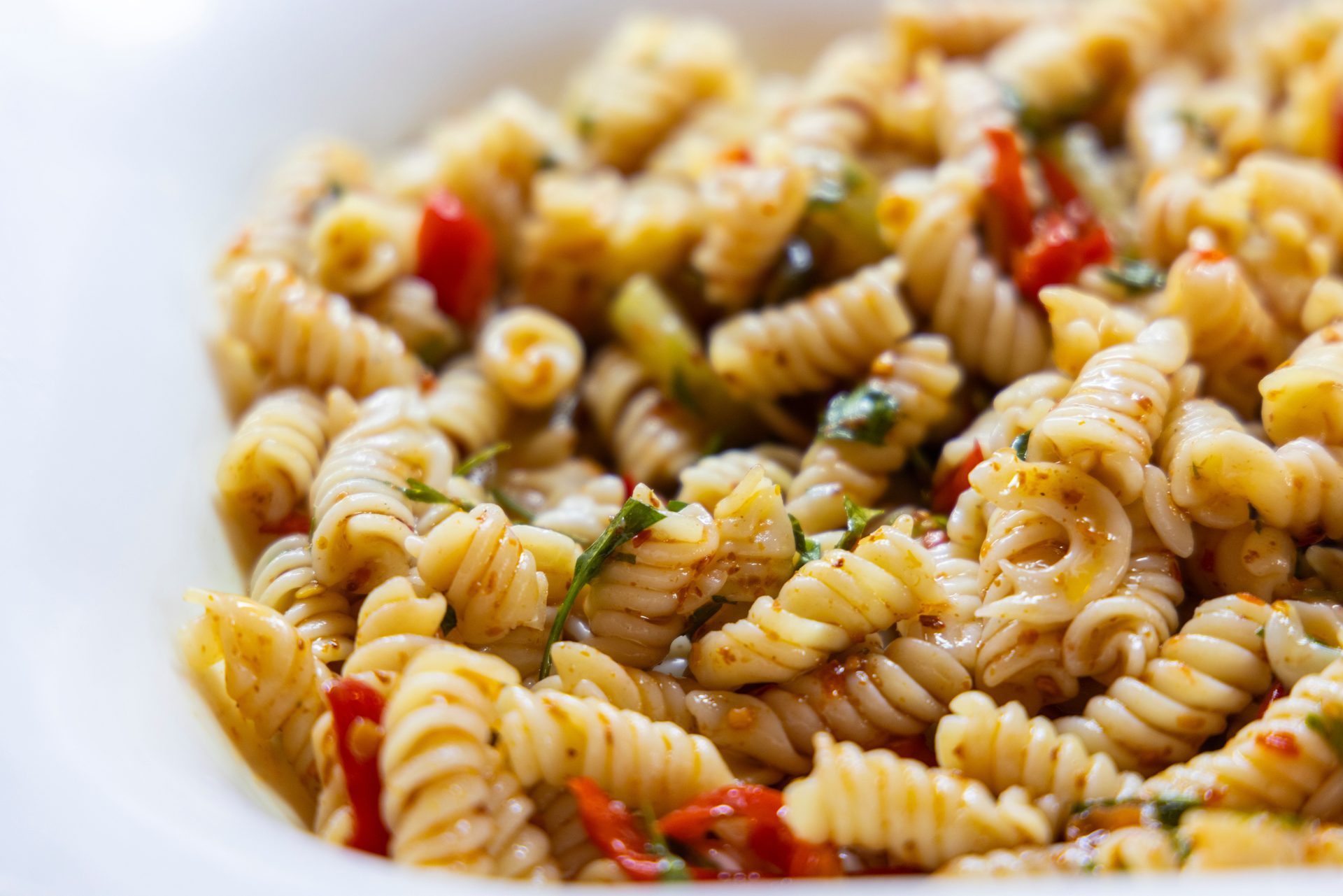
Made a huge batch of pasta salad for a cookout and ended up with way more than you could eat? You’re not alone. Pasta salad is one of those dishes that’s almost impossible to make in small quantities, and the leftovers pile up fast. The good news is that you can freeze pasta salad with vegetables — but there are real limits to how well it works, and the results depend almost entirely on what’s in the bowl.
The biggest variable is your ingredient list. You can freeze pasta salad, but there are a few things to keep in mind that will determine how much taste and texture is lost during the freezing process. Get those factors right, and you’ll have a decent make-ahead option. Ignore them, and you’ll open the freezer to a soggy, separated mess.
This guide walks you through everything you need to know — from which vegetables survive the freezer to the right way to thaw and serve your salad after it’s been frozen.
Can You Freeze Pasta Salad With Vegetables?
For many iterations of pasta salad, the short answer is yes, you can freeze it just fine. But the word “many” is doing a lot of work in that sentence. Not every pasta salad is a good candidate for the freezer, and vegetables are one of the main reasons why.
The most freezer-friendly pasta salads share a few traits: they use an oil-based dressing, they contain hardy vegetables, and the pasta was cooked al dente. Pasta salad freezes best when it is made with oil-based dressing and free of mayo, dairy, or soft veggies. A rotini salad tossed with Italian dressing, olives, carrots, and broccoli? That’s a solid candidate. A creamy macaroni salad loaded with cucumbers, tomatoes, and mayonnaise? That’s better stored in the fridge and eaten within a few days.
Hardy vegetables like onions or carrots usually fare well in the freezer and don’t have to be separated. However, water-dense veggies like tomatoes, peppers, and cucumbers do not freeze well, so it’s better to add them right before you serve. That’s the core rule — know your vegetables before you freeze.
Pro Tip: If you’re planning to freeze pasta salad ahead of time, build it with freezer-friendly vegetables from the start. Save the tomatoes, cucumbers, and fresh herbs for adding right before serving.
Does Freezing Change the Texture or Taste of Pasta Salad With Vegetables?
Yes — and you should go in with realistic expectations. Pasta can become overly soft when frozen and then thawed, as the ice crystals formed during the freezing process can cause the pasta to break down and lose its original texture. The degree of softening depends on how the pasta was cooked to begin with.
Vegetables take a hit too. A great rule of thumb is that fresh ingredients with a high water content should not be frozen. This includes ingredients like tomatoes, cucumbers, spinach, lettuce, or any other leafy greens, and mushrooms. The reason they have such poor freezing capabilities is that the water inside these ingredients initially freezes, then starts leaking out and changing the ingredient itself.
The dressing is the third piece of the puzzle. Whether or not your leftover pasta salad will live up to its former glory comes down to the dressing. Creamy dressings do not freeze well, but if you used a thin, oily dressing, you’re in the clear. Oil-based dressings may separate slightly in the freezer, but a good stir after thawing usually brings them back together.
Mayonnaise and other creamy dressings are best left unfrozen because their makeup doesn’t lend itself well to dramatic temperature changes. What was a previously emulsified mix of ingredients will inevitably separate, and it’s near impossible to restore its texture. If your salad has a mayo dressing, freeze just the undressed pasta and vegetables, then add fresh dressing after thawing.
How to Freeze Pasta Salad With Vegetables the Right Way
Taking a few extra steps before freezing makes a real difference in what you get when you thaw. Follow this process to preserve as much quality as possible.
- Cook the pasta al dente. Only cook the pasta al dente — meaning the smallest amount of time suggested on the package or even a minute or two before that time. Remove pasta immediately from the boiling water and run cold water over it to stop the cooking process. This gives the pasta a buffer for the softening that happens during freezing.
- Let everything cool completely. Before you freeze your leftovers or prepped pasta salad ingredients, make sure everything has cooled down. Any heat will create condensation, which will lead to soggy ingredients.
- Remove high-water vegetables. If possible, pick out the fresh ingredients from the pasta salad. The pasta will freeze a lot better without lettuce, herbs, or fresh vegetables with a high water content, such as tomatoes and cucumbers.
- Keep the dressing separate. Package the liquid ingredients of the pasta salad separately from the pasta, vegetables, etc. This is especially important for creamy dressings, but it’s a good habit even with oil-based ones.
- Portion before freezing. Divide the salad into portions that you would typically consume. This prevents the need to thaw more than necessary, which can compromise quality.
- Use the right containers. Choosing the right storage containers is crucial for maintaining the quality of your pasta salad. You’ll want to use airtight, freezer-safe containers that can prevent freezer burn and protect the flavor and texture of the pasta salad. Make sure to leave some space at the top of the container as the contents will expand when frozen.
- Remove excess air and label. If using freezer bags, remove as much air as possible before sealing to protect against freezer burn. Then write the date on the bag or container before it goes in the freezer.
Pro Tip: Freeze in single-serving portions whenever possible. You can pull out exactly what you need without thawing a large batch and risking the quality of the rest.
How Long Can You Freeze Pasta Salad With Vegetables?
The freezer extends the life of pasta salad significantly, but it’s not indefinite. Pasta salad kept in an airtight container can hold well for up to three months. But the sooner you use it, the better. The taste and texture of any food will become more altered the longer it is left frozen.
For the best eating experience, aim to use your frozen pasta salad within one to two months. Label containers with the freezing date, as pasta salad should be consumed within 1–2 months for optimal quality. Technically safe beyond that window, but noticeably less enjoyable.
| Storage Method | Estimated Shelf Life | Best For |
|---|---|---|
| Refrigerator (airtight container) | 3–5 days | All pasta salad types |
| Freezer — oil-based dressing | Up to 3 months (best by 1–2 months) | Vinaigrette or Italian-dressed salads |
| Freezer — creamy dressing (undressed pasta only) | Up to 2 months | Pasta and hardy vegetables only; dress after thawing |
| Room temperature | 2 hours maximum | Serving only; not for storage |
If you’re planning to make pasta salad ahead for a gathering, you might also find it helpful to check out what to serve with pasta salad so you can plan the full spread in advance.
How to Thaw Frozen Pasta Salad With Vegetables
Thawing properly matters just as much as freezing properly. The refrigerator is your best option. Transfer the frozen pasta salad to the refrigerator and let it thaw overnight. This slow process helps maintain the integrity of the pasta and vegetables.
If you’re short on time, there’s a faster method. If you’re short on time, you can place the sealed container of pasta salad in cold water. Replace the water every 30 minutes to ensure it remains cold. This method is faster than refrigerator thawing but requires more attention.
Avoid the microwave, which can exacerbate texture issues. Microwaving creates uneven heat that can make the pasta rubbery and the vegetables even soggier than they’d otherwise be.
Once thawed, take a few minutes to revive the salad before serving. After your pasta salad has thawed, stir well — ingredients may have settled or separated during freezing. The freezing process can sometimes soften ingredients, so add some fresh vegetables or nuts just before serving to bring back the crunch.
There’s no need to reheat anything unless you prefer your pasta salad slightly warm, and once everything is back to an edible temperature, dress away. For salads that were frozen without dressing, add a fresh drizzle of your preferred dressing right before serving. For ideas on what to pair it with, see what to serve with Italian pasta salad.
Can You Refreeze Pasta Salad With Vegetables After Thawing?
No — refreezing pasta salad is not a good idea. Never refreeze your pasta salad once it has been thawed, as this can lead to spoilage and changes in texture and flavor. Each freeze-thaw cycle breaks down the pasta and vegetables further, and it also increases the risk of bacterial growth.
Although freezing slows down bacterial growth, it doesn’t eliminate bacteria. When you thaw pasta salad, any bacteria present begin to multiply again. Refreezing doesn’t reset that clock — it just delays the problem while degrading the texture even more.
This is exactly why portioning your pasta salad before freezing is so important. If you freeze it in individual servings, you only thaw what you need and never have to worry about refreezing leftovers. You can also learn how to ship frozen food safely if you ever need to transport portions.
How to Use Frozen Pasta Salad With Vegetables (Best Uses After Freezing)
Once your pasta salad has been frozen and thawed, it probably won’t have the same snap and crunch it had fresh. That’s okay — there are plenty of ways to use it that work with the softer texture rather than against it.
- Serve it as a warm side dish. If the texture is softer than you’d like for a cold salad, gently warm it in a skillet with a splash of olive oil. It works well as a warm pasta side alongside grilled chicken or fish. Check out ideas for what to serve with seafood pasta for inspiration.
- Toss it into a frittata or baked egg dish. Leftover pasta salad — especially one with vegetables — makes an easy base for a baked frittata. Just mix with beaten eggs and bake until set.
- Add it to soup. Softer pasta and vegetables blend right into a minestrone or vegetable soup. Add the thawed pasta salad in the last few minutes of cooking so it doesn’t get overcooked.
- Refresh it with new ingredients. The freezing process can sometimes soften ingredients. Add some fresh vegetables or nuts just before serving to bring back the crunch. Fresh cherry tomatoes, sliced cucumbers, or toasted pine nuts can make a big difference.
- Use it as a stuffing base. Thawed pasta salad works as a filling for stuffed bell peppers. Mix with a little tomato sauce, top with cheese, and bake until bubbly.
Pro Tip: After thawing, taste the salad before adding more dressing. The pasta absorbs liquid during freezing and thawing, so the salad may taste more concentrated than you expect. Adjust seasoning and dressing gradually.
Signs That Frozen Pasta Salad With Vegetables Has Gone Bad
Even frozen food has a limit. Before eating thawed pasta salad, take a moment to check it over. Identifying when a pasta salad has gone bad is key to ensuring food safety. Spoilage signs can include a sour smell, visible mold, excess moisture, and any slimy texture on the pasta or vegetables. If you observe any of these signs, it is imperative to discard the salad immediately to avoid the risk of foodborne illness.
Here’s what to look for specifically:
- Sour or off smell. A sour or funky odor means it’s time to toss it. Trust your nose — if something smells wrong, don’t eat it.
- Visible mold. If mold of any color is present, your pasta salad has gone bad and should be thrown away.
- Slimy or mushy texture. If the pasta or veggies are slimy or mushy, it’s a no-go. Some softening from freezing is normal, but sliminess is a spoilage indicator.
- Color changes. Signs of spoilage include visible mold, a change in color, or an off smell. Discolored pasta or vegetables that look gray or brown are a warning sign.
- Exceeded storage time. Discard pasta salad if it smells off, shows any sign of mold, or sits in the fridge for longer than 4 to 5 days after thawing. Don’t let thawed pasta salad linger in the refrigerator.
When in doubt, throw it out. The risk of foodborne illness is not worth salvaging a dish that costs a few dollars to remake. For more on keeping food safe at the right temperature, see how cold a refrigerator needs to be to keep food safe.
Frequently Asked Questions
Can You Freeze Pasta Salad With Italian Dressing?
Yes, Italian dressing is one of the better options for freezing because it’s oil-based. Oil-based dressings like Italian dressing tend to separate when frozen. Upon thawing, the emulsion may break, leading to an inconsistent texture and flavor. A quick stir after thawing usually fixes this. For best results, freeze the pasta and vegetables separately and toss with fresh Italian dressing after thawing.
Can You Freeze Pasta Salad With Mayonnaise?
It’s not recommended to freeze pasta salad with mayonnaise. You can do it, but the mayonnaise will change in texture and taste. It is best to freeze the pasta first, then add any dressings once it has been defrosted. If your recipe calls for mayo, freeze the pasta and vegetables undressed, then mix in fresh mayonnaise after thawing.
Which Vegetables Freeze Best in Pasta Salad?
Fresh vegetables like broccoli, peas, and carrots tend to freeze quite well. Hardy vegetables like onions or carrots usually fare well in the freezer and don’t have to be separated. On the other hand, if there are vegetables with a high water content in your pasta salad, such as lettuce or cucumbers, it’s best to leave these out of the freezer. These types of veggies will become soggy or slimy after they’ve thawed and won’t offer the same crunch.
Is It Better to Refrigerate or Freeze Pasta Salad?
For most pasta salads — especially those with creamy dressings, fresh herbs, or high-water vegetables — refrigeration is the better choice. When stored correctly in an airtight container, pasta salad can last up to five days in the refrigerator, which may be a better alternative for those creamier dishes. Freezing makes more sense when you’ve made a very large batch with freezer-friendly ingredients and need to store it beyond a week.
How Do You Revive Pasta Salad After Freezing?
After thawing, give the salad a good stir and taste it before adding anything. The pasta will likely have absorbed some of the dressing, so the salad may seem drier or more intense in flavor. Add a splash of fresh dressing — olive oil, vinegar, or your original dressing — and toss to coat. Then fold in any fresh vegetables you held back before freezing to restore some crunch and brightness. You can also browse what to serve with egg salad sandwiches for more easy make-ahead meal ideas.