Can You Freeze Breaded and Fried Eggplant? Everything You Need to Know

October 23, 2026
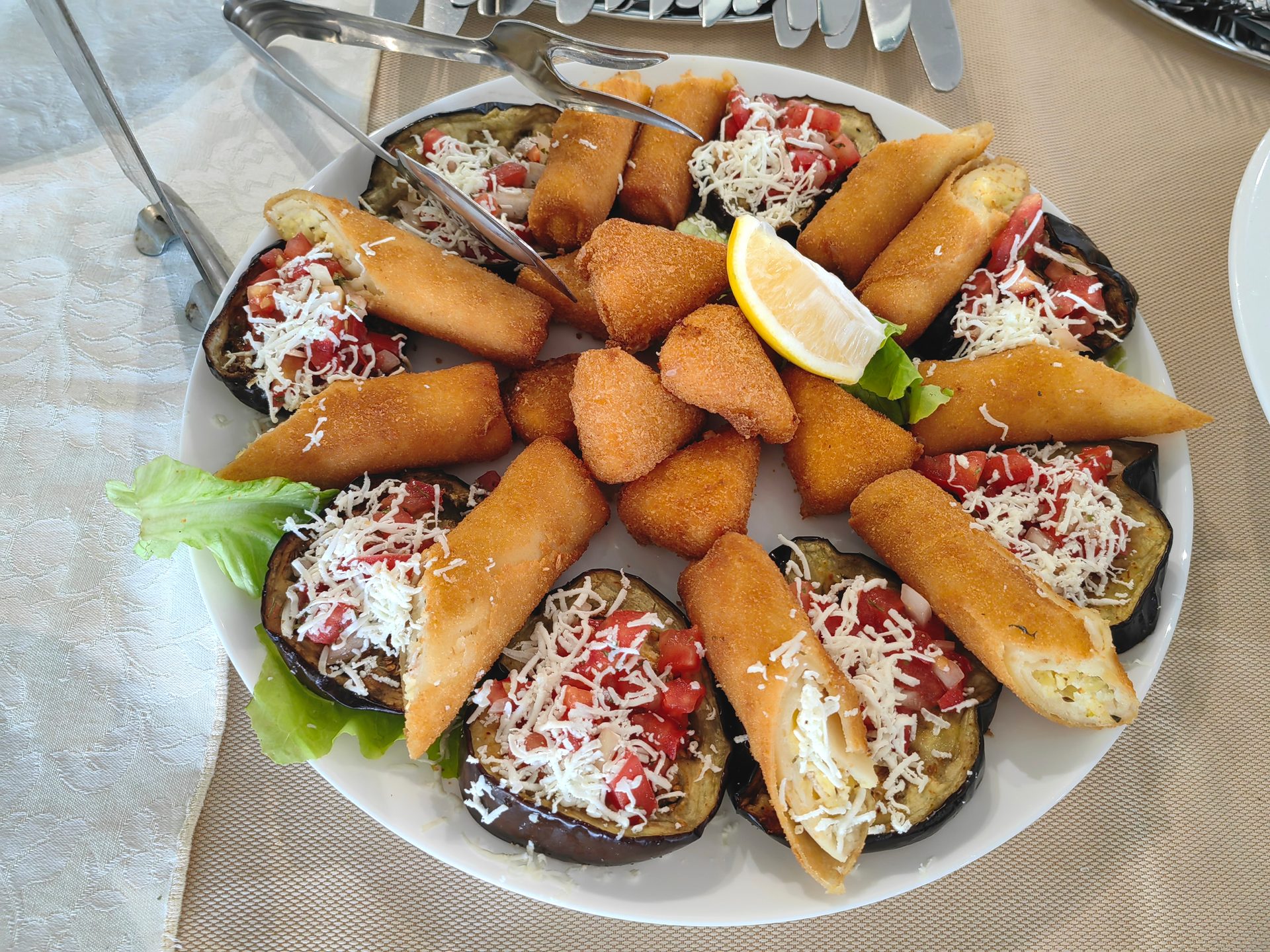
Yes, you can absolutely freeze breaded and fried eggplant — and when you do it the right way, you’ll have a ready-to-reheat side dish or meal component waiting in your freezer whenever you need it. Whether you fried up a big batch for eggplant parmesan or just made too many slices for dinner, freezing is a smart way to avoid waste and save time on busy weeknights.
The key is knowing how to prep, package, and reheat the slices so they come out tasting as close to fresh as possible. This guide walks you through every step, from flash-freezing to spotting signs of spoilage.
Can You Freeze Breaded and Fried Eggplant?
Deep-fried or pan-fried slices freeze exceptionally well, especially when they are breaded. The crust acts as a protective barrier for the soft interior. That’s one reason breaded and fried eggplant (Solanum melongena) handles the freezer better than plain raw or sautéed slices.
You can freeze breaded eggplant slices without baking them first, or even after they’re cooked. If cooked, let them cool off before freezing them. Both approaches work well, so whether you’re freezing leftovers or meal-prepping ahead of time, you have options.
Many professional kitchens actually prefer to freeze breaded eggplant before cooking to help the breading adhere better. So even if you haven’t fried the slices yet, the freezer can be a useful step in your prep process.
Pro Tip: If you’re batch-cooking for the week, fry your eggplant slices, let them drain on paper towels, cool completely, then freeze. You’ll have crispy, ready-to-reheat slices on hand without any extra prep later.
Does Freezing Change the Texture or Taste of Breaded and Fried Eggplant?
Freezing does affect texture to some degree — that’s just the reality of putting any fried food in the freezer. The good news is that breaded eggplant holds up better than most fried vegetables because the coating provides a protective layer around the interior flesh.
To avoid the “microwaved mush” effect, always reheat cooked eggplant in a conventional oven or an air fryer. This helps re-evaporate any moisture that accumulated during the freezing process and restores the original texture. Reheating method makes a bigger difference than the freezing itself.
Because of its high water content, eggplant doesn’t freeze well raw. Cooking it first — especially frying — removes a significant amount of that moisture, which is exactly why fried and breaded slices fare so much better in the freezer than raw ones. The taste remains very close to fresh, especially when you reheat at a high enough temperature to crisp up the coating again.
How to Freeze Breaded and Fried Eggplant the Right Way
The single most important step is flash-freezing the slices individually before bagging them. Skipping this step leads to a solid frozen clump that’s nearly impossible to portion without thawing the whole batch.
- Cool completely first. If you have already fried your breaded eggplant, let the slices cool completely on a wire rack. This prevents steam from being trapped in the container, which would make the breading soggy.
- Flash-freeze in a single layer. Place the eggplant rounds on a wax-paper-lined sheet pan and flash freeze them for two hours. This ensures each slice freezes individually.
- Transfer to freezer bags. Once flash-frozen, transfer them to a freezer bag, separating the layers with wax paper. Squeeze out as much air as possible before sealing.
- Label the bag. Write the date on the outside of the bag so you always know how long the eggplant has been stored.
Pro Tip: Air is the enemy of frozen food. If you use thin sandwich bags instead of heavy-duty freezer bags, or if you fail to squeeze out the air, your eggplant will develop a “freezer taste” within weeks. Always use heavy-duty freezer bags or airtight freezer-safe containers.
If you want to freeze breaded slices before frying them, the process is similar. Before you start the assembly line process of flour, egg, and breadcrumbs to coat the eggplant, line sheet pans with waxed paper or parchment. As you bread the eggplant slices, arrange them in a single layer on the prepared pan. Once they’re all done, set the trays in the freezer and leave them there until the eggplant slices are frozen solid. Then transfer to freezer bags for long-term storage. The frozen, breaded eggplant can go directly into the oven or fryer without issues.
How Long Can You Freeze Breaded and Fried Eggplant?
Frozen fried eggplant keeps about 3–4 months. For best quality, plan to use it within that window. The slices will technically remain safe to eat beyond that point if stored properly, but the texture and flavor start to decline after the 3–4 month mark.
If you have extra breaded and cooked eggplant leftover, you can store it flat in freezer-friendly bags (layered with parchment paper) and freeze for up to 1–2 months to make at another time. Some sources are more conservative with that estimate, so aiming for the 3-month mark gives you a reliable target that balances safety and quality.
| Form | Recommended Freezer Life | Notes |
|---|---|---|
| Breaded and fried slices | 3–4 months | Best quality within 3 months |
| Raw breaded slices (unfried) | Up to 3 months | Fry directly from frozen |
| Assembled eggplant parmesan (unbaked) | 3–4 months | Wrap tightly in plastic wrap and foil |
| Assembled eggplant parmesan (baked) | Up to 2 months | Use airtight container |
How to Thaw Frozen Breaded and Fried Eggplant
The refrigerator is your best option for thawing. The way you thaw frozen eggplant is equally important as the way you reheat it. Leaving it in the refrigerator overnight is the recommended approach. This slow thaw keeps the texture more intact and reduces the amount of moisture released.
If you’re in a hurry, you can go straight from freezer to oven or air fryer without thawing at all. If making a breaded dish with the eggplant, prep it and freeze on cookie sheets to allow them to freeze individually before moving to airtight containers so they are ready to fry right from the freezer. For most recipes, you will not need to thaw your eggplant if you prepared it before freezing. Simply remove from the freezer and cook.
Important Note: Avoid thawing breaded and fried eggplant at room temperature for extended periods. This can cause the breading to become soggy as condensation builds up on the surface before you have a chance to reheat it.
Can You Refreeze Breaded and Fried Eggplant After Thawing?
Refreezing is not recommended for breaded and fried eggplant. Each freeze-thaw cycle draws more moisture out of the eggplant flesh, and the breading absorbs that moisture, turning it soft and gummy. By the time you reheat refrozen slices, the coating is unlikely to crisp up the way it should.
From a food safety standpoint, refreezing cooked food that has been thawed in the refrigerator is generally considered safe by the USDA as long as it was thawed properly and hasn’t been sitting out at room temperature. However, the quality loss is significant enough that it’s not worth doing. Putting many fresh slices into one bag without flash-freezing them first creates a block that is impossible to portion out without thawing the entire bag — which is exactly why flash-freezing in a single layer before bagging is so important. Portioning correctly the first time means you only thaw what you need and never have to refreeze.
If you find yourself with more thawed eggplant than you can use in one sitting, the better move is to incorporate the leftovers into a cooked dish like pasta sauce or a casserole rather than refreezing the slices as-is. Eggplant is a nutritious whole plant-based food that works well in a wide variety of cooked preparations, making it easy to repurpose.
How to Use Frozen Breaded and Fried Eggplant (Best Uses After Freezing)
The best results come from reheating frozen breaded eggplant in a hot oven or air fryer — not the microwave. The air fryer at 375°F for 4–6 minutes is the top choice, followed by the oven at 400°F for 8–10 minutes. Avoid the microwave, as it softens the crust.
Here are the most popular ways to use frozen breaded and fried eggplant after it comes out of the freezer:
- Eggplant parmesan. Layer reheated slices with marinara and mozzarella, then bake until bubbly. This is the classic American use for breaded eggplant and one of the best ways to mask any minor texture changes from freezing.
- Eggplant sandwiches. If you plan to use eggplant for sandwiches or a dish that uses flat pieces of eggplant, freezing in slices is the best approach. Reheat a few slices and stack them on a crusty roll with provolone and roasted peppers.
- Side dish with dipping sauce. Reheat slices in the air fryer and serve with marinara, ranch, or sriracha mayo as an appetizer or side.
- Eggplant lasagna. Use thawed slices in place of pasta sheets for a low-carb layered bake.
- Pasta topping. Slice reheated eggplant into strips and toss with pasta, olive oil, garlic, and parmesan for a quick weeknight dinner.
Eggplant is also worth keeping in your regular meal rotation beyond just the fried preparation. It pairs well with the kinds of heart-healthy foods that nutrition experts consistently recommend, and it fits naturally into liver-supportive eating patterns as well.
Signs That Frozen Breaded and Fried Eggplant Has Gone Bad
Properly frozen eggplant is safe to eat well past the 3–4 month quality window, but there are a few clear signs that it’s time to throw the batch out.
- Freezer burn. If you don’t pat the eggplant dry before freezing, or if air gets into the bag, that excess water turns into ice. This leads to freezer burn, which appears as dry, grey, or “woody” patches on the vegetable. Mild freezer burn on the edges is cosmetic, but heavy freezer burn throughout the slice affects flavor significantly.
- Off smell after thawing. Thawed eggplant that smells sour, rancid, or otherwise off should be discarded. The breading can mask odors while frozen, so always smell the slices after they thaw.
- Slimy or mushy texture before reheating. Some softening is normal after thawing, but slices that feel slimy or fall apart before they even reach the oven have likely broken down too much to be worth reheating.
- Unusual color. Darkening or grey discoloration throughout the flesh (not just surface freezer burn) is a sign of significant degradation.
- Extended storage beyond 6 months. Even if there are no visible signs of spoilage, eggplant stored beyond 6 months will have lost most of its flavor and texture quality. At that point, it’s best to discard and start fresh.
Key Insight: Write the date of freezing on the container — that way, you will never have to second-guess yourself. A simple piece of masking tape and a marker takes five seconds and saves you from having to guess how old a bag of eggplant is six weeks later.
Eggplant is a versatile vegetable that shows up in cuisines all over the world, from traditional Greek cooking to South African cuisine. Knowing how to store it properly means you can enjoy it year-round without waste.
Frequently Asked Questions
Can you freeze eggplant parmesan after it’s been baked?
Yes. Assemble the eggplant parmesan and bake it as usual. Store leftovers in airtight containers and freeze for up to 1 month — thaw at room temperature and reheat in the oven at 400°F until warm.
Do you need to salt eggplant before breading and freezing?
You don’t necessarily need to salt eggplant first for breaded recipes. The breading protects the texture. That said, salting and pressing slices before breading does draw out excess moisture, which can improve the final texture after freezing and reheating.
Can you fry frozen breaded eggplant straight from the freezer?
If you plan to use it in a recipe where the eggplant is breaded, you can help make it easier to use by breading the eggplant before you freeze it. The frozen, breaded eggplant can go directly into the oven or fryer without issues.
How long does fried eggplant last in the refrigerator?
Store leftovers in an airtight container in the refrigerator for up to 3 days. Reheat in the oven or air fryer rather than the microwave to keep the coating as crisp as possible.
What’s the best oil for frying eggplant before freezing?
Neutral oils with a high smoke point — canola, vegetable, or peanut — work best for frying eggplant. These oils don’t impart a strong flavor and hold up well at the high temperatures needed to get a golden, crispy crust.
Understanding how to freeze and store food properly is one of the most practical kitchen skills you can have. Whether you’re building out a weekly meal prep routine or just trying to make the most of a big batch cook, breaded and fried eggplant is one of the easier fried foods to freeze successfully — as long as you follow the steps above. For more food storage guidance and healthy eating ideas, explore our articles on foods for healthy skin and powerful nutrients found in everyday foods.