Can You Freeze International Delight Coffee Creamer? (What You Need to Know)

October 23, 2026
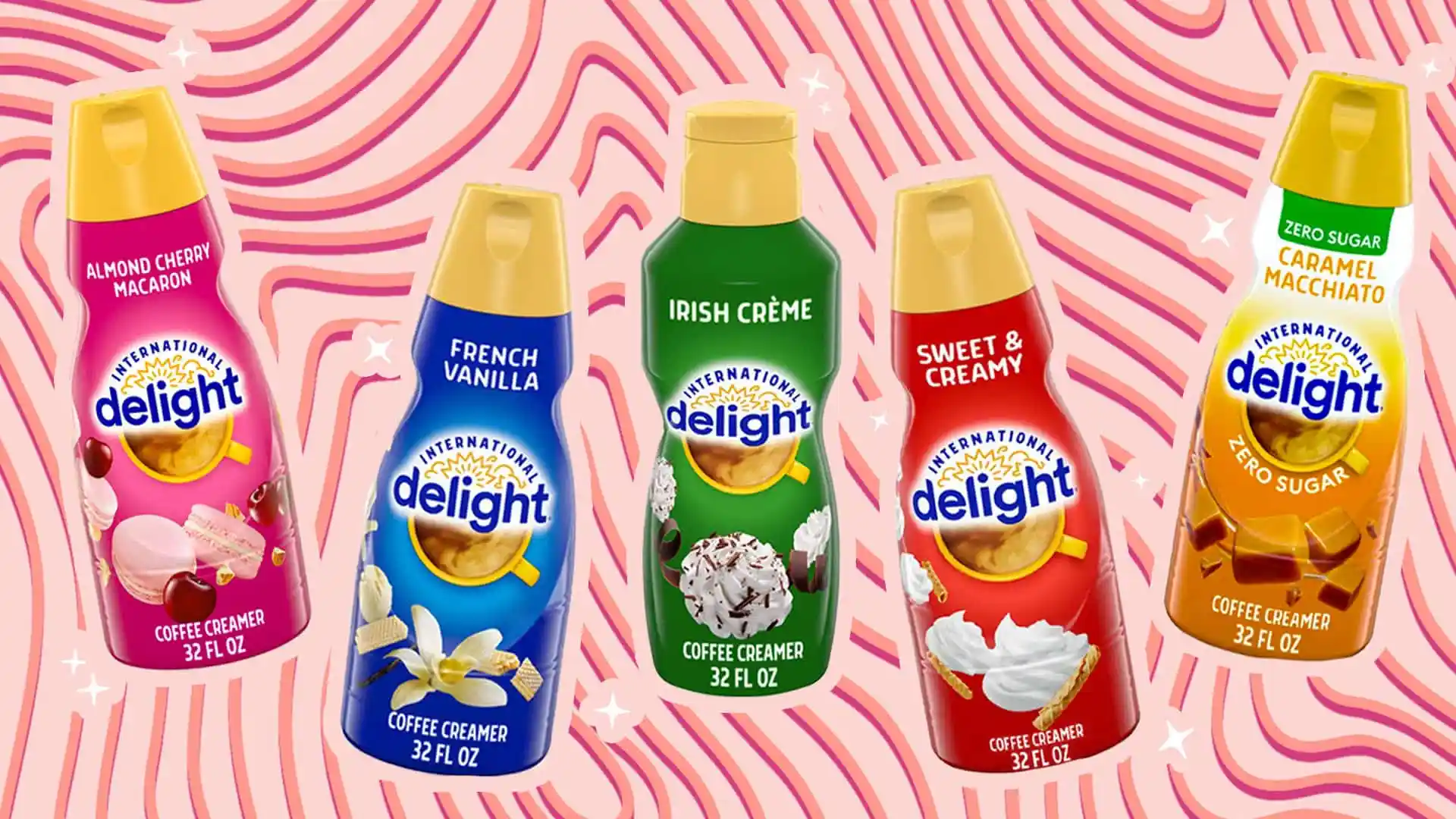
International Delight is one of the most popular coffee creamers in the United States, and for good reason — it comes in dozens of flavors, pours easily, and makes your morning cup feel a little more special. But what happens when you buy too many bottles on sale, or you want to save a limited-edition flavor before it disappears from store shelves?
Freezing seems like the obvious solution, but the answer is a bit more nuanced than a simple yes or no. You can freeze International Delight coffee creamer, but the manufacturer itself advises against it — and there are real trade-offs to understand before you toss a bottle in the freezer. This guide walks you through everything: what happens when you freeze it, how to do it the right way if you choose to, and how to tell when frozen creamer has gone bad.
Can You Freeze International Delight Coffee Creamer?
Technically, yes — but International Delight’s own FAQ page is pretty clear on where the brand stands. International Delight creamer that has been frozen and thawed is safe to consume, but its flavor and texture will be dramatically inferior to the creamer you know and love. That’s a direct quote from the company itself, so go in with your eyes open.
If you absolutely must freeze it, International Delight recommends thawing it slowly in the fridge and shaking the bottle vigorously to restore texture. Be aware that the company can’t guarantee the quality of creamer that’s been frozen, and freezing doesn’t extend the freshness date — it’s still best consumed by the date on the bottle.
There’s also a practical concern before you even get to quality: International Delight does not recommend freezing its bottles because the liquid will expand and overflow onto the bottle. That means you should never freeze creamer in its original sealed container. Always transfer it first.
Pro Tip: If you’re set on freezing, transfer the creamer to an airtight container or ice cube tray before it goes in the freezer — never freeze the original bottle. Liquid expands when frozen, and a sealed bottle can crack, leak, or burst.
For a broader look at how coffee creamer of all types responds to freezing, check out this guide to freezing coffee creamer for more storage options and tips.
Does Freezing Change the Texture or Taste of International Delight Coffee Creamer?
Yes — and this is the main reason the brand discourages it. Freezing can alter the texture, consistency, and flavor of the creamer due to ice crystal formation and emulsion breakdown. When thawed, you might notice separation, graininess, or changes in taste.
Here’s what’s happening at a chemical level: when you freeze coffee creamer, the liquid expands as it turns to ice, which can lead to changes in texture, with separation of ingredients occurring during the freezing and thawing process — creamers may become grainy or slightly lumpy once thawed.
Flavor is also affected. While freezing coffee creamer won’t make it unsafe to consume, it can potentially alter the flavor. Dairy creamers may lose some of their freshness, while non-dairy creamers tend to retain their taste better post-freezing. If you’re using flavored creamers, be aware that the intensity of flavor may diminish slightly after freezing and thawing.
International Delight is a non-dairy, flavored creamer — which means it fares somewhat better in the freezer than a straight dairy product would. But the emulsion can still break down, and fat separation is common after thawing, making the liquid coffee creamer look grainy, and subtle notes in flavored creamers may fade slightly over time.
| Quality Factor | Before Freezing | After Thawing |
|---|---|---|
| Texture | Smooth and creamy | Possibly grainy or separated |
| Flavor | Full, distinct flavor | Slightly muted or dulled |
| Appearance | Uniform, consistent color | May look separated or watery |
| Safety | Safe to consume | Still safe if handled correctly |
How to Freeze International Delight Coffee Creamer the Right Way
If you’ve weighed the trade-offs and still want to freeze your creamer — maybe you scored a deal on a seasonal flavor or bought in bulk — here’s how to do it with minimal quality loss.
Method 1: Airtight Container or Mason Jar
There are a couple of easy ways to store coffee creamer in the freezer. If you buy extra bottles from the store, transfer the contents to an airtight container or mason jar. The same goes if you have extra homemade creamer. Then, place it in your freezer and leave it until you need it. Remember to leave a little headspace at the top — liquids expand when frozen, so fill your container only about 80–90% full to avoid pressure buildup and leaks.
Method 2: Ice Cube Tray (Recommended)
Another method uses an ice cube tray. Pour any extra coffee creamer into the tray and freeze. Once frozen, remove the coffee creamer cubes from the tray and place them in an airtight container or zip-top bag. Now you have plenty of single-serving portions of creamer, ready to pull out whenever you need them.
The ice cube method is especially practical if you only use a splash of creamer per cup. This method is perfect for people that only use small amounts of creamer each day, since you can pop one cube out, thaw it, and have the ideal amount for your coffee without worrying about a large batch of creamer spoiling.
Pro Tip: Use a silicone ice cube tray with a lid to prevent freezer odors from seeping into your creamer cubes. Once frozen solid, transfer the cubes to a labeled zip-top freezer bag so you know exactly what’s inside and when you froze it.
How Long Can You Freeze International Delight Coffee Creamer?
Creamer can be stored in the freezer for about six months. That said, quality degrades over time even in the freezer, so the sooner you use it, the better the results. Most frozen coffee creamers maintain best quality for up to 6 months.
One important note from International Delight directly: freezing doesn’t extend the creamer’s freshness date — it’s still best consumed by the date on the bottle. So if your bottle expires in three weeks and you freeze it today, you haven’t bought yourself months of extra time — the quality clock is still ticking.
It is best to use International Delight within 5–7 days after opening. If you’re going to freeze it, do so before opening the bottle or as soon as possible after opening, rather than waiting until it’s nearly expired.
| Storage Method | Estimated Duration | Notes |
|---|---|---|
| Refrigerator (opened) | 5–7 days | Per International Delight’s recommendation |
| Refrigerator (unopened) | Until best-by date | Keep sealed and cold |
| Freezer (airtight container) | Up to 6 months | Quality declines; use before best-by date |
| Freezer (ice cube tray + bag) | Up to 6 months | Best method for portion control |
How to Thaw Frozen International Delight Coffee Creamer
Thawing your frozen creamer the right way makes a real difference in the final texture. The worst thing you can do is try to rush it at room temperature or in a microwave — that can cause uneven separation and a gummy, unpleasant consistency.
When you remove your creamer from the freezer, thaw it in the fridge overnight and keep it for no more than two weeks. Slow, cold thawing gives the emulsion the best chance of coming back together.
Once it’s thawed, don’t just pour it straight into your cup. Transfer from freezer to fridge and allow slow thawing overnight, then shake or stir thoroughly after thawing to reincorporate any separation. International Delight’s own FAQ echoes this: the company recommends thawing it slowly in the fridge and shaking the bottle vigorously to restore texture.
If you froze your creamer in ice cube form, you have two options. You can drop a cube or two directly into hot coffee and let it melt in, or transfer a few cubes to a small container the night before and let them thaw in the fridge overnight. If you’re worried about the cubes cooling down your coffee too much, place a few cubes in a container and refrigerate overnight — the next morning you’ll have fresh, liquid creamer for your coffee.
Important Note: Even after thorough shaking or stirring, thawed International Delight may not return to its original smooth consistency. If the texture is noticeably off after thawing, it’s best suited for cooking and baking rather than pouring directly into coffee.
Can You Refreeze International Delight Coffee Creamer After Thawing?
No — refreezing is not recommended. Never refreeze once thawed, as repeated freeze-thaw cycles can damage texture and flavor. Each time you freeze and thaw a liquid emulsion like coffee creamer, the ice crystals form again and further break down the fat-water structure, making the final product even grainier and more separated.
Use the creamer within 3–5 days after thawing and avoid refreezing. The ice cube tray method is specifically designed to prevent this problem — since each cube is a single serving, you only thaw what you need and never have to worry about refreezing a large batch.
- Thaw only as much as you plan to use in the next few days
- Store thawed creamer in the refrigerator, not on the counter
- Label your frozen portions with the freeze date so you know how long they’ve been stored
- Discard any thawed creamer you haven’t used within 5–7 days
How to Use Frozen International Delight Coffee Creamer (Best Uses After Freezing)
Even if the texture isn’t quite right for your morning coffee, thawed creamer doesn’t have to go to waste. There are several ways to put it to good use, especially in recipes where texture matters less than flavor.
Best uses for thawed creamer:
- Iced coffee: Drop frozen creamer cubes directly into a glass of cold brew or iced coffee — they cool the drink and melt in without any texture issues
- Baking: Use thawed creamer in place of milk or cream in muffins, pancakes, quick breads, or French toast batter — the slight texture change won’t matter once it’s baked
- Oatmeal and hot cereals: Stir thawed creamer into oatmeal or cream of wheat for a flavored, creamy boost
- Coffee drinks with lots of mixing: Blended drinks like frappes or smoothies will mask any graininess from thawed creamer
- Sauces and gravies: A splash of flavored creamer adds richness to savory sauces — French Vanilla works especially well in pan sauces or cream-based pasta
If you are an occasional drinker or want to preserve a seasonal coffee creamer flavor, using frozen creamer is a smart move. Think about saving a pumpkin spice or peppermint mocha flavor past its seasonal window — even if the texture isn’t perfect for straight coffee, it can add great flavor to baked goods and desserts year-round.
For more ideas on how foods interact with your health and cooking, explore these articles on whole plant-based foods and foods for healthy skin.
Signs That Frozen International Delight Coffee Creamer Has Gone Bad
Not all changes in frozen creamer mean it has spoiled — some texture shifts are normal and expected. But there are clear warning signs that tell you it’s time to throw it out rather than use it.
Smell it first. Fresh creamer should have a neutral or sweet, pleasant aroma. If you detect any sourness, a “musty” smell, or a scent reminiscent of vinegar, the creamer has likely begun to ferment or grow bacteria. For oil-based creamers, a smell like wet cardboard or paint indicates that the fats have gone rancid.
Look at the texture. Fresh creamer should be smooth, uniform in color, and free of any solid particles. If you pour the creamer and see chunks, flakes, or a “stringy” consistency, it has likely gone bad — this is often caused by bacterial growth that produces acid, which causes the proteins in the creamer to clump together.
There’s an important distinction to keep in mind: while some natural creamers separate slightly and just need a shake, heavy separation that won’t reintegrate can signal the stabilizers have failed or bacteria are present. Normal post-freeze separation shakes back together. Spoilage-related separation does not.
Watch for color changes. Look for curdling, clumps, or a change in color from white to yellow or grey — any discoloration is a red flag. If you’ve had the creamer for a long period of time, it may even have mold growing in it — dark or grey spots on the liquid’s surface are sure signs of mold.
Do a taste test only if everything else checks out. If the scent and sight pass the test, you can try a tiny drop — if it tastes sour, bitter, or unusually sharp, do not consume it.
And if you do accidentally consume a small amount of spoiled creamer, there’s no reason to visit the emergency room — you may experience some stomach upset, nausea, gas, bloating, or diarrhea, but these symptoms are usually mild and will pass with time.
For broader guidance on foods and how they affect your body, these resources on superfoods for a healthy heart and nutrients and foods that fight cancer are worth reading.
Frequently Asked Questions
Does International Delight creamer need to be refrigerated?
Yes. It is best to use International Delight within 5–7 days after opening, and it should be refrigerated. Even unopened bottles should be kept cold once you bring them home from the store.
Can you freeze International Delight mini creamers (single-serve cups)?
Those little individual coffee creamers contain real milk or cream, but they have a pretty long shelf life. Store them at room temperature and they’ll keep for about 6 months. They can also be frozen and pulled out as needed. Single-serve cups are actually better candidates for freezing than full bottles since they’re already portion-sized and sealed.
How long does International Delight last after opening without freezing?
According to the company, International Delight Creamer will last 5–7 days after opening. Keep it sealed tightly and stored toward the back of the refrigerator, not on the door, where temperatures fluctuate more.
Can you freeze flavored coffee creamer to save a seasonal variety?
Yes, and this is one of the best reasons to do it. If you are an occasional drinker or want to preserve a seasonal coffee creamer flavor, using frozen creamer is a smart move. Just keep in mind that the flavor may be slightly muted after thawing, so plan to use it in baked goods or blended drinks where that matters less.
What’s the best alternative if you don’t want to freeze your creamer?
Consider alternative options like powdered creamers for extended shelf life. Powdered creamers can last up to two years at room temperature when stored properly, making them a practical backup for households that don’t go through liquid creamer quickly. Single-serve creamer cups are another great option for occasional coffee drinkers.
Is it safe to use creamer past the best-by date?
The “Best By” date usually refers to peak quality and flavor, not a hard safety cutoff. Many creamers are safe for a few days past this date if they have been stored properly, but you should always check for signs of spoilage before use. When in doubt, trust your senses — smell, look, and taste a small amount before committing to a full pour.
For more food storage tips and guides across a wide range of topics, explore our articles on foods that support liver function, fibroid healing foods, and foods that promote healthy eyesight.