Can You Freeze Homemade Avocado Dip? What You Need to Know

October 22, 2026
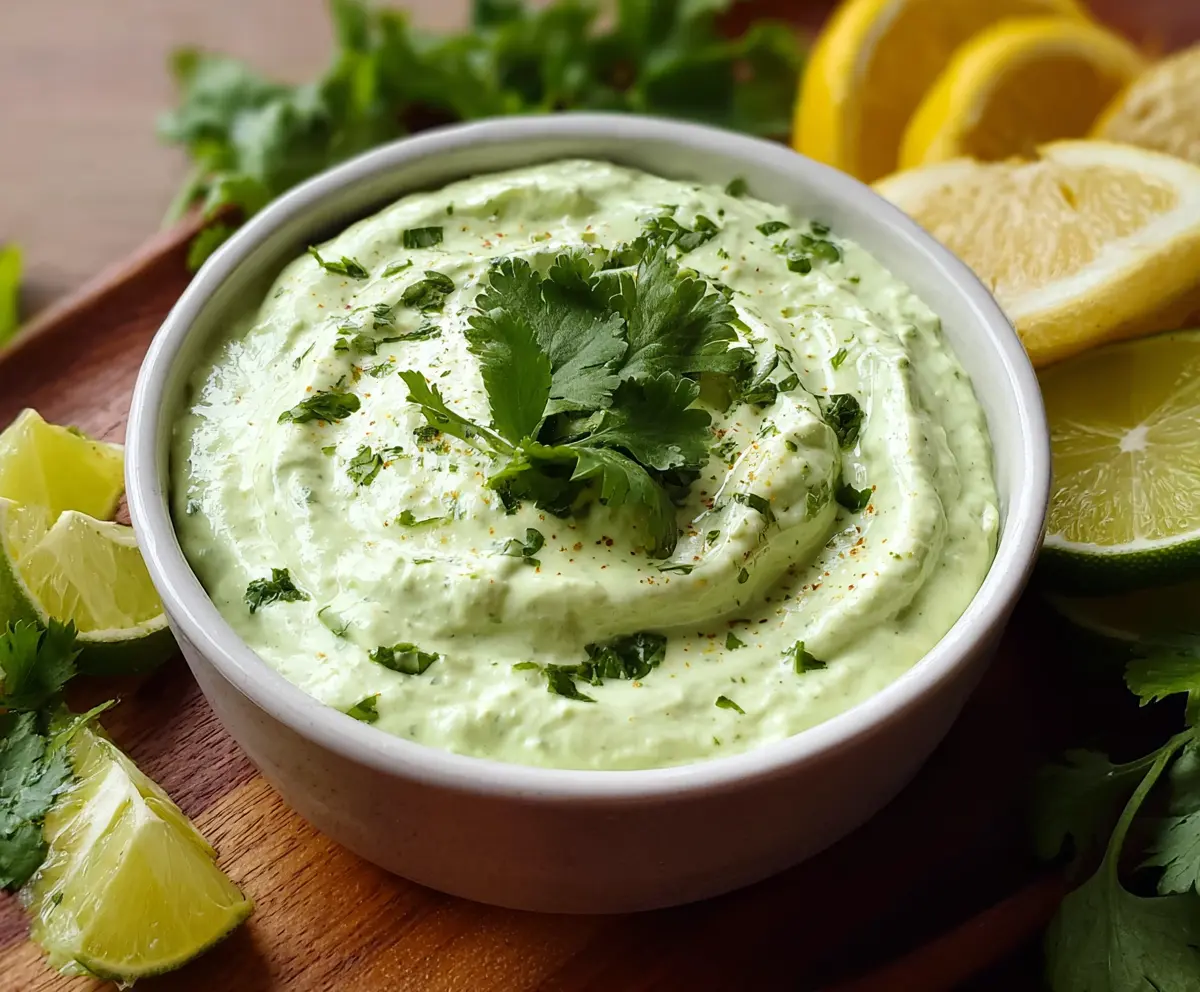
Homemade avocado dip disappears fast at the table, but when you make a big batch, the leftovers can go from bright green to a sad, brown mess in just a day or two. Freezing sounds like the obvious fix — but does it actually work?
The short answer is yes. You can freeze guacamole, but there is a lot you should know before doing so, including what type to freeze, how to freeze it, and how to use it once it has thawed. Done right, freezing your homemade avocado dip can save you money, cut down on food waste, and keep a stash ready for taco night whenever you need it.
This guide walks you through everything — from how freezing changes the dip to step-by-step storage instructions, thawing methods, and how to spot a batch that has gone bad.
Can You Freeze Homemade Avocado Dip?
Yes, you can freeze guacamole if you have purchased or made too much, or if you simply did not get around to eating some that you had in the refrigerator. The key is knowing what kind of avocado dip freezes well and what kind does not.
Freezing does alter the texture of fruits and vegetables with high water content. However, avocados have a high fat but relatively low water content, which makes freezing them quite easy with little texture change. The trouble comes from the other ingredients you may have added.
Watery ingredients like tomato and onion are notoriously hard to freeze, and they affect the overall texture of the entire dip. A smooth, simple avocado dip with minimal mix-ins will hold up far better in the freezer than a chunky, fully loaded version.
Pro Tip: If you know you are making a batch specifically to freeze, hold off on adding tomatoes, onions, jalapeños, and cilantro. Stir those fresh ingredients in after the dip has thawed for the best flavor and texture.
Does Freezing Change the Texture or Taste of Homemade Avocado Dip?
Freezing does change your avocado dip — that is the honest answer. Understanding exactly what changes helps you decide whether frozen dip will still work for your needs.
Avocado cells contain a high proportion of water. When frozen, that water forms ice crystals, which are larger than liquid water molecules and puncture the cell membranes during the freezing process. When the dip thaws, the ruptured cells release their liquid, resulting in a guacamole that is noticeably softer and often slightly watery compared to freshly made.
On the flavor side, the news is a bit better. Thawed guacamole is noticeably softer and often slightly watery compared to fresh, but the flavor is largely preserved — it may just be slightly less vibrant. It does lose that fresh avocado flavor that perfectly ripe avocados have — in fact, it may not taste like much at all on its own.
The degree to which the texture is affected depends on how the dip was before freezing. A chunky, home-style guac does not freeze that well, but a smooth, sauce-like one freezes quite well. This is why the type of avocado dip you start with matters so much.
Key Insight: Frozen avocado dip works best in cooked or blended applications where texture is less critical. It is not ideal for serving as a fresh chip dip straight from the freezer.
How to Freeze Homemade Avocado Dip the Right Way
The biggest enemies of frozen avocado dip are air, excess water, and chunky mix-ins. Follow these steps to give your batch the best chance of coming out well.
- Start with a smooth base. For best results, make a smooth and creamy dip that has been puréed rather than one that has large chunks of avocado if you are planning to freeze it.
- Skip the watery add-ins. Ingredients like onions or tomatoes increase the water content of the frozen product, making it more likely to be watery instead of creamy and smooth when defrosted. It can be best to leave these ingredients out of the portion you will freeze and add them in later.
- Add a small amount of citrus. Add some lemon or lime juice over the dip to keep it from browning in the freezer. Do not add too much, as this can introduce more liquid and affect texture during freezing. You can always add more after thawing.
- Portion it out. Divide the dip into single-use portions before freezing. Consider freezing in ice cube blocks so you can easily take out the amount you need without defrosting the whole batch.
- Remove all the air. Place the mashed avocado in a freezer bag, then carefully squeeze out any air from the bag. Extra air trapped in the container will cause the guacamole to turn brown.
- Add a protective layer. Some experts recommend coating the top of the dip in olive oil to prevent ice crystals from forming along the top or sides of the container, which will also ensure there is no extra water added.
- Label and date the bag. Make sure to label the freezer bag with the date you made the dip so you can keep track of how long it has been frozen.
Avocados are packed with nutrients that make them worth preserving — learn more about the benefits of avocado fruit and seeds to understand why this dip is worth the extra freezing effort.
How Long Can You Freeze Homemade Avocado Dip?
Storage time depends on how well you seal the dip and what ingredients it contains.
| Dip Type | Freezer Life (Best Quality) | Maximum Safe Window |
|---|---|---|
| Smooth avocado base (no mix-ins) | 3–4 months | Up to 6 months |
| Simple dip (lime juice, salt, garlic) | 3 months | Up to 4 months |
| Chunky dip (tomato, onion, jalapeño) | 1–2 months | Not recommended |
Well-sealed frozen guacamole lasts about 3 to 4 months at best quality. Some sources suggest it remains technically safe for up to 6 months, but the texture and flavor degrade noticeably after the 4-month mark.
In the refrigerator, homemade avocado dip has a much shorter window. Guacamole typically stays good for 2 to 3 days in the refrigerator when stored in an airtight container. Freezing extends that life dramatically, which is why it is worth doing when you have made more than you can use in a day or two.
Avocado dip is one of many superfoods for a healthy heart — another reason to preserve your batch carefully rather than letting it go to waste.
How to Thaw Frozen Homemade Avocado Dip
How you thaw the dip matters almost as much as how you froze it. Rushing the process can affect both texture and food safety.
The best method: refrigerator overnight. Thaw in the refrigerator overnight — never at room temperature — because room-temperature thawing brings the dip through the bacterial danger zone for an extended period. Refrigerator thawing is controlled and safe.
Drain off any released water before serving or cooking. This step alone can make a big difference in the final texture. Once the excess liquid is poured off, give the dip a good stir.
Reviving the flavor after thawing. Once your frozen dip is fully defrosted, add flavor boosters for fresh-tasting results. Serve it alongside fresh salsa with Mexican food like tacos, enchiladas, or quesadillas. A squeeze of fresh lime juice, a pinch of salt, and a handful of chopped cilantro can go a long way toward restoring that just-made taste.
If your defrosted dip has a watery texture, add some fat to revive that creamy consistency — try avocado oil or olive oil.
Pro Tip: Never thaw frozen avocado dip on the counter and then refreeze it. Always move it straight from the freezer to the refrigerator and plan to use it within 24 hours of thawing.
Can You Refreeze Homemade Avocado Dip After Thawing?
No — refreezing thawed avocado dip is not a good idea, and most food safety guidance advises against it.
Avoid refreezing thawed guacamole since the texture will take a bigger hit. The ice crystal damage that already occurred during the first freeze will compound with a second freeze-thaw cycle, leaving you with a watery, broken dip that has lost most of its appeal.
Once thawed, eat it within 24 hours and do not refreeze it. This is the safest and most practical approach.
The best way to avoid the refreezing dilemma is to freeze in small, single-serving portions from the start. That way, you only thaw exactly what you need and the rest stays safely frozen until you are ready for it.
How to Use Frozen Homemade Avocado Dip (Best Uses After Freezing)
Once thawed, your avocado dip may not be quite the same as fresh — but it is still genuinely useful in the kitchen. The trick is matching it to the right application.
Thawed guacamole is appropriate for cooked applications where the texture is transformed anyway — quesadillas, enchiladas, soups, and baked dips — but is generally too soft and watery for serving as a fresh dip.
Here are the best ways to put your thawed avocado dip to work:
- Taco and burrito topping. Use it in dishes that have lots of other flavors going on, like tacos or burritos, where the frozen-thawed dip gives you the suggestion of guac without having to shine on its own.
- Smoothies. Blend thawed avocado dip into any sort of smoothie — it will bring its creamy texture and nutritious boost to the beverage.
- Salad dressings and sauces. You can blitz defrosted or leftover guacamole into creamy salad dressings.
- Quesadilla and enchilada filling. Spread it inside a quesadilla before grilling — the heat masks any texture change completely.
- Avocado toast spread. Generously spoon it over toasted sourdough for a take on avocado toast. A little extra seasoning and a sprinkle of red pepper flakes brings it back to life.
- Dips and spreads for sandwiches and wraps. Frozen avocado chunks and mashed dip are perfect to throw into smoothies, make salad dressings, or spread on sandwiches, burritos, or tacos.
Avocado is one of the most nutrient-dense ingredients you can keep in your kitchen — it even appears on lists of powerful nutrients and foods that fight cancer and foods that support healthy liver function. Using every last bit of your homemade batch is a smart move.
Signs That Frozen Homemade Avocado Dip Has Gone Bad
Not all color changes in frozen avocado dip mean it has spoiled — but some signs are serious. Here is how to tell the difference.
Surface browning alone is not a dealbreaker. Brown surface color from oxidation is safe and can be scraped off, but pooling liquid, off smells, or dull color beneath the surface are real signs of spoilage. If you scrape off the brown layer and the dip underneath is still a bright, fresh green, it is fine to use.
Warning signs that mean you should throw it out:
- Deep, uniform browning throughout. If you stir the dip and the layers underneath are no longer a bright green color — instead looking dull, grayish, or uniformly brown — that points to spoilage rather than surface oxidation.
- Mold growth. Mold is an obvious but less common sign. If you see fuzzy white, green, or black spots on the surface, discard the entire container — mold roots run deeper than what you can see.
- Off smell. Guacamole that smells sour, fermented, or just off has likely gone bad. Fresh avocado dip should smell clean and slightly nutty.
- Slimy texture or excessive liquid separation. Slimy texture and excessive liquid separation are warning signs that the guacamole is no longer safe to eat.
- Off taste. If the dip tastes sour, bitter, or generally off, it is best to discard it.
Important Note: When in doubt, throw it out. Avocado dip is highly perishable, and the first signs of bacterial growth are not always visible. If the dip has been frozen for longer than 4 months or was not sealed properly, err on the side of caution.
A healthy diet includes knowing which foods to keep and which to toss. For more on foods that support your overall wellness, see this guide to whole plant-based foods and this look at foods for healthy skin.
Frequently Asked Questions
Can You Freeze Store-Bought Avocado Dip?
Yes. The same rules apply to store-bought avocado dip as to homemade. A chunky, home-style version does not freeze as well, but a smooth, sauce-like one freezes quite well. Some brands even recommend freezing their product — for example, Wholly Guacamole states that their product freezes well. Check the label for brand-specific guidance.
How Do You Keep Avocado Dip from Turning Brown in the Freezer?
Freezing slows down browning, but it can still happen, especially if there is air trapped in your container. Squeezing out as much air as possible and pressing plastic wrap directly on the surface before sealing is key to keeping it green. A thin layer of olive oil on top before sealing adds another layer of protection.
Can You Freeze Avocado Dip in Glass Jars?
You can, but leave at least an inch of headspace at the top. Liquids expand when frozen, and a jar filled to the brim can crack. Freezer-safe bags with the air pressed out are generally easier to manage for smaller portions.
How Long Does Homemade Avocado Dip Last in the Fridge Before Freezing?
You can only store homemade guacamole in the fridge for about three days, but you can freeze it for up to three months. Freeze it as fresh as possible — the sooner after making, the fresher the dip will be when thawed. Freezing day-old dip means you start the freeze-thaw cycle with already-deteriorating texture.
Is It Safe to Eat Avocado Dip That Has Been Frozen for 6 Months?
Well-sealed frozen guacamole lasts 3 to 4 months at best quality and is technically safe for up to 6 months, but quality degrades beyond the 4-month mark. At 6 months, the dip may be safe to eat but will likely have significant texture and flavor loss. Use your senses to judge — if it smells or looks off, discard it.
What Is the Best Container for Freezing Avocado Dip?
Zip-top freezer bags with all air pressed out work well for most home cooks. For single portions, a silicone ice cube tray works great — press the dip into the wells, cover with plastic wrap, freeze until solid, then transfer the cubes to a labeled freezer bag. This lets you thaw exactly as much as you need without disturbing the rest of the batch.