8 Best Apology Flowers to Say Sorry and Mend Relationships

February 15, 2026
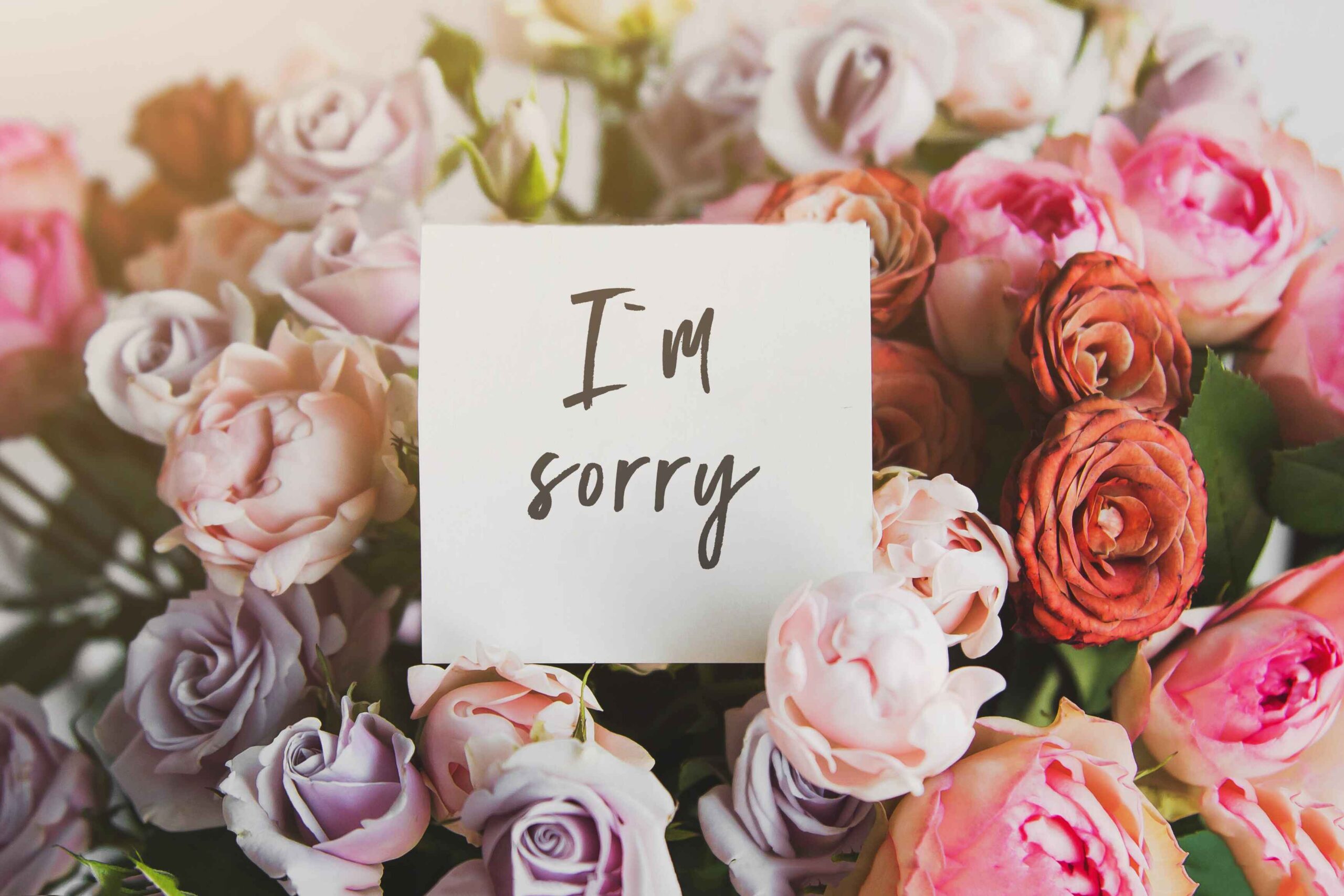
Choosing the right flowers to apologize can make all the difference between a hollow gesture and a meaningful step toward reconciliation. While 69% of people say they appreciate receiving flowers as an apology, not all blooms carry the same message of remorse and hope for forgiveness. The flowers you select communicate your sincerity, understanding of the situation, and genuine desire to repair what’s been broken.
Whether you’ve hurt a romantic partner, friend, or family member, the language of flowers offers a time-honored way to express what words alone sometimes cannot. In this guide, you’ll discover eight meaningful apology flowers, their symbolic meanings, and how to choose the perfect bloom to say “I’m sorry” with authenticity and grace.
Best Apology Flowers
1. Roses (White or Pink)
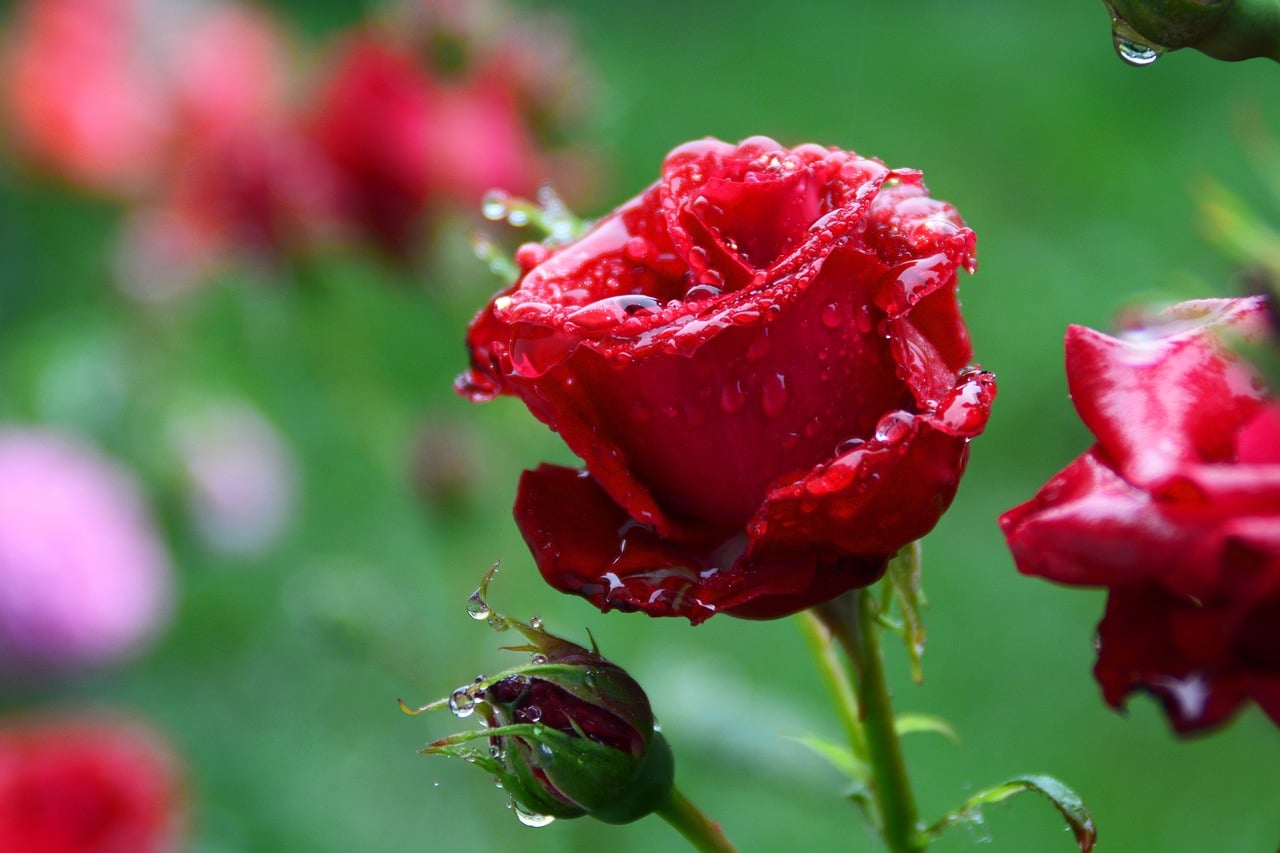
White and pink roses stand as the most classic choice for apology flowers, carrying profound symbolism that transcends their beauty. White roses represent purity, innocence, and new beginnings—making them ideal when you want to communicate a fresh start after conflict. The white rose (Rosa cultivars in white varieties) symbolizes reverence and humility, two essential qualities when seeking forgiveness.
Pink roses convey a gentler message than their red counterparts, expressing admiration, gratitude, and grace. Light pink roses specifically communicate sympathy and sweetness, while deeper pink shades suggest appreciation and recognition of another’s feelings. According to floral symbolism experts , pink roses work particularly well when apologizing to friends or family members, as they avoid the romantic intensity of red roses.
Pro Tip: Combine white and pink roses in a single bouquet to communicate both your desire for a fresh start and your appreciation for the relationship you’re hoping to preserve.
When selecting roses for an apology, opt for a dozen or more to demonstrate the significance of your gesture. Avoid wilted or damaged blooms, as freshness reflects the sincerity of your intentions. Pair your roses with a handwritten note that takes genuine responsibility—flowers enhance your apology but shouldn’t replace honest communication.
2. Tulips
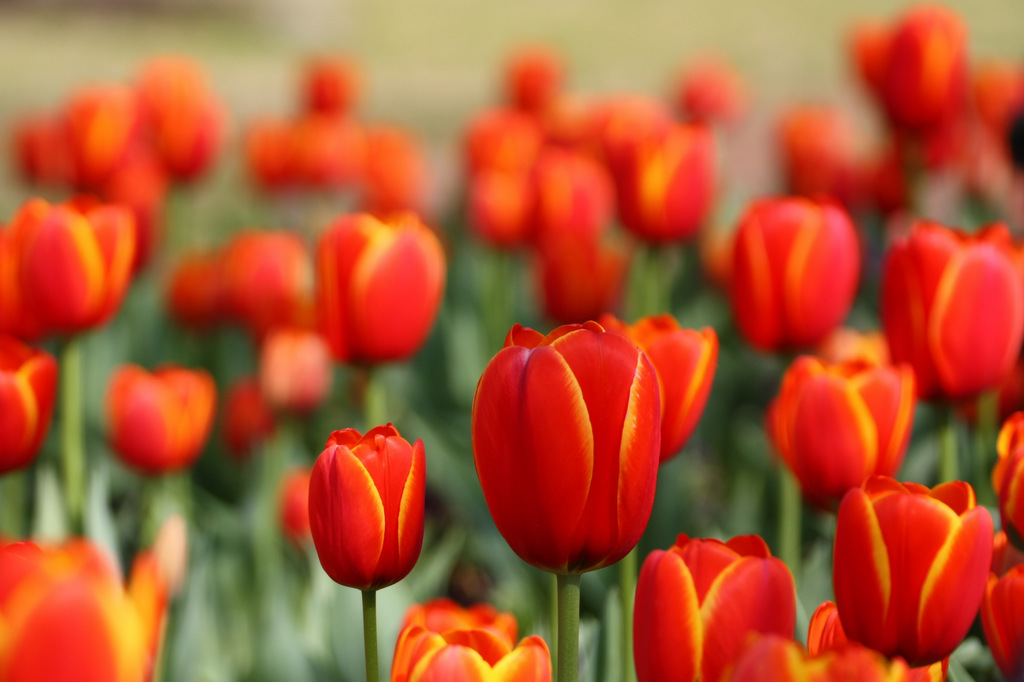
Tulips offer a refreshing alternative to roses, particularly effective for apologies that require a lighter touch or when addressing conflicts with friends and colleagues. The tulip (Tulipa species) carries meanings of perfect love, forgiveness, and worthiness, making these spring favorites surprisingly powerful messengers of reconciliation.
White tulips specifically symbolize forgiveness and respect, serving as a visual representation of your wish to move forward. Purple tulips convey royalty and elegance but also represent rebirth—appropriate when you’re hoping to rebuild trust. According to relationship experts , yellow tulips communicate cheerful thoughts and sunshine, making them suitable for lighter conflicts or when apologizing to someone with whom you share a predominantly positive relationship.
The clean, simple lines of tulips communicate sincerity without overwhelming sentimentality. They work especially well when apologizing in professional contexts or to acquaintances where elaborate roses might feel too intimate. A bouquet of mixed tulip colors can express the complexity of your feelings—regret for your actions combined with hope for reconciliation.
Important Note: Avoid red tulips for apologies, as they primarily symbolize romantic love rather than remorse or forgiveness. Stick with white, purple, pink, or yellow varieties for the clearest apology message.
3. Lilies (Especially White)
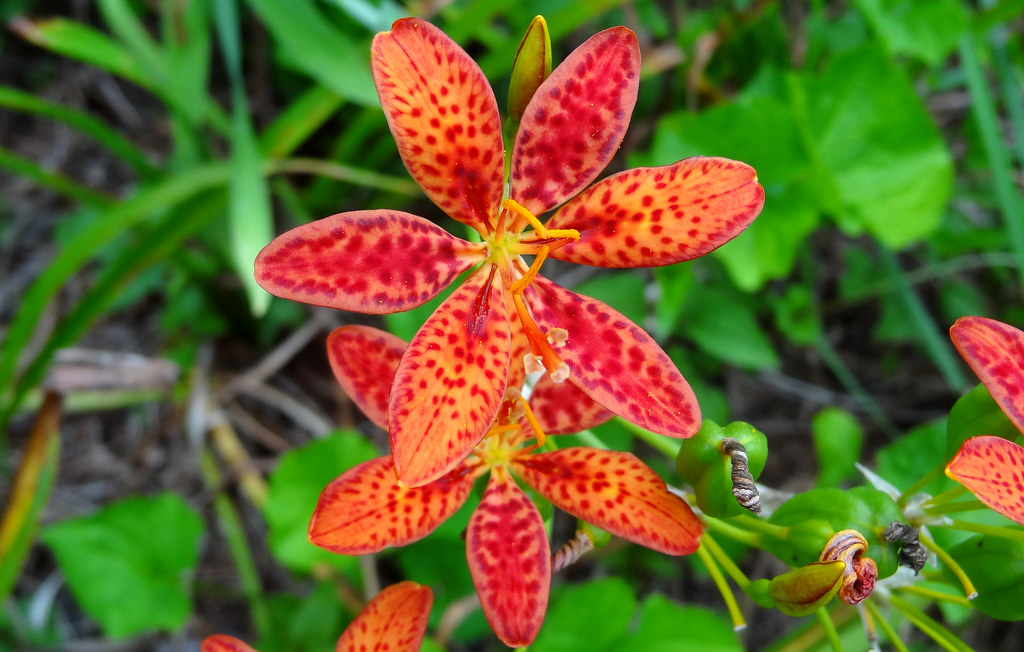
White lilies rank among the most powerful apology flowers due to their association with purity, commitment, and restored innocence. The white lily (Lilium candidum and other white Lilium species) has represented virtue and renewal across cultures for centuries, making it an eloquent choice when you need to communicate deep remorse and a commitment to change.
These elegant blooms work particularly well for serious apologies where significant trust has been broken. Their dramatic appearance and sweet fragrance create a memorable impression that underscores the gravity of your message. White lilies communicate that you understand the weight of your actions and are committed to personal growth and relationship repair.
Stargazer lilies, with their pink and white coloring, offer a slightly softer approach while maintaining the lily’s symbolic power. These varieties suggest ambition and encouragement, subtly communicating your determination to do better. For those interested in exploring more about different lily varieties, understanding the nuances between species can help you select the most appropriate bloom for your specific situation.
When presenting lilies as an apology, consider their strong fragrance—some people find it overwhelming in enclosed spaces. If you’re unsure about the recipient’s preferences, you might include a note suggesting they enjoy the blooms in a well-ventilated area. The thoughtfulness of this consideration itself demonstrates the care and attention you’re bringing to your apology.
4. Hyacinths
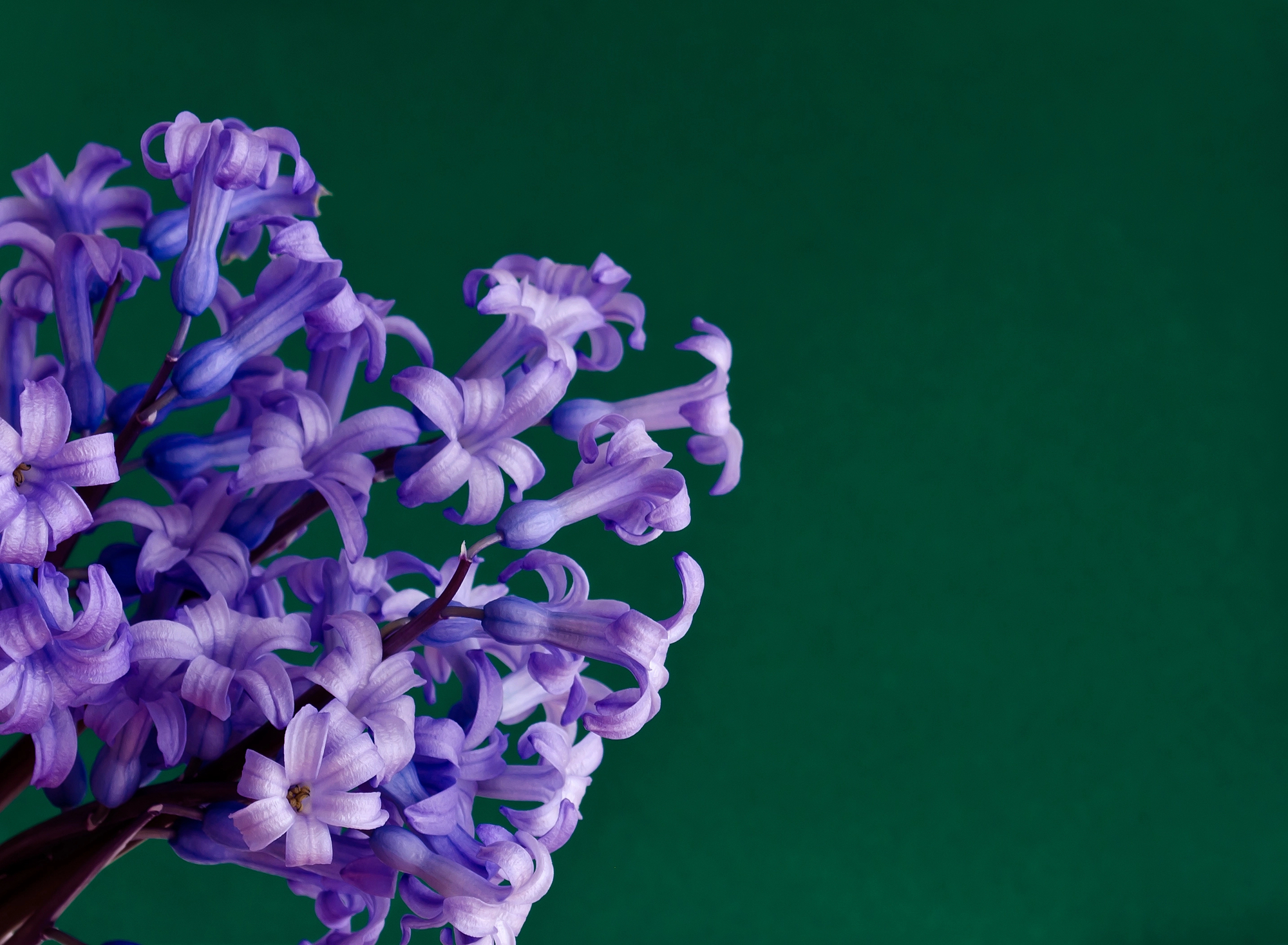
Hyacinths carry a unique symbolism that makes them particularly meaningful for apologies requiring sincerity and constancy. The hyacinth (Hyacinthus orientalis) specifically represents “I’m sorry” in the Victorian language of flowers, making it one of the most direct floral apologies you can offer. This historical association gives hyacinths an authenticity that recipients familiar with flower symbolism will immediately recognize.
Purple hyacinths specifically communicate sorrow and a desire for forgiveness, while white hyacinths represent prayers and loveliness. The dense, fragrant flower clusters create a visual impact that matches the emotional weight of a heartfelt apology. According to floral design specialists , hyacinths work especially well in spring arrangements or when you want to reference the possibility of renewal and fresh growth.
Key Insight: Hyacinths bloom in early spring, symbolizing new beginnings after winter’s end. This natural timing makes them metaphorically perfect for suggesting that your relationship can emerge renewed after a difficult period.
The sweet, penetrating fragrance of hyacinths serves as a lasting reminder of your apology long after the visual impact fades. This sensory memory can reinforce your message of remorse and commitment to change. When selecting hyacinths, choose stems with multiple open blooms to ensure the recipient experiences their full beauty and scent immediately upon receiving them.
5. Orchids
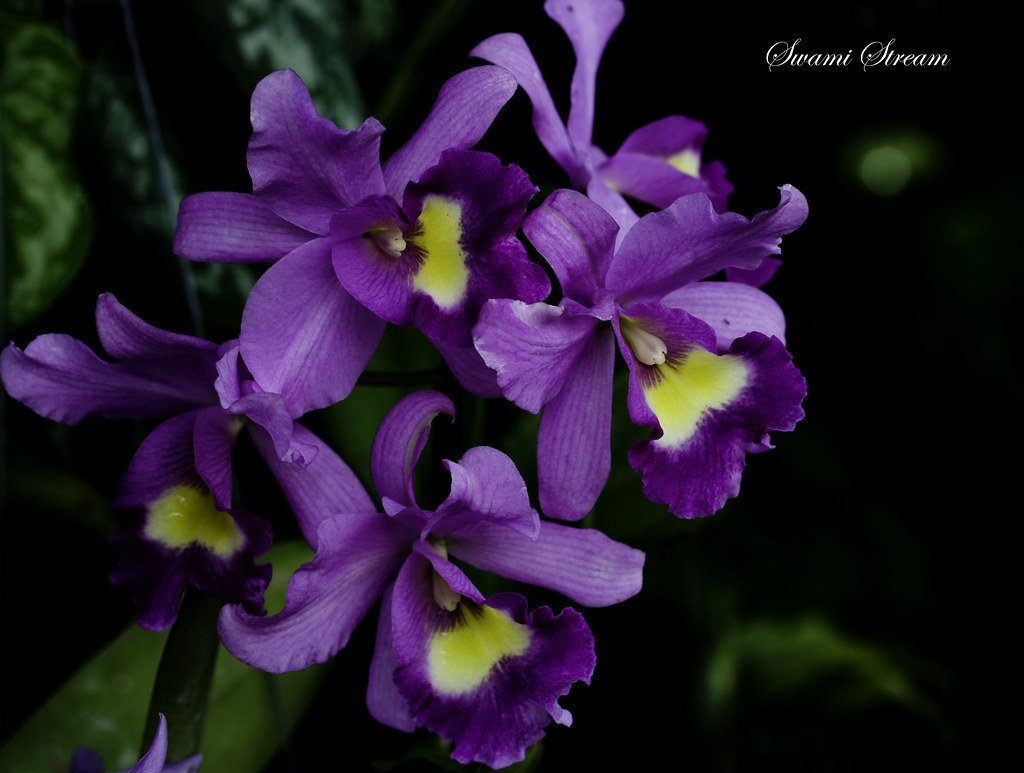
Orchids represent a sophisticated approach to apology flowers, particularly appropriate when addressing conflicts in longer-term relationships or when you want to communicate lasting commitment to change. The orchid (various Orchidaceae family species, particularly Phalaenopsis for gift-giving) symbolizes rare beauty, strength, and love—qualities that reflect the value you place on the relationship you’re hoping to repair.
White orchids specifically convey purity and elegance, making them suitable for serious apologies where you want to demonstrate refined sincerity. Pink orchids express grace, joy, and femininity, working well when apologizing to mothers, sisters, daughters, or female partners. The long-lasting nature of orchid blooms—often persisting for weeks or months with proper care—serves as a continuing reminder of your commitment to making amends.
Unlike cut flowers that fade within days, a potted orchid plant demonstrates investment in the future of your relationship. This longevity makes orchids particularly meaningful when you’ve damaged trust and need to show sustained effort rather than a fleeting gesture. The care required to maintain orchids also metaphorically represents the attention you’re willing to give to nurturing the relationship forward.
When selecting orchids for an apology, opt for varieties known for easier care, such as Phalaenopsis (moth orchids). Including care instructions shows thoughtfulness and increases the likelihood that your gift will thrive as a positive reminder rather than wilt as a symbol of neglect. For those interested in exploring more meaningful flower gifts, understanding flowers appropriate for different relationships can provide additional context for your selection.
6. Hydrangeas
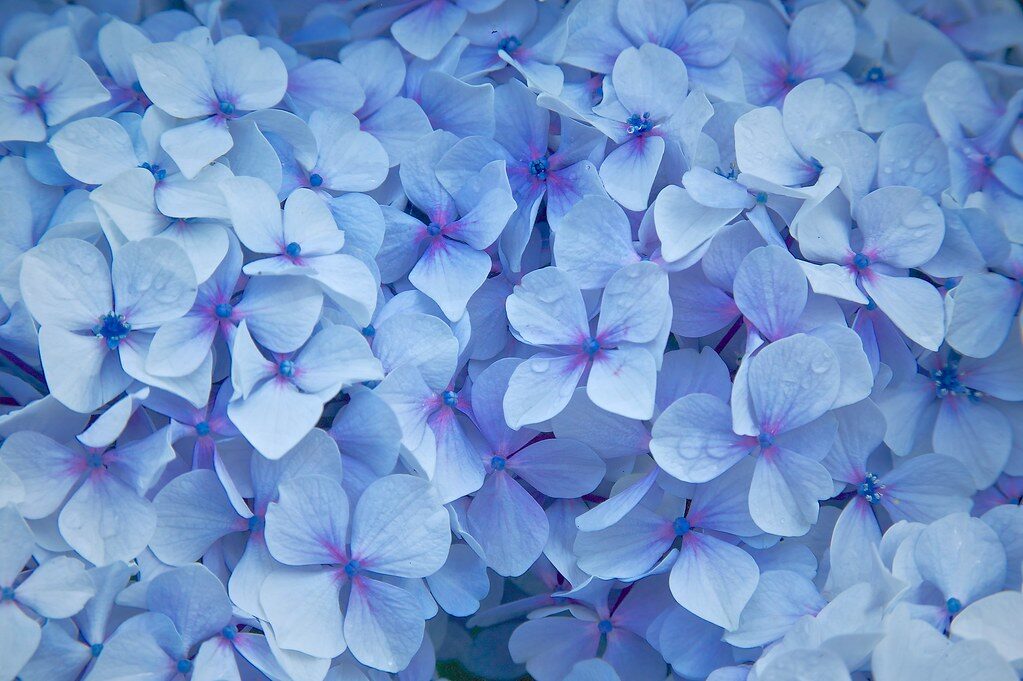
Hydrangeas carry complex symbolism that makes them particularly suitable for apologies involving heartfelt emotions and genuine understanding. The hydrangea (Hydrangea macrophylla and related species) traditionally represents heartfelt emotions, gratitude, and understanding—all essential components of a meaningful apology. These lush, abundant blooms communicate the depth of your feelings and your appreciation for the person you’ve hurt.
Blue hydrangeas specifically symbolize apology and regret, making them one of the most direct floral expressions of remorse available. This color association stems from the flower’s ability to change color based on soil pH—a natural transformation that can metaphorically represent your willingness to change and adapt. White hydrangeas convey purity and grace, while pink varieties express heartfelt emotion and sincere feelings.
The generous, full appearance of hydrangea blooms creates an impressive visual statement that matches the magnitude of a serious apology. Their substantial presence communicates that you’re not offering a token gesture but rather a significant acknowledgment of your mistake. According to professional florists , hydrangeas work particularly well in mixed arrangements where their volume can anchor other meaningful blooms.
Common Mistake: Don’t assume all hydrangeas carry the same meaning. In some contexts, hydrangeas have been associated with vanity or boastfulness. Stick with blue, white, or pink varieties and include a note explaining your choice to ensure your message is clear.
Hydrangeas also offer practical advantages as apology flowers—they’re available year-round from florists, relatively affordable for their visual impact, and can last up to two weeks with proper care. This combination of symbolic meaning, visual appeal, and practical considerations makes them an excellent choice when you want to make a strong impression without appearing overly extravagant or insincere.
7. Carnations (Pink)
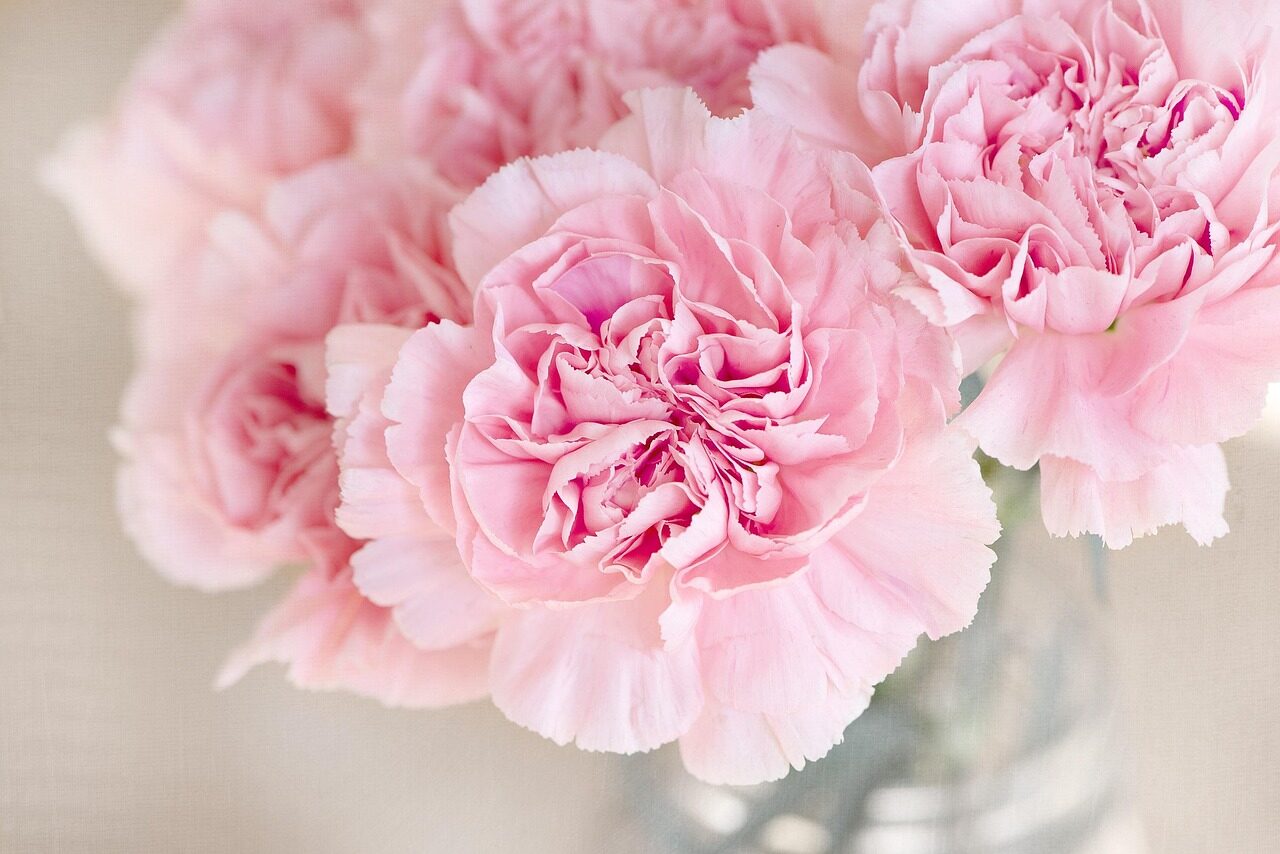
Pink carnations offer an often-overlooked option for apology flowers, combining affordability with profound symbolic meaning. The pink carnation (Dianthus caryophyllus in pink varieties) specifically represents “I’ll never forget you” and carries associations with a mother’s undying love—making these blooms particularly appropriate when apologizing to family members or expressing enduring commitment despite your mistakes.
Light pink carnations symbolize admiration and gratitude, while deeper pink shades convey appreciation and recognition of another’s worth. This range of pink tones allows you to calibrate your message based on the relationship and the nature of your apology. Carnations’ reputation for longevity also works in your favor—these hardy flowers can last two to three weeks with proper care, serving as an extended reminder of your commitment to making things right.
While carnations sometimes suffer from being perceived as less sophisticated than roses or lilies, this humble quality can actually enhance their effectiveness as apology flowers. Their unpretentious nature communicates sincerity and genuine remorse rather than an attempt to “buy” forgiveness with expensive blooms. When combined with other flowers in a mixed bouquet, carnations add volume, texture, and staying power while contributing their own symbolic meaning.
Consider pairing pink carnations with white roses or lilies to create a bouquet that balances humility with elegance. This combination communicates both the depth of your remorse and your respect for the person you’ve hurt. For those exploring other meaningful flower combinations, learning about flowers for different emotional occasions can provide valuable insights into creating the most appropriate arrangement.
8. Daisies
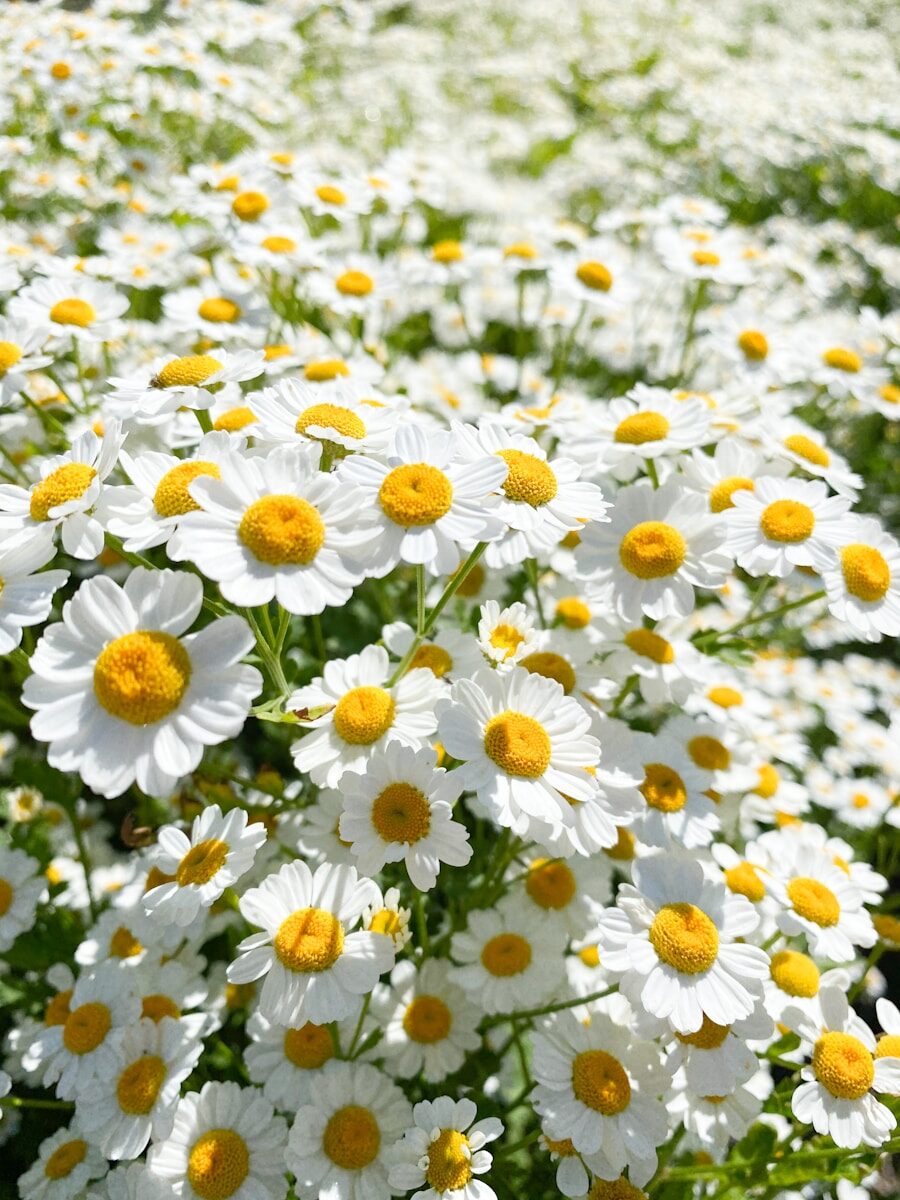
Daisies represent innocence, purity, and new beginnings—making them surprisingly effective apology flowers, particularly for lighter conflicts or when seeking to restore a sense of simplicity and joy to a relationship. The common daisy (Bellis perennis) and the larger Shasta daisy (Leucanthemum × superbum) both carry associations with loyal love and purity of intention, qualities essential to any sincere apology.
White daisies specifically symbolize innocence and true love, communicating your desire to return to a more innocent, uncomplicated state in your relationship. Their cheerful, open-faced appearance creates an approachable, non-threatening impression that can help lower defensive barriers and open the door to reconciliation. According to relationship counselors , daisies work particularly well when apologizing to children or when addressing conflicts that arose from misunderstandings rather than serious betrayals.
The simple beauty of daisies can cut through the tension of conflict with refreshing honesty. Unlike more elaborate flowers that might seem like you’re trying too hard, daisies communicate straightforward sincerity and a desire to return to basics in your relationship. Their association with childhood and innocence can help remind both parties of simpler, happier times together.
Pro Tip: Gerbera daisies, with their larger blooms and vibrant colors, offer a more substantial version of traditional daisies. Pink gerberas specifically express admiration and adoration, while white gerberas maintain the purity symbolism of their smaller cousins with greater visual impact.
When using daisies as apology flowers, consider mixing them with other blooms to add depth to your message. A bouquet combining white daisies with pink roses or carnations communicates both your desire for a fresh start and your appreciation for the relationship. The contrast between simple daisies and more elegant flowers can symbolize the complexity of human relationships—simultaneously simple in their foundation yet intricate in their details.
Choosing the Right Apology Flowers for Your Situation
Selecting the most appropriate apology flowers requires understanding both the symbolism of the blooms and the specific context of your situation. Consider the severity of your mistake—minor misunderstandings might call for cheerful tulips or daisies, while serious breaches of trust warrant the gravitas of white lilies or orchids. The nature of your relationship also matters: romantic partners might appreciate roses or orchids, while friends and family members might respond better to tulips, carnations, or mixed arrangements.
Timing plays a crucial role in the effectiveness of apology flowers. According to relationship experts , flowers should accompany or follow your verbal apology, never replace it. The blooms serve to reinforce your words and demonstrate the thought and effort you’ve invested in making amends. Sending flowers before you’ve actually apologized can seem like an attempt to shortcut the difficult work of genuine reconciliation.
Color selection deserves careful consideration beyond the general flower type. White blooms universally communicate purity, innocence, and new beginnings across all flower varieties. Pink flowers express gentleness, admiration, and grace. Purple blooms suggest dignity and respect. Avoid red flowers unless apologizing to a romantic partner, as red primarily communicates passion rather than remorse. Similarly, avoid yellow flowers in romantic apologies, as yellow can symbolize friendship rather than deeper commitment.
The presentation of your apology flowers matters as much as the flowers themselves. A professionally arranged bouquet demonstrates that you’ve invested thought and resources into your apology. Include a handwritten card that takes specific responsibility for your actions without making excuses. Be explicit about what you’re apologizing for and what you’ll do differently moving forward. The flowers amplify your message but cannot substitute for clear, honest communication.
Enhancing Your Apology with Thoughtful Additions
While flowers form the foundation of your gesture, thoughtful additions can strengthen your message and demonstrate the depth of your remorse. Consider pairing your blooms with a handwritten letter that goes beyond a simple card message. Taking the time to write out your thoughts shows investment in the apology process and provides the recipient with something tangible they can revisit as they process their feelings.
For romantic apologies, you might combine flowers with a small, meaningful gift that references shared memories or inside jokes between you. This personalization shows you’ve thought specifically about this person and this relationship rather than offering a generic apology. However, avoid expensive gifts that might appear as attempts to “buy” forgiveness—the focus should remain on your sincere remorse and commitment to change.
Consider the delivery method carefully. Hand-delivering flowers allows you to apologize in person, which generally carries more weight than sending flowers through a delivery service. However, if emotions are still raw or if the other person has requested space, professional delivery with a heartfelt note might be more appropriate. Some situations call for giving the recipient time to process before you attempt face-to-face reconciliation.
Key Insight: The most effective apology flowers are those that show you’ve considered the recipient’s preferences. If they have a favorite flower not traditionally associated with apologies, choosing that bloom demonstrates that your focus is on them rather than on following conventional rules.
Follow-up matters as much as the initial gesture. After sending apology flowers, give the recipient space to respond on their own timeline. Don’t pressure them for immediate forgiveness or repeatedly ask if they received the flowers. The blooms serve as a tangible reminder of your apology; trust that message to work over time as the recipient processes their feelings and observes whether your behavior truly changes.
What Not to Do with Apology Flowers
Understanding what to avoid is as important as knowing what to do when selecting apology flowers. Never send flowers as your only apology without accompanying verbal or written communication. Flowers enhance and reinforce your message but cannot substitute for taking genuine responsibility and expressing specific remorse for your actions. According to communication experts , apologies lacking specificity about what went wrong and how you’ll change feel hollow regardless of how beautiful the accompanying flowers might be.
Avoid extravagant, over-the-top arrangements that might seem like you’re trying to overwhelm the recipient into forgiveness rather than genuinely addressing the hurt you’ve caused. While generous bouquets demonstrate investment, arrangements that are disproportionate to the relationship or the offense can backfire by appearing manipulative. Choose flowers that match the scale and seriousness of your mistake without going to uncomfortable extremes.
Don’t send apology flowers repeatedly if the first gesture hasn’t been acknowledged or accepted. Multiple flower deliveries without response suggest you’re not respecting the other person’s need for space or their right to decide whether and when to forgive. One thoughtful, well-timed arrangement demonstrates sincerity; multiple deliveries can appear desperate or coercive.
Never include flowers with negative symbolic meanings, even unknowingly. Yellow carnations suggest disappointment and rejection. Orange lilies can symbolize hatred. Black roses represent death and endings. Before finalizing your selection, research the specific symbolic meanings of both the flower type and color to ensure your gesture communicates the message you intend. When in doubt, consult with a knowledgeable florist who can guide you toward appropriate choices.
Avoid sending flowers to someone’s workplace unless you’re certain this won’t cause embarrassment or unwanted attention. Public apologies can put recipients in uncomfortable positions, forcing them to respond before they’re ready or to manage their emotions in front of colleagues. Unless you know the person would appreciate a public gesture, default to sending flowers to their home where they can process their feelings privately.
Moving Forward After Your Floral Apology
The arrival of your apology flowers marks a beginning rather than an ending in the reconciliation process. The most important work happens after the flowers are delivered—in the consistent actions that demonstrate your commitment to change. Beautiful blooms create a positive moment and signal your intentions, but rebuilding trust requires sustained effort over time. Use the flowers as a symbol of your commitment, then back up that symbol with genuine behavioral change.
Pay attention to how the recipient responds to your gesture. If they thank you but seem reserved, respect their need for time and space while continuing to demonstrate through your actions that you’ve learned from your mistake. If they seem receptive, use the opening to have an honest conversation about what happened and how you can prevent similar conflicts in the future. The flowers facilitate this conversation but don’t replace it.
Consider the broader context of your relationship patterns. If you find yourself frequently needing to apologize with flowers, the issue may not be selecting the right blooms but rather addressing underlying behavioral patterns. Flowers should be occasional gestures that reinforce verbal apologies for genuine mistakes, not regular tools for managing a pattern of hurtful behavior. If apologies—floral or otherwise—have become routine, consider whether deeper changes or even professional counseling might be necessary.
Remember that forgiveness operates on the recipient’s timeline, not yours. The person you’ve hurt may need days, weeks, or even longer to fully process their feelings and decide whether to forgive. Your apology flowers demonstrate your remorse and open the door to reconciliation, but they don’t obligate immediate forgiveness. Respect the other person’s emotional process and continue demonstrating through your actions that you’re worthy of the trust you’re asking them to restore.
Finally, learn from each experience. Reflect on what led to the conflict requiring an apology and what you can do differently in the future. The best apology flower is the one you never need to send because you’ve developed the awareness and skills to avoid hurting those you care about in the first place. Use these difficult moments as opportunities for personal growth and relationship strengthening, allowing both the flowers and the lessons they represent to contribute to healthier, more resilient connections moving forward.