Why Is My Snake Plant Turning Yellow? Causes, Fixes, and Prevention

September 4, 2026
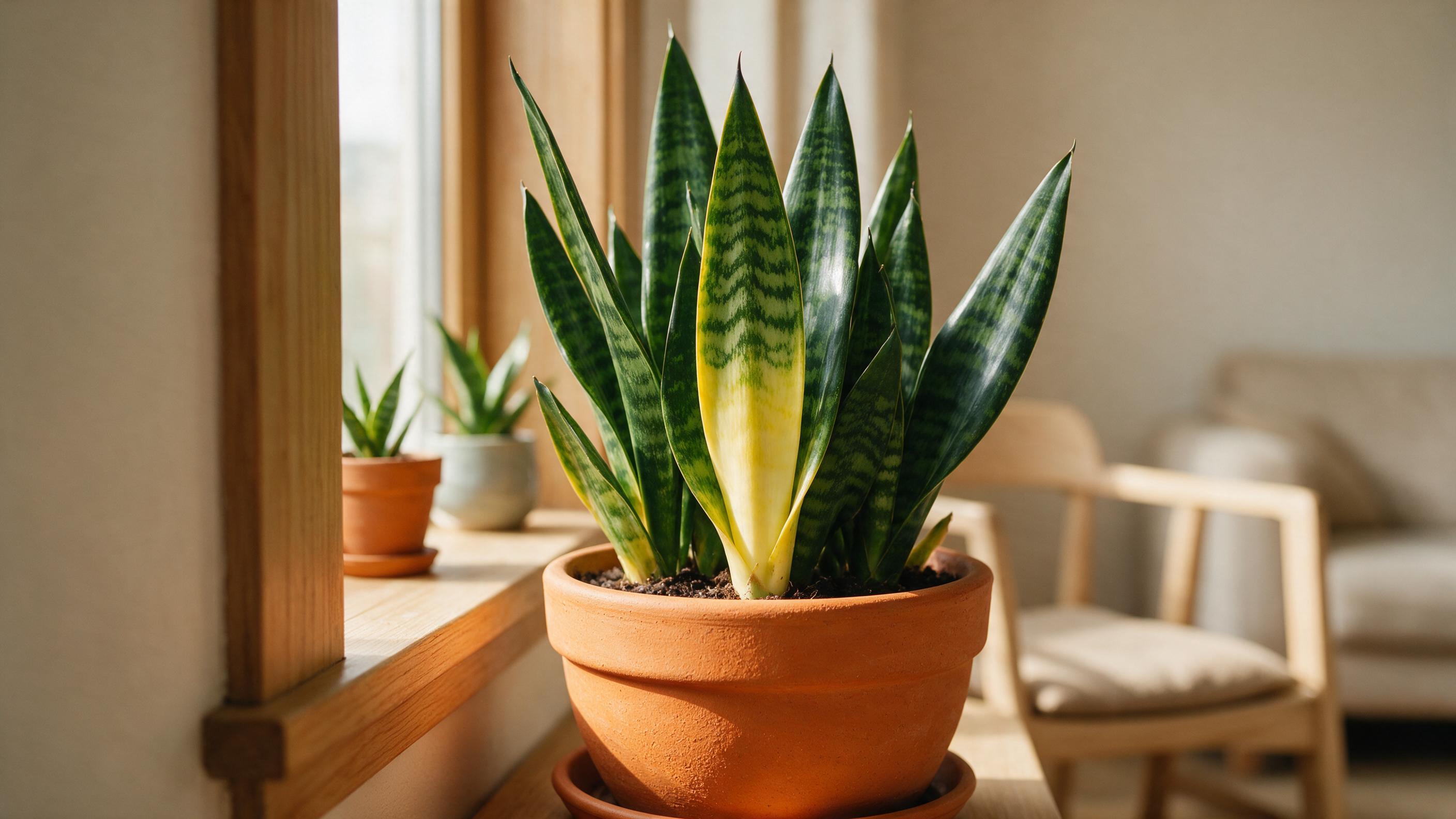
You walk past your snake plant and notice something off — a leaf that was deep green yesterday now looks pale, washed-out, or fully yellow. It’s one of the most common concerns among houseplant owners in the United States, and for good reason: snake plants are some of the most resilient houseplants you can own, but they can still show signs of distress, and yellowing leaves are one of the most common ways that happens.
The good news is that yellowing is almost always fixable once you know what’s causing it. Yellow snake plant leaves usually come from overwatering, poor drainage, too much or too little light, pests, or stress from temperature shifts — and fertilizer mistakes and natural aging can also play a role. This guide walks you through every major cause, how to accurately diagnose your specific situation, and exactly what to do to get your plant looking healthy again.
Pro Tip: Before making any changes to your snake plant’s care routine, take a close look at which leaves are yellowing and where on the leaf the color change begins. That pattern alone can narrow down the cause significantly.
What Does It Mean When Your Snake Plant Is Turning Yellow?
A healthy snake plant keeps its leaves green by producing enough chlorophyll through photosynthesis. With proper light exposure, well-draining soil, and balanced watering, nutrients move smoothly through the plant, keeping the foliage firm and vibrant — even in indoor spaces where lighting is limited.
When something disrupts that balance, the plant responds by breaking down chlorophyll in its leaves, which causes the green pigment to fade and yellow tones to show through. In most cases, yellowing doesn’t happen without a reason — it’s the plant’s way of responding to stress from care or environmental factors.
Tropical plants native to parts of Africa, snake plants are known botanically as Dracaena trifasciata. For years, they were classified as Sansevieria trifasciata, but that classification recently changed. Iowa State University notes that the plant has adapted to dry, rocky soils in its native habitat of Western Africa, and that these plants can “go weeks, sometimes months without water.” Understanding that background helps explain why many common care habits — especially watering too frequently — cause problems.
Is Yellowing in Snake Plants Always a Sign of a Problem?
Not always. It’s normal for older leaves near the base to gradually turn yellow as the plant matures — this is simply part of the plant’s natural life cycle. It’s natural for older leaves, often at the bottom of the plant, to turn yellow and die off before being replaced by fresh growth, and this is perfectly normal and nothing to worry about.
Snake plants grow slowly, so problems don’t appear quickly. One old leaf turning yellow can be normal, but when several leaves change color, it usually signals watering, light, or root stress that, if ignored, can threaten the plant’s health.
Variegated snake plants are more sensitive than solid green types because they contain less chlorophyll. Many snake plant varieties show yellowing faster when light, watering, or care is slightly off, and color changes such as yellow patches or fading edges appear sooner. If you have a variegated variety and notice some subtle fading, that alone isn’t cause for alarm — but sudden or widespread yellowing always warrants a closer look.
| Yellowing Type | Likely Cause | Action Needed? |
|---|---|---|
| One or two older, lower leaves | Natural aging | No — trim if desired |
| New leaves emerging pale yellow | Normal new growth (deepens with age) | No — monitor |
| Multiple leaves yellowing at once | Watering, light, or root issue | Yes — diagnose promptly |
| Yellow with soft, mushy texture | Overwatering or root rot | Yes — act immediately |
| Yellow patches or spots | Sunburn or pests | Yes — check and treat |
| Pale, washed-out yellow overall | Insufficient light or nutrient deficiency | Yes — adjust conditions |
Watering Issues Causing Snake Plant Yellowing
Watering problems are by far the most common trigger for yellow snake plant leaves, and overwatering is the number one offender. Overwatering is the single most common killer of snake plants. Because Sansevieria stores water in its thick leaves, it needs to dry out almost completely between waterings. Sitting in wet soil — especially in a pot without drainage — suffocates the roots and invites fungal pathogens that cause root rot.
Leaves turn yellow starting at the base, feel soft or slimy when squeezed, and may collapse entirely. The soil smells sour or musty. When you unpot the plant, you will find dark brown or black roots that feel mushy rather than firm and white. If you see any of these signs together, root rot is almost certainly the cause.
While overwatering is more common, underwatering can also cause yellowing leaves. When a snake plant is deprived of water for too long, its leaves start to lose moisture and nutrients. Underwatered leaves feel dry and may droop, but they won’t be soft or mushy like an overwatered plant. That texture difference is one of the fastest ways to tell the two apart.
To fix overwatering, water your snake plant only when the top 2–3 inches of soil feel dry, ensuring it doesn’t sit in excess moisture. Use a pot with drainage holes and a well-draining soil mix containing sand or perlite to promote proper aeration. For underwatering, place the pot in a sink or basin filled with a few inches of water for about 30 minutes — the soil will absorb water from the bottom up.
Pro Tip: Skip the fixed watering schedule entirely. Instead, stick your finger about 2 inches into the soil — if it still feels even slightly damp, wait. Snake plants in most US homes need water every 2–4 weeks in summer and as rarely as once a month in winter.
Light Conditions Behind Snake Plant Yellowing
Snake plants prefer bright, indirect light. While they’re tough, too much direct sunlight can be harsh — especially during hot weather. Those intense rays can scorch leaves, leaving behind yellow or brown sunburn patches as the plant becomes stressed and dehydrated.
If your plant sits in a south- or west-facing window with no sheer curtain to filter the light, that direct afternoon sun is likely the culprit. Move it back a few feet or add a lightweight curtain to diffuse the light. On the flip side, snake plants won’t thrive in complete darkness either. If it’s too dark, the plant can struggle and its leaves may lose their vibrant color or start turning yellow.
If the leaves are a pale yellow and the plant looks weak overall, it might not be getting enough light. While snake plants tolerate low light, they prefer bright, indirect light for best growth. A pale, washed-out appearance across multiple leaves — rather than scorched patches — points to insufficient light rather than too much. Check out our guide to best houseplants for low-light areas if you’re working with a darker room and wondering whether a snake plant is still the right fit.
Soil, Nutrients, and Root Health Causing Snake Plant Yellowing
Even if your watering habits are perfect, the wrong soil or a pot-bound root system can still cause yellow leaves. Snake plants need well-draining soil and appropriately sized pots. Poor-quality soil or an overcrowded pot can stress the plant, leading to yellowing.
When roots have nowhere to grow, the plant can’t get enough nutrients, leading to yellowing leaves. Check the drainage holes for escaping roots — it might be time for a repotting. Snake plants are slow growers and only need to be repotted every three to four years, so if yours has been in the same container for longer than that, the roots may be the problem. Learn more about the process in our guide on how to propagate a snake plant, which also covers repotting basics.
Nutrient deficiencies are another soil-related cause. A snake plant’s health depends on receiving the right balance of nutrients, and a deficiency in essential elements can lead to chlorosis. Nitrogen deficiency often results in overall yellowing and slow growth, while magnesium deficiency typically causes yellowing in older leaves first, and iron deficiency leads to yellowing in newer leaves with the veins remaining green.
To prevent deficiencies, use a balanced liquid fertilizer diluted to half strength every 2–3 months during the growing season. Avoid over-fertilizing, as excess nutrients can cause salt buildup in the soil, leading to root damage. Occasionally flushing the soil with clean water can help remove excess salts and maintain a healthy nutrient balance.
| Nutrient | Deficiency Symptom | Fix |
|---|---|---|
| Nitrogen | Overall yellowing, slow growth | Balanced liquid fertilizer at half strength |
| Magnesium | Yellowing in older leaves first | Balanced fertilizer or soil refresh |
| Iron | New leaves yellow, veins stay green | Iron-containing fertilizer, check soil pH |
| Potassium | Leaf tips and edges yellow or brown | Balanced NPK fertilizer during growing season |
If you’ve been fertilizing heavily, that can be just as damaging. When feeding goes wrong — whether from too little nutrition or over-fertilizing — a yellow snake plant is often the result. Inadequate nutrition weakens the plant, while excess fertilizer, especially during winter, can damage roots and cause leaves to turn yellow. Light, seasonal feeding helps avoid this stress.
Environmental Stress Triggering Snake Plant Yellowing
Your snake plant’s indoor environment matters more than most people realize. Snake plants grow best in a stable environment with temperatures between 60–80°F (15–27°C). While they’re tough, sudden temperature swings can stress them, causing yellowing leaves and overall decline.
Cold shock often happens if the plant is touching a window during a cold snap or sitting next to an air conditioning vent. This can sometimes mimic yellowing at the base caused by rot, but here the water inside the leaf cells froze, expanded, and burst the cell walls. In many parts of the US, this is a real risk during winter months when windows get very cold and heating systems create uneven temperature zones.
Keep the plant away from cold drafts, AC vents, heaters, and sudden temperature changes, as these can trigger leaves to turn yellow. In summer, avoid placing your plant directly in front of a central air vent — the dry, cold air is just as stressful as a cold window in January.
Transplant shock is another form of environmental stress worth knowing about. When the roots are disturbed during repotting, the plant gets stressed and may yellow older leaves to save energy for root recovery and new growth. In most cases, this is temporary and nothing to worry about. Moving or disturbing the roots can temporarily stress the plant as it adjusts to new soil and light. Mild yellowing usually lasts 2–4 weeks. If the plant stays firm and starts pushing new growth, it’s adjusting just fine. Yellowing that spreads or doesn’t improve after a month is a sign that something else is wrong.
Pests and Disease Leading to Snake Plant Yellowing
Pest infestations can take a serious toll on the health and appearance of a snake plant. Common culprits like spider mites, mealybugs, and thrips feed on the plant’s sap, draining essential nutrients and causing noticeable damage such as yellowing leaves. These tiny yet destructive pests attach themselves to the leaves and stems, gradually weakening the plant over time.
The most common pests that affect snake plants are mealybugs, spider mites, and aphids. Mealybugs are small, white insects that feed on the plant’s sap. They can cause the leaves of a snake plant to turn yellow and may eventually kill the plant if left unchecked. Spider mites are harder to see — look for fine webbing on the undersides of leaves and tiny moving dots.
Catching pest problems early is key to keeping your snake plant healthy. Regularly check the leaves and stems for telltale signs such as webbing, sticky residue, or tiny spots. If you spot an issue, act quickly — wipe down the leaves, apply natural treatments like neem oil or insecticidal soap, and isolate affected plants if necessary.
Beyond pests, fungal diseases can also cause yellowing. Snake plants are susceptible to different fungal and viral diseases like many other houseplants. The most common fungal disease is root rot. Snake plants are sensitive to overwatering and can develop root rot when the roots are exposed to too much moisture. Southern Blight is another fungal disease that can harm snake plants. It appears as tiny black dots on the foliage that can expand into larger brown or gray patches. To treat Southern Blight, trim off the damaged foliage and change out the plant’s soil.
Important Note: Always isolate a pest-affected snake plant from your other houseplants immediately. Spider mites in particular spread fast, especially in dry indoor air common during US winters when heating systems run continuously.
How to Diagnose Why Your Snake Plant Is Turning Yellow
Before trying to fix snake plant yellow leaves, it’s important to slow down and properly diagnose the problem. Jumping to a solution without knowing the cause can make things worse — for example, watering more when the real problem is already overwatering.
Work through this step-by-step checklist to pinpoint the cause:
- Check the soil moisture. Push your finger 2 inches into the soil. Wet or soggy soil points to overwatering. Bone-dry, cracked soil points to underwatering. Moist but not wet is ideal.
- Examine the leaves’ texture. Leaves that turn yellow starting at the base and feel soft or slimy when squeezed indicate overwatering or root rot. Dry, slightly wrinkled yellow leaves suggest underwatering.
- Smell the soil. A sour or musty smell from the soil is a strong indicator of root rot caused by overwatering.
- Look at which leaves are affected. Each cause leaves slightly different yellowing patterns. Lower, older leaves yellowing alone is natural aging. Multiple leaves across the plant signal a systemic problem.
- Assess the light situation. Is your plant near a window with direct afternoon sun? That could cause scorched yellow patches. Is it in a dim hallway or corner? Pale, overall yellowing may be from insufficient light.
- Inspect for pests. Inspect your plant closely, especially the underside of leaves, for any sign of pests. Look for webbing, sticky residue, white cottony masses, or tiny moving dots.
- Consider recent changes. Did you just repot, move the plant, or change your watering routine? Moving or disturbing the roots can temporarily stress the plant as it adjusts to new soil and light.
- Check the temperature zone. Is the plant near an AC vent, heating register, or cold window? Fluctuations in temperature, especially extreme cold or drafts, can stress the plant and lead to yellowing leaves.
If you want help identifying your plant’s specific variety before diagnosing, our guides on types of plants and best iPhone apps for identifying plants can point you in the right direction. There’s also a solid diagnostic walkthrough at Gardener Basics that pairs well with this checklist.
How to Fix a Snake Plant That Is Turning Yellow
Once you’ve identified the cause, the fix becomes straightforward. Here’s what to do for each scenario:
For overwatering and root rot: Stop watering immediately if the soil is wet and leaves are soft. Inspect roots for rot — black, mushy roots need to be trimmed with sterilized scissors. Repot in fresh, well-draining soil using a pot with drainage. Move to bright, indirect light away from windows with harsh sun. Resume watering sparingly only when soil is dry.
For underwatering: Water the plant thoroughly until the soil is evenly moist but not soggy. Establish a consistent watering routine, typically every 2–4 weeks, depending on factors like humidity and temperature.
For light issues: Move sunburned plants away from harsh direct light. Balance the light level — move sunburned plants away from harsh direct light, or gradually increase light if growth looks pale and weak. Never move a plant from deep shade to bright sun all at once — acclimate it gradually over a week or two.
For nutrient issues: If you have never fertilized your plant and have had it for over a year, it’s time to feed it. Use a balanced, all-purpose liquid houseplant fertilizer, diluted to half strength. Feed it just once or twice during the active growing months. Do not over-fertilize — snake plants are light feeders. If over-fertilization is the issue, flush the soil thoroughly with plain water to remove salt buildup.
For pests: Remove visible pests gently, then follow up with neem oil or insecticidal soap to prevent further decline. Repeat treatments every 5–7 days for two to three weeks to break the pest life cycle. Our guide on how to keep cats out of houseplants also touches on safe treatment options for pet-friendly homes.
For fungal disease: Start by improving the growing conditions of your plant. Make sure to keep the soil moist but not soggy and provide good airflow around the plant. You can also try using a fungicide to kill the fungus.
Should you remove yellow leaves? Once a leaf turns yellow, it cannot revert to green. However, removing the cause prevents new leaves from yellowing, and the plant will produce healthy new growth. Remove severely yellow or rotting leaves at the base with clean shears to redirect energy to healthy tissue and improve appearance. For leaves that are only partially yellowed due to underwatering or natural aging, you can wait and let the plant reabsorb nutrients before removing them.
Pro Tip: Always disinfect your cutting tool between cuts when removing yellow leaves. Disinfecting your cutting tool between cuts prevents the spread of disease from one leaf or plant to another — a quick wipe with rubbing alcohol does the job.
How to Prevent Snake Plant Yellowing Going Forward
Prevention is far easier than treatment. To prevent snake plant leaves from turning yellow, keep care steady: water only when dry, use draining pots with fresh soil, give bright indirect sun, and avoid temperature stress. Routine checks with a moisture meter and simple leaf care keep Dracaena trifasciata looking strong and fresh.
Here’s a practical prevention checklist you can follow year-round:
- Water by soil feel, not by calendar. Forget schedules — check soil. Stick your finger in or use a moisture meter. If the soil is dry two inches down, water deeply until excess water drains.
- Use the right pot and soil. Pot your snake plant in a light and airy potting mix that drains well — a cactus soil mix works well. You can also add some perlite or sand to the mix to improve drainage.
- Choose the right pot size. Snake plants prefer to be slightly pot-bound. Excess soil holds moisture the roots cannot use. Downsize to a pot that is only one to two inches wider than the root ball.
- Feed lightly during the growing season only. Light monthly feeding during the growing season, and skip fertilizer entirely in winter dormancy.
- Maintain stable temperatures. Fluctuations in temperature, especially extreme cold or drafts, can stress the plant and lead to yellowing leaves. Maintain a consistent temperature range of 60–85°F (15–29°C) to keep your snake plant healthy.
- Inspect regularly for pests. The best defense against pests is prevention with regular scouting for signs of pests, including sticky residues, egg deposits, and distressed foliage.
- Wipe leaves periodically. Wipe down leaves with a damp cloth to remove dust and pests. Clean leaves photosynthesize more efficiently, which helps maintain strong color.
Snake plants are a popular choice for low-maintenance indoor growing, but they do best when you understand their natural preferences. If you’re exploring other easy-care indoor options, our roundup of different types of rubber plants and different types of aloe vera plants covers other drought-tolerant species that share similar care needs. You can also find detailed care comparisons at Plant Addicts and Savvy Gardening for additional context on long-term snake plant health.
FAQ
Why are my snake plant leaves turning yellow and soft?
This is the most common issue for snake plants and is almost always a sign of overwatering. Snake plants are succulents that store water in their leaves and roots, making them highly susceptible to root rot if the soil stays wet for too long. The roots are suffocating from a lack of oxygen in the waterlogged soil, leading to a fungal infection. The plant’s base turns mushy, and the leaves start to yellow from the bottom up. Stop watering immediately and assess the roots.
Can yellow snake plant leaves turn green again?
Once a leaf turns yellow, it cannot revert to green. However, removing the cause prevents new leaves from yellowing, and the plant will produce healthy new growth. Focus your energy on fixing the underlying problem rather than trying to reverse the color change in existing leaves.
How often should I water my snake plant to avoid yellowing?
If the soil is dry two inches down, water deeply until excess water drains. In warmer temperatures, you might water every 2–3 weeks; in winter, sometimes only once a month. The key is always to check the soil rather than following a fixed schedule. Using a moisture meter can help you monitor soil conditions and prevent both overwatering and underwatering.
Should I cut off yellow leaves on my snake plant?
If you have snake plant leaves that are dead or dying, it’s best to remove them. Dead leaves can provide a home for pests and diseases, which can then spread to the rest of the plant. To remove a dead leaf, simply cut it off at the base with a sharp knife or scissors. For partially yellowed leaves that are still firm, you can leave them until they dry out naturally.
Why are only the bottom leaves of my snake plant turning yellow?
It’s natural for older leaves, often at the bottom of the plant, to turn yellow and die off before being replaced by fresh growth. This is perfectly normal and nothing to worry about. If only one or two lower leaves are affected and the rest of the plant looks healthy, this is simply the plant cycling out its oldest growth.
What pests cause yellow leaves on snake plants?
Spider mites, thrips, and mealybugs all leave patchy yellow scars. These pests suck sap, leaving Dracaena trifasciata looking blotchy, tired, and dull instead of sharp and architectural. Check the undersides of leaves and the base of the plant where pests tend to hide. Treat with neem oil or insecticidal soap at the first sign of an infestation. For more on managing pests around your plants, see our guides on plants that repel wasps and plants that repel cats for companion-planting strategies that can support a healthier growing environment.
Is my snake plant toxic to pets?
The ASPCA notes that Sansevieria is toxic to cats and dogs — ingestion causes nausea, vomiting, and drooling. Keep plants out of reach of pets, or consider a non-toxic alternative. If you have curious cats, our guide on how to keep cats out of houseplants offers practical strategies to keep both your plant and your pet safe.