Why Is My Fig Tree Dropping Leaves? Causes, Fixes, and Prevention Tips

August 24, 2026
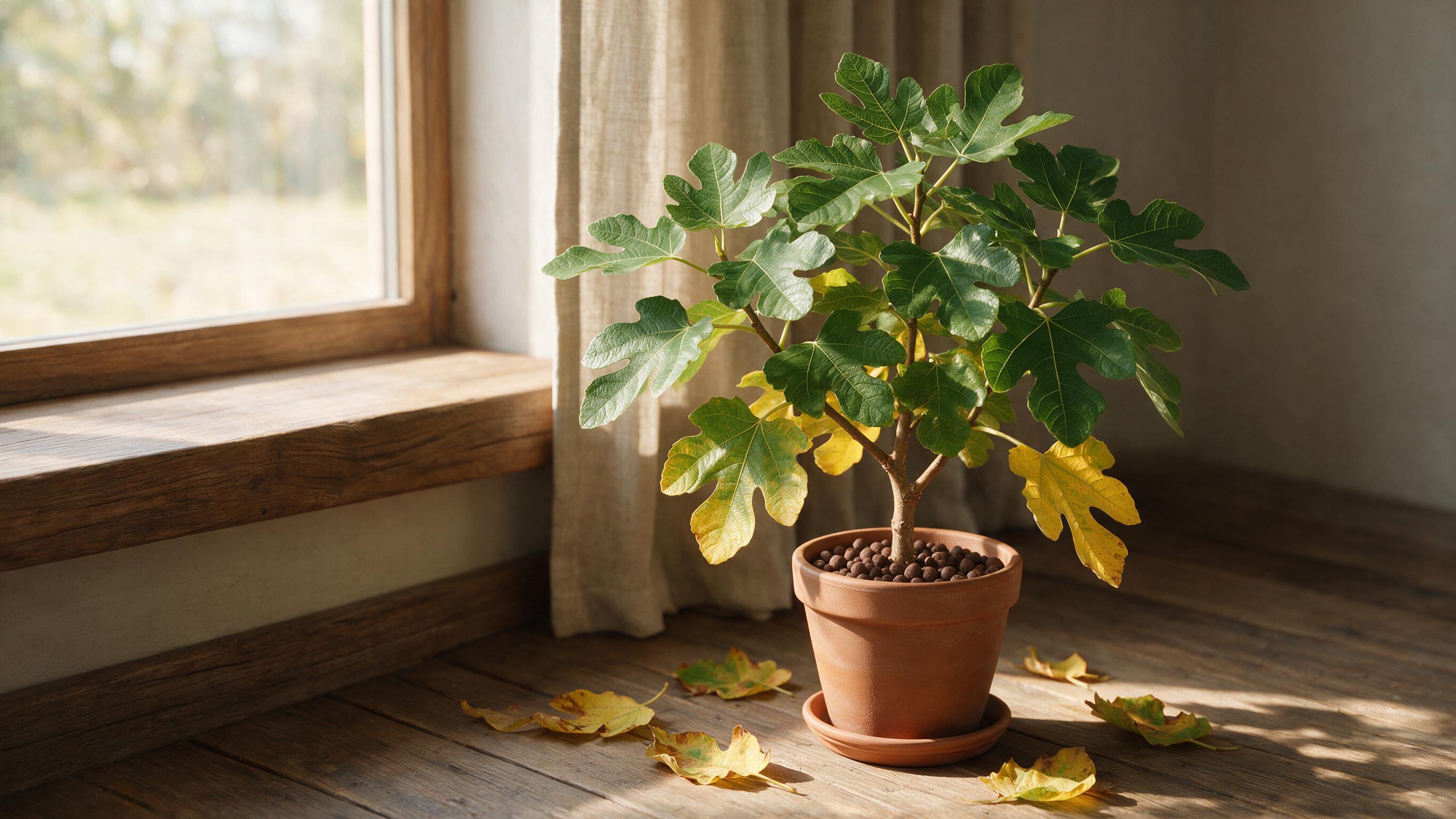
Few things are more alarming than watching your fig tree shed its leaves one by one. Whether you’re growing a classic edible fig in your backyard or a popular indoor variety on your windowsill, leaf drop can feel like a sign that something has gone seriously wrong.
The good news is that leaf drop on figs is a common problem, but it’s not usually fatal if you can figure out why your plant’s leaves are suddenly falling. In most cases, a clear cause — and a straightforward fix — is waiting to be found. This guide walks you through every reason your fig tree might be dropping leaves, how to diagnose the problem, and what to do about it.
What Does It Mean When Your Fig Tree Is Dropping Leaves?
Leaf drop is your fig tree’s way of communicating stress. Although beloved by many, figs can be fickle plants, responding dramatically to changes in their environment. If your fig tree is dropping leaves, this may be a normal response, considering it’s a deciduous tree, but it could also be a form of protest to growing conditions.
The key is reading the context. Are leaves falling in late autumn as temperatures cool? That’s likely seasonal dormancy. Are they dropping in the middle of summer with no obvious trigger? That’s worth investigating. Seeing fig leaves turning yellow, curling, showing brown spots, or drooping can be stressful — but these signals are your fig tree’s way of asking for help.
Fig trees grown throughout the United States — both as outdoor landscape trees and as indoor houseplants — experience leaf drop for many of the same reasons, though the triggers can differ slightly depending on your climate and growing setup.
Pro Tip: Pay attention to which leaves are falling. Lower, older leaves dropping one at a time is usually normal. Rapid loss of upper or younger leaves almost always points to a real problem.
Is Leaf Drop in Fig Trees Always a Sign of a Problem?
No — and this is where many fig owners panic unnecessarily. The most common causes of fig tree leaf drop include winter dormancy. The chill of late fall signals to figs that it’s time to go dormant and spend the winter in deep sleep. Dormancy is vital to many fig species and a perfectly normal part of their life cycles. Yearly leaf drop is nothing to worry about — new leaves will emerge in spring.
Some leaf drop is normal, especially during fall and winter when growth slows. Fig trees may shed a few older lower leaves as they adjust to reduced light and drier indoor air. If your plant is only losing one or two older leaves and the rest of the plant looks healthy, there may be no major problem.
A helpful rule of thumb: if your tree occasionally drops a lower leaf that is generally unmarked but maybe a little yellow, you can rest easy. Your fig is healthy and just carrying out a natural process. The situation becomes concerning when leaf drop is rapid, widespread, or accompanied by discoloration, spots, or wilting.
Watering Issues Causing Fig Tree Leaf Drop
Watering is the single most common source of leaf drop in fig trees, and the frustrating part is that both too much and too little water produce the same visible symptom. Watering some plants is trickier than others, and this is doubly true for figs. Both overwatering and underwatering can result in fig tree leaf drop.
Overwatering is the more damaging of the two. Overwatering combined with poorly drained soil creates anaerobic conditions that allow fungal pathogens — including Phytophthora, Pythium, or Fusarium spp. — to attack and kill root tissue. Once root rot sets in, the tree cannot absorb water or nutrients, and leaves begin to drop rapidly.
Underwatering forces the tree into a survival response. Fig trees appreciate even, moderate moisture. When the plant does not receive adequate water, it may react by dropping some leaves. If you notice browning edges on the leaves, it often indicates underwatering or environmental stress.
The fix is to stop guessing and start checking. Instead of watering on a schedule, water your fig any time the soil 1 inch (2.5 cm) below the surface is dry to the touch. Water deeply, until plenty of water comes out through the bottom of the pot, discarding the excess when it finishes draining.
Soil that is too wet can cause your fig to suffer from root rot, while periods of drought can stress your weeping fig. A good rule of thumb is to water when the top inch of soil feels dry to the touch, but make sure the pot has good drainage.
Pro Tip: In winter, fig trees are not actively growing and need less moisture. Reduce watering frequency during dormancy to avoid waterlogged soil and root rot.
Light Conditions Behind Fig Tree Leaf Drop
Light plays a bigger role in fig health than many growers realize. Indoor fig trees like to be in a bright spot near a window. An eastern or western window will provide the right amount of light daily. When light is insufficient, the tree cannot support all of its foliage and begins to shed the least productive leaves first.
Low light slows photosynthesis, leaving lower leaves yellow and eventually making them drop. Another sign of low light is when stems become leggy and stretch toward the window. When growth slows, this could also be a sign of a lack of sufficient sunlight.
For outdoor fig trees, the light requirements are even higher. Figs thrive in full sun, requiring 6–8 hours of direct light for outdoor varieties. Placing an outdoor fig in partial shade — or allowing surrounding plants to crowd it out — will gradually weaken the tree and contribute to leaf drop over time.
In the winter, light levels normally drop and the number of day hours decrease. Such a natural phenomenon is a signal to plants like ficus that they should drop leaves. This is expected behavior, not a cause for alarm, provided only a few leaves are lost.
If you’re growing your fig indoors and suspect low light is the issue, consider moving it closer to a south- or west-facing window. You can also explore plant identification apps that include care guides to help you match your fig’s light needs to its specific variety.
Soil, Nutrients, and Root Health Causing Fig Tree Leaf Drop
The right soil creates the foundation for a healthy fig. Figs thrive in well-draining, fertile soil with a pH between 6.0 and 6.8. Good drainage is essential; it prevents root rot and promotes healthy growth. If your soil retains too much moisture, consider amending it with sand or perlite.
Nutrient deficiencies are another culprit. Yellowing leaves on your fig tree can signal nutrient deficiencies or watering issues. Nitrogen deficiency in particular causes older leaves to yellow and drop, while a lack of potassium or magnesium can cause browning along leaf edges. Applying a balanced fertilizer rich in potassium and magnesium can help correct these deficiencies during the growing season.
Root health is closely tied to soil quality. Root rot is the bane of any plant owner’s existence. It’s typically caused by overwatering, creating an environment that fosters the growth of dangerous bacteria. The bacteria causes roots to lose their firm white color and turn brown, black, or slimy.
If you suspect root rot, act quickly. The best solution is to cut away any damaged roots, repot the plant in a new pot with fresh soil, and reestablish its watering schedule. Repot in well-draining soil containing coco coir, bark, and perlite. These ingredients are lightweight, retain moisture, and allow for proper drainage to prevent root rot from happening again.
Environmental Stress Triggering Fig Tree Leaf Drop
Figs are notoriously sensitive to environmental change. If you intend to change the lighting, humidity, or temperature of your fig’s environment by moving the tree, make sure you gradually expose your fig to the new conditions, starting with just an hour a day and increasing its time in the new spot over the course of about two weeks.
Temperature is a major stressor. Ficus prefers a temperature range of 70–85 degrees Fahrenheit (21–29°C). In the home, this is often a bit warm, but at the least the temperature should not drop below 60°F (15.56°C). Cold drafts from air conditioning vents, open windows, or exterior doors in winter are among the most common triggers for sudden indoor fig leaf drop.
A draft will cause a leaf to drop. Summer heat blazing in through a window will also make the plant lose leaves. This means placement matters enormously — your fig should be away from both heating vents and cold drafts year-round.
Humidity is another factor, especially for indoor growers. The West African rainforests that fiddle leaf fig plants call home mean they need humid and warm conditions to thrive. If you’ve got your plant in an overly air-conditioned or drafty room, that may be the cause of your fig dropping leaves. Running a humidifier nearby or grouping it with other houseplants can help maintain adequate humidity levels.
Pro Tip: Never place your fig tree near a heating or air conditioning vent. Even if the room temperature is ideal, the direct airflow creates micro-climate swings that stress the tree constantly.
Pests and Disease Leading to Fig Tree Leaf Drop
When watering, light, and environment all check out, pests or disease may be the answer. Scale insects and spider mites are common fig pests that can cause leaf drop with their feeding activities. Scale insects often blend in, looking more like a fungus or unusual growth on the plant than typical insects.
Spider mites are too small to see with the naked eye, but you may notice fine silk threads on your fig’s leaves. Both scale and spider mites can be smothered with weekly neem oil treatments.
Pests can also cause a fig to drop leaves. Spider mites, scale, mealybugs, and thrips can weaken the plant by feeding on leaves and stems. Check the undersides of leaves, the base of stems, and new growth for webbing, sticky residue, small bumps, cottony white patches, or tiny moving insects.
On the disease side, fig rust is one of the most widespread fungal problems in the United States. This is usually fig rust, a common fungal disease. It starts as small yellowish spots on the upper side of the leaves, which then grow larger and turn a reddish-brown. If you flip the leaf over, you’ll see corresponding raised, rust-colored pustules.
Root rot, characterized by wilting and yellowing leaves, and leaf spot, which manifests as brown spots leading to leaf drop, are common fungal problems. Bacterial issues, such as bacterial blight, can also affect your fig. Symptoms include dark, water-soaked spots. Prevention and treatment involve using fungicides and maintaining proper sanitation practices.
If you’re dealing with a persistent fungal issue, remove and dispose of (do not compost) any affected leaves to prevent spread. For a persistent issue, a copper-based fungicide or neem oil spray is an effective eco-friendly solution.
How to Diagnose Why Your Fig Tree Is Dropping Leaves
A systematic approach saves time and prevents you from treating the wrong problem. Work through the following steps before reaching for any product or making changes to your care routine.
- Check the timing. Is leaf drop happening in fall or winter? Dormancy is the most likely explanation. Is it happening during the active growing season? Dig deeper.
- Examine the leaves before they fall. Yellowing leaves can signal nutrient deficiencies or watering issues. Browning edges often indicate underwatering or environmental stress.
- Check which leaves are dropping. Lower leaves tend to go first in most cases, but sudden upper leaf drop points to shock or pests.
- Inspect the soil. Push your finger 1–2 inches into the soil. Is it soggy? Bone dry? Common signs of root rot include soggy soil, a musty smell, yellowing leaves, soft stems, and mushy brown roots.
- Look for pests. Check the undersides of leaves, the base of stems, and new growth for webbing, sticky residue, small bumps, cottony white patches, or tiny moving insects.
- Assess recent changes. If you recently moved your plant, changed its location, repotted it, or brought it home from the shop, it may respond with temporary leaf drop.
- Evaluate light and temperature. Has the tree been exposed to drafts, direct heat, or significantly reduced light recently?
Using a fig tree symptom checker can help you cross-reference multiple symptoms at once and narrow down the most likely diagnosis before you start treatment.
How to Fix a Fig Tree That Is Dropping Leaves
Once you’ve identified the cause, the fixes are usually straightforward. Here’s what to do based on the most common diagnoses:
| Cause | Fix |
|---|---|
| Overwatering / Root Rot | Let soil dry out; trim damaged roots; repot in well-draining mix with perlite or bark |
| Underwatering | Water thoroughly until it drains from the bottom; check soil moisture before each watering |
| Low Light | Move to a brighter spot; aim for a south- or west-facing window indoors |
| Temperature / Draft Stress | Relocate away from vents and cold windows; maintain 60–85°F consistently |
| Relocation Shock | Gradually acclimate over 2 weeks; avoid moving the tree again once settled |
| Nutrient Deficiency | Apply balanced fertilizer with potassium and magnesium during the growing season |
| Scale / Spider Mites | Treat weekly with neem oil; isolate the plant to prevent spread |
| Fig Rust / Fungal Disease | Remove affected leaves; apply copper-based fungicide or neem oil; improve air circulation |
For root rot specifically, cut away any damaged roots, repot the plant in a new pot with fresh soil, and reestablish its watering schedule. Be patient — recovery takes time. Once the underlying issue is corrected, a healthy fig can produce new growth during the growing season. Bare lower stems may not always refill, but the top of the plant can continue growing.
For pest infestations, isolate the plant and treat it promptly with an appropriate houseplant-safe pest control product. Neem oil is a reliable first-line treatment for most common fig pests. You may also want to check nearby spider plants or other houseplants for signs of the same infestation, since pests spread quickly in indoor collections.
For relocation shock, gradually expose your fig to the new conditions, starting with just an hour a day and increasing its time in the new spot over the course of about two weeks. Slow-moving will help prevent shock and keep the leaves on your fig, where they belong.
Pro Tip: After repotting a fig that had root rot, wait at least a week before watering again. This gives trimmed roots time to callous over and reduces the risk of reinfection.
How to Prevent Fig Tree Leaf Drop Going Forward
Prevention is always easier than treatment. Once your fig tree is healthy again, these habits will keep it that way.
- Water by feel, not by schedule. Watering figs correctly is important for their health. Start by checking soil moisture with your finger. Water thoroughly until it drains from the bottom. Allow the top inch of soil to dry out before watering again. This simple routine helps prevent both overwatering and underwatering.
- Choose the right spot and stay there. Once you find a good location with bright indirect light, stable warmth, and good airflow, avoid moving your plant repeatedly. Give it time to adjust before making additional changes.
- Maintain consistent temperatures. Keep your fig away from cold drafts, heating vents, and sudden temperature swings. The ideal indoor range is 60–85°F.
- Use well-draining soil. Loose soil helps prevent fungal disease and root rot. Refresh the potting mix every two to three years for container-grown figs.
- Fertilize during the growing season. Feed with a balanced fertilizer from spring through early fall. Skip fertilizing during dormancy, as it can stress the tree when it’s not actively growing.
- Inspect regularly for pests. The fig leaf/bud mite (Aceria fici) and spider mites colonize leaf surfaces during hot, dry spells. Both thrive when natural predator populations are depleted by broad-spectrum insecticide use. Routine inspections catch infestations early, before they cause widespread leaf drop.
- Improve air circulation. Good air circulation is key to managing fungal diseases like fig rust. Prune any crowded branches to open up the canopy.
- Watch for early warning signs. Early signs like yellow spotting or brown dots make diagnosis much easier — and early treatment is almost always more successful than waiting until leaves are already falling in volume.
If you’re growing your fig alongside other plants in the garden, consider reviewing which companions are nearby. Some plants can compete for nutrients or harbor pests that spread to your fig. Learning about companion planting strategies can help you make smarter placement decisions throughout your garden. You can also explore resources on common tree types to better understand how different species — including fig trees — behave through the seasons.
FAQ
Why is my fig tree dropping leaves in summer?
Summer leaf drop is almost always stress-related rather than seasonal. The most likely causes are underwatering, excessive heat, direct sun scorch, or a pest infestation. Check soil moisture first, then inspect the leaves for signs of pests or disease. Most issues come from watering problems, lighting conditions, pests, or fungal infections.
Is it normal for a fig tree to lose leaves in winter?
Yes. The chill of late fall signals to figs that it’s time to go dormant and spend the winter in deep sleep. Dormancy is vital to many fig species and a perfectly normal part of their life cycles. Yearly leaf drop is nothing to worry about — new leaves will emerge in spring.
Why is my potted fig tree dropping leaves indoors?
Indoor fig trees most often drop leaves due to low light, inconsistent watering, dry air from heating systems, or being placed near a draft. Dropping green leaves often points to sudden stress, such as overwatering, cold drafts, relocation, repotting shock, or temperature swings. Moving the tree to a brighter location and stabilizing its environment usually resolves the issue.
Can a fig tree recover after dropping most of its leaves?
Yes, in most cases. Fig trees are incredibly resilient, and most of their problems are surprisingly easy to fix. As long as the roots are healthy and the underlying cause is corrected, the tree will typically push out new growth during the next growing season. Remove fallen leaves promptly to reduce disease risk.
How do I know if my fig tree has root rot?
Common signs include soggy soil, a musty smell, yellowing leaves, soft stems, and mushy brown roots. If you suspect root rot, unpot the tree and examine the roots directly. Healthy roots are firm and white or tan; rotted roots are brown, black, or slimy and should be trimmed away before repotting in fresh, well-draining soil.
What kind of fig tree is most common in the United States?
Fig trees are popular home and landscape plants throughout the United States. The common edible fig (Ficus carica) is the most widely grown outdoor variety, while the fiddle leaf fig (Ficus lyrata) dominates as an indoor houseplant. Both species share many of the same leaf-drop triggers and respond well to the same care adjustments. For a broader look at the plant world, the guide to types of plants is a helpful starting point.
Should I remove leaves that have already fallen from around my fig tree?
Yes — especially if disease is involved. Remove and dispose of (do not compost) any affected leaves to prevent spread. Fallen leaves from a fig with rust or fungal leaf spot can harbor spores that reinfect the tree the following season. Keeping the area beneath the tree clean is one of the simplest and most effective prevention steps you can take.