Why Are My Zucchinis Rotting Before They Grow? Causes and Fixes

September 14, 2026
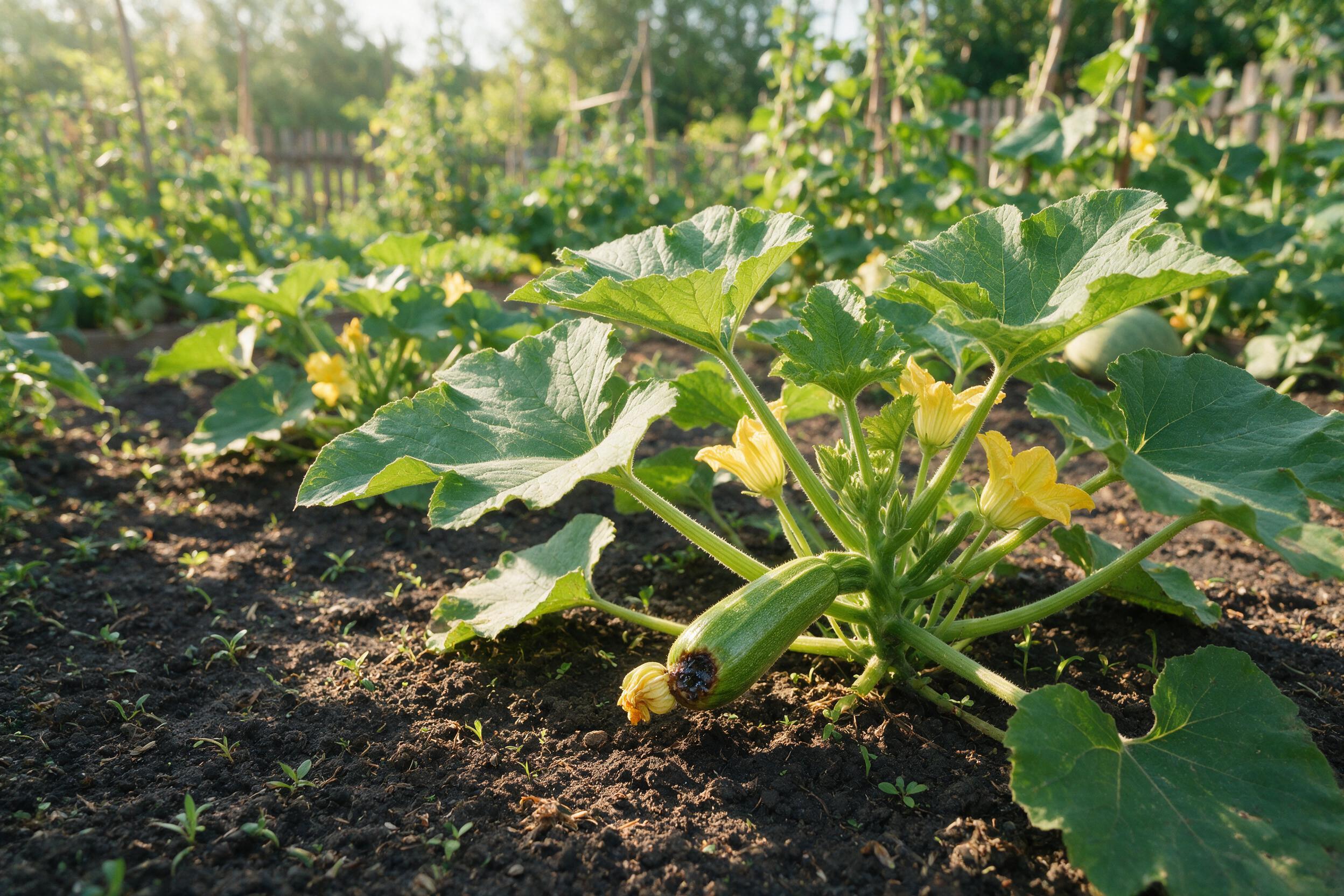
You planted your zucchini with high hopes, watched the vines take off, and then spotted it — small fruits going soft and dark right on the vine before they ever got close to harvest size. It is one of the most discouraging sights in a summer vegetable garden, and it happens to home growers all across the United States every season.
The good news is that zucchinis rotting before they grow is almost always a fixable problem. Whether the culprit is inconsistent watering, poor pollination, a nutrient imbalance, or a pest, there is a clear path to saving your crop and preventing the issue from repeating. This guide walks you through every cause, every diagnostic step, and every solution so you can get your garden back on track.
What Does It Mean When Your Zucchini Is Rotting Before It Grows?
When a zucchini starts to develop and then rots before reaching harvest size, it is telling you something specific about its growing conditions. Blossom-end rot is a disorder typified by fruit that softens and decays on the blossom edge, first turning yellow, then brown and black as it progresses. This is the most common form of early rotting that gardeners encounter.
There is also a second, distinct pattern: fruit that never fully forms at all, shriveling up and dropping off the vine entirely. For squash fruit to develop fully, bees and other pollinators must transport pollen from the male flowers to the female flowers. If the female flowers are not pollinated properly, the fruit will begin to grow and then suddenly shrivel up and die.
Understanding which of these two patterns you are seeing is the first step to finding the right fix. Both are common, both are frustrating, and both are very treatable once you know what you are dealing with. Check out our guide to types of plants for a broader look at how different vegetables respond to stress.
Is Rotting in Zucchini Always a Sign of a Problem?
Not every dropped or rotted piece of zucchini signals a serious issue. Male blossom drop is normal and requires no action. Once a male flower has shed its pollen, the plant drops it — this is expected biology, not a problem. Seeing ten or more male flowers fall in a single morning is completely normal, especially early in the season before females have appeared.
Oftentimes, the first round of fruit displays this rot while the next round ripens correctly. Waiting it out may be all that is necessary for this condition to vanish. If your garden meets all proper guidelines, wait for the second round of zucchini.
That said, if multiple fruits on the same plant are rotting, or if the problem keeps repeating across multiple rounds of fruit, you are looking at an underlying condition that needs attention. Most problems are fixable, but only if you catch them early and identify the right cause.
Pro Tip: Before assuming something is wrong, check whether the rotting fruit has a small swollen base (female flower) or a straight stem (male flower). Dropped male flowers are completely normal and do not need any treatment.
Watering Issues Causing Zucchini Rotting
Inconsistent watering is the single most common reason zucchinis rot before they grow. Calcium and water availability have deep connections — when there is too much or too little water, zucchini roots cannot absorb nutrients. Watering infrequency causes this, as the calcium in the soil cannot move from the soil particles to plant roots. Shallow, infrequent watering also causes blossom-end rot.
Zucchinis require consistent, even soil moisture throughout the growing season. If Mother Nature does not supply your garden with at least one inch of water per week, it is your job to add supplemental irrigation to prevent any possible issues. Zucchini plants typically require about 1 to 1.5 inches of water per week, but this can vary depending on climate and soil type.
Overwatering is just as damaging as underwatering. If you have had a very rainy growing season causing wet soil conditions, your plants could be suffering from root rot. If the plant’s roots are dying, it will affect the plant’s ability to absorb calcium from the soil.
Water deeply and infrequently rather than often and shallowly. Shallow waterings encourage short roots that are less resilient to drought. Deep waterings encourage them to reach further into the ground, creating strong plants with fewer blossom-end rot cases.
Pro Tip: Stick your finger two to three inches into the soil near the base of your zucchini plant. According to Michigan State University Extension , if the soil feels dry at that depth, it is time to water. The soil should feel like a squeezed-out sponge — moist but not soggy.
Light Conditions Behind Zucchini Rotting
Zucchini is a full-sun crop, and insufficient light creates a cascade of problems that can contribute to fruit failure. Plants that do not receive enough direct sunlight produce weaker flowers, attract fewer pollinators, and generate less energy to support developing fruit. In shaded gardens, female flowers may open and close without ever being visited by a bee.
Too much intense heat, on the other hand, creates its own set of rotting triggers. When daytime temperatures reach 90 degrees for a number of days, you may see the flowers and underdeveloped fruits drop off. Bee activity drops sharply in cool, rainy, and very hot weather above 95°F. This means that during summer heat waves — common across the American South, Southwest, and Midwest — pollination can stall even when your plant looks otherwise healthy.
Temperature-triggered blossom drop cannot be reversed after it happens. During heat waves above 95°F, use 30% shade cloth over plants during peak afternoon hours to protect pollen viability. Aim to give your zucchini at least six to eight hours of direct sun daily, but protect it from the harshest afternoon heat in regions that regularly top 95°F in summer.
Soil, Nutrients, and Root Health Causing Zucchini Rotting
Soil quality plays a bigger role in zucchini rotting than most gardeners realize. Zucchini grows best in organically rich, fertile soil with a slightly acidic to slightly alkaline pH of 6.0 to 7.5. When pH falls outside this range, the plant cannot absorb calcium even if the soil contains plenty of it.
Blossom end rot is a calcium deficiency that is recognized by the secondary issue of the dark rotting area caused by a fungus. This lack of calcium in the soil is brought about by a number of factors including extreme soil moisture fluxes, over-fertilization, or root damage usually caused by cultivation.
Fertilizer choices matter enormously. Zucchini plants do not need high amounts of nitrogen, which can result in lush, healthy foliage and little to no fruit. Excess nitrogen also causes blossom-end rot on zucchini squash, as it blocks the absorption of calcium. Avoid high nitrogen fertilizers and ammonia fertilizers such as fresh manure, which stimulate foliage growth, add more salt to the soil, and block the absorption of calcium.
Root damage is another overlooked cause. Use care when cultivating around zucchini as well as tomatoes, peppers, and eggplants so you do not sever the feeder roots, which will make the plants think they are under moisture stress and trigger blossom end rot.
| Soil Factor | Problem It Causes | Fix |
|---|---|---|
| pH below 6.0 | Calcium lockout | Add garden lime to raise pH |
| pH above 7.5 | Nutrient imbalance | Work in garden sulfur before planting |
| High nitrogen fertilizer | Blocks calcium uptake | Switch to balanced or low-nitrogen fertilizer |
| Heavy clay soil | Waterlogging, root rot | Amend with compost or use raised beds |
| Compacted or sandy soil | Poor moisture retention | Add organic matter, apply mulch |
Environmental Stress Triggering Zucchini Rotting
Beyond watering and soil, the broader growing environment shapes whether your zucchini fruit makes it to harvest. Rainy periods are a particularly common culprit in the United States, where summer thunderstorm patterns vary widely by region. Bees and other pollinators are less active in rainy weather. Rainy weather could be responsible for poor pollination and rotting of the small fruits. Drier weather conditions should increase pollinator activity.
Temperature swings between hot days and cool nights stress the plant’s vascular system, making it harder to move calcium from roots to fruit. Calcium moves through plants via the xylem, carried by water. When soil moisture is inconsistent — wet periods followed by dry spells — calcium uptake stalls, and fast-growing fruit cells at the tip die.
Container-grown zucchini faces amplified environmental stress. Containers drain very quickly, and in hot weather may need to be watered every day. If you are growing zucchini in pots on a patio or balcony, check soil moisture daily during summer heat and consider moving containers to a spot with afternoon shade in regions above 90°F.
Pests and Disease Leading to Zucchini Rotting
Several pests and fungal diseases can cause or worsen rotting in zucchini fruit. Knowing what to look for helps you act before the damage spreads.
Squash Vine Borers
The squash vine borer causes damage to cucurbit plants by tunneling into the stems. The larvae bore into the stem and feed on tissue, hollowing out the vines. The majority of larval activity occurs at the basal four feet of vine. Plants wilt and usually rot and die beyond the point of attack. You will see crumbly, sawdust-like waste collected below a small hole at the base of the plant.
Squash Bugs and Aphids
Squash bugs lay small, hard, brown eggs on the underside of leaves that hatch into brown, triangular-shaped insects. Both squash bugs and aphids weaken the plant by feeding on its vascular tissue, reducing its ability to deliver water and nutrients to developing fruit. Check the undersides of leaves regularly, especially in mid-summer. Bugs that can damage flowers include aphids and other insects that get into the flower before it is fully formed.
Powdery Mildew
Powdery mildew is caused by a variety of fungi. It thrives in warm, humid conditions. Symptoms usually appear in mid- to late summer. You will first notice pale yellow spots on the leaves, followed by a powdery coating that looks like someone dusted your plants with flour. It can make your plants weak and can cause fruit to ripen early and be of poorer quality.
Choanephora Rot
Choanephora rot is a disease caused by a fungal pathogen. Warm, humid and wet conditions favor development of this disease. Remove blossoms that stick to young fruit, and remove and discard infected blossoms and fruit. This is a common issue in humid Southern states during wet summers.
Bacterial Wilt
Spread by the cucumber beetle, bacterial wilt causes otherwise healthy plants to wilt and die without prior warning. To combat potential problems, keep cucumber beetles in check by trapping them on yellow sticky cards fastened to stakes just above the tops of the plants.
Important Note: Squash vine borer damage and bacterial wilt can look identical from a distance — both cause sudden, dramatic wilting. Slice the stem open near the base to check for larvae (vine borer) or perform the thread test by cutting the stem and touching the two ends together; stringy threads indicate bacterial wilt. Neither condition is reversible once established, so early identification is essential.
How to Diagnose Why Your Zucchini Is Rotting
A systematic look at your plant will almost always reveal the cause. Work through these observations in order before reaching for any amendment or spray.
- Identify where the rot starts. Rot beginning at the blossom end (the tip opposite the stem) points to blossom-end rot from calcium transport failure. Rot that affects the entire small fruit or causes it to drop whole is more likely a pollination problem.
- Check the shape of the affected fruit. If only the ends rot and the portion next to the vine turns bulbous, this pattern suggests a pollination failure rather than a nutrient issue.
- Assess your watering history. Have you had extended dry spells, heavy rain, or wild swings between the two? Inconsistent moisture is the leading driver of blossom-end rot in most US gardens.
- Test your soil pH. Use a soil pH meter to determine if your soil is acidic or basic. If it reads below 6.0, sweeten the soil with garden lime, also known as limestone or calcium carbonate.
- Look at your fertilizer. If you have been using a high-nitrogen lawn fertilizer or fresh manure, excess nitrogen may be blocking calcium uptake.
- Inspect for pests. Check the stem base for entry holes with frass around them to identify vine borer damage. Flip leaves over to look for squash bug eggs or aphid colonies.
- Count your pollinators. Spend ten minutes in the garden on a warm, calm morning and watch for bee activity. If you see none, pollination failure is likely the culprit.
You can also use a plant identification app to photograph symptoms and cross-reference them against a disease library, or try one of the best Android apps for identifying plants if that is your device of choice.
How to Fix a Zucchini That Is Rotting
Once you have identified the cause, the fixes are straightforward. Start with the most likely culprit based on your diagnosis and work from there.
Fix Pollination Problems
Pollinating with a small paintbrush is the preferred method as it is the gentlest and causes no damage to plants. Use the brush tip to carefully collect pollen from the male’s stamen, then transfer it to the female’s pistil. Repeat every other day over the course of a week to be certain of successful pollen transfer. Do this before 10 a.m. when flowers are at peak fertility.
To attract more natural pollinators, plant flowering companions with your zucchini. Good flowering companions include alyssum, beans, borage, dill, marigolds, mint, nasturtiums, oregano, peas, and rosemary. You might also explore our guide to companion planting strategies for ideas that work across your entire vegetable garden.
Fix Watering Problems
First, remove all damaged fruits from your zucchini plants. They will not grow properly and the damage will only get worse. The affected fruits will just keep trying to grow and take calcium and other resources away from the healthy fruit.
Then reset your irrigation. You simply need to get the calcium that is already in your soil to your plants’ roots where it is needed. Do this with a few deep watering sessions — rather than several short-and-shallow ones — and the problem should subside.
Fix Soil and Nutrient Problems
Fix the conditions, and the roots can access available calcium. When your crops get all they need and still have this condition, it is most likely because of nutrient deficiencies. First, solve the cultural issues — if rot does not go away, consider adding calcium-rich amendments that will boost the nutrient content in the soil over time.
Prevent future rot with slow-acting amendments like bone meal, eggshells, and wood ash. Avoid foliar calcium sprays — calcium is not taken in well by the foliage. Calcium needs to go directly to the roots.
Also steer clear of Epsom salts as a fix. Epsom salts, or magnesium sulfate, contain no calcium, and excess amounts of magnesium in the soil also inhibit calcium uptake.
Fix Pest and Disease Problems
For powdery mildew, space plants properly so air can circulate and dry off wet foliage. Plant only resistant varieties, such as ‘Anton’, ‘Dunja’, ‘Astia’, and ‘Emerald Delight’, to help combat powdery mildew.
For squash vine borers, protect the lower portion of the stem with a wrap of aluminum foil, or cover the plants with floating row cover until they come into bloom to keep the female moths away from egg-laying sites. The key to controlling squash vine borer is to control the borers before they enter the stem; once inside the vine, insecticides are ineffective.
How to Prevent Zucchini Rotting Going Forward
Prevention is far easier than treatment. Building these habits into your routine before and during planting season will dramatically reduce the chance of rotting in future crops.
- Test your soil before planting. Test your soil prior to planting to see if it has adequate levels of calcium. Your local extension office can help with soil tests. Many university extension programs offer affordable soil testing — a worthwhile investment before every growing season.
- Add compost generously. Add compost. Compost helps plants resist pests, diseases, and nutrient deficiencies. Mix it before planting and add it to the top of your beds throughout the growing season.
- Mulch around your plants. A 2- to 3-inch-thick layer of mulch helps stabilize soil moisture levels and can reduce the need to irrigate during the hot summer months.
- Choose resistant varieties. Not all zucchini varieties perform the same. Some are more productive than others, and some are more disease- and pest-resistant. When selecting zucchini varieties for your garden, seek out disease and pest resistance whenever possible.
- Plant at least two zucchini plants. To help ensure you have a male blossom blooming as often as possible, plant at least two separate zucchini plants. If you plant them at least a week apart, they will mature at a different rate, increasing your chances of having them bloom at different times. This will help ensure you will always have a male blossom blooming for the bees to pollinate the rest.
- Use a balanced fertilizer. When fertilizing, opt for a slow-release, organic blend with a little more phosphorus and potassium than nitrogen.
- Rotate your crops. Rotate your crops at least every two years and buy certified disease-free seed. If your plants are infected, do not plant anything in the squash family there for three years.
- Set up drip irrigation. Feeding through a drip system will give a continuous supply of calcium during the peak growing spurts as well as providing steady irrigation to avoid water stress which is connected to blossom end rot.
For gardeners dealing with persistent deer or wildlife pressure that damages plants before fruit can form, our guide to deer-tolerant plants offers companion strategies worth considering. If you are also managing other vegetables in the same bed, the drought-tolerant plants guide for Florida covers moisture management approaches relevant to hot, humid growing climates across the Southeast.
Key Insight: According to Iowa State University Extension , in most cases there is no need to apply calcium to the soil to fix blossom-end rot. The real solution is maintaining an even moisture supply by watering consistently — at least once a week during dry weather.
FAQ
Why are my baby zucchinis turning yellow and falling off?
This is almost always a pollination problem. If fruits fail to develop at all or the entire fruit — rather than just one end — looks badly stunted, this can be the result of poor pollination. Hand-pollinate early in the morning using a small paintbrush to transfer pollen from male to female flowers.
Can I eat a zucchini that has blossom-end rot?
Cut the affected end off, removing at least an inch beyond the dark tissue, and cook the rest normally. Blossom-end rot is a physiological calcium transport disorder — not a disease or pathogen — and does not contaminate the healthy flesh above the affected tissue.
Should I add calcium to my soil to stop the rotting?
Probably not. The cause is a lack of calcium, but counterintuitively, the solution is not to add more calcium to your soil because it probably has plenty already. The main culprit is poor irrigation. Fix your watering routine first. If rot persists after consistent deep watering, then consider a soil test before adding any amendments.
Why does only the end of my zucchini rot while the rest looks fine?
Blossom-end rot on squash manifests itself at the onset as a small bruise on the blossom end of the fruit, gradually softening and darkening in color until it eventually rots. This localized pattern at the tip is the hallmark of a calcium transport issue driven by inconsistent watering, not a disease spreading through the fruit.
How do I know if my zucchini problem is pests or blossom-end rot?
Look at the whole plant, not just the fruit. Blossom-end rot leaves the rest of the plant looking healthy. Pest damage typically comes with additional symptoms: the first indication of a squash vine borer attack will be the sudden wilting of a long runner or of the entire plant, and upon close inspection, frass may be found extruding from the infested stem. Powdery mildew shows as a white coating on leaves. If the plant looks healthy except for the rotting fruit tips, blossom-end rot from watering inconsistency is the most likely cause.
Will my zucchini plant recover on its own?
Once blossom-end rot has started on your zucchini, you cannot stop it from progressing on the affected fruits. But you can fix the conditions that are causing it to help save the rest of your crop. Remove damaged fruit, correct your watering, and the next round of zucchini should come in healthy.