Can You Freeze Live Oysters? What You Need to Know Before You Try

November 2, 2026
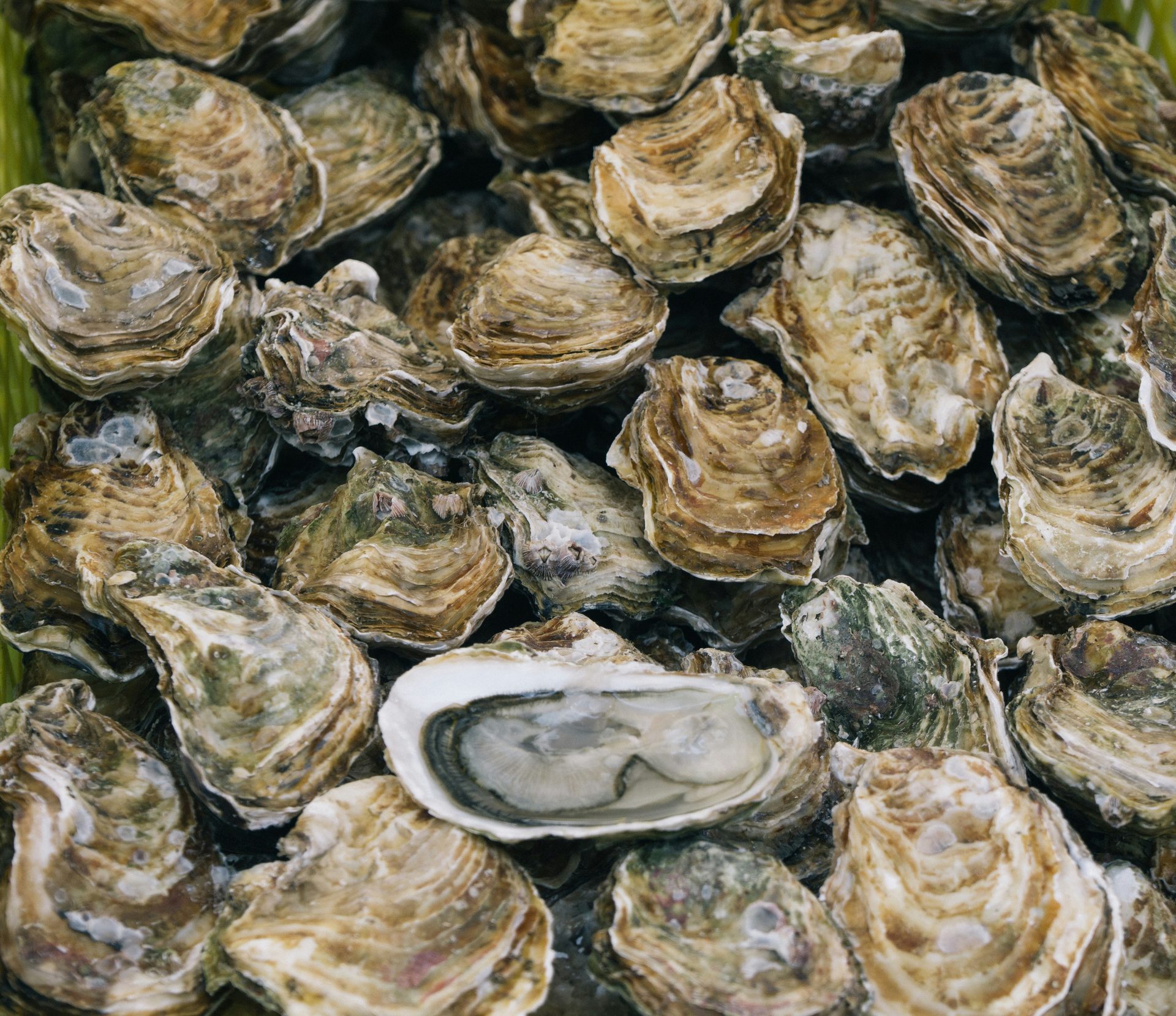
Live oysters are one of the most perishable foods you can bring home. Whether you scored a great deal on a bushel at a Gulf Coast seafood market or ended up with more than you could eat after a backyard raw bar, the question comes up fast: can you freeze live oysters before they go bad?
The short answer is yes — but there are real trade-offs and a right way to do it. Freezing changes the texture and rules out eating them raw, so knowing what to expect before you freeze a single shell will save you from a disappointing meal. This guide walks you through everything: how to freeze oysters safely, how long they keep, how to thaw them properly, and which recipes make the most of frozen oysters.
Can You Freeze Live Oysters?
Yes, you can freeze oysters safely, whether they’re in the shell or already shucked. Freezing helps extend their shelf life for several months, though it slightly softens their texture, making them best for cooked dishes rather than raw.
The most important rule is that oysters that are still in the shells should only be frozen live. A live oyster will keep its shell tightly closed or will close it when tapped. If you tap an oyster and it doesn’t respond, discard it before freezing anything else in the batch.
Oysters are frozen while alive to guarantee their freshness. Freezing a dead oyster locks in bacteria rather than preserving quality, which is a food safety risk you want to avoid. You can also check for freshness by smell — oysters that are alive smell of seawater and respond to touch by withdrawing slightly.
Pro Tip: If you’re not sure whether to freeze or refrigerate, keep in mind that live in-shell oysters can stay viable for up to a week in the refrigerator under optimal conditions. Only freeze what you genuinely can’t use in time.
Does Freezing Change the Texture or Taste of Live Oysters?
Yes, and it’s worth being honest about what that means. When oysters are frozen, the water inside their cells expands, which can cause the delicate flesh to become mushy or grainy when thawed. This change in texture can be noticeable, especially to those accustomed to the smooth and tender texture of fresh oysters.
Freezing can also alter the taste of oysters, sometimes resulting in a slightly metallic or less vibrant flavor. Chef Erik Niel, owner of Easy Bistro & Bar, put it plainly: “Their water content is so high that, when they freeze, the water inside them inevitably bursts the cellular structure. This causes huge texture and flavor differences in the frozen versus fresh product.”
That said, once thawed, the texture of the meat becomes softer and the oysters are generally not suitable for raw consumption — but frozen oysters are quite acceptable when they are cooked. The briny, oceanic flavor you love holds up well in hot dishes. Freezing quickly at 0°F or lower results in smaller ice crystal formation and less tissue damage, so the faster you freeze them, the better the end result.
How to Freeze Live Oysters the Right Way
You have two options: freeze them in the shell or shuck them first. Both work, but shucking before freezing gives you better texture results and saves a lot of freezer space.
Method 1: Freezing Oysters in the Shell
You can freeze oysters in the shell — it’s quite simple. First, make sure you are using live oysters. You can tell an oyster is alive if its shell is tightly closed or snaps shut when tapped. Discard any oysters you suspect are deceased.
- Rinse your live oysters using cold running water to remove any grit or debris.
- Place them in a freezer-safe bag or container, leaving a bit of space for expansion.
- Aim to store live oysters at 0°F, if not colder.
- Label the bag with today’s date so you know exactly how long they’ve been stored.
Freezing oysters in the shell tends to create more noticeable texture changes after thawing. For that reason, these oysters are best used in baked, stewed, or grilled seafood recipes.
Method 2: Shucking Before Freezing (Recommended)
Shucking first is the preferred method for most home cooks. If you prefer to shuck before freezing, keep the oyster meat and the briny juice inside the shell — that juice is known as liquor. First, strain out any shell fragments. Then pack the oysters and liquor into a freezer-safe container, leaving about half an inch of headspace.
Oysters should be frozen immersed in their liquor or water, and excess air should be expelled from the containers to provide protection from freezer burn. If you don’t have enough liquor, top off the container with a little cold water to keep the oyster meat submerged.
Pro Tip: Freeze oysters quickly at a temperature of 0°F or lower — rapid freezing results in smaller ice crystal formation and less tissue damage. Place the container in the coldest part of your freezer, typically toward the back.
How Long Can You Freeze Live Oysters?
Storage time depends on whether you freeze them in the shell or shucked. Here’s a quick comparison:
| Freezing Method | Recommended Freezer Life | Best Use After Thawing |
|---|---|---|
| In the shell (live) | Up to 3 months | Grilled, baked, stewed |
| Shucked in liquor | 3–6 months | Chowders, fry, casseroles |
For shucked oysters, freeze them in their natural liquor to preserve flavor and use within 3–6 months. Frozen oysters can be stored in the freezer for up to 3 months when frozen in the shell. While they may be safe to eat beyond this period, the flavor and texture may begin to degrade.
According to the Interstate Shellfish Sanitation Conference , frozen oysters should be maintained at 0°F or lower throughout storage. Fluctuating freezer temperatures — like what happens when you open the door frequently — can shorten that window, so store them somewhere stable.
How to Thaw Frozen Live Oysters
Thawing oysters incorrectly is one of the fastest ways to ruin them. Do not place your frozen oysters on the counter to thaw. Leaving shellfish at room temperature for too long will cause it to go bad.
The only safe method is the refrigerator. Oysters should always be thawed in the refrigerator, and at least 24 hours should be allowed for thawing. Place the bag or container in a bowl to catch any liquid that drips as the oysters thaw.
If you’re in a hurry, you can thaw shellfish under cold running water — always use cold water, never warm. Once thawed, shellfish should be cooked within 24 hours of thawing. Don’t let thawed oysters sit in the fridge for days before cooking — treat them like fresh seafood at that point.
Defrosted oysters can no longer be consumed raw because the freezing process causes them to die. They must always be cooked. Plan your meal accordingly before you start thawing.
Can You Refreeze Live Oysters After Thawing?
No. This is one of the firmest rules in oyster storage, and it applies whether you froze them in the shell or shucked. Oysters should never be refrozen.
Refreezing is not advisable once oysters are thawed. Refreezing alters texture, resulting in mushiness and flavor loss. It can also raise the risk of bacterial growth, impacting food safety.
The practical solution is simple: only thaw the amount of oysters you need. Freeze them in smaller, meal-sized portions so you’re never stuck thawing more than you can use in one sitting. A few zip-lock freezer bags labeled by date and portion size makes this easy to manage.
Important Note: You should not refreeze a thawed oyster, as freezing and thawing it again will significantly alter the flavor and texture — and create a food safety risk. When in doubt, cook what you have rather than returning it to the freezer.
How to Use Frozen Live Oysters (Best Uses After Freezing)
Once you accept that frozen oysters are a cooked-dish ingredient rather than a raw-bar option, a wide range of delicious recipes opens up. Oysters can be enjoyed in a variety of cooked preparations including steamed, stewed, roasted, baked, broiled, sauteed, poached, and fried.
Here are the best ways American home cooks put frozen oysters to work:
- Oyster chowder or stew: Frozen oysters are especially delicious in cooked dishes like soups, chowders, and stews, where the softer texture blends into the broth beautifully.
- Fried oysters: Dredge thawed oysters in seasoned cornmeal or flour and pan-fry until golden. The coating masks the texture change and delivers a satisfying crunch.
- Oyster casserole: Freezing does change the texture and flavor of oysters, so the National Center for Home Food Preservation notes these oysters may be best used in casseroles or stews.
- Grilled or baked: Place thawed oysters on the half shell, top with a mixture of breadcrumbs, Parmesan cheese, and herbs, then grill or bake until golden brown for a tasty appetizer.
- Oyster po’boy or roll: Hama Hama Oysters, a well-known Pacific Northwest shellfish farm, lists fried oysters and oyster rolls among their top picks for frozen oysters.
- Pasta and rice dishes: Stir thawed oysters into a garlic butter pasta or fold them into a seafood rice pilaf for a quick weeknight dinner.
If you enjoy seafood regularly, pairing frozen oysters with other shellfish in a mixed chowder is an excellent use. You can also read about the pros and cons of eating seafood to better understand how shellfish like oysters fit into a balanced diet. For those interested in heart-healthy eating, oysters are also among the superfoods recognized for cardiovascular benefits.
Signs That Frozen Live Oysters Have Gone Bad
Even properly frozen oysters can go bad if they were stored too long, experienced temperature swings, or were compromised before freezing. Always inspect your oysters before cooking — both before freezing and after thawing.
Before Freezing: Check These Signs First
Start by checking the shell. If there are large cracks or broken or damaged areas, throw the oyster away. There should be no gaps within the shell. If the shell is also open and does not close when tapped, the oyster is bad.
Look at the oyster meat. Healthy oysters are plump, glossy, in their own liquor, and light tan in color. If your oyster is bad, it will have a cloudy, dry, and withered appearance. Contaminated oysters will be grey, brown, black, or pink.
After Thawing: Watch for These Warning Signs
- Off smell: Your oysters should smell like the ocean, but not fishy. If the oyster has an offensive, strong, or pungent odor, throw it out.
- Unusual color: Fresh oysters should not display unusual colors. Any discoloration is a red flag.
- Slimy or overly mushy texture: Note that some softening after freezing is normal, but a slimy or overly mushy texture indicates the oysters have gone bad.
- Freezer burn: White, dried-out patches on the oyster meat signal freezer burn. The oysters may be safe to eat but will taste flat and rubbery — not worth cooking.
- Dry meat in the shell: According to the Interstate Shellfish Sanitation Conference , if the oyster meat is dry when the shell is open, the product should be discarded.
If your shellfish has gotten freezer burn, taken on a strange color, or smells off, it is always better to discard it rather than risk getting sick. Oyster-related foodborne illness is serious, so trust your senses and err on the side of caution.
Eating well-preserved seafood is one part of a broader healthy diet. If you’re thinking about nutrition alongside food safety, it’s worth exploring foods that support liver function and nutrients and foods that support cancer prevention.
Frequently Asked Questions
Can You Freeze Oysters in the Shell Without Shucking Them?
Yes. Oysters that are still in the shells should only be frozen live. A live oyster will keep its shell tightly closed or will close it when tapped. If you have plenty of freezer space, simply wash the shells thoroughly and place them in moisture-vapor resistant bags. Just expect more texture changes compared to shucked oysters.
Can You Eat Frozen Oysters Raw After Thawing?
The delicate firmness that makes oysters enjoyable raw will soften after thawing. While you can freeze oysters raw, aim to cook them upon thawing. Consuming frozen oysters raw is generally not recommended. For raw oysters, always buy fresh and eat them the same day.
How Do You Know if an Oyster Was Alive Before Freezing?
A fresh oyster should have a moist appearance and a closed shell. If the shell is open, a gentle tap should cause it to close, indicating the oyster is alive and fresh. Reject any oysters with shells that remain open or those that have cracks or chips, as these could indicate the oyster is dead or contaminated.
What Happens to Oyster Shells When Frozen?
If you freeze fresh shellfish in their shells, as they thaw, their shells should open. This applies to clams, mussels, and oysters. This typically happens because the muscle keeping them closed starts to relax as it thaws. They may also open while being frozen or while cooking. If they don’t open, they are still safe to eat as long as the shell was closed prior to freezing.
Can You Freeze Oysters Rockefeller?
Oysters Rockefeller can be assembled and frozen before baking. Freeze them individually on a tray, then transfer to a container. This is a great make-ahead trick for entertaining — just bake them straight from frozen, adding a few extra minutes to the cooking time.
How Do You Preserve Oyster Liquor When Freezing?
When freezing shucked oysters, retain the oyster liquor by packing the oysters in their liquid in airtight containers. The liquor helps protect the meat from freezer burn and keeps the natural flavor intact through the freeze-thaw cycle. If there isn’t enough liquor, add a small amount of cold water to cover.