Why Are My Tomato Leaves Curling? Causes, Fixes, and Prevention

September 22, 2026
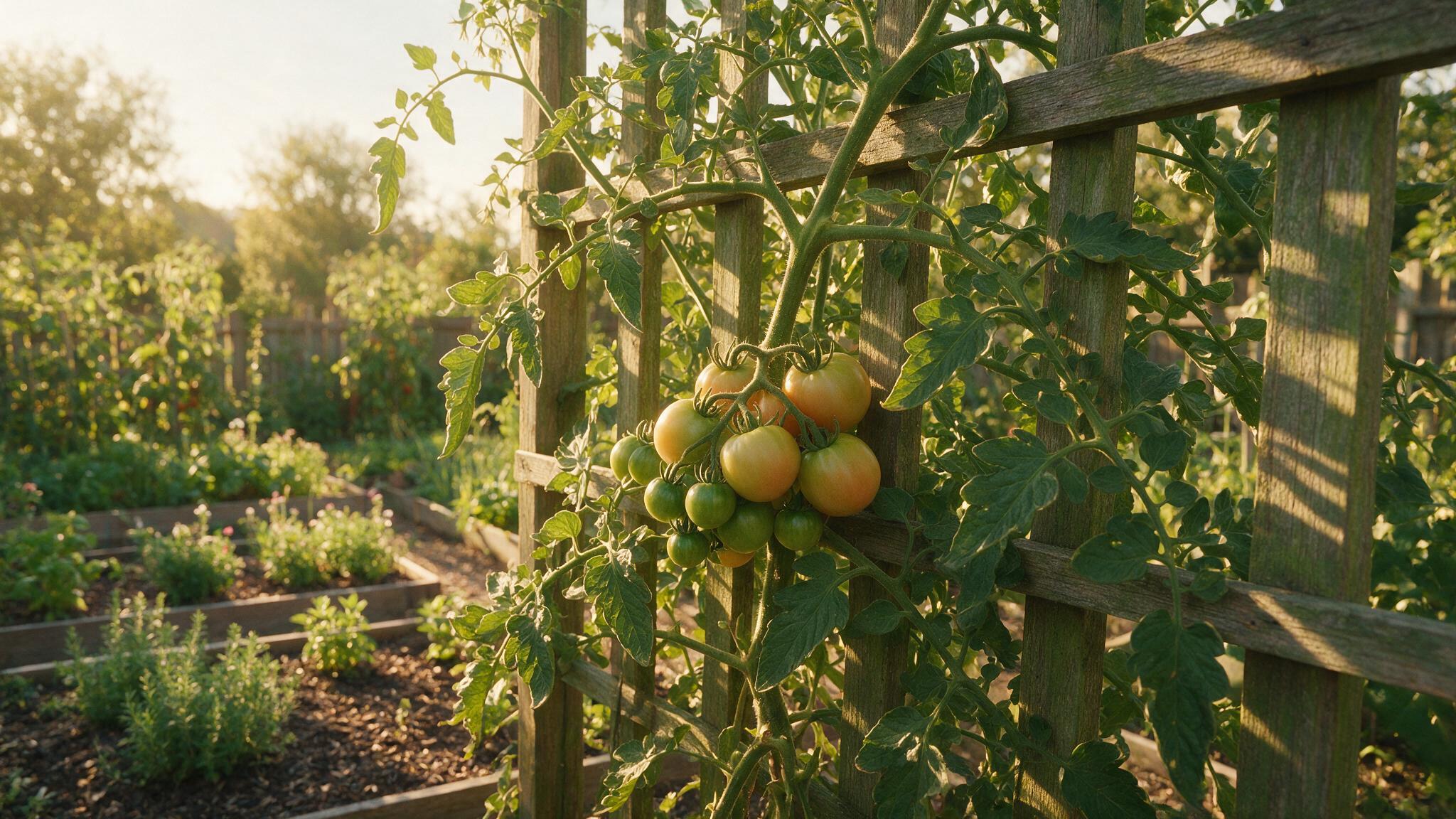
You walk out to the garden, coffee in hand, and notice your tomato leaves have rolled inward like tiny tubes. It’s one of the most common sights in American backyard gardens every summer — and one of the most misunderstood. Before you reach for the hose or the pesticide, take a breath.
Leaf curl in tomatoes is one of the most common issues home gardeners deal with, and it’s rarely fatal. Tomato leaves curl upward due to several main causes: heat stress and underwatering, overwatering and root problems, broad mite or pest damage, viral disease, herbicide drift, and physiological leaf roll. Most cases are fixable once you know what you’re looking at.
This guide walks you through every cause of curling tomato leaves, how to tell them apart, and exactly what to do about each one — whether you’re growing in a raised bed in Texas, containers on a patio in Arizona, or a backyard plot in the Midwest.
What Does It Mean When Your Tomato Leaves Are Curling?
Tomato leaf curl means the leaves twist, curl, or roll. It can be caused by herbicides, pests, or environmental factors. Leaves curl up when it’s too hot or dry and the plant gets dehydrated. But that’s only one piece of the picture.
Physiological leaf curl is a defense mechanism that tomato plants use to prevent moisture loss through the leaves. It’s a way for the plant to conserve energy — often the first line of defense when your tomato feels a disturbance. Think of it as the plant pulling the curtains closed to block the sun.
When identifying the cause of tomato leaf curl, there are several important factors to look for. Pay attention to whether the leaves curl upward or downward, if insects are present, whether the foliage turns brown or yellow, and if there are any other unusual symptoms. These details can help pinpoint the underlying problem and guide you toward the right solution.
The direction of the curl matters a lot. Upward curling most often signals heat, drought, or physiological stress. Downward curling leaves mean you might be watering too much or have too much rainfall. Twisted, distorted new growth points toward mites or herbicide exposure. Keep these patterns in mind as you work through each cause below.
Is Curling in Tomatoes Always a Sign of a Problem?
Curled leaves aren’t always cause for concern. Leaf curling in tomato plants can be caused by a wide array of factors, many of which can be corrected. The key is to identify the root cause quickly so you can make the necessary adjustments to get your plants back on track.
Physiological leaf curl is the most common reason for your tomato to roll up its leaves. It is a defense mechanism that tomato plants use to prevent moisture loss through the leaves — a way for the plant to conserve energy. It’s often the first line of defense when your tomato feels a disturbance, and because of this, it will most often show up on the lower, older leaves at the bottom of the plant first.
Unless there is a serious issue, most causes of physiological leaf curl do no lasting damage. The plant continues to grow normally and produce fruit, and usually you only need to adjust one or two minor things to fix the issue.
Pro Tip: If the curl is limited to lower, older leaves and the plant is otherwise green, healthy, and growing fruit, you’re likely dealing with harmless physiological leaf roll — not a disease or pest problem.
If you grow more than one variety of tomato, you may notice that some varieties tend to be more sensitive to leaf curl than others. Indeterminate heirlooms and large-leafed varieties often curl more readily than compact determinate types. That’s just their nature — not a crisis.
Watering Issues Causing Tomato Leaf Curling
Incorrect watering is probably the most common reason for tomato leaf curl and problems with your tomato plants in general. Even though tomatoes are considered to be fairly easy to grow, they’re pretty fussy when it comes to getting the right amount of water.
Underwatering is the far more likely cause. When the soil is not watered frequently, water cannot be transported to the plant cells which helps the plant stay rigid. The leaves begin to curl inward to prevent any further water loss from exposure to the sun. Plants in pots are the most vulnerable to underwatering because they typically dry out faster.
With an excess of moisture, the leaf of the tomato begins to droop and curl downward. Too much water can lead to root rot which may cause the leaves to turn yellow and die. It could also contribute to powdery mildew or leaf rot. The difference is key: underwatered leaves curl upward and feel dry; overwatered leaves curl or droop downward and the soil feels soggy.
Here are the best watering practices to keep leaf curl at bay:
- Water early in the morning when it’s cooler — this reduces the amount of water that evaporates before it has the chance to benefit the plant.
- Water the soil, not the leaves. When watering tomato plants, aim for the soil base and not the top of the plants. Otherwise, you may find uneven dry spots in the soil and fungal diseases on the leaves.
- Keep the soil consistently moist — avoid alternating between periods of dry soil and over-damp soil. Try to develop a watering routine that keeps the soil moist but not wet.
- Set up automatic watering systems such as drip irrigation or ollas to keep moisture levels consistent, especially during summer heat waves.
- Top-dress your soil with materials that help absorb and retain water, such as natural mulches, hay, and even dried-out grass clippings or twigs.
Light Conditions Behind Tomato Leaf Curling
Your tomatoes need plenty of sunlight in order to thrive, but too much sun can be stressful or even damaging. Ideally, tomato plants should get at least 6–8 hours of sunlight per day, though they may be able to tolerate more depending on the average daytime temperature.
Think of tomato leaves like small solar panels collecting sun to power the plant’s growth. If the plant has received too much sun and “is full,” the leaves may curl slightly for the remainder of the day. If this is the source of your leaf curl, don’t worry — they will revert to normal once evening arrives.
Sunlight during summer includes exceptionally high UV rays. Intense and long-term sun exposure can soon get tomato leaves sunburnt. To protect themselves from exposing more surfaces to the rays, the leaves roll up. This is especially common in the hottest parts of the country — think Southern states, the Southwest, and anywhere temperatures regularly push past 90°F in July and August.
If afternoon sun is the culprit, consider using a shade cover or net to filter intense sunlight while keeping the tomato well photosynthesized. Placing the plant in a sheltered area can avoid direct exposure to the sunlight on hot summer afternoons, somewhere around 2–3 o’clock. For container growers, this is as simple as rolling the pot to a shadier spot. Check out our guide on best houseplants for low-light areas if you’re curious about how different plants handle reduced light conditions.
Soil, Nutrients, and Root Health Causing Tomato Leaf Curling
What’s happening underground often shows up in the leaves first. Soil health, nutrient balance, and root integrity all play a direct role in whether your tomato leaves stay flat or start to curl.
When first planting tomatoes, it’s best to use a balanced fertilizer containing a good mixture of nitrogen, phosphorus, and potassium. But when the plant has reached maturity and starts producing fruit, a phosphorus and potassium fertilizer is recommended, as those are the nutrients needed for flowering and fruiting.
When there is excessive nitrogen in the soil, the plant focuses on leaf production. When the plant is producing fruit, this unusual focus on the leaves causes them to become intensely green, thick, leathery, and rolled. Problems with extra nitrogen typically resolve themselves over time. As leaf curl has little impact on plant yield or overall health, there is no need to apply a fix — simply wait for them to return to normal.
Some of the nutrients most likely to cause leaf curling in tomato plants are nitrogen — too much can cause the plant to produce more leaves than the nutrients and water in the soil can sustain, leading to leaf curling and drooping — and potassium, where inadequate levels can cause stunted growth with lower fruit production and yellow or curling leaves.
Key Insight: To check the nutrition content of your soil, get an at-home soil testing kit that you can use to test the pH, nitrogen, phosphorus, and potassium levels in your soil and determine what it needs. Testing before you plant is the single best way to avoid nutrient-related curl.
Root damage is another hidden cause. Tomato plants push deep roots down into the soil, but there is also an extensive network of roots at the surface level. These surface roots take up nutrients and water and also help anchor the plant in place. If you are weeding a little aggressively at the base of your tomatoes, you can damage some of these surface roots — and the leaves will respond by curling. For more on soil and plant health relationships, explore our list of types of plants and how different species manage stress.
Environmental Stress Triggering Tomato Leaf Curling
Leaf curl on tomato is often caused by environmental stress, not necessarily pathogens or insects. Too much or too little water or nutrients can make leaves curl. Heat is the most frequent environmental trigger in the United States, particularly during the peak growing months of June through August.
In summer, when the weather begins to heat up and the sun becomes more intense, tomatoes may struggle to adjust. This seems paradoxical — tomatoes are sun-loving plants after all — but when temperatures stay above 85°F consistently, the plants face heat stress. The increased heat raises the rates of stomatal transpiration, the process of water loss from the leaves of the plant.
Physiological leaf roll typically begins at the bottom of the plant, affecting older, lower leaves first, and then progresses upward along the stem. The tomato leaves cup inward and may take on a leathery texture, but they usually remain green. With proper cultural care and reduced environmental stress, plants often recover, and fruit yield is generally not affected.
Wind is another often-overlooked stressor. Indeterminate tomato plants can grow quite tall and are especially vulnerable to wind stress. If plants are not adequately staked or supported, strong winds can cause twisting, leaf curl, and dieback at the leaf tips. In windy regions — the Plains states, coastal areas, or open garden beds — staking your plants and using a windbreak can make a real difference.
Transplant shock is also worth mentioning. When you plant your tomato seedlings out in the garden in the spring, for the first few days the leaves may curl up and your tomato may look a little worse for wear. Ensure that the soil remains moist while the plant acclimates to being in the ground. Once it begins to put down roots, it will bounce back.
Pests and Disease Leading to Tomato Leaf Curling
When environmental causes have been ruled out and the curl persists — especially on new growth — it’s time to look for biological culprits. The main offenders are broad mites, sap-sucking insects, and viral disease.
Broad Mites
The tomato plant (Solanum lycopersicum) is particularly vulnerable to broad mites, which are invisible to the naked eye. Although broad mites are so small that you need a microscope to identify them, they can do significant damage. The mites attack a variety of vegetable plants and flowers and prefer to feed on young leaves and flowers. The toxins they inject into the leaves make them distort and curl.
If the leaf curl is caused by mites, the best solution is to spray a miticide. Then new growth will be normal and plants will be fine. However, the damaged leaves will remain damaged and should be removed. Spray at least two times about one week apart. Moderate problems may also be treated with neem oil or insecticidal soap.
Aphids, Whiteflies, and Thrips
Aphids, whiteflies, thrips, and other sap-sucking insects can cause leaves to curl by sucking plant juices out of the leaves. Check the undersides of leaves to look for these insects. You may also see some beneficial insects around the garden — many natural enemies will feed on these pest insects, so keep an eye out for lady beetles, lacewings, and minute pirate bugs.
Tomato Yellow Leaf Curl Virus and Other Viruses
Tomato plants can be affected by hundreds of viruses, but the most common one associated with yellow and curling leaves is the tomato yellow leaf curl virus. This virus is spread by the sweet potato or silverleaf whitefly, which can be managed through insecticide oils and soaps.
Curly top virus causes leaves to cup downward, become thick and brittle, and stunts plant growth. Tobacco mosaic virus results in mottled leaves that appear stringy and distorted. Tomato spotted wilt virus causes downward-cupped leaves and necrotic spots.
There is no treatment for virus-infected plants, so it is best to remove and dispose of them. For future seasons, use TYLCV-resistant tomato varieties — look for the “Ty” designation on seed packets.
Herbicide Drift
Crops and pastures are often treated with herbicides for controlling weeds, and the movement of liquid particles from herbicide, called drift, can severely damage nearby tomato plants. Though commercial applications of herbicides over large acreage are usually associated with herbicide drift, weed killers for lawns and landscapes often contain growth regulator herbicides such as 2,4-D and dicamba to which tomatoes are highly sensitive.
Symptoms vary somewhat depending upon the herbicide, but generally leaves roll downward and foliage and stems become twisted, especially in new growth. The leaves may curl up tightly, making a “C” shape. If you have tainted soil, introduced herbicide through mulch or compost, or spray drift, you should see much of your garden being affected, not just select tomato plants. You can also learn to identify plants that may be acting as pest or disease reservoirs nearby — our guide on different plants to grow with tomatoes covers companion planting strategies that can reduce pest pressure naturally.
How to Diagnose Why Your Tomato Leaves Are Curling
Good diagnosis saves you time, money, and plants. Rather than guessing and treating blindly, work through these clues systematically before you act.
It’s important to keep a few things in mind when diagnosing tomato leaf curl. Look at the leaves closely. In which direction are the leaves curling — up or down? How does the rest of the plant look? Is the curling limited to one area? The answers narrow the field considerably.
Use this quick reference to guide your assessment:
| What You See | Most Likely Cause | Urgency |
|---|---|---|
| Lower leaves curling upward, plant otherwise green | Physiological leaf roll / heat stress | Low — monitor and adjust watering |
| Leaves drooping and curling downward, soggy soil | Overwatering / root rot | Medium — reduce watering immediately |
| Leaves curling upward, dry soil, wilting | Underwatering / drought stress | Medium — water deeply right away |
| New growth twisted, distorted, leathery | Broad mites or herbicide drift | High — inspect and treat or remove |
| Yellowing with curling, tiny insects on leaf undersides | Whiteflies / Tomato Yellow Leaf Curl Virus | High — remove infected plants |
| Thick, dark green, rolled leaves on fruiting plant | Excess nitrogen | Low — switch fertilizer, wait it out |
| Curling after nearby herbicide application | Herbicide drift or contaminated compost | High — isolate and assess spread |
Start your diagnosis by checking the soil and the weather before assuming something more serious is happening. If the curl is on new growth and looks distorted or leathery, think mites or herbicide. If it’s accompanied by yellowing and stunted growth, investigate for viral disease and whiteflies.
A helpful tool for narrowing down plant problems is a plant identification app — several now include disease and stress symptom libraries that can help you match what you’re seeing to a cause. For Android users, there are also excellent Android plant identification apps worth trying.
How to Fix a Tomato Plant That Is Curling
Once you’ve identified the cause, the fix is usually straightforward. Here’s what to do for each scenario:
For Underwatering: Water deeply and consistently. Instead of flooding the soil all of a sudden, it’s a better approach to water your tomato plants constantly and regularly. By doing so, the soil gets fully penetrated and remains hydrated all the time. Once you adjust your watering schedule, the leaves should return to normal.
For Overwatering: Stop watering and allow the soil to dry out partially before resuming. Check that your containers or beds have adequate drainage. Too much water can lead to root rot which may cause the leaves to turn yellow and die — if you suspect root rot, gently unpot the plant and trim any black or mushy roots before repotting in fresh, well-draining mix.
For Heat Stress: Install shade cloth to cover your plants in the hottest part of the day, leaving them fully exposed to the sun in the morning and late afternoon. The process is far easier when your tomatoes are planted in containers — simply move them to a shadier spot. Alternatively, you can wait for the heat to subside before it does too much damage. Once the temperatures drop, the leaves should return to normal.
For Excess Nitrogen: The best way to help your plants in this case is prevention. Ensure you apply the right fertilizer for the plant at the right time. Always follow the instructions exactly to avoid overfertilizing. If the damage is already done, switch to a low-nitrogen, high-phosphorus formula and let the plant work through the excess on its own.
For Broad Mites: Spray a miticide. Then new growth will be normal and plants will be fine. However, the damaged leaves will remain damaged and should be removed. Repeat the application after one week. For a gentler approach, neem oil applied every five to seven days can suppress mite populations effectively.
For Viral Disease: Remove and bag any heavily infected plants immediately to reduce spread to neighboring tomatoes. Control whitefly populations with yellow sticky traps placed at canopy height — replace every one to two weeks. Apply neem oil spray to whitefly colonies on remaining plants every five to seven days.
For Herbicide Damage: If new growth continues to show curling or twisting after treating for mites, the cause is likely herbicide residue in the soil or compost. In this case, remove tainted soil or add activated charcoal. According to Texas A&M AgriLife , adding activated charcoal or biochar can be an effective solution for gardeners working on land exposed to herbicides in the soil or amendments. Studies from the Department of Soil and Crop Sciences found that application of activated charcoal greatly reduced injury to tomato and other vegetables from a number of pasture herbicides.
Important Note: If you suspect viral disease, do not compost infected plant material. Bag it and dispose of it in the trash to prevent the virus from spreading through your garden soil or to nearby plants.
How to Prevent Tomato Leaf Curling Going Forward
Prevention is far easier than treatment. Building good habits into your tomato care routine from the start will dramatically reduce the chances of leaf curl showing up mid-season.
- Test your soil before planting. Maintaining proper nutrient balance is essential for healthy plants and robust tomatoes. The best thing you can do to prevent nutrient imbalances is to test your soil before planting and amend the soil as needed.
- Amend with compost. The best strategy for preventing curled leaves in the future is to amend your soil before planting tomatoes. For soil that’s lacking in nutrients, add compost. This improves both drainage and water retention at the same time.
- Harden off seedlings properly. Harden off plants or wait for the weather to warm up before planting outside. A week of gradual outdoor exposure prevents transplant shock and the leaf curl that comes with it.
- Choose resistant varieties. Choose pathogen-resistant tomato varieties. If you garden in a region with high whitefly pressure — the South, Southwest, or Florida — look specifically for the “Ty” resistance designation on seed packets.
- Mulch consistently. A 2–3 inch layer of organic mulch around the base of your plants conserves soil moisture, moderates soil temperature, and reduces the stress that triggers physiological leaf roll.
- Stake and support plants early. Get your cages, stakes, or trellises in place before plants get tall. Indeterminate tomato plants can grow quite tall and are especially vulnerable to wind stress. If plants are not adequately staked or supported, strong winds can cause twisting, leaf curl, and dieback at the leaf tips.
- Avoid herbicide use near tomatoes. Wind speeds as low as 5 mph can result in considerable herbicide drift that can be damaging to tomatoes, especially when applied nearby. Skip the lawn weed killer near your vegetable beds and warn neighbors if they plan to spray.
- Inspect plants regularly. The best way to stay on top of issues big or small is to make sure you spend time in your garden each day. This way, you’ll notice problems while they’re still small and manageable.
Companion planting can also help reduce pest pressure that leads to viral disease. Our guide on plants to grow with tomatoes covers companions that deter whiteflies and aphids naturally. You might also want to explore substitutes for tomatoes if a serious disease wipes out your crop and you need to replant with something different mid-season.
Frequently Asked Questions
Why are only the bottom leaves on my tomato plant curling?
Tomato leaves curling only at the base of the plant is a sign of a micronutrient deficiency. However, you should be able to tell that there is a problem long before any curling occurs by yellowing leaves. It can also be normal physiological leaf roll, which typically begins at the bottom of the plant, affecting older, lower leaves first, and then progresses upward along the stem.
Can tomato leaf curl be reversed?
Most cases are fixable once you identify the cause. Heat stress and physiological roll are the most common — and least serious — culprits, while viral disease and herbicide damage are harder to reverse but still manageable with the right steps. Leaves that have already curled from mite damage or viral infection won’t uncurl, but new growth will come in healthy once the cause is addressed.
Should I remove curled tomato leaves?
For physiological leaf roll, no — removing healthy green leaves reduces the plant’s ability to photosynthesize. For leaves damaged by mites, virus, or herbicide, yes — remove and discard them to limit spread. Damaged leaves will remain damaged and should be removed after treating for mites.
Why are my tomato leaves curling after transplanting?
This is probably the easiest to diagnose, as it happens when you plant your tomato seedlings out in the garden in the spring. For the first few days, the leaves may curl up, and your tomato may look a little worse for wear. Ensure that the soil remains moist while the plant acclimates to being in the ground. This is normal transplant shock and resolves on its own within a week.
What is the difference between upward and downward leaf curl in tomatoes?
Upward curling (leaves rolling inward like a tube) typically signals heat stress, underwatering, or physiological response. Downward curling leaves mean you might be watering too much or have too much rainfall. Downward curl can also accompany viral infections like curly top virus and tomato spotted wilt. The direction of curl is one of the most useful early clues when diagnosing the problem.
Can I still eat tomatoes from a plant with curling leaves?
In most cases, yes. As long as your tomato vines are in otherwise good condition, a bit of leaf curl is unlikely to cause a poor harvest. The exception is viral disease — while the fruit itself is generally safe to eat, yields will be reduced and the plant should be removed to prevent spread to healthy plants. For culinary inspiration while you wait for your harvest, check out our guide on substitutes for tomato paste if your crop is running behind schedule.