Can You Freeze Asparagus Without Blanching? What You Need to Know

October 29, 2026
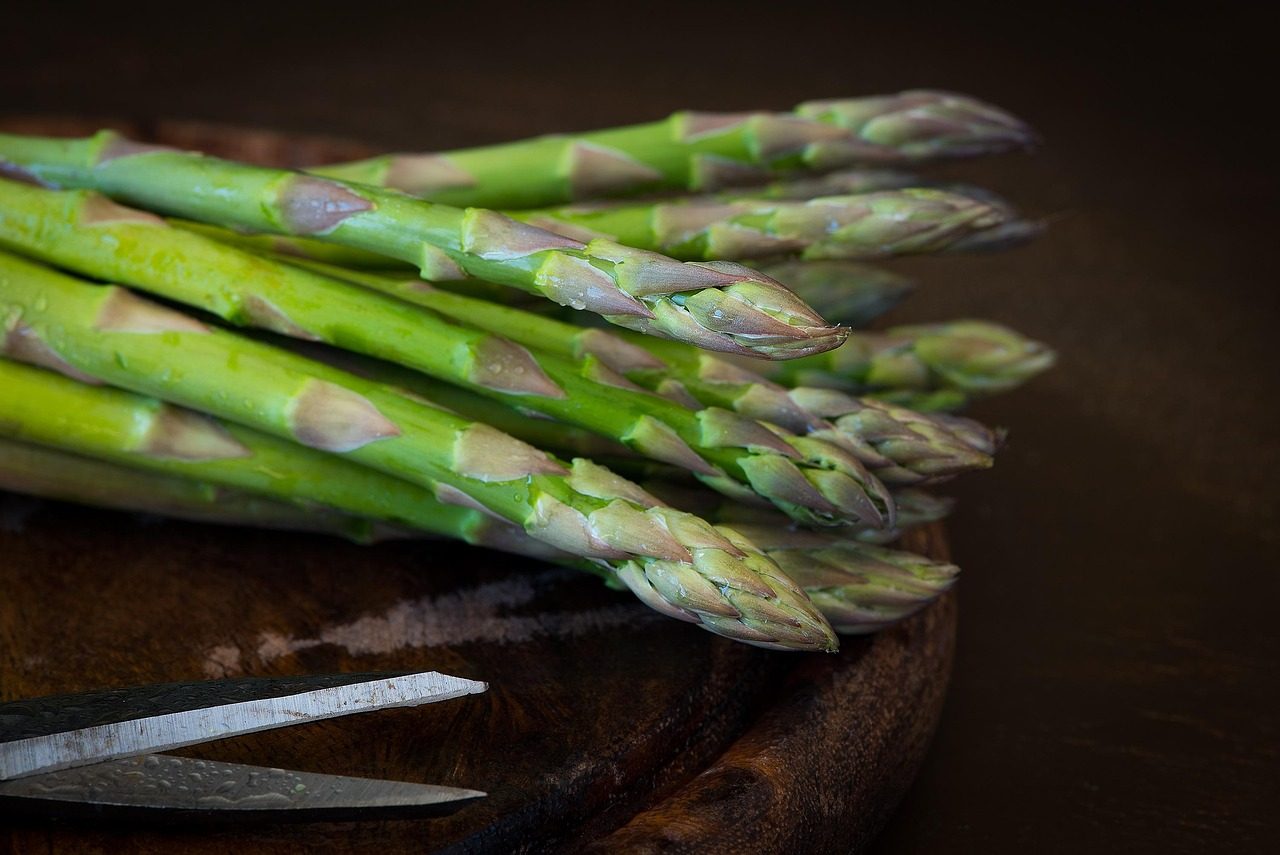
Fresh asparagus has one of the shortest seasons of any vegetable you’ll find at a US grocery store or farmers market. When spring prices drop and spears are at peak quality, it makes sense to stock up — but that only works if you know how to store it properly.
Freezing is the most practical way to preserve asparagus for months, but one question comes up again and again: do you really need to blanch it first? The short answer is that you technically can skip that step, but you’ll get noticeably better results if you don’t. This guide walks you through everything — from why blanching matters to how long frozen asparagus lasts and the best ways to use it.
Can You Freeze Asparagus?
Yes, you can absolutely freeze asparagus — and it’s one of the better vegetables for long-term freezer storage when handled correctly. Freezing asparagus is a simple way to save time and effort in the kitchen. When you pull a bundle out of the freezer, you can immediately steam, roast, sauté, or grill it, making it a quick and easy addition to lunch or dinner.
Technically, you can freeze raw, fresh asparagus by placing the spears in a freezer bag and sealing it tightly. However, freezing asparagus without blanching it first is not recommended. The reason comes down to enzymes. Asparagus contains enzymes that cause a loss of flavor and nutrients over time. Blanching stops enzyme action, maintaining the flavor, texture, and color of your asparagus spears.
Blanching also cleanses the surface of dirt and organisms, brightens the color, and helps retard loss of vitamins. So while skipping it won’t make the asparagus unsafe to eat, it will significantly affect the quality you get out of the freezer.
Pro Tip: Buy asparagus in bulk during peak spring season when prices are lowest, then freeze it to use through fall and winter when fresh spears are harder to find and more expensive.
Does Freezing Change the Texture or Taste of Asparagus?
Honest answer: yes, somewhat. Freezing asparagus can affect both texture and flavor. Fresh asparagus has a crunchy texture and vibrant flavor, but when frozen, it can become slightly softer and lose some of its fresh taste.
Freezing extends the shelf life of food by slowing down physical and biochemical reactions; however, ice crystal formation can result in irreversible damage to the cell’s structure and texture. This is exactly why the blanching and drying steps matter so much — they reduce the moisture that forms those damaging ice crystals.
Frozen raw asparagus is likely to become mealy and mushy. Blanched asparagus, by contrast, holds up much better. Thicker asparagus also freezes better because very thin spears (pencil thickness or less) are naturally more tender and more likely to become mushy upon thawing.
The good news is that properly frozen asparagus still tastes great in cooked dishes. The texture change mostly rules out raw preparations — salads, crudités, and similar uses — but for soups, stir-fries, casseroles, and roasted sides, you’ll barely notice the difference.
How to Freeze Asparagus the Right Way
The process takes about 20–30 minutes and makes a real difference in the quality you get months later. Here’s how to do it step by step.
Step 1: Choose and Prep Your Asparagus
The quality of your frozen asparagus starts with the quality of the asparagus you choose. Look for firm, bright green spears with tightly closed tips. Avoid limp or wilted stalks, as these won’t freeze as well.
Select young, tender spears. Wash them thoroughly and sort by size. Trim the stalks by removing scales with a sharp knife, then cut into even lengths to fit your containers. You can also simply snap off the woody ends by bending each spear until it breaks naturally at its weak point.
Step 2: Blanch the Spears
Bring a large pot of water to a boil. Once boiling, add the asparagus in batches to avoid overcrowding. Blanch for 2–3 minutes for standard-size spears. Water blanch small spears for 2 minutes, medium spears for 3 minutes, and large spears for 4 minutes.
According to the National Center for Home Food Preservation , blanching is the essential step for safe, high-quality frozen vegetables — it slows or stops the enzyme activity that causes loss of flavor, color, and texture.
Step 3: Ice Bath and Dry
While the water boils, prepare a large bowl of ice water. After blanching, remove the asparagus with tongs and transfer immediately to the ice bath. Let it sit for a few minutes to cool and fully stop the cooking process. Drain the asparagus and pat dry — getting it as dry as possible prevents ice crystals from forming in the freezer.
Step 4: Flash Freeze and Store
After blanching, flash freeze the asparagus spears before transferring to a container. Spread them out on a sheet pan and place it in the freezer for a few hours. Once frozen, transfer to a freezer-safe plastic bag or airtight container.
To prevent freezer burn, use freezer-safe bags or containers. Vacuum sealing helps prevent ice crystal buildup and keeps the spears in the best condition. Squeeze out as much air as possible, then label each bag with the date before returning it to the freezer.
Pro Tip: Sort your asparagus by thickness before blanching. Thin spears need only 2 minutes while thick spears need 4. Blanching all sizes together means some will be overcooked and others undercooked.
How Long Can You Freeze Asparagus?
Storage time depends on your packaging method. For best quality with zipper freezer bags or other non-vacuum-sealed containers, use within 6 months. Vacuum-sealed produce will easily last a year in good condition.
Frozen asparagus stores in the freezer for between 6–8 months for the best quality in terms of flavor and texture, though it technically lasts up to 12 months. Beyond that window, the asparagus remains safe to eat but flavor and texture will continue to decline.
| Storage Method | Best Quality Window | Maximum Safe Duration |
|---|---|---|
| Freezer bag (air removed) | 6 months | 8–10 months |
| Airtight freezer container | 6–8 months | 10–12 months |
| Vacuum sealed | 10–12 months | Up to 12 months |
| Cooked asparagus (frozen) | 2–3 months | 3 months |
If you have leftover cooked asparagus from a meal, it will keep several days in the refrigerator. For longer storage, pack it into a freezer-safe bag or container. Squeeze out as much air as possible, date, and label. For best quality, use within two to three months.
If you enjoy preserving other foods at home, check out this guide on whether you can freeze jam without pectin for another practical storage tip.
How to Thaw Frozen Asparagus
Here’s something most people get wrong: for most cooking applications, you don’t need to thaw asparagus at all. There’s no need to defrost frozen asparagus before cooking it. You can throw it directly into dishes in the last few minutes of cooking on the stove or before baking.
When you do need to thaw it, you have three solid options:
- Refrigerator thawing: This is the best method if you have time. Move your frozen asparagus to the fridge for several hours or overnight.
- Cold water thawing: If you’re in a hurry, place the asparagus in a sealed bag and submerge it in cold water for about 30 minutes.
- Microwave thawing: You can quickly thaw asparagus in the microwave, but use the defrost setting to prevent it from cooking.
Be sure to pat the asparagus dry after draining it from the ice water. Getting it as dry as possible before using it prevents additional moisture from affecting your dish. Avoid using thawed asparagus in raw preparations, since it will be too mushy once it defrosts.
Can You Refreeze Asparagus After Thawing?
Refreezing is not a good idea. Refreezing is not recommended. Quality and texture degrade significantly with repeated freezing and thawing. Each freeze-thaw cycle causes more ice crystal damage to the cell walls, making the spears progressively mushier and less flavorful.
Ideally, freeze asparagus in smaller portions or packets, as this prevents the need for refreezing. When you freeze in individual portion sizes — enough for one meal — you only pull out exactly what you need and leave the rest undisturbed in the freezer. This simple habit protects both quality and food safety.
Important Note: If you thawed asparagus in the refrigerator and it has only been there for 1–2 days, the USDA notes that vegetables thawed in the refrigerator can technically be refrozen, but expect a noticeable drop in texture. When in doubt, cook it and use it rather than refreezing.
How to Use Frozen Asparagus (Best Uses After Freezing)
Frozen asparagus shines in cooked dishes where a tender texture is expected. Frozen asparagus should be used straight out of the freezer in hot recipes like soups, stir-fries, or casseroles. You can roast frozen asparagus too, but it won’t turn out as crispy as roasted fresh asparagus.
Because the frozen spears become tender upon cooking, they work well in recipes where that texture fits naturally — cream of asparagus soup, stews, casseroles, vegetable stir-fries, one-pot pasta bakes, risotto, and quiche.
For roasting from frozen, roasting at 425°F for 12–15 minutes works best. Lay the frozen spears out on a baking sheet in a single layer, drizzle with a little olive oil, and roast in a 400°F oven until they shrink a bit and look roasted, about 10–15 minutes.
A few more practical ideas for using your frozen asparagus:
- Stir-fry: Add directly to a hot skillet or wok with garlic, ginger, and a soy-based sauce. No thawing needed.
- Frittata or quiche: Fold directly into egg mixtures before baking.
- Pasta: Toss into boiling pasta water for the last 2 minutes of cooking, then drain together.
- Soup: Try frozen asparagus in a hot or chilled soup, risotto, pasta sauce, or casserole.
- Grilling: No thawing is necessary for grilled asparagus. Just toss the frozen spears in oil and seasonings, then grill until tender and flavorful.
Asparagus is also a nutrient-dense vegetable worth working into your regular rotation. If you’re interested in how vegetables and whole foods support your health, explore this overview of whole plant-based foods and this list of superfoods for a healthy heart.
Signs That Frozen Asparagus Has Gone Bad
Frozen asparagus that has been stored too long or improperly can go bad. Here’s what to look for before you use it:
- Freezer burn: White or grayish dry patches on the surface of the spears. The asparagus is still safe to eat, but the affected areas will be dry and flavorless. Trim them off before cooking.
- Off smell: If your asparagus smells foul, it’s time to toss it. Properly frozen asparagus should have little to no odor when frozen and a mild, grassy smell when thawed.
- Slimy or sticky texture after thawing: If it’s slimy or sticky, or feels mushy and soft, or has visible signs of mold, discard it.
- Significant color change: Some darkening is normal over time, but asparagus that has turned brown, yellow, or gray throughout — not just at the tips — has likely degraded past the point of good flavor.
- Ice crystal buildup inside the bag: Heavy ice accumulation inside the bag is a sign that moisture has been drawn out of the spears, often due to temperature fluctuations in the freezer. The asparagus may still be safe but will be noticeably mushy.
Over time, while the asparagus can be safe to eat, its flavor might diminish and the texture could become soft or mushy when thawed. If you’re unsure, the safest call is to discard it and start fresh. For more on keeping nutritious vegetables in your diet, see these foods that promote healthy eyesight and foods that support liver function.
Frequently Asked Questions
Can you freeze asparagus without blanching it?
You can freeze asparagus without blanching, but it is not recommended. Blanching deactivates enzymes that break down the vegetables, helping to preserve the color and flavor. Skipping this step results in asparagus that turns mushy, dull in color, and bland much faster in the freezer.
How long does blanched asparagus last in the freezer?
Asparagus can be frozen for 8–12 months when packaged properly. The key is removing as much air as possible and using freezer-safe containers or bags. For peak flavor and texture, aim to use it within 6–8 months.
Do you have to cook frozen asparagus before eating it?
Yes. Avoid using frozen asparagus in raw preparations, since it will be too mushy once it defrosts. Frozen asparagus is best cooked directly from frozen in hot dishes. It is not suitable for raw salads or crudité platters after freezing.
Can you freeze cooked asparagus?
Yes. You can freeze cooked asparagus, which will help preserve its texture. Freeze it in a single layer in a freezer-safe bag and store in the freezer for up to a year. For best flavor, use cooked frozen asparagus within 2–3 months.
What is the best way to cook frozen asparagus?
You can cook frozen asparagus in a skillet, in your air fryer, in the oven, and even on the grill. Roasting and stir-frying from frozen give the best texture results. Boiling is the one method to avoid, as it tends to make the spears overly soft. For a simple roasted side dish, roasting at 425°F for 12–15 minutes from frozen works best.
Why does my frozen asparagus come out mushy?
There are a few common causes. Skipping blanching is the biggest one — unblanched asparagus is more prone to becoming soggy or mushy after freezing. Overcooking during blanching, not drying the spears thoroughly before freezing, or thawing before cooking can all contribute to a mushy result. Keep frozen asparagus frozen until using it in cooking. Don’t thaw it first, as this will help prevent it from getting mushy.