What to Serve with Schnitzel and Spaetzle: 15 Perfect Side Dishes

November 26, 2026
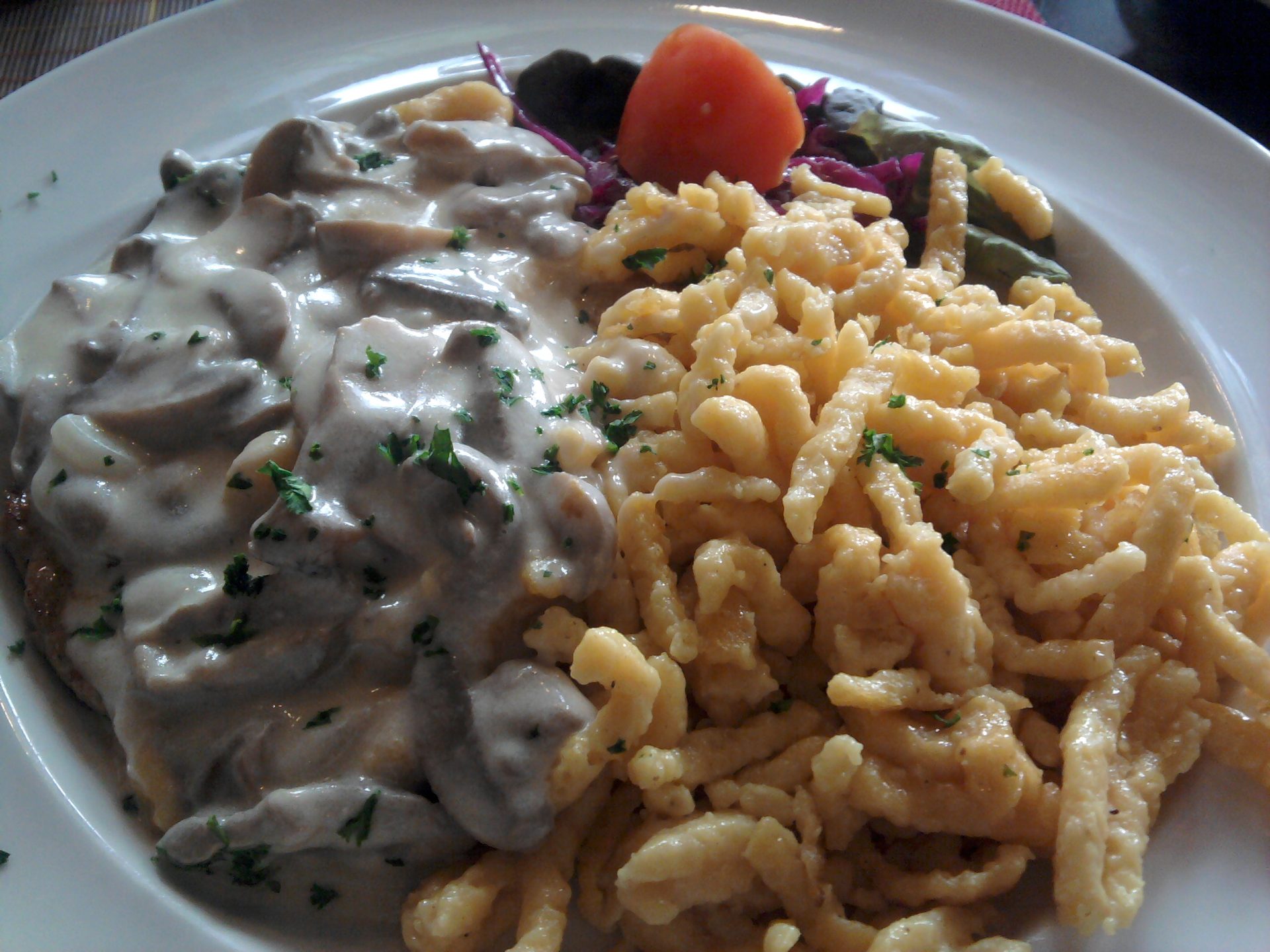
A plate of golden schnitzel next to a tangle of buttery spaetzle looks complete on its own, but something always feels slightly off without a side dish to round things out. Figuring out what to serve with schnitzel and spaetzle is really about balance: the cutlet is crisp and rich, the noodles are soft and buttery, so the best companions bring acid, crunch, color, or a fresh vegetable note to the plate. Whether you are cooking a weeknight pork schnitzel or hosting a full Oktoberfest-style dinner, the 15 sides below cover every angle, from tangy braised cabbage to a quick cucumber salad you can toss together in minutes.
Before diving into each recipe idea, here is a quick snapshot of how these sides break down by category, so you can mix and match based on what you are already cooking.
| Category | Best Options | Flavor Profile |
|---|---|---|
| Cooked Vegetables | Red cabbage, Brussels sprouts, kale, green beans, asparagus, zucchini | Earthy, slightly sweet, or peppery |
| Potato Dishes | French fries, roasted potatoes, mashed potatoes, potato pancakes | Starchy, comforting, crisp-edged |
| Cold Salads | Potato salad, cucumber salad, beet salad | Tangy, cool, refreshing |
| Sauces | Mushroom gravy, lemon-butter sauce | Savory, rich, or bright |
If you enjoy planning full menus around a single main dish, you will find a similar breakdown in our guide to what to serve with chicken parmesan, which tackles another breaded, fried favorite.
1. Red Cabbage
Braised red cabbage, known in Germany as Rotkohl, is arguably the most traditional partner for schnitzel. Rotkohl is a traditional German side dish made from red cabbage, onions, apples, vinegar, sugar, and spices, simmered low and slow until the sharp edges of the cabbage soften into something sweet and tangy. The vegetable itself, Brassica oleracea var. capitata f. rubra, is the same species as green cabbage, just bred for its deep purple-red leaves.
It is the traditional accompanying side dish paired with many German meals, notably meat dishes like Sauerbraten or Döner, and it works just as well alongside a crisp pork or veal schnitzel. Traditionally served with roasts, Rouladen, and Sauerbraten along with potatoes, Spaetzle, German Potato Dumplings, or German Bread Dumplings, red cabbage is the kind of side that can sit on the stove while you fry the schnitzel, since it only gets better with a little extra simmer time.
Pro Tip: Make the red cabbage a day ahead. The sweet-and-sour flavor deepens overnight, and you only need to reheat it gently while the schnitzel fries.
2. Roasted Brussels Sprouts
Roasted Brussels sprouts bring a caramelized, slightly bitter contrast to a rich, breaded cutlet. Brassica oleracea var. gemmifera develops deep browning and a nutty sweetness once the outer leaves crisp up in a hot oven, which pairs well against the soft texture of spaetzle. From creamy mashed potatoes to a shaved Brussels Sprouts salad, this vegetable shows up again and again on lists of top schnitzel sides, and for good reason.
For a dinner centered on a crisp, fried protein, you will find the same roasted-vegetable logic in our A5 Wagyu pairing guide, where char and bitterness are used to cut through a rich cut of beef. Toss the sprouts with olive oil, salt, and a splash of balsamic before roasting at a high temperature until the edges turn deep brown.
3. Sauteed Kale
Sauteed kale, Brassica oleracea var. sabellica, adds a quick, iron-rich green to a meal that otherwise leans heavy on starch and fried breading. A fast sauté in butter or bacon fat with garlic and a splash of vinegar softens the leaves without turning them mushy. All veggie and salad variations go well with schnitzel and spaetzle, and kale is one of the easiest to pull together on a weeknight since it needs no braising time.
If you want to read more about what makes a dish feel savory rather than sweet or bland, our piece on what is a savory food breaks down the flavor categories that a side like sautéed kale falls into.
4. Sauteed Green Beans
Green beans, or Phaseolus vulgaris, bring snap and brightness to the plate, especially when sautéed with butter, garlic, and a scattering of toasted almonds. Green Bean Almondine is a classic preparation that shows up on side-dish lists for breaded cutlets specifically because the crunch of the beans mirrors the crunch of the schnitzel’s crust.
The same technique, built around a butter sauté and a nutty finish, is a staple alongside other lemon-forward entrées, including the pairings covered in our chicken piccata side dish guide. Blanch the beans briefly first so they stay bright green before finishing them in the pan.
5. Steamed Asparagus
Steamed asparagus, Asparagus officinalis, is a lighter option that works especially well in spring when the spears are thin and tender. A quick steam followed by a drizzle of melted butter and a squeeze of lemon keeps the preparation simple, which matters next to a plate that already has a lot going on texturally.
Asparagus pairs well with delicate proteins generally, a point also covered in our guide to what to serve with ahi tuna. Keep the spears slightly firm rather than fully soft, since a limp asparagus spear gets lost next to a crisp schnitzel.
6. Sauteed Zucchini and Summer Squash
Zucchini and other summer squash varieties, both forms of Cucurbita pepo, cook down quickly in a hot pan with olive oil, garlic, and a little fresh thyme. The mild, slightly sweet flavor of the squash does not compete with the schnitzel, which makes it an easy side to add without much planning. My favorite sides dishes are carrots and peas and a German salad platter, both are great choices, and a sautéed squash medley fits that same easygoing, vegetable-forward category.
If you are building out a richer, cream-sauce-based meal instead, the squash preparation also works alongside the dishes in our what to serve with Alfredo guide, since both meals benefit from a light, quick-cooked vegetable to break up the richness.
7. Mushroom Gravy
A mushroom gravy, or Jägersoße, turns schnitzel and spaetzle into a completely different, saucier dish. Think classic pairings like a rich beef Goulash, crispy Wiener Schnitzel with gravy, or a creamy mushroom sauce (Jägersoße), which soaks into the spaetzle and coats the schnitzel without making the crust soggy if you pour it on just before serving. The meat can be topped with a mushroom sauce, a tomato sauce, cheese, or just lemon and parsley, and mushroom gravy is consistently the most requested of those options.
Schnitzel varieties that come with a sauce, like a creamy mushroom gravy or a simple cream sauce, are fantastic with spaetzle. For a different take on a savory, gravy-style dip, our meat empanadas side dish guide covers similar sauce pairings for fried, handheld food.
Key Insight: If you want the sauce on the schnitzel without sacrificing crunch, serve the gravy on the side in a small dish rather than pouring it directly over the cutlet.
8. Lemon-Butter Sauce
A lemon-butter sauce keeps things lighter than gravy and lets the fried crust stay crisp, since the sauce is thin enough to drizzle rather than ladle. Serve with wedges of lemon and some parsley is the simplest version of this approach, and it is the classic Wiener Schnitzel presentation found across Austrian and German restaurants alike.
A warm butter sauce finished with lemon juice, capers, and parsley takes this a step further, brightening the richness of the fried pork or veal without masking it. This same bright, acidic finishing technique is worth comparing to the citrus-forward sauces used in our chicken piccata pairing guide.
9. French Fries
French fries are a genuinely traditional pairing, not just an American add-on. I fell in love with the crispy juicy piece of veal, served with French fries and a pint of beer on the side, and that combination is standard in German restaurants, where schnitzel and fries appear on nearly every menu. The potato itself, Solanum tuberosum, fries up best when cut into a medium-thick stick and cooked twice, once at a lower temperature to cook through and again at a higher temperature to crisp the outside.
Pair the fries with a simple dipping sauce lineup:
- Classic mayo or aioli for dipping
- Curry ketchup, a German fast-food staple
- Malt vinegar for a sharper bite
- Herb butter melted over the top instead of a dip
If fries feel too casual for the occasion, the same crisp-starch logic applies to the sides in our shrimp boil side dish guide, where fries also show up as a crowd-pleasing option.
10. Roasted Potatoes
Roasted potatoes are a lower-effort alternative to fries, and they show up constantly in German home cooking because they can go in the oven and need almost no attention while the schnitzel fries. You can serve it with roasted potatoes or a side salad, which is one of the most common suggestions for rounding out a schnitzel plate without making spaetzle the only starch on the table.
Toss halved baby potatoes with oil, salt, and rosemary, then roast at a high temperature until the skins blister and the interior turns creamy. This method works well whenever you want a side that can cook unattended, a theme also explored in our guide to pairing roasted vegetables with Wagyu beef.
11. Potato Salad
German potato salad comes in two distinct styles, and both are worth knowing before you plan a schnitzel dinner. In Southern Germany you will find schnitzel and spaetzle often served with a side of Swabian potato salad, Bavarian cucumber salad and brown gravy, which gives you a sense of just how regional this pairing gets.
| Style | Dressing Base | Served |
|---|---|---|
| Swabian (Southern German) | Warm broth, oil, vinegar | Warm or room temperature |
| American-style | Mayonnaise, mustard | Cold or chilled |
The warm, vinegar-based Swabian version is lighter and less rich, which makes it a better match for a meal that already includes fried breading and butter-soaked spaetzle. If you are watching how heavy a meal gets overall, our resource on foods to eat and avoid with coronary heart disease is a useful general reference for balancing richer dishes like this one in moderation.
12. Cucumber Salad
Gurkensalat, or German cucumber salad, is the single easiest side on this list to throw together in under fifteen minutes. The cucumber, Cucumis sativus, is thinly sliced, lightly salted to draw out excess water, then tossed in either a vinegar dressing or a creamy sour cream and dill dressing depending on the region. A quick and refreshing German Cucumber Salad recipe, featuring only 4 ingredients, is perfect with a light lunch or served alongside roasted meats.
Best served with bratwurst, schnitzel, meatloaf, or grilled chicken, this salad’s cool, tangy bite is exactly what a rich, fried cutlet needs for contrast. Let the cucumbers drain for at least ten minutes before dressing them so the salad does not turn watery on the plate.
13. Mashed Potatoes
Mashed potatoes are the most universally comforting option on this list, and they work with schnitzel just as well as they work with almost any roasted or fried meat. Choose a starchy potato variety, boil until completely tender, then mash with warm butter and milk rather than cold dairy, which keeps the texture smooth instead of gluey.
Common Mistake: Overworking the potatoes with a mixer or food processor releases too much starch and turns the mash gummy. Stick to a hand masher or ricer for the smoothest, lightest texture.
Because mashed potatoes are soft and mild, they are a good choice if you are already serving a vegetable with more texture, like Brussels sprouts or green beans, elsewhere on the plate.
14. Beet Salad
Beet salad brings color and earthy sweetness to a plate that otherwise skews brown and golden. The vegetable, Beta vulgaris, is roasted or boiled until tender, then sliced and tossed with a citrus vinaigrette, often alongside goat cheese or toasted walnuts. Shredded Beet Salad with Citrus Dressing appears on more than one list of top schnitzel sides specifically because the acidity in the citrus dressing cuts through the richness of the fried cutlet.
Serve the beet salad chilled and slightly separate from the hot schnitzel and spaetzle, since the temperature contrast is part of what makes this pairing work so well on the plate.
15. German Potato Pancakes
German potato pancakes, called Kartoffelpuffer or Reibekuchen depending on the region, add a second crispy element to a meal that already has a fried cutlet, which sounds redundant but actually works because the textures are different. Reibekuchen are German potato pancakes, also known as Kartoffelpuffer, made from grated raw potato, egg, and a little flour, then fried into thin, crisp discs.
Reibekuchen may be served with apple sauce, pumpernickel bread, treacle, or with Maggi-brand seasoning sauce, and the applesauce pairing in particular gives you a sweet contrast against the savory schnitzel. Grate the potatoes just before frying, since they oxidize and turn gray if they sit too long before hitting the pan.
- Applesauce for a classic sweet contrast
- Sour cream with chives for a tangier finish
- A light dusting of sea salt, served plain, if the rest of the plate is already rich
With fifteen options spanning cooked vegetables, potato dishes, cold salads, and sauces, you have more than enough ways to round out a schnitzel and spaetzle dinner without repeating the same side twice in a month. Start with one vegetable, one starch, and one sauce or salad, and you will land on a balanced, German-style plate every time. For more full-menu inspiration beyond this classic combination, our guide to what to serve with angel food cake can help you round out the dessert course for the same dinner.