Traditional Azerbaijani Clothing: 24 Garments That Define a National Dress

November 19, 2026
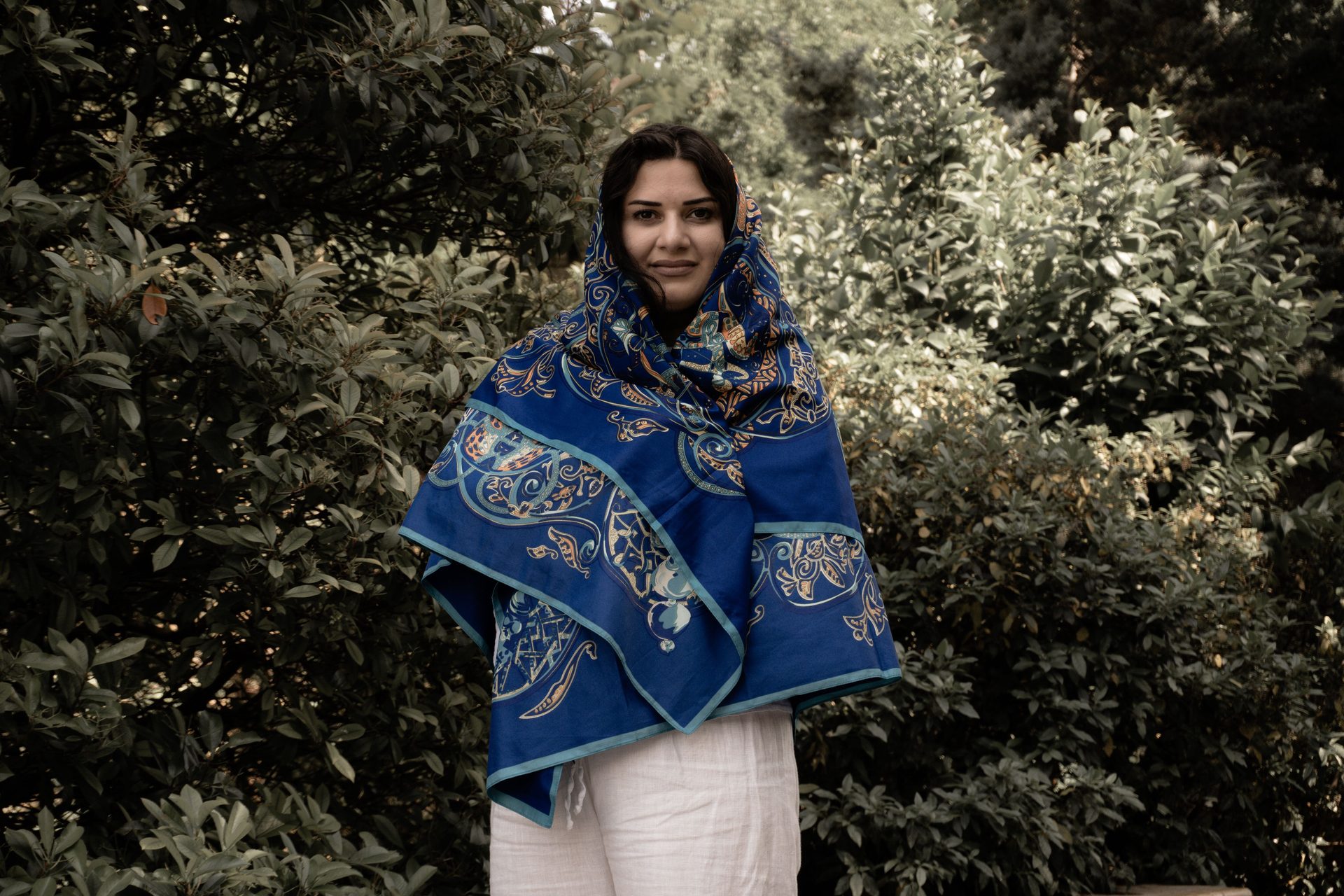
Traditional Azerbaijani clothing carries centuries of history in every seam, from silk woven in the Caucasus foothills to fur coats cut for mountain winters. Azerbaijani traditional attire, with its pronounced silhouettes, accentuates the beauty and elegance of Azerbaijani women, while the men’s clothing emphasizes masculinity and strength, a contrast that shaped two distinct wardrobes over hundreds of years.
Each piece below, whether a coat, a skirt, or a square of embroidered silk, once told observers something about the wearer’s village, age, or household income. This guide walks through 24 historic garments and accessories that made up the Azerbaijani national costume, grouped roughly by how they were worn, from outerwear down to headscarves and footwear. Readers comparing wardrobes across cultures can also see how these pieces stack up against other traditional clothing traditions from around the world.
1. Chukha
The chukha, also spelled chokha, is the long men’s coat most people picture when they think of Caucasus dress. Chukha is the Azerbaijani top men’s clothing with buttons and hinges sewn on the sleeve sections, and wealthier families often had the chest trimmed with decorative cartridge-style stripes that signaled rank. The coat flared from a fitted waist into a layered, gathered skirt that could be unhooked for movement on horseback.
It was almost always worn over an arkhaluk for warmth and structure, a pairing similar to how men’s coats layer over inner jackets in traditional Chinese clothing. Fabric choice mattered: homespun wool suited daily wear, while fine cloth and tirma marked ceremonial versions.
2. Kurk
When winter set in across Azerbaijan’s highlands, the kurk replaced lighter coats entirely. Kurk is a fur coat made of lamb fur, without fastener, with collar, decorated with embroidery, and it reached down to the ankles for full-body warmth. Unlike the buttoned chukha, the kurk was worn open, relying on its weight and length rather than closures to keep out the cold.
Shepherding families across the region favored sheepskin for exactly this reason, a practical choice echoed in the heavy winter outerwear found in traditional German clothing from Alpine regions. The embroidered collar was often the only decorative element on an otherwise plain, functional garment.
3. Arkhaluk
The arkhaluk sat at the center of both men’s and women’s wardrobes across the Caucasus. An arkhalig is a long tight-waist jacket made of various kinds of fabric, such as silk, satin, cloth, cashmere and velvet, traditionally depending on the social status of its owner, and male versions could be single-breasted with hooks or double-breasted with buttons. The Arkhalig is documented across multiple Caucasus and Iranian cultures, not Azerbaijan alone, which points to centuries of shared regional tailoring.
Women’s arkhaluks were typically fitted with side slits and worn beneath a chepken or kurdu, creating a layered silhouette comparable to the way garments stack in traditional Japanese clothing. In cold weather, men added a chukha directly over the arkhaluk rather than swapping it out.
4. Tuman
A tuman is a long skirt, and Azerbaijani women rarely wore just one at a time. Azerbaijani women traditionally wore long skirts called tumans, which reached the floor, made from silk or woolen fabric, often consisting of 12 pieces with various patterns. Some sources note women layered three to as many as a dozen tumans at once, with the visible top layer chosen to match the shirt or arkhaluk above it.
The hems were often finished with tirmya wool trim, lace, or in wealthier households, gold and silver coins. This love of layered skirts has a distant cousin in the pleated, multi-petticoat silhouettes of German regional dress, though the fabrics and motifs differ entirely.
Pro Tip: When identifying antique Azerbaijani garments in museum photos, count the visible skirt panels. A tuman with gold-coin trim usually signals a ceremonial or aristocratic piece rather than everyday wear.
5. Chadra/Chador
Stepping outside the home once required more than a shirt and skirt. Azerbaijani women’s outerwear includes a bag-like bedspread called the chador and a front curtain called the rubend, which women wore when leaving the house. The chadra draped over the whole body and head, made from plain or checkered satin, colored silk, or local cotton depending on the family’s means.
This full-body covering served a similar modesty function to veiling traditions seen in parts of traditional Pakistani clothing, though the cut and styling were distinctly Azerbaijani. In some towns the chadra was only pulled back from the chest for special family visits.
6. Charchab
Charchab is often translated simply as a scarf or shawl, and it worked as a lighter alternative to the full chadra. Azerbaijani sources describe how women leaving the house would put on a chadra or charchab, pairing either one with additional veiling pieces depending on the occasion and the town’s local customs.
Because the charchab left more of the silhouette visible than a chador, it was more common in smaller towns and among younger women than in strictly conservative urban households. Color and fabric choice for the charchab, much like other outerwear, signaled the wearer’s household wealth.
7. Chakhchur
The chakhchur solved a very specific problem: how to protect long skirts from mud and street dust while riding or walking. In cities, women put a chakhchur over all their skirts when going outside; it consisted of two trouser legs, each gathered at the ankle into a small cuff with socks sewn from the same fabric, and each leg was independent and usually sewn from silk. It was also worn for horseback riding, where loose skirts would have been impractical.
Functionally, it resembles the layered trouser-and-skirt combinations found in traditional Indian clothing, where separate leg garments are worn beneath flowing outerwear. Baku, Shamakhi, and Nakhchivan were especially known for this style.
8. Yashmak
A yashmak covered the lower half of the face, leaving only the eyes and upper features visible. Historical accounts describe Azerbaijani women fastening a yashmak over the mouth whenever they stepped outside, pairing it with the chadra or charchab as part of a full street outfit.
The garment made conversation and eating in public genuinely difficult, which is part of why it was typically reserved for formal outings rather than everyday errands. Comparable lower-face coverings appear across many regions influenced by similar modesty customs, including some styles documented in South Asian traditional dress.
9. Ruband
The ruband functioned as a front veil, worn alongside or instead of other face coverings. The outdoor shawl was made of one-color satin, checkered goat fabric, and a variety of silk fabrics, and women who wore the shawl sometimes used the ruband as well. Unlike the yashmak, which tied at the back of the head, the ruband draped more loosely and could be adjusted or lifted with one hand.
It was most associated with urban households in cities such as Baku and Shamakhi, where strict outdoor dress codes lasted longer than in rural villages. Lifted veiling styles like this appear in other cultures too, including certain regional looks within Indian bridal and festival dress.
| Garment | Coverage | Typical Occasion |
|---|---|---|
| Chadra/Chador | Full body and head | Everyday outdoor wear |
| Charchab | Head and shoulders | Lighter outdoor wear |
| Chakhchur | Legs, over skirts | Street wear, riding |
| Yashmak | Lower face | Formal outdoor outings |
| Ruband | Face, loosely draped | Urban street dress |
| Niqab | Full face covering | Strict modesty settings |
10. Niqab
Azerbaijani headwear scholarship generally splits women’s coverings into two groups: items meant for styling hair and items meant for concealment. The niqab belonged firmly to the second group, listed alongside veils, kerchiefs, and other face coverings used when a household followed stricter modesty customs than their neighbors.
Unlike the yashmak, which only covered the mouth and chin, a niqab-style covering extended further across the face. Its use varied considerably by region, era, and the religious practice of the individual family rather than following one fixed national pattern.
11. Dinge
The dinge was a headdress built for married and middle-aged women rather than young girls. Middle-aged women often wore multi-layered headdresses called dinga, which resembled turbans and consisted of two or three different layers, distinguishing them visually from unmarried women who wore simpler small caps instead.
Headwear like the dinge was almost always paired with jewelry, since a full traditional outfit relied on an accessory set known as imaret. That set typically included:
- Decorative headpieces worn over or under the dinge
- Breast ornaments sewn onto the shirt collar
- Gold or silver rings and earrings
- Embroidered or coin-studded belts and bracelets
A study on Azerbaijani ethnic clothing in Georgia notes that this layered headwear tradition persisted among diaspora Azerbaijani communities well into the 20th century.
12. Koynek
The koynek is the basic shirt or blouse worn against the skin, underneath every other layer described so far. It was typically sewn from simple, affordable fabric since it rarely showed, though wealthier households sometimes used finer cotton or silk blends for the koynek worn on special occasions.
A full traditional outfit went on in a fairly consistent order:
- Dizlik, an underskirt or under-trouser layer
- Koynek, the base shirt
- Tuman skirts, layered from inner to outer
- Arkhaluk or chepken as the fitted outer jacket
- Headwear, jewelry, and an outdoor veil if leaving the house
Men’s shirts followed a related logic. The upper man’s shirt had a button or a buttonhole and was made of satin and sateen, chosen for comfort under the heavier arkhaluk and chukha worn on top.
13. Gulabatin Kyulaja
Gulabatin refers to the metallic gold-thread embroidery technique, and the kyulaja is a women’s upper garment, so a gulabatin kyulaja is an outerwear piece finished in gold-thread work. These pieces appear frequently in museum collections tied to the Erivan Khanate region, often paired with matching skirts and shirts in a single coordinated outfit.
Among the wider family of women’s jackets, sources describe similar pieces worn over the arkhaluk, including the külaji listed alongside labbada, kürdü, and eshmak in traditional Azerbaijani costume records. The gold-thread finish made this particular jacket a marker of wealth rather than everyday wear.
Key Insight: Gulabatin embroidery was not unique to clothing. The same gold-thread technique decorated belts, shoes, and ceremonial textiles, which is why matching accessory sets were so valued in wealthier Azerbaijani households.
14. Jorab
Jorab simply means socks, but traditional Azerbaijani jorab were rarely plain. Hand-knitted from wool in geometric, often brightly colored patterns, they were functional footwear and a small canvas for regional design identity at the same time.
Many museum pieces pair jorab directly with a tuman, koynek, and bashmag as part of a complete regional outfit, suggesting socks were chosen to coordinate with the rest of the ensemble rather than treated as an afterthought. Pattern styles varied noticeably between regions such as Shaki, Ganja, and the Erivan area.
15. Bashmag
Bashmag are the traditional shoes that completed most Azerbaijani outfits, worn by both men and women. Women wore boots with embroidered surfaces and high boots with long legs, while everyday bashmag tended to be simpler, flat-soled, and practical for walking on uneven village streets.
Decorative stitching on the toe and heel area often matched the embroidery style found on the jorab worn underneath. Footwear traditions built around embroidered leather also show up in parts of traditional American clothing, particularly in regional frontier and ceremonial dress.
16. Tesek
The tesek, sometimes written täsäk, was a small bonnet-style cap worn close to the head, usually underneath a larger headscarf or turban. It belonged to the “dressing” category of headwear rather than the “covering” category, meaning its job was shaping and supporting hair rather than concealing the face.
Because the tesek sat under other layers, it was rarely seen on its own in public. Its main function was practical: keeping hair neatly gathered so that the more decorative kelaghayi headscarf or dinge sat properly on top.
17. Chepken
The chepken was a fitted caftan worn over the base shirt, distinct from the looser arkhaluk underneath it. The chepken, a fitted caftan, was worn over the shirt and featured sleeves that ended in decorative oversleeves, made from velour and various shimmering fabrics, which made it a visually striking outer layer even before jewelry was added.
In Karabakh, a coin-decorated version called pullu chapkan was cut in a similar shape but covered with sewn-on coins across the surface. This kind of ornamental metalwork on fabric parallels decorative techniques found in traditional Japanese clothing, where obi sashes and formal kimono often carry similarly dense surface decoration.
18. Charda Veil
The charda functioned as an outdoor veil distinct from the heavier chadra, favoring lighter fabric and brighter color. Described as a silk or cotton veil used outdoors, it blended the practical need for modesty with a personal sense of style through vibrant color choices.
Because it was lighter than a full chadra, the charda suited warmer months or shorter trips outside the home better than the heavier bag-shaped covering. Regional variation played a large role here too, similar to how climate shapes garment weight in traditional Australian clothing.
19. Chichek Jacket
Chichek translates roughly to “flower,” and the jacket bearing that name lived up to it through dense floral embroidery worked in silk or velvet. It sat in the same general category as the chepken and kyulaja, worn as a fitted outer layer over the shirt and skirts.
Unlike plainer everyday jackets, a chichek jacket was typically reserved for celebrations, weddings, or formal portraits, where its embroidery could be properly shown off. The floral motifs often echoed patterns found in regional silk weaving and carpet design from the same area.
20. Kyulek Dress
The kyulek was a flowing dress rather than a separate shirt-and-skirt combination, cut from silk or cotton and pleated to move gracefully with the wearer. It represented one of the more elegant, less layered alternatives to the standard koynek-and-tuman combination.
Because it skipped several of the separate layers worn underneath a tuman set, the kyulek dress was generally lighter and easier to move in, making it a practical choice for dancing at weddings and festivals. Its pleating style is part of what modern Azerbaijani designers reference when adapting historic silhouettes for contemporary fashion.
21. Gaba
Gaba appears in historical records as one of several men’s outer garments, listed alongside the chepken, arkhalig, chukha, and kurk as part of standard male national dress. It functioned as a robe-like layer, generally longer and looser than the fitted arkhaluk beneath it.
Because records on the gaba are less detailed than on the chukha or arkhaluk, much of what is known comes from comparing it against these better-documented neighboring garments. It likely served as a transitional piece, warmer than a shirt alone but lighter than a full fur-lined kurk.
22. Kurdu
The kurdu was a women’s sleeveless jacket, usually padded or lined with fur for added warmth without restricting arm movement. It sat well with the layered system already built around the koynek, tuman, and arkhaluk, adding insulation during colder months.
Some later accounts describe a fuller, cloak-like version used for added protection, suggesting the kurdu’s exact cut shifted somewhat by region and era. Either way, its core purpose stayed the same: warmth without sacrificing the fitted silhouette favored elsewhere in the wardrobe.
23. Bashlyg
A bashlyg, or bashlyk, is a pointed hood designed to be worn over other headwear rather than instead of it. Men wore a bashlyk made of cloth and wool in winter, and bashlyks made of camel wool were especially valued in Shirvan, with the lining made of colorful silk since it showed when the head was turned.
It was usually paired with a yapinji cloak for full protection against mountain winds. The idea of a decorative hood lining that shows only when the wearer turns has a loose parallel in the structured, often brightly lined winter hoods seen in traditional Australian clothing from colder inland regions.
Important Note: Sources sometimes use “bashlyk” and “papaq” interchangeably in casual writing, but they are different garments. A papaq is a fixed sheepskin or felt hat, while a bashlyk is a soft hood that folds down and can be removed entirely.
24. Arakhchin
The arakhchin closes out this list as one of the most enduring pieces of Azerbaijani headwear, still referenced in discussions of the country’s silk heritage today. It is a low, flat-topped skullcap worn under a specially woven silk headscarf, sometimes almost covered with gold embroidery, or alternatively replaced by a small bonnet called a täsäk.
Men wore the arakhchin under a papaq, while women wore it under a chalma or turban, making it a near-universal base layer for headwear regardless of gender. Unmarried women in particular favored small arakhchin-style caps as everyday wear rather than reserving them for formal occasions, much like the simple head coverings seen across traditional clothing categories worldwide where a base layer supports a more decorative outer piece.
Taken together, these 24 garments show how much information a single Azerbaijani outfit could communicate before a word was spoken. A woman’s headdress revealed her marital status, the trim on her tuman hinted at her family’s wealth, and the weight of her outer coat told observers something about the season and her region. Guests of exhibitions on Azerbaijani national costume continue to show strong interest in these pieces today, a sign that this layered, symbol-rich wardrobe still resonates well beyond its original villages and city streets.