Can You Freeze Spaghetti Noodles? Everything You Need to Know

October 30, 2026
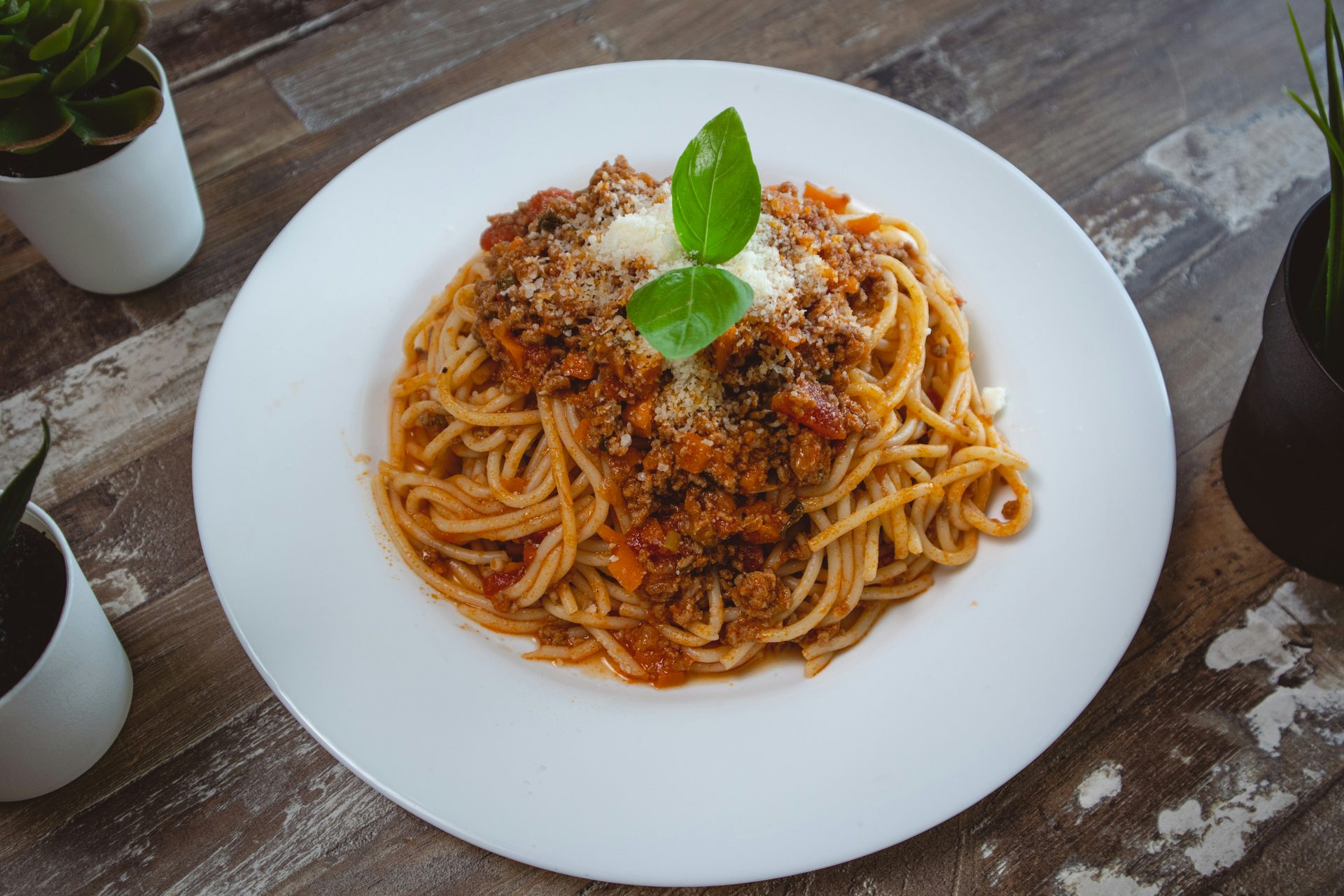
Spaghetti is one of those meals that almost always leaves you with more than you planned. Whether you cooked an entire box for a weeknight dinner or batch-cooked for the week, you’re probably staring at a pile of leftover noodles and wondering what to do with them.
The good news: freezing spaghetti noodles works, and it works well — as long as you follow a few simple steps. Done right, frozen spaghetti noodles reheat quickly, taste great, and save you real time on busy nights. This guide covers everything from how to prep noodles for the freezer to how to spot when frozen pasta has gone bad.
Can You Freeze Spaghetti Noodles?
You can freeze just about any cooked pasta, but how you cook the noodles can make a big difference when you’re ready to thaw. Spaghetti is no exception. Whether you have a bowl of plain leftovers or a big batch you prepped on purpose, the freezer is a practical option.
There’s really no need to freeze uncooked pasta, because it typically has a shelf life of one to two years — it likely won’t grow any mold or bacteria in your pantry. So this guide focuses entirely on cooked spaghetti noodles, which do benefit from freezer storage when you’re not going to use them within a few days.
If you store them right, cooked spaghetti noodles will stay fresh in the fridge for three to five days. If you know you won’t finish them in that window, the freezer is a smarter move than letting them go to waste.
Pro Tip: Freeze pasta and sauce separately whenever possible. Keeping them apart protects the texture of both the noodles and the sauce, and makes reheating much more flexible.
Does Freezing Change the Texture or Taste of Spaghetti Noodles?
Freezing does affect spaghetti noodles — but not dramatically if you prep them correctly. The biggest risk is mushiness, not flavor loss. Cooked pasta can still taste great after being frozen as long as it’s stored correctly and wasn’t overcooked before being frozen.
Cooking time is critical — overcooked pasta has a higher water content and tends to become mushy after freezing and reheating. The ideal spaghetti for freezing is cooked al dente, meaning it still has a slight firmness to the bite. This texture helps noodles hold up better during the freezing process and subsequent reheating, minimizing the risk of sogginess or clumping.
Tomato-based sauces freeze better than cream-based ones. Tomato-based sauces such as bolognese and marinara are the most freezer-friendly, while cream-based sauces like alfredo tend to split and become watery after thawing. If you’re working with an alfredo or other dairy-heavy sauce, freeze the noodles plain and make the sauce fresh when you’re ready to eat. For more on how different foods respond to freezing, check out our guide to different types of Chinese noodles, which includes storage tips for a range of noodle varieties.
How to Freeze Spaghetti Noodles the Right Way
The process takes about five minutes of active effort and a couple of hours of hands-off freezer time. Follow these steps and your noodles will come out of the freezer in much better shape.
- Cook al dente. Always cook pasta slightly firmer than usual if you plan to freeze it — this typically means boiling it 1–2 minutes less than the package instructions recommend. If the box says 9–11 minutes, pull the noodles at 8.
- Rinse under cold water. Drain and rinse noodles with cold water to stop cooking and remove excess starch. This also speeds up the cooling process.
- Toss with olive oil. Toss the pasta with olive oil, which will help keep it from sticking together as it freezes, as you store it, and when you use it in your recipe later.
- Form nests for long noodles. When freezing cooked spaghetti noodles, make “nests” by taking a fork and twirling it in the tossed pasta. When you have about ½ cup of pasta on the fork, carefully move the pasta directly to the cookie sheet in the nest shape. Leave a couple of inches between nests on the baking sheet.
- Flash freeze on a baking sheet. Place the baking sheet in the freezer for at least one full hour, or up to 8 hours. This step keeps individual nests from clumping together in storage.
- Transfer to freezer-safe bags or containers. Divide pasta into the serving sizes you prefer and place it into ziplock freezer bags. Squeeze excess air out of the bag to prevent freezer burn and seal.
- Label everything. Include the freeze date and recipe type to stay organized and reduce waste.
Pro Tip: Portion your noodles into single-meal sizes before freezing. Pulling out exactly what you need is much easier than thawing a large clump and trying to separate it.
If you’re freezing spaghetti with sauce already mixed in, use oven-safe glass containers. If you freeze the pasta and pasta sauce together, using glass containers that are oven-safe means you can go from freezer to fridge to oven without dirtying additional dishes.
How Long Can You Freeze Spaghetti Noodles?
Storage time depends on whether you’re freezing plain noodles or a fully assembled dish. Here’s a quick breakdown:
| What You’re Freezing | Recommended Freezer Time | Notes |
|---|---|---|
| Plain cooked spaghetti noodles | Up to 2 months | Best quality within this window |
| Noodles with tomato-based sauce | 2–3 months | Sauce protects the noodles |
| Meat sauce (spaghetti bolognese) | Up to 4 months | Store separately from noodles |
| Baked pasta dishes (e.g., spaghetti casserole) | Up to 3 months | Cover tightly with foil |
Frozen noodles on their own generally stay fresh for two months, though they will last up to three months if needed. Eat frozen spaghetti pasta within two to three months for the best taste — after that, frozen food is still safe but may lose flavor.
Spaghetti sauce with meat can be stored in the freezer for up to four months. Keep it in a separate airtight container so you can mix and match with fresh noodles when needed. For more ideas on building a healthy, well-stocked kitchen, see our overview of whole plant-based foods.
How to Thaw Frozen Spaghetti Noodles
How you thaw your noodles matters just as much as how you froze them. The method you choose affects both texture and food safety.
Refrigerator thawing (best method): The best method to thaw frozen spaghetti is to leave it overnight in the refrigerator. This is the safest approach and gives the noodles time to thaw evenly without any risk of temperature abuse. Pasta dishes are perishable, so thawing on the kitchen counter is not recommended.
Direct from frozen (fastest method): Add frozen pasta directly into a simmering sauce pan on the stove for 1–2 minutes, stirring gently. This reheats the pasta without boiling it again and keeps it firm. This works especially well with tomato-based sauces.
Microwave method: Place frozen pasta in a microwave-safe bowl, add a splash of water (1–2 tablespoons), cover loosely, and heat in 30-second intervals, tossing between cycles until hot. Avoid overheating — microwave reheating is convenient but easier to overcook, so use short bursts.
Important Note: Avoid boiling thawed spaghetti noodles again in a full pot of water. Boiling pasta again after thawing destroys the al dente structure and makes it mushy. A quick dip in simmering sauce or a short microwave session is all you need.
You can also add a splash of reserved pasta water when reheating to restore moisture and help the sauce cling to the noodles. Adding a splash of pasta water when reheating helps restore moisture.
Can You Refreeze Spaghetti Noodles After Thawing?
Technically, refreezing is possible under the right conditions — but it comes at a cost. Refreezing is not recommended because quality and texture degrade significantly with repeated freezing and thawing. Spaghetti noodles that have already been frozen once and thawed are prone to becoming soft and gummy on a second freeze cycle.
From a food safety standpoint, thawed or partially thawed foods that were in your freezer can be safely refrozen if the food has not gone above 40°F — you may see some changes in the quality of the food, but it will still be safe to eat. Any food that has thawed and was above 40°F for more than two hours should be thrown out.
The practical takeaway: if you thawed noodles in the refrigerator and they stayed cold the whole time, refreezing is safe. But the texture will suffer noticeably. The better move is to portion your noodles before the initial freeze so you only thaw what you actually need.
How to Use Frozen Spaghetti Noodles (Best Uses After Freezing)
Once frozen and thawed, spaghetti noodles work best in dishes where the texture is supported by other ingredients. After freezing and thawing, cooked pasta works best in pasta with sauce, baked pasta dishes, casseroles, soup, and stir-fry.
Here are some of the most practical ways to put frozen noodles to use:
- Weeknight pasta bowls: Reheat noodles directly in a simmering marinara, meat sauce, or pesto. The sauce warms the noodles and adds back moisture at the same time.
- Spaghetti casserole: Layer thawed noodles with sauce, cheese, and any proteins you have on hand. Bake covered until bubbly. The oven environment keeps the noodles from drying out.
- Pasta soup or minestrone: You can add the pasta to a brothy soup or a slow-cooker dish when it’s nearly done cooking. Drop frozen noodle nests straight into the hot broth — no thawing needed.
- Pasta frittata: Using leftover spaghetti in a breakfast frittata is solidly steeped in Italian tradition and is not limited to long noodles. You can use pasta that’s been pre-mixed with sauce, whether that’s marinara, pesto, or meat sauce.
- Cold pasta salad: Turning the leftovers into a cold pasta salad is a great way to use the noodles right away, setting up a future grab-and-go meal or snack.
If you enjoy exploring global noodle dishes, frozen spaghetti noodles can also stand in for similar pasta in many American-style recipes. You might also find inspiration from traditional Greek foods or German foods, both of which feature hearty pasta and noodle dishes worth adapting at home.
Signs That Frozen Spaghetti Noodles Have Gone Bad
Frozen pasta doesn’t spoil the same way fresh food does, but it can degrade in quality — and sometimes it does go bad. Before reheating any frozen spaghetti, take 30 seconds to check these signs:
| Warning Sign | What It Means | What to Do |
|---|---|---|
| Sour or rotten smell | Bacterial growth before or during freezing | Discard immediately |
| Slimy or sticky texture | Spoilage — not just thaw moisture | Discard immediately |
| Green, black, or white fuzz | Mold growth | Discard the entire container |
| Heavy freezer burn (dry, white patches) | Air exposure — safe but poor quality | Trim affected areas or discard if extensive |
| Unusual discoloration | Oxidation or contamination | Discard if in doubt |
Sour-smelling or slimy spaghetti that has been sitting around for a while is no longer safe to eat. Before you heat up a pasta dish from the fridge, check the color and texture. A sour, funky odor means it’s time to toss it. Slippery or sticky spaghetti noodles indicate spoilage.
Any green, black, or white fuzz means the food should be discarded. If it looks, smells, or feels off, do not eat it. When in doubt, throw it out — a box of dry pasta costs far less than a foodborne illness. For more on foods that support your body’s natural defenses, see our articles on foods that support liver function and superfoods for a healthy heart.
Freezer burn, while unpleasant, doesn’t make pasta unsafe. Use a tightly sealed freezer bag or container to reduce air exposure and minimize the risk of those dry, papery patches forming in the first place.
Frequently Asked Questions
Can you freeze fresh homemade spaghetti noodles?
Yes. If you spend your weekend making fresh pasta, you can freeze it for 1 to 2 months. Shape fresh noodles into nests on a parchment-lined baking sheet, flash freeze until solid, then transfer to a freezer bag with as much air removed as possible.
Can you freeze spaghetti noodles with sauce already on them?
Yes, you can freeze cooked noodles with sauce. Simply follow the same instructions as freezing pasta without sauce. Just keep in mind that cream-based sauces don’t hold up as well as tomato-based ones. Tomato sauces are the most popular way to top spaghetti, and red sauce tends to freeze better than cream or oil-based sauces.
How do you keep frozen spaghetti noodles from clumping?
The combination of three steps prevents clumping: cooking al dente, tossing with olive oil after draining, and flash freezing in nests on a baking sheet before bagging. Letting pasta cool before packing prevents condensation from forming inside the storage bag or container — condensation adds unwanted moisture, which creates larger ice crystals and leads to sogginess after thawing.
Is it safe to freeze spaghetti that sat out for a while?
Don’t let the dish stand outside of the fridge for more than 2 hours. If your cooked spaghetti sat at room temperature longer than that, it’s safer to discard it than to freeze it. Freezing doesn’t kill bacteria — it only pauses their growth.
Can you cook frozen spaghetti noodles without thawing?
Yes. For quicker use, you can reheat directly from frozen by adding the noodles to simmering sauce or boiling water for a short time. This is actually one of the fastest weeknight dinner moves — drop a nest of frozen noodles into a pan of warm marinara, and dinner is ready in minutes.
Do frozen spaghetti noodles taste different after thawing?
If you freeze pasta and eat it within a reasonable amount of time, the flavor and structure will stay the same. The key variables are how well you cooked them before freezing and how carefully you stored and reheated them. Overcooked noodles going in will always come out mushy — but properly prepped al dente spaghetti holds up well. For more food storage and healthy eating guidance, explore our resources on foods for healthy skin and nutrients and foods that fight cancer.