Can You Freeze Grated Cheddar Cheese? Storage Tips, Shelf Life, and Best Uses

November 7, 2026
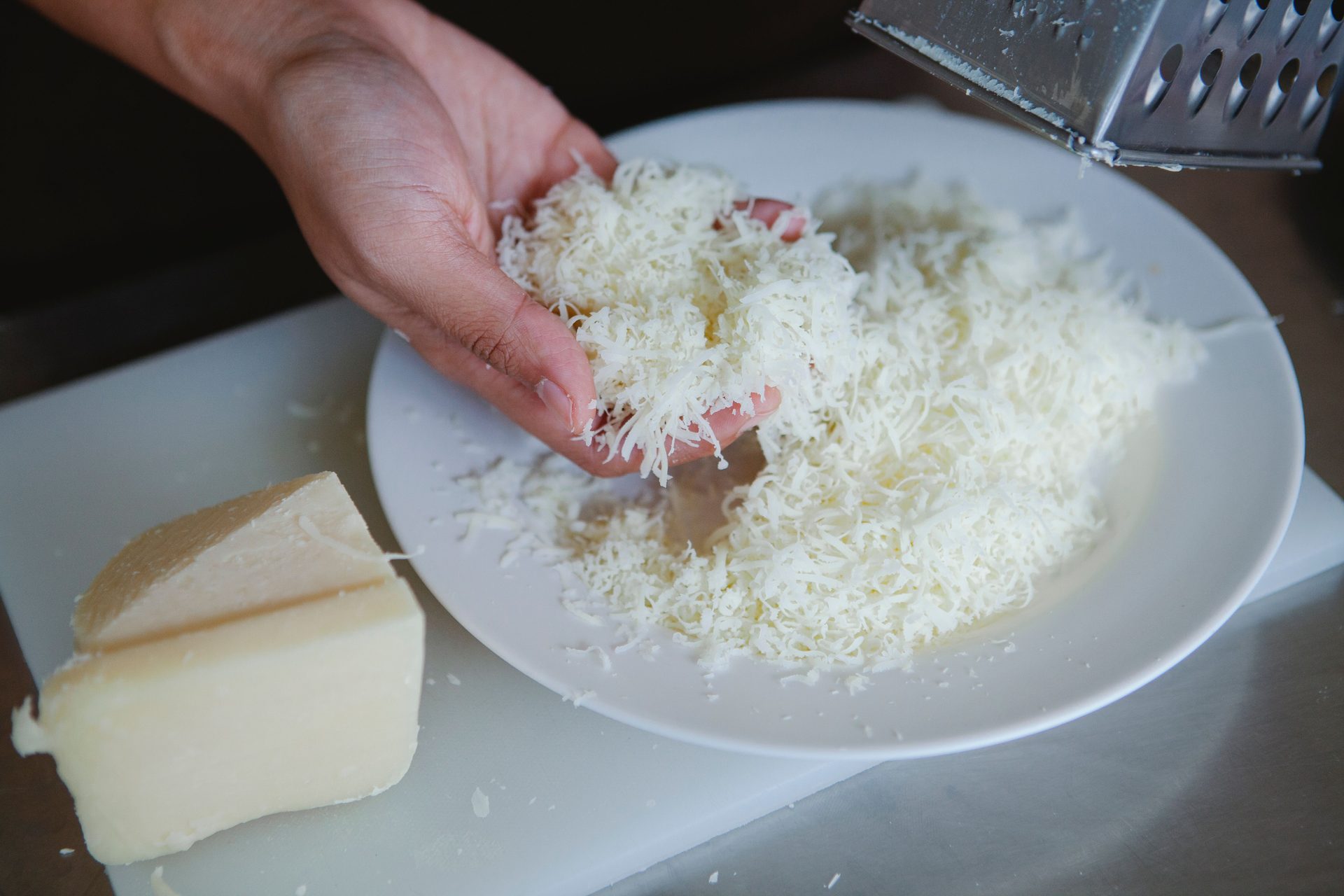
Grated cheddar is one of the most versatile cheeses in any American kitchen — it goes on tacos, nachos, casseroles, pasta bakes, and scrambled eggs. But what happens when you buy a big bag on sale, or shred a block yourself and can’t use it all before it starts to turn? Freezing is a practical solution that most home cooks overlook.
The short answer is yes — you can absolutely freeze grated cheddar cheese. Cheddar is a hard cheese with relatively low moisture, which means it holds up to freezing far better than soft cheeses like ricotta or Brie. There are a few trade-offs to know about before you toss that bag in the freezer, and this guide walks you through all of them.
Can You Freeze Grated Cheddar Cheese?
Both block and grated cheddar freeze well. Freezing shredded cheddar cheese is a common practice for many people who want to extend its shelf life, and it is perfectly safe to do. When done correctly, freezing doesn’t pose any health risks.
Hard cheeses tend to freeze well because they contain very little moisture, meaning there’s not much in the cheese that will expand upon freezing and damage the cell walls. This is exactly why cheddar — whether you shredded it yourself from a block or bought it pre-bagged at the store — is such a good candidate for the freezer.
Shredded cheese both freezes and thaws the best compared to blocks or slices, making grated cheddar an especially smart choice for freezer storage. If you buy in bulk at Costco or Sam’s Club, or stock up when cheddar goes on sale at your local grocery store, freezing the extra is one of the easiest ways to stretch your grocery budget.
Pro Tip: If you shred your own cheddar from a block, toss it with 1 tablespoon of cornstarch per pound before freezing. This prevents the shreds from sticking together. Add the cornstarch to the bag, then combine the cheese and cornstarch by shaking in the sealed bag until it evenly covers all of the cheese shreds.
Does Freezing Change the Texture or Taste of Grated Cheddar Cheese?
Freezing does change cheddar’s texture — there’s no way around it. Freezing causes ice crystals to develop, disrupting the cheese’s structure. This may affect the texture and make it drier, more crumbly, and mealy. For grated cheese, this effect is less dramatic than it is for a block, because the shreds are already small and the texture change is less noticeable when the cheese melts into a dish.
Freezing shredded cheddar is a practical and safe way to extend its shelf life, but it does come with trade-offs in texture. While the flavor remains largely intact, the texture can become crumbly and less smooth, making it less suitable for fresh or uncooked applications.
On the flavor side, the news is mostly good. Freezing can alter the aroma, taste, and texture of cheese, but for standard cheddar the core flavor profile survives well. You may notice that the sharpness is slightly muted after thawing, but the cheese is still very much usable. The key takeaway: think of frozen cheese as your behind-the-scenes kitchen MVP — excellent for sauces, bakes, pizzas, and weeknight dinners. Just don’t expect it to headline a cheeseboard.
How to Freeze Grated Cheddar Cheese the Right Way
Proper packaging is everything when it comes to freezing grated cheddar. Exposure to air is the main enemy — it causes freezer burn and dries the cheese out faster than the cold ever would. Follow these steps for the best results.
- Portion it out. Scoop the grated cheese into 2-cup portions in quart-size freezer bags. Flatten the bags slightly for easier storage. Smaller portions mean you only thaw what you need.
- Remove all the air. Press as much air as possible out of each bag before sealing. Place the wrapped cheese in an airtight ziplock bag or container. This is essential to prevent dry air from getting into the cheese and causing freezer burn.
- Double-bag for long storage. Place the smaller bags inside a large gallon freezer bag to double-bag and prevent freezer burn. This extra layer makes a real difference if you plan to store the cheese for more than a month or two.
- Label with the date. Divide the cheese into sealed freezer bags, remove excess air, and date and label. You’ll thank yourself later when you’re digging through a full freezer.
- Freeze quickly. Freeze the cheese as rapidly as possible to at least -9°F (-23°C) to prevent the formation of large, disruptive ice crystals. Use the quick freeze function on your freezer if it’s available.
Pro Tip: A 16 oz (1-pound) block of cheese is supposed to yield 4 cups shredded — but when you grate it yourself, you often get more volume and no artificial additives. Shredding your own is a great way to stretch your grocery budget.
How Long Can You Freeze Grated Cheddar Cheese?
Cheese can be frozen safely for up to six months, though most professionals recommend using it within 2–3 months for the best texture and flavor. After that window, the cheese is still technically safe to eat, but the quality — particularly the texture and meltability — will gradually decline.
| Storage Method | Estimated Shelf Life | Quality Notes |
|---|---|---|
| Refrigerator (opened bag) | 5–7 days | Best quality; use quickly after opening |
| Refrigerator (unopened bag) | Up to use-by date | Modified atmosphere packaging preserves freshness |
| Freezer (properly sealed) | Up to 6 months | Best quality within 2–3 months |
Block cheddar (opened) lasts 3 to 4 weeks refrigerated per USDA guidance. Shredded cheddar (opened) lasts only 5 to 7 days because the increased surface area means faster spoilage. If you know you won’t finish a bag within that window, freezing it right away — before it has a chance to degrade — gives you the best frozen result.
How to Thaw Frozen Grated Cheddar Cheese
How you thaw frozen cheddar matters almost as much as how you freeze it. The goal is to let the moisture redistribute slowly so the cheese doesn’t end up soggy or separated.
Refrigerator thawing (best method): Place frozen cheese in the fridge for 24–48 hours. Slow thawing helps retain moisture and structure. Once thawed, use the cheese within a few days and don’t let it sit.
Microwave thawing (quick option): Thaw for 2.5–3 hours at room temperature, or defrost in 30–45 second intervals on low power. This works best for shredded cheese headed straight into a recipe.
Straight from the freezer (easiest option): Shredded cheese for pizza toppings or cooking can be added straight out of the bag without thawing. This is the most convenient method for weeknight cooking — just sprinkle the frozen shreds directly onto your dish before it goes in the oven or onto the stovetop.
Pro Tip: When you want to use the cheese, transfer it to the refrigerator to thaw and then use it up as quickly as possible. Thawing it slowly is important because it allows the moisture to be reabsorbed into the cheese.
Can You Refreeze Grated Cheddar Cheese After Thawing?
Technically, you can refreeze cheddar that was thawed in the refrigerator, but the quality hit is significant enough that it’s worth avoiding when possible. While refreezing shredded cheddar cheese is possible, there are limitations to keep in mind. One of the biggest drawbacks is its impact on texture. Shredded cheese tends to become much drier and crumbly after being frozen and thawed — especially shredded cheeses, which have a greater surface area and more exposure to the freezing process.
Freezing and thawing can cause a mild loss in flavor intensity. While cheddar cheese is fairly resilient, repeated freezing can result in the cheese becoming bland, and in some cases, it may develop a stale taste. For that reason, do not refreeze cheese once it has been thawed, as this can degrade its quality further and increase the risk of bacterial growth.
The best way to avoid the refreezing problem altogether is to freeze grated cheddar in small, single-use portions. That way, you only pull out exactly what you need for a given recipe, and nothing goes to waste.
How to Use Frozen Grated Cheddar Cheese (Best Uses After Freezing)
Frozen cheddar cheese works wonderfully in cooked dishes where the slight change in texture won’t be as noticeable, such as in casseroles, sauces, or melted on pizzas. The heat of cooking masks any textural changes, so most people won’t notice a difference at all.
Here are the best ways to put your thawed or straight-from-frozen grated cheddar to work:
- Mac and cheese: Thawed cheddar is slightly crumbly — ideal for mac and cheese, grilled cheese, or baking.
- Pizza and flatbreads: Sprinkle frozen shreds directly onto pizza before baking. They melt perfectly without any thawing needed.
- Tacos and nachos: Add to a hot skillet or broil nachos in the oven — the heat does all the work.
- Soups and chili: Because freezing can compromise cheese’s texture, it’s best not to eat it raw. Instead, use it in dishes you’ll cook like soups, sauces, or casseroles.
- Egg dishes: Stir into scrambled eggs, omelets, or quiche fillings where the cheese melts fully.
- Baked goods: Fold into biscuits, cornbread, or savory muffins for a cheesy boost.
What frozen grated cheddar is not ideal for: cold cheese plates, sandwich toppings where you want a smooth, fresh bite, or any dish where the cheese is the star at room temperature. For those uses, fresh refrigerated cheddar is the better call. If you’re interested in how diet and nutrition intersect with the foods you eat regularly, our guide to superfoods for a healthy heart covers dairy and other nutrient-dense options worth knowing about.
Signs That Frozen Grated Cheddar Cheese Has Gone Bad
Freezing slows spoilage but doesn’t stop it entirely. You should still check your frozen cheddar before using it, especially if it’s been in the freezer for several months.
Signs that shredded cheddar cheese has gone bad include mold growth, a sour or off smell, discoloration, and an overly slimy texture. Here’s what to look for specifically:
- Mold: Mold on shredded or sliced cheddar means you should discard the entire package immediately. Unlike a block of cheddar where you can cut around a small mold spot, shredded cheese can’t be partially salvaged.
- Off smell: Fresh cheddar has a pleasant, milky, sharp aroma that varies by age. A strong ammonia-like odor, or a chemical smell, indicates significant bacterial or mold activity. Discard it.
- Freezer burn: Grayish-white dry patches on the surface of the shreds indicate freezer burn. The cheese is still technically safe to eat, but the flavor and texture will be noticeably worse. It’s best used only in strongly flavored cooked dishes.
- Slimy or wet texture after thawing: Cheddar should feel dry and firm to slightly waxy. A slimy or slick surface coating is a clear sign of bacterial growth. Discard immediately.
- Significant discoloration: Some slight color variation in aged cheddar is normal. Significant browning, grayish patches, or dark discoloration not from natural aging indicate spoilage.
Important Note: White powder on shreds is NOT mold. It is cellulose powder or potato starch, a safe anti-caking agent added to prevent clumping in commercial pre-shredded bags. Don’t throw out perfectly good cheese over this.
Keeping your freezer at or below 0°F is also important. Ensure the freezer is at 0°F or below for safe long-term cheese storage. A freezer that fluctuates in temperature speeds up quality loss and can compromise food safety over time. For more guidance on foods and how they affect your body, explore our resource on foods that can help enhance your liver function.
Frequently Asked Questions
Can you freeze store-bought pre-shredded cheddar in the original bag?
Shredded cheese can be frozen in its original packaging and thawed in the fridge. If the bag is still sealed and unopened, it goes straight into the freezer as-is. If you’ve already opened it, press out the air, reseal it tightly, and place it inside a second freezer bag for extra protection.
Does grated cheddar melt well after freezing?
Frozen cheeses may be less meltable when stored for a longer time. For example, mozzarella that has been frozen for 4 weeks melts to a lesser extent than mozzarella that has been frozen for 1 week. The same principle applies to cheddar — the sooner you use it after freezing, the better it melts. Cheese frozen for 2–3 months melts noticeably better than cheese that’s been frozen for 5–6 months.
Can you freeze homemade shredded cheddar?
Yes. Home-shredded cheese lasts the same 5 to 7 days in the fridge but without the mold inhibitors in commercial bags. That makes freezing home-shredded cheddar even more important if you’ve grated a large batch. Use the cornstarch trick mentioned above to prevent clumping.
How do you keep frozen shredded cheddar from clumping?
Two methods work well: toss the shreds with a tablespoon of cornstarch per pound before freezing, or flatten the bag into a thin layer so the shreds freeze in a sheet you can break apart easily. Flattening the bags slightly also makes for easier storage in a crowded freezer.
Is it safe to eat cheddar that’s been in the freezer for over 6 months?
Cheese can be kept frozen indefinitely, but for best quality, use the cheese within 6–9 months. Beyond that, the texture and flavor decline significantly — it may still be safe, but the eating experience won’t be great. Stick to the 2–3 month window for the best results, and 6 months as the outer limit.
Can you freeze cheddar cheese sauce or dishes made with cheddar?
Yes, most cooked dishes containing melted cheddar — like mac and cheese, enchiladas, or casseroles — freeze well. The cheese is already incorporated into the dish, so texture changes are less noticeable. Store in airtight containers and use within 2–3 months for best quality. For more ideas on nourishing foods to include in your meals, take a look at our overview of whole plant-based foods and how they pair with dairy in a balanced diet.