What to Serve With Kimchi: 15 Classic Korean Side Dishes for a Balanced Meal

November 27, 2026
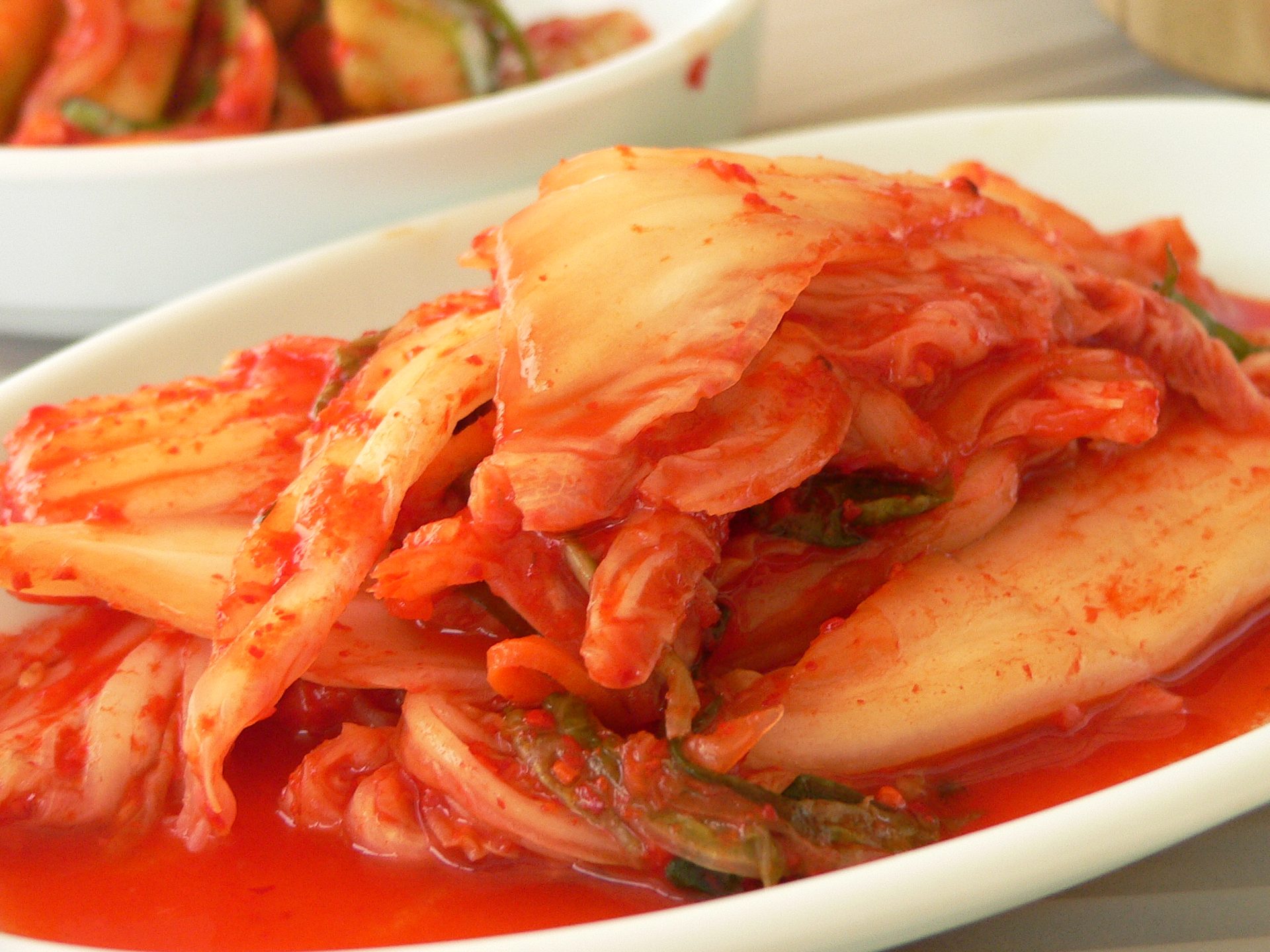
Kimchi rarely eats alone. Even though it’s punchy enough to finish straight from the jar, Korean households almost always set it down next to several other small plates at the same time. If you’re asking what to serve with kimchi for a real dinner rather than a quick snack, the short answer is: more than one dish, and usually something plain, something crunchy, and something warm.
In Korean meals, kimchi usually shares the table with rice and other banchan, such as garlic bean sprouts, spicy cucumber salad, and seasoned spinach. Those small plates balance kimchi’s tang and heat instead of competing with it, which is part of why a Korean dinner table looks so different from a typical American one. This guide walks through 15 classic sides, from plain rice to crispy pajeon, that work as a savory foundation for your own kimchi dinner.
Before you start cooking, here’s a quick look at all 15 dishes side by side so you can choose based on how much time you have and what you’re in the mood for.
| Side Dish | Flavor Profile | Ready In |
|---|---|---|
| Plain Steamed Rice | Mild, neutral | 20 minutes |
| Daikon Radish Salad | Crunchy, tangy | 15 minutes |
| Smashed Cucumber Salad | Garlicky, cool | 10 minutes |
| Spicy Edamame | Spicy, savory | 10 minutes |
| Garlic Bok Choy | Savory, mild | 10 minutes |
| Japchae | Sweet, savory | 35 minutes |
| Gyeran Mari | Mild, slightly sweet | 15 minutes |
| Korean Bean Sprout Salad | Nutty, light | 15 minutes |
| Spinach with Garlic | Earthy, savory | 10 minutes |
| Braised Tofu | Savory, slightly sweet | 25 minutes |
| Hobak Jeon | Mild, delicate | 20 minutes |
| Pajeon | Savory, crispy | 20 minutes |
| Steamed Tofu | Mild, silky | 10 minutes |
| Scrambled Eggs | Mild, comforting | 5 minutes |
| Dumplings | Savory, hearty | 20 minutes |
1. Plain Steamed Rice
Plain rice is the default pairing because it does nothing to compete with kimchi for attention. A pot of short-grain white rice, or brown rice if you want more fiber, gives your palate a break between bites of spicy, fermented cabbage. Kimchi’s bold flavor works best next to plain-tasting foods like rice, pasta, or potatoes, which is why rice is the most common pairing.
If you’re still working out what to serve with kimchi for a bigger dinner, start by cooking extra rice. Several dishes further down this list, like japchae and braised tofu, taste even better spooned over a warm bowl with a little sauce soaking in.
2. Daikon Radish Salad
Daikon radish salad, often called musaengchae, brings a crunchy, lightly sweet-and-sour contrast to kimchi’s deeper funk. Thin matchsticks of daikon get tossed with vinegar, sugar, garlic, and a pinch of gochugaru for color, then left to sit for a few minutes so the flavors settle. Daikon radish pickles are a traditional Korean side made by salting and fermenting the radish until it turns crunchy, lightly sweet, and tangy.
Pro Tip: Shred the daikon in seconds with the grating attachment on a food processor instead of hand-cutting matchsticks. It’s faster and keeps every piece the same size.
3. Smashed Cucumber Salad
Smashed cucumber salad, or oi muchim, is built for speed. You crush English or Persian cucumbers with the flat side of a knife or a rolling pin so they soak up a garlic-sesame dressing faster than sliced cucumber would. The cooling crunch is a natural match for kimchi’s heat, and it sits just as comfortably next to grilled fish like ahi tuna as it does next to a full Korean spread.
4. Spicy Edamame
Spicy edamame isn’t a traditional banchan, but it has become a popular starter at Korean-American restaurants for good reason. Steamed edamame pods get tossed in sesame oil, gochugaru, and a pinch of salt while they’re still hot, so the seasoning clings to the shells. It’s finger food, which makes it an easy add-on if you’re also setting out seafood-heavy dishes like a shrimp boil for a bigger spread.
5. Garlic Bok Choy
Garlic bok choy is a fast vegetable side that rounds out the plate without adding much heat of its own. Baby bok choy halves get a quick sear in a hot pan with garlic, a splash of soy sauce, and a drizzle of sesame oil until the leaves wilt and the stems stay crisp. It’s one of the simplest ways to get a green vegetable onto a kimchi-centered dinner table in under 10 minutes.
6. Japchae
Japchae is the dish most Americans already recognize from Korean restaurant menus: glossy, chewy sweet potato starch noodles stir-fried with vegetables and thin strips of beef. Japchae is a banchan of stir-fried sweet potato glass noodles mixed with thin strips of beef, carrots, onions, mushrooms, and spinach in a savory sauce. The noodles carry enough sweetness from the soy-sesame sauce to stand up to kimchi without clashing.
Key Insight: Japchae happens to be one of the few Korean side dishes that starts with the letter J. If you enjoy food trivia, it’s worth a look at other foods that start with J.
7. Gyeran Mari
Gyeran mari is a rolled omelet sliced into pinwheels, and it’s one of the easiest ways to add protein to a kimchi dinner without standing at the stove for long. Egg roll omelet is often one of the first Korean dishes beginners learn to cook, since it comes together quickly and pairs with almost anything on the table. Add finely chopped carrot, scallion, or seaweed to the egg mixture before rolling for extra color and crunch in every slice.
8. Korean Bean Sprout Salad
Korean bean sprout salad, known as kongnamul muchim, is blanched soybean sprouts tossed with sesame oil, garlic, and a little salt. It’s one of the lightest banchan on this list, which makes it a good counterweight if you’re also serving something richer, like braised tofu or japchae. Leftovers keep well in the fridge for a few days, so it’s worth making a full batch at once.
9. Spinach with Garlic
Spinach with garlic, or sigeumchi namul, is blanched spinach squeezed dry and seasoned with garlic, sesame oil, and soy sauce. It takes less than 10 minutes start to finish and adds a dark green, slightly nutty side to the table.
Important Note: Leafy green banchan like this one often fit into general heart-conscious eating patterns, but sodium and fermented foods both need attention if you’re managing a specific condition. If that applies to you, it’s worth reading up on foods to eat and avoid with coronary heart disease and talking with your doctor or dietitian before making changes.
10. Braised Tofu
Braised tofu, or dubu jorim, gets simmered in a soy-based sauce until it turns a deep golden brown and soaks up all the savory, slightly sweet flavor. Dubu jorim is the Korean name for braised tofu. The firm texture holds up well next to kimchi, and it reheats nicely if you want to make a batch ahead for the week.
11. Hobak Jeon
Hobak jeon are thin rounds of zucchini dipped in egg and lightly pan-fried until golden on both sides. Thin zucchini slices dipped in flour and egg, then pan-fried, turn this often-overlooked vegetable into a delicate, crispy fritter. They’re best served warm, right out of the pan, with a small dish of soy sauce for dipping.
12. Pajeon
Pajeon is a scallion pancake with a crisp edge and a soft, chewy center, and it’s substantial enough to anchor a whole meal on its own. Cut it into wedges and set it in the middle of the table the way you might put out a platter of loaded nachos for a casual, shareable spread. Dip each piece in a soy-vinegar sauce to cut through the richness.
If you’re still deciding what to serve with kimchi for a weekend gathering, pajeon is a reliable dish to build the rest of the menu around.
13. Steamed Tofu
Steamed tofu is the plainest dish on this list on purpose. A block of soft or silken tofu gets warmed through and served with nothing more than a drizzle of soy sauce, sesame oil, and a few sliced scallions, which gives your palate somewhere quiet to land between bites of kimchi.
14. Scrambled Eggs
Simple scrambled eggs, lightly salted and cooked soft, are a common breakfast-table pairing for kimchi in Korean households, especially for kids who aren’t ready for spicier banchan. If you’re setting up more of a party spread instead of a weeknight dinner, deviled eggs make an easy swap that still keeps an egg dish on the table while adding a little tang of their own.
15. Dumplings
Mandu, or Korean dumplings, can be steamed, boiled, or pan-fried, and all three versions pair well with kimchi’s tang cutting through the rich pork or vegetable filling. They’re closer in spirit to meat empanadas than to thin-wrapped Chinese dumplings, which makes them filling enough to serve as a light meal on their own.
Store-bought frozen dumplings are a reasonable shortcut on a busy night. Convenience food doesn’t have to mean a step down in flavor if you pan-fry them until the bottoms turn crisp and serve them next to good kimchi.
You don’t need all 15 of these dishes on the table at once. Most Korean home meals get by with three to five banchan plus rice, so pick two or three that balance each other rather than trying to make everything in one night.
- Pair one crunchy, raw side, such as daikon or cucumber salad, with one warm, cooked side, such as bok choy or spinach
- Add one protein-forward dish, like gyeran mari, braised tofu, or dumplings, to round out the meal
- Keep at least one plain starch, like rice, on the table to reset your palate between bites
Start with two or three of these sides the next time you open a jar of kimchi, then build from there as you figure out which combinations you reach for again and again.