
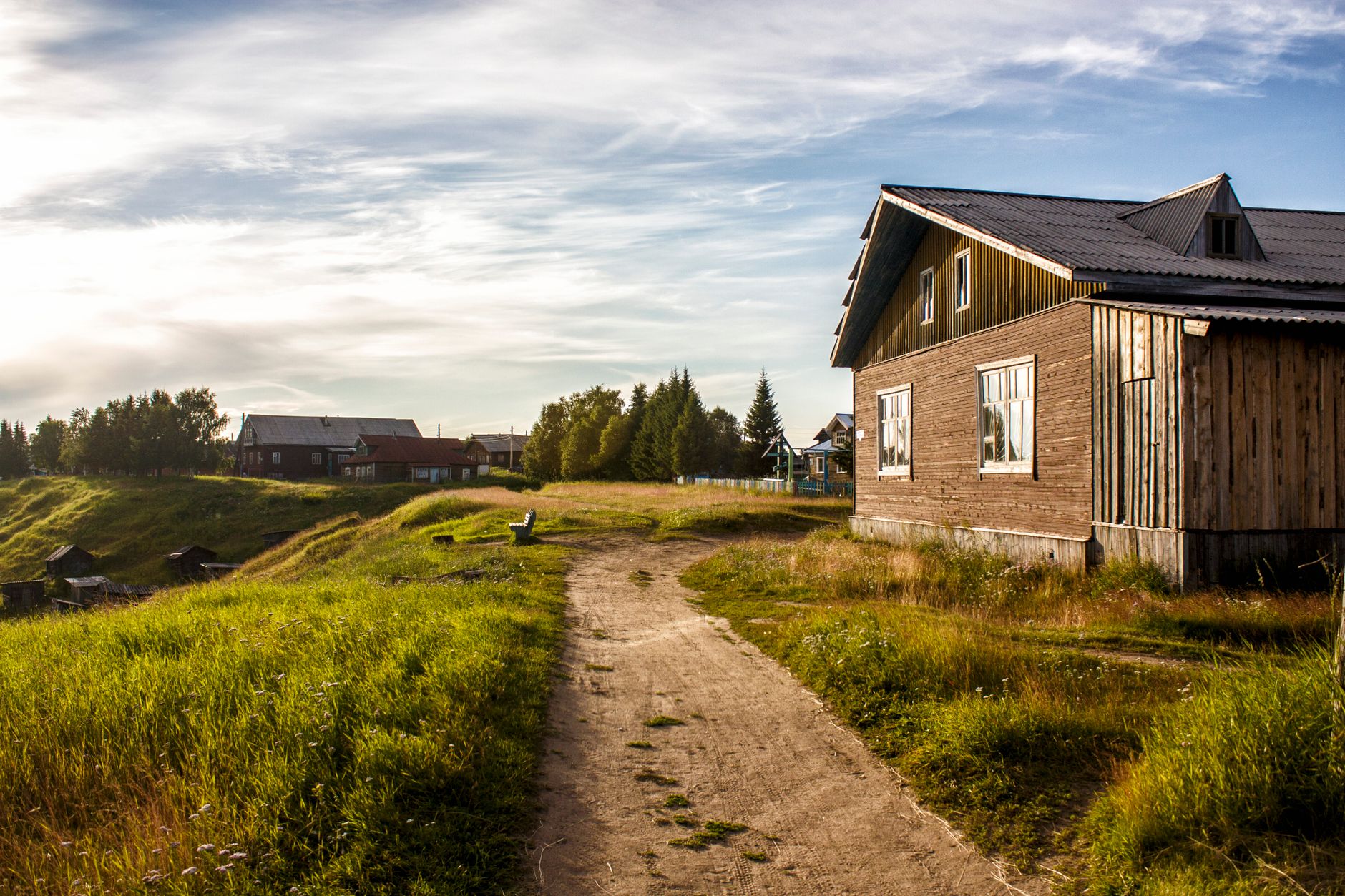
Building a house in Duluth, Minnesota is one of the most significant financial decisions you will ever make — and the costs here are shaped by factors you won’t find anywhere else in the state. From the city’s dramatic hillside topography to its extreme winters and higher-than-average permit fees, Duluth has its own set of rules when it comes to new home construction.
Whether you’re dreaming of a lakeside retreat near Canal Park or a family home in the hillside neighborhoods, understanding the true cost to build a house in Duluth, MN — from the land under your feet to the final coat of paint — will help you plan smarter and avoid expensive surprises.
Average Cost to Build a House in Duluth, MN
The cost to build a house in Duluth, Minnesota ranges from $140 to $260 per square foot depending on the grade of construction you choose, not including the cost of sitework or land. For a typical 2,000-square-foot home, that puts your construction-only budget somewhere between $280,000 and $520,000 before you factor in land, permits, and site preparation.
The average cost to build a house in Minnesota more broadly is $380,000 to $750,000 for a builder-grade home, or $750,000 and up for a custom home, not including the cost of land and site prep. Duluth tends to sit toward the higher end of regional benchmarks due to its unique geographic and regulatory environment.
Key Insight: Duluth’s hilly terrain, harsh winters, and above-average permit costs make it one of the more expensive places to build in greater Minnesota — even compared to similarly sized cities in the state.
New homes are not only in short supply in Duluth — they’re also relatively expensive when compared to other cities in greater Minnesota. A review of home sales revealed the average price of a newly constructed home topped $301,000 — the highest of any comparable city in one regional study. Keep in mind that figure reflects an older data snapshot; today’s construction costs are substantially higher due to inflation and rising labor costs.
Developers have reported increased costs for materials and labor, along with a slowdown in multifamily projects. Although custom homes differ from large-scale developments, they rely on the same workforce and supply chains. As a result, custom build budgets remain higher than pre-2020 levels, driven by market competition, inflationary pressure, and regional demand for skilled trades.
Cost to Build a House Per Square Foot in Duluth, MN
The per-square-foot cost is the most useful starting point for budgeting a new home in Duluth. Your actual number depends heavily on the grade of finishes, the complexity of your design, and the specific site conditions of your lot.
| Construction Grade | Cost Per Square Foot | Estimated Cost (2,000 sq ft) |
|---|---|---|
| Standard Grade | $140 – $170 | $280,000 – $340,000 |
| Premium Grade | $170 – $210 | $340,000 – $420,000 |
| Luxury Grade | $210 – $260 | $420,000 – $520,000 |
| Custom / High-End (MN) | $250 – $400+ | $500,000 – $800,000+ |
Standard grade construction in Duluth runs $140 to $170 per square foot, premium grade runs $170 to $210 per square foot, and luxury grade construction runs $210 to $260 per square foot.
In 2025, the average price to build a house in Minnesota ranges between $250 and $400 per square foot, depending on design complexity, labor costs, and material costs. The total project cost for a single-family home can vary significantly based on land purchase, permit costs, and local regulations.
For fully custom or architect-driven homes in Duluth, a starter or mid-range build in Minnesota runs $230 to $375 per square foot with quality finishes and standard weatherproofing, while custom and luxury builds run $450 to $700 or more per square foot for high-end millwork, smart technology, and premium insulation.
Pro Tip: The per-square-foot estimates above cover construction only. Always get a site-specific builder estimate that accounts for your lot’s soil type, slope, and utility access before finalizing your home size and budget.
Cost Breakdown: What You’re Actually Paying For in Duluth, MN
A per-square-foot number only tells part of the story. Here is what drives the total cost of building a house in Duluth, broken down by major category.
Site Preparation and Grading
Site prep and grading in Minnesota typically runs $40,000 to $70,000 and includes clearing, soil testing, and complex drainage systems required for the state’s clay-heavy or sandy soils. In Duluth specifically, hillside lots often require additional excavation and retaining work that pushes these costs higher.
Foundation
Building a foundation costs $25,000 to $60,000, with higher-than-average costs due to Minnesota’s deep frost line, which is typically 42 to 60 inches deep. A foundation with proper insulation and waterproofing is essential for Minnesota’s climate. Due to Duluth’s topography, many homes feature more expensive designs such as split-level houses with walk-out basements built into a hill. In cities with flatter terrain, many homes are built atop a concrete slab installed on grade — making for more economical construction.
Framing
The cost to frame a house is $12 to $35 per square foot, or $35,000 to $85,000 total for a typical house including roof trusses. Additional structural requirements for Minnesota’s snow loads can increase framing costs.
Roofing
A new roof costs $10,000 to $25,000 total, or around $4 to $7 or more per square foot depending on the material. Asphalt shingles are popular but must be rated for Minnesota’s climate. Premium materials like metal roofing, which performs well in snow conditions, cost $10 to $30 or more per square foot.
Exterior and Siding
House siding costs $12,000 to $45,000 or more installed, depending on the material and quality. Vinyl siding is common, while fiber cement and engineered wood products offer better durability for Minnesota’s climate.
Mechanical Systems (HVAC, Plumbing, Electrical)
The average cost to wire a new house is $15,000 to $25,000 total for a typical home. Minnesota’s cold climate often requires additional circuits for heating systems and snow-melting equipment. Rough-in plumbing for a new house costs $15,000 to $28,000, with additional considerations for freeze protection. Fixture installation adds $450 to $1,800 per fixture. An HVAC system costs $10,000 to $20,000 or more, with higher costs reflecting the need for a robust heating system to handle Minnesota’s harsh winters.
Interior Finishes
Interior finishes make up a large portion of the total construction cost, and prices vary widely depending on the quality and materials you choose. This category includes cabinets, countertops, flooring, painting, and lighting fixtures. Cabinets cost $150 to $500 per linear foot or $4,500 to $15,000 or more total. New countertops cost $50 to $150 per square foot installed. Flooring costs $4 to $15 per square foot on average, or $8,000 to $30,000 total with installation.
Permits and Fees
The plan review fee in Duluth covers expenses related to the review of your building plans and is set at 65% of your building permit fee. A state surcharge fee is added to all projects and is collected by the State of Minnesota for all projects covered under the Minnesota State Building Code. The cost of a plumbing permit in Duluth is a $100 flat fee. Electrical permits are required for any electrical wiring, service panel upgrades, or low-voltage system installs, and also carry a $100 flat fee. For a full new-home build, your total permit costs — including building, plumbing, electrical, HVAC, and state surcharges — can easily reach $5,000 to $15,000 or more depending on the project valuation.
Important Note: In Duluth, each trade (HVAC, plumbing, electrical, erosion control) requires a separate permit with its own fee. Budget for multiple permit costs, not just a single building permit.
Cost of Land in Duluth, MN
Land is one of the most variable line items in your budget, and Duluth’s geography plays a direct role in how lots are priced. Urban and suburban buildable lots are highly variable and can range from $25,000 to $300,000 or more depending on location, size, and entitlement. City land programs sometimes list infill lots under $20,000, while desirable neighborhoods can exceed $200,000.
Most new homes in Duluth are built on relatively large lots, which skews prices upward. Out of 35 new local home sales used in one study, only four were built on lots of less than one-third of an acre. Lots in other markets were generally smaller and therefore often less expensive.
For context on statewide land pricing, the average price per acre in Minnesota is around $47,400, though this depends on the size and location of the land. Waterfront and hillside lots in Duluth — particularly those with Lake Superior views — command significant premiums above that statewide average.
When building a custom home, the cost of land plays a crucial role in determining the overall budget. Prices vary widely depending on location; land in a desirable, well-developed neighborhood often commands a premium due to its proximity to amenities, schools, and other attractions. In contrast, purchasing land in a remote or undeveloped area may come at a lower initial price but can quickly become costly if the terrain poses challenges such as steep slopes, dense vegetation, or inaccessible areas.
Once you have your land, you’ll also need to budget for preparation. You must clear and level the land before construction begins. This can cost anywhere between $1,500 and $3,000 for straightforward lots — though Duluth’s hillside terrain can push site prep costs considerably higher, as noted in the cost breakdown section above.
Pro Tip: Lock in your lot first and then get a site-specific builder estimate that accounts for soil conditions, topography, and utility access. Surprises on the land side can swing your total budget by five figures or more.
Factors That Affect Building Costs in Duluth, MN
Several Duluth-specific factors push construction costs above what you might pay in other parts of Minnesota or the country. Understanding these variables helps you set a realistic budget from the start.
- Topography and Hillside Construction: Duluth’s signature hillside landscape is one of the biggest cost drivers. Walk-out basements, split-level designs, and extra excavation work are common requirements that add significantly to your foundation and site prep budget compared to building on flat ground.
- Cold-Climate Requirements: Minnesota is located in climate zones 6 and 7 — the coldest zones in the U.S. — and new homes need insulation with the highest R-values. This means thicker walls, more insulation material, and higher-performance windows are non-negotiable in Duluth.
- Frost Line Depth: In Minnesota, the foundation focus is on full basements with deep footings to get below the 42-inch frost line. This requirement adds excavation depth and concrete volume compared to warmer-climate builds.
- Snow Load Structural Requirements: Duluth’s heavy snowfall means roofs and structural framing must be engineered to handle significant snow loads, adding to both material and engineering costs.
- Labor Costs: The expense of materials in Duluth appears to be in line with peer communities, but Duluth’s labor costs are a bit on the high side. Skilled trades remain in demand throughout northern Minnesota, and that competition keeps labor rates elevated.
- Home Size and Design Complexity: The size and design complexity of a custom home are significant drivers of cost, as they determine the amount of materials, labor, and expertise needed. Square footage directly impacts costs since larger homes require more building materials such as lumber, concrete, and drywall, as well as a greater amount of labor.
- Permit and Fee Structure: Duluth’s permit fees are on the higher end compared to many peer cities in Minnesota. The plan review fee is equal to 65% of the permit fee, and each separate permit for your project — including HVAC, plumbing, and erosion control — carries separate fees.
- Material Supply Chain: Duluth’s location in northeastern Minnesota means some materials and specialty contractors travel farther to reach job sites, which can add to delivery and mobilization costs.
Building vs. Buying a House in Duluth, MN
Before committing to a new build, it’s worth weighing it against the option of purchasing an existing home in Duluth. Both paths have real financial and lifestyle trade-offs.
| Factor | Building New | Buying Existing |
|---|---|---|
| Upfront Cost | Higher — land + construction + permits | Lower in many cases |
| Customization | Full control over layout and finishes | Limited without renovation |
| Timeline | 9–12+ months to complete | 30–60 days to close |
| Energy Efficiency | Built to current code; lower utility bills | Older homes may need upgrades |
| Maintenance | Minimal short-term; everything is new | Potential for immediate repairs |
| Warranty | Builder warranty on new construction | No warranty on existing systems |
Buying is usually a faster and cheaper option than building. While new homes take 9 to 12 months to complete, homes for sale in Minnesota close in just one to two months, with more listings and lower prices.
When buying an existing home, there are no expenses for land, permits, or extensive site preparation. Additionally, newer homes often come with modern finishes and features included, saving the buyer from customization costs that drive up construction expenses. In many cases, buying provides predictable pricing and a quicker move-in timeline, avoiding the extended wait and potential additional costs associated with building from scratch.
That said, building has distinct long-term advantages. Building a new home offers total customization, superior energy efficiency, and modern amenities. It is a strong long-term investment, but the building process takes more time. In Duluth’s cold climate, a new home built to current energy codes can mean meaningfully lower heating bills every winter for decades to come. If you’re exploring housing costs in other markets as a comparison point, you can also review apartment costs in Michigan or check out what apartments cost in Ohio to understand broader Midwest housing market dynamics.
Key Insight: If you want a move-in-ready home quickly and cost is your top concern, buying existing often wins in Duluth’s current market. If long-term energy efficiency, a custom layout, or a specific location matters most, building may justify the higher upfront cost.
The average time to build a home in Minnesota typically falls within a range of 6 to 12 months. However, this timeline can be influenced by numerous factors including the size and complexity of the home, the availability of labor and materials, weather conditions, and the permitting process in the local area. Custom homes or those with unique architectural designs may take longer to complete, while smaller, pre-designed homes may be finished more quickly.
How to Save Money When Building a House in Duluth, MN
Building in Duluth doesn’t have to mean blowing your budget. There are several practical strategies that can bring your total cost down without sacrificing quality or livability.
Choose a Simpler Floor Plan
The shape of the house also determines the cost of building your home. Rectangular, two-story homes are believed to be the most economical to construct. So if you are on a tight budget, you may want to choose this type of new home. Avoiding complex rooflines, bump-outs, and irregular angles reduces both material waste and labor hours.
Use a Builder’s Pre-Designed Plans
Choosing a local builder and selecting from their preset plans offers the simplest route to building a new house. It eliminates the need to hire an architect, saving both time and money, and the builder’s familiarity with previous projects often results in greater cost efficiency. This is especially useful if you don’t have highly specific design requirements. If you’re also considering other housing options while you plan, it may help to compare costs in nearby markets — for instance, reviewing apartment costs in Minnesota can help you understand your alternatives while your build is underway. You might also find it useful to look at apartment costs in Idaho or apartment costs in North Carolina if you’re comparing regional housing markets.
Time Your Build Strategically
The time of year you want to build matters — especially in regions where the weather fluctuates. If you can, aim to start building out of season. In Duluth, starting your project in late winter or early spring allows your builder to hit peak productivity during the warmer months, potentially reducing delays caused by weather.
Select Your Lot Carefully
A flat or gently sloping lot in Duluth will almost always cost less to build on than a steep hillside parcel. Before purchasing land, have a contractor walk the site and estimate site prep costs. Waterfront views are appealing, but shoreland regulations in Duluth can add permit complexity and cost. You can explore greenhouse construction costs as a reference point for understanding how site conditions affect any type of structure build.
Get Multiple Bids
When you compare estimates, make sure that the Duluth home builders possess a current construction license or registration and that insurance covers them. Make a comparison of the critical points detailed on the estimates. If almost everything is similar, select the lowest estimate if you believe the home builder will supply you with a superior level of quality and service.
Prioritize Energy Efficiency Upfront
Spending more on insulation, triple-pane windows, and a high-efficiency HVAC system during construction costs less than upgrading later — and in Duluth’s climate, the utility savings compound every year. New custom homes give you control over layout, energy efficiency, and style, often saving money in the long run.
Understand What’s Included in Your Quote
Land costs, land preparation, and permit costs are usually separate from home construction quotes. These expenses can vary depending on location and building codes. Always ask your builder for an itemized breakdown so you know exactly what is — and isn’t — covered in the per-square-foot price you’re quoted.
Common Mistake: Many builders in Duluth quote a per-square-foot price that excludes land, site prep, permits, and utility hookups. Add 20–30% to your construction quote to estimate a more realistic all-in budget before you commit.
Building a house in Duluth, MN is a significant investment shaped by the city’s geography, climate, and regulatory environment. By understanding what drives costs — from frost-line foundations to hillside site prep — and using smart strategies to manage your budget, you can make informed decisions at every stage of your project. Whether you’re comparing neighborhoods, choosing a builder, or deciding between building and buying, the numbers in this guide give you a solid foundation to start from. For more housing cost comparisons across different markets, explore resources on Seattle apartment costs, Miami apartment costs, or Washington DC apartment costs to see how Duluth fits into the broader national housing picture.