What to Serve with Lamb Kebabs: 15 Mediterranean Sides for a Complete Feast

November 24, 2026
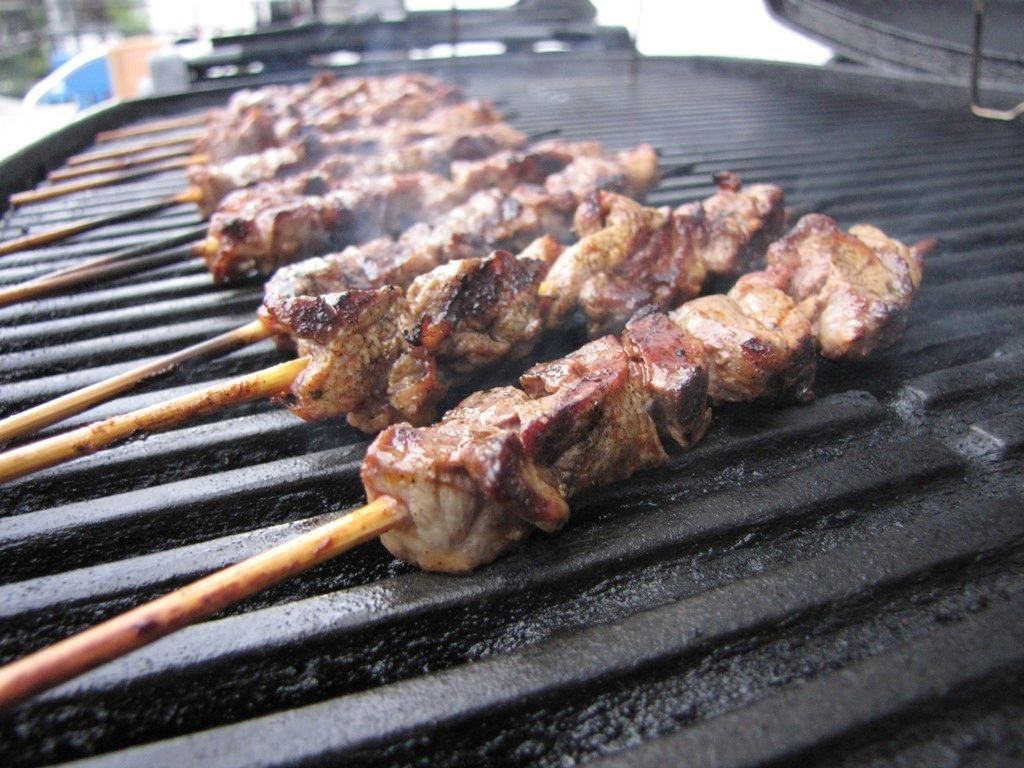
Figuring out what to serve with lamb kebabs comes down to one simple idea: balance. Lamb has a deep, savory richness that practically demands something cool, tangy, or crunchy to cut through it, and that’s exactly what the Mediterranean and Middle Eastern table does best. Think of a platter loaded with cooling dips, bright herb salads, warm bread, and a hearty grain or two, and you have the makings of a proper savory meal that feels complete rather than one-note.
Whether you’re grilling skewers for a backyard dinner or building a full mezze spread for guests, the 15 sides below cover every category you need: dips for scooping, salads for freshness, bread for wrapping, and grains or potatoes for substance. Mix and match three or four, or go all out and set up a full table.
Important Note: The USDA recommends cooking lamb to an internal temperature of 145 degrees with a 3 minute rest before serving, so keep a meat thermometer handy while your skewers are on the grill.
| Side Dish | Type | Flavor Profile | Best Paired With |
|---|---|---|---|
| Tzatziki | Dip | Cool, tangy, herby | Pita, grilled veggies |
| Shirazi Salad | Salad | Bright, citrusy | Rice, grilled meats |
| Hummus | Dip | Creamy, nutty | Pita, raw veggies |
| Baba Ganoush | Dip | Smoky, earthy | Pita, lavash |
| Pita Bread | Bread | Soft, neutral | Dips, wraps |
| Greek Salad | Salad | Salty, briny | Rice, couscous |
| Couscous Salad | Grain | Light, herby | Grilled veggies |
| Tabbouleh | Salad | Fresh, lemony | Pita, hummus |
| Pickled Red Cabbage | Pickle | Tangy, crunchy | Rich dips, grains |
| Rice Pilaf | Grain | Nutty, buttery | Yogurt sauces |
| Lavash Bread | Bread | Thin, chewy | Wraps, dips |
| Haydari | Dip | Garlicky, herby | Lavash, pita |
| Smoky Aubergine Salad | Salad | Charred, tangy | Rice, bread |
| Sumac Onions | Garnish | Sharp, citrusy | Wraps, rice |
| Roasted Garlic Potatoes | Side | Garlicky, crisp | Yogurt dips |
1. Tzatziki
Tzatziki, a Greek yogurt-based sauce, is a must-try with lamb kebabs because its cool, tangy flavor complements the rich, gamey taste of the lamb, and the cucumber and mint bring a refreshing element to the plate. A good tzatziki only needs a handful of ingredients: thick yogurt, grated cucumber, garlic, lemon juice, and fresh dill or mint.
You can buy a decent tub at most grocery stores if you’re short on time, which makes it one of the easiest convenience food options on this list, but a homemade batch takes about ten minutes and tastes noticeably fresher.
Pro Tip: Grate the cucumber, then squeeze it in a clean towel to remove excess water. Skipping this step leaves you with watery, bland tzatziki instead of a thick, spoonable dip.
2. Shirazi Salad
This Persian salad shows up on almost every table across Iranian kebab houses for good reason. It’s a simple mix of finely diced cucumber, tomato, and red onion tossed with lime juice, dried mint, and a drizzle of olive oil. Shirazi salad appears on lists of sides built specifically around grilled lamb kebabs because its small dice and sharp acidity cut through fatty, smoky meat without competing for attention.
The key is cutting everything small and uniform so each bite carries a bit of crunch, tang, and herbal lift. Serve it chilled, straight from the fridge, for the best contrast against warm skewers.
3. Hummus
Hummus is built from mashed chickpeas (Cicer arietinum), tahini, lemon juice, garlic, and olive oil blended until silky smooth. Lamb kabobs pair well with hummus, white-bean hummus sprinkled with dukkah, or a little toum as a starting dip before anything else hits the table.
Getting that restaurant-smooth texture at home is easier with the right equipment. If you don’t own a dedicated blender, a food processor does the job well, breaking down the chickpeas into a creamy base in under two minutes.
- Peel the chickpeas for a smoother finish, even canned ones
- Add ice water gradually while blending to lighten the texture
- Finish with a swirl of olive oil and a pinch of paprika or sumac
4. Baba Ganoush
Baba ganoush starts with whole eggplant (Solanum melongena) charred directly over flame or roasted until the flesh collapses into something smoky and soft. This smoky eggplant dip blends charred eggplant with tahini, lemon, garlic, and olive oil for a creamy, tangy, and deeply savory result, which makes it a natural match for lamb’s own smokiness.
Unlike hummus, baba ganoush should keep a little texture rather than going perfectly smooth. Mash the eggplant by hand with a fork so small flecks of charred skin and flesh remain visible throughout the dip.
5. Pita Bread
Pita bread is the quintessential bread choice for lamb kebabs, warm and soft with a convenient pocket, and warming it on the grill for a minute makes it pliable with a hint of smokiness. Use it to scoop up dips, wrap pieces of lamb straight off the skewer, or just mop up any juices left on the plate.
If you’re making a big batch for a party, pita freezes beautifully. Wrap extra rounds in foil and freeze them flat; a quick reheat in a dry skillet brings them right back to life, which is handy if you’re already thinking about how to ship frozen food or store it for later gatherings.
6. Greek Salad
Greek salad brings chunky tomatoes, cucumber, red onion, green bell pepper, Kalamata olives, and a thick slab of feta tossed in olive oil and red wine vinegar. A simple green salad like Greek salad works as a great side dish alongside grilled kabobs because the briny olives and sharp feta stand up well to rich, charred meat.
This salad is versatile enough to show up at almost any grilled-meat dinner. If you enjoy building out full Mediterranean-style spreads, the same bright, briny profile works just as well alongside chicken piccata for a similar flavor contrast.
7. Couscous Salad
Couscous salad turns tiny steamed semolina pearls into a base for chopped vegetables, herbs, and a lemony dressing. Along with rice, couscous feta and red peppers can complete a meaty dish, and because it’s light, it won’t weigh down a plate that already has dips and bread on it.
Toss in diced cucumber, cherry tomatoes, red onion, and a handful of parsley or mint for color and crunch. This same light, grain-forward approach is also a common pairing choice for dishes like meat empanadas, where a fresh salad keeps a rich main course from feeling heavy.
8. Tabbouleh
Tabbouleh flips the usual grain-salad ratio: it’s mostly finely chopped parsley with just a small amount of bulgur wheat, tomato, mint, lemon juice, and olive oil. Vibrant salads like a zesty Tabbouleh salad are part of the classic pairings for lamb kebab, bringing a sharp, herbaceous bite that wakes up each forkful of meat.
Chop the parsley by hand rather than in a food processor; machine-chopped parsley turns mushy and releases too much liquid. This same bright, herb-forward style also pairs surprisingly well with lighter proteins, including the citrus-forward profile you’d find in a seared ahi tuna spread.
9. Pickled Red Cabbage
A jar of quick-pickled red cabbage adds crunch, color, and acidity that rich lamb skewers need. Pickled accompaniments like marinated onions and pickled turnips are a traditional complement to grilled lamb skewers, and shredded red cabbage fits right into that same tradition with a simple brine of vinegar, sugar, and salt.
Let it sit for at least an hour before serving so the color bleeds through and the cabbage softens slightly while keeping its bite. A small side of crunchy, acidic vegetables also rounds out a plate that’s heavy on red meat, which is worth keeping in mind if you’re tracking foods to balance with coronary heart disease in mind.
10. Rice Pilaf
Rice pilaf is a staple on nearly every kebab table across the Middle East and the Caucasus. A side of pilaf or a spiced Middle Eastern lentil rice goes wonderfully on theme with lamb kebabs, and the basic method is simple: toast the rice in butter or oil before adding broth, which keeps every grain separate and fluffy.
Dried fruit like raisins or barberries, toasted almonds, and a pinch of cinnamon or cumin turn a plain pilaf into something closer to a main-course side. This same hearty, buttery grain style also shows up frequently as a steakhouse pairing, not unlike what you’d find alongside A5 wagyu.
11. Lavash Bread
Lavash is a thin, soft flatbread popular across Turkey, Armenia, and the wider Caucasus region. Thin lavash bread is often served with lamb kebab meat specifically so you can pick it up and wrap it around the skewer, a style commonly called dürüm, catching all the juices as you eat.
Unlike thicker pita, lavash has almost no pocket, which makes it better suited for rolling rather than stuffing. Warm it briefly on a dry skillet or over the grill grates for ten to fifteen seconds per side so it stays pliable instead of cracking.
12. Haydari
Haydari is a thick Turkish yogurt dip made with strained yogurt, crushed garlic, fresh dill, and sometimes a crumble of feta mixed in. It’s denser than tzatziki since there’s no cucumber watering it down, which gives it a spreadable texture closer to labneh.
Spoon it onto warm lavash or pita, then drizzle a little olive oil and a dusting of dried mint or sumac over the top right before serving. If dip-forward spreads are your thing, this same loaded, garlicky approach shows up in the condiment lineup for chicken nachos as well.
13. Smoky Aubergine Salad
This is the chunkier, Turkish-style cousin of baba ganoush. Charred eggplant and bell peppers are combined with tomatoes, herbs, and spices, with olive oil, lemon juice, and sumac as key ingredients, giving the salad a smoky base with plenty of fresh vegetable texture mixed in rather than a fully pureed dip.
Char the eggplant and peppers directly over an open flame or under a broiler until the skins blister and blacken. Peel them once cooled, then chop everything by hand so the salad keeps some bite instead of turning into a paste.
14. Sumac Onions
Sumac onions are a staple garnish across Turkish and broader Middle Eastern cooking, made from thin red onion slices tossed with ground sumac (Rhus coriaria), lemon juice, and olive oil. This simple salad is rooted in Turkish cuisine and broader Middle Eastern cooking, where sumac is a cherished spice, and recipes vary while the base combination of raw onions, citrus, and olive oil stays constant.
Sumac onions are a classic side for kebabs, mangal-style Turkish barbecue, and dürüm wraps, and they come together in just a few minutes with almost no cooking involved.
Pro Tip: Soak the sliced onions in cold water for 10-20 minutes before dressing them. It pulls out some of the raw sharpness while keeping the crunch intact.
15. Roasted Garlic Potatoes
Crispy roasted potatoes tossed with garlic, lemon zest, and oregano bring a Greek-leaning finish to a lamb kebab spread. Roasted garlic potatoes appear consistently among the top side dishes recommended for lamb kebabs, likely because their crisp edges and soft centers give the plate some substance without competing with the meat’s flavor.
Parboil the potatoes briefly before roasting at a high temperature; this step guarantees a crackly, golden crust while the inside stays tender. If you’re a fan of rich, garlicky starches in general, the same comforting appeal carries over to pairings you’d see with alfredo.
Building the right spread for lamb kebabs really just means picking a handful of these categories: one creamy dip, one fresh salad, some bread, and a grain or potato to round things out. Start with tzatziki and pita if you want something simple on a weeknight, or set out all fifteen for a full mezze-style party table. However you build it, the goal stays the same: let the cool, bright, and crunchy sides do the work of balancing out that rich, smoky lamb. And if you’re planning a full menu, don’t forget dessert; a light angel food cake pairing makes an easy, refreshing finish after a savory, herb-heavy meal like this one.