Can You Freeze Pasta Bake? (Yes — Here’s How to Do It Right)

October 26, 2026
Pasta bake is one of those dishes that almost always produces more than you need. Whether you cooked a big tray for Sunday dinner or batch-prepped meals for the week, the question comes up fast: can you freeze pasta bake without ruining it?
The short answer is yes — and it’s one of the better dishes to keep in your freezer. Pasta bake, also known as baked pasta, is a casserole-style dish where cooked pasta is combined with sauce and other ingredients, topped with cheese, and baked until golden and bubbly. That hearty, sauce-heavy structure actually holds up well to freezing, as long as you follow a few key steps.
This guide walks you through everything: how to freeze it, how long it keeps, how to thaw it safely, and what to watch for before you eat it.
Can You Freeze Pasta Bake?
You can freeze cooked pasta bake and keep it in the freezer for around 2 to 4 months. In contrast, pasta bake lasts only about 4 to 5 days in the fridge. That’s a significant difference in shelf life, making the freezer a smart option whenever you’ve made more than you can eat in a few days.
You can freeze pasta bake for up to 4 months. You can either freeze a completed pasta bake in the dish you’re going to reheat it in, or you can freeze your pasta bake unassembled in component parts. Both approaches work — it just depends on how much time you have and how you plan to use it later.
The problem with freezing cooked pasta is the degradation of the pasta itself. That’s why proper preparation and packing are critical to maintaining the original texture and flavor of the pasta dish. Poorly packed frozen pasta could turn soggy or take on a gummy consistency when it’s been defrosted and reheated. The good news is that avoiding those problems is straightforward once you know what to do.
Pro Tip: If you’re making pasta bake specifically to freeze, slightly undercook the pasta before assembling the dish. It will finish cooking during reheating, giving you a better final texture.
Does Freezing Change the Texture or Taste of Pasta Bake?
Freezing is an excellent way to extend the shelf life of perishable foods. When food is frozen, the low temperature slows down the growth of bacteria, yeast, and mold, preserving the quality and freshness of the ingredients. However, certain foods may undergo textural changes when frozen and thawed, and pasta bake is no exception.
The pasta itself is the main concern. The single best tip for freezing pasta is to undercook it. That extra minute of cooking it gets during reheating takes it from frozen-and-underdone to perfectly al dente. Freeze it fully cooked and it becomes mush. This applies directly to pasta bake — if your noodles were already soft before freezing, expect them to be noticeably softer after reheating.
Cheese is the other ingredient that changes. Melted cheese will not freeze well. As the moisture is drawn out, it becomes rubbery. When reheating pasta bake, add another layer of cheese to mask the rubbery cheese and to give yourself a gooey topping. A fresh handful of shredded mozzarella or Parmesan right before it goes back in the oven makes a real difference.
You can keep your pasta bake in the freezer for a good 3 to 4 months before the flavors will degrade somewhat. It will be perfectly safe to eat beyond this point, but it won’t taste quite as good as it once did. Stick to that window for the best results.
How to Freeze Pasta Bake the Right Way
There are two main methods: freezing the assembled dish, or freezing the components separately. Both work, and the right choice depends on your situation.
Method 1: Freeze It Assembled
This is the faster option and works well for leftovers. Remember that pasta should be slightly undercooked since it will cook more when you reheat it after freezing. Once the bake is done, follow these steps:
- Cool it completely. Let your pasta bake cool completely before freezing. This will prevent condensation from forming inside the container, which can lead to ice crystals and affect the texture of the dish.
- Portion it out. Divide your pasta bake into individual portions before freezing. This way, you can thaw only what you need for each meal, reducing waste and ensuring that each serving is as delicious as the first.
- Wrap and seal tightly. Wrap each portion of pasta bake tightly with plastic wrap or aluminum foil. Make sure there are no air gaps. This step helps to preserve the taste and texture of the dish. For extra protection, place the wrapped portions in freezer-safe containers or heavy-duty freezer bags.
- Remove excess air. When using containers, make sure to remove as much air as possible before sealing them. This will help prevent freezer burn and keep your pasta bake tasting fresh. If you’re using freezer bags, squeeze out any excess air before sealing them tightly.
- Label with the date. Don’t forget to label your packaging with the date and contents. This will help you keep track of your freezer inventory and ensure that you use up your pasta bake before it loses its quality.
Method 2: Freeze the Components Separately
Pasta bake is essentially cooked pasta, sauce, and cheese. That’s why it’s highly recommended to freeze each of these three ingredients separately and then combine them at a later date to create your pasta bake. Doing it this way will give you a better result.
Cook your pasta until it is al dente. You’ll be cooking it again, so don’t overcook it, or you’ll be left with mushy pasta when it comes to reheating it. Drain and allow to cool slightly. Add a drizzle of olive oil to the pasta and shake to ensure every piece of pasta is covered. This is done to try and prevent some sticking. Then bag the pasta and sauce separately in freezer-safe bags or containers.
Pro Tip: If you don’t have enough resealable bags for individual portions, scoop the pasta dish into a greased muffin tin, stick it in the freezer, and leave it to freeze for at least 3 hours. Once completely frozen, pop each serving out of the tray and into one large resealable plastic bag, squeezing as much air as you can before sealing.
How Long Can You Freeze Pasta Bake?
Storage time depends slightly on whether the bake is assembled or stored in parts, but the general guidance is consistent across sources.
| Storage Method | Recommended Freezer Time | Still Safe After? |
|---|---|---|
| Assembled pasta bake (fully cooked) | 2–3 months for best quality | Yes, but flavor declines |
| Assembled pasta bake (well-sealed) | Up to 4 months | Yes, with some quality loss |
| Baked pasta dish (e.g., lasagna-style) | Up to 3 months | Yes |
| Refrigerator (cooked, not frozen) | 4–5 days | Discard after 5 days |
A lasagna recipe or other baked or stuffed pasta dish will generally last up to three months. For assembled pasta bakes with meat or dairy-heavy sauces, staying within that 3-month window gives you the best flavor when you reheat it. Always label your containers with the date of freezing. This helps you track how long the pasta bake has been stored and use it within the optimal period (usually up to 3 months).
If you enjoy pasta bake regularly, you might also enjoy pairing it with sides — check out what to serve with seafood pasta for ideas that work just as well alongside a classic baked pasta dish.
How to Thaw Frozen Pasta Bake
Safe thawing matters more than most people realize. It might seem easier to just take out your pasta bake from the freezer and leave it on the counter to thaw, but this can be dangerous. Bacteria grow the fastest between 40°F and 140°F. So, if you leave your pasta bake at room temperature, you may be allowing harmful, illness-causing bacteria to multiply on your food.
The best approach is to plan ahead. Ideally, thaw your pasta bake in the refrigerator for several hours or overnight. This slow thawing process helps maintain its texture and flavor. For most portions, overnight in the fridge is enough time.
If you’re short on time, you can thaw it in the microwave using the defrost setting. Be careful to check it frequently to avoid partial cooking. Once thawed, move quickly to the reheating step — don’t let it sit at room temperature.
Reheating After Thawing
You have two solid options for reheating: oven or microwave.
- Oven: Stick the dish in the oven and bake at 350°F for 20 minutes or until heated through. On the last 5 minutes, try sprinkling a little Parmesan cheese.
- Microwave: Heat over high at 2-minute intervals until the pasta is thoroughly heated. Stir between intervals to distribute heat evenly.
No matter which method you use, make sure that all of the pasta reaches at least 165°F when reheating and there are no cold spots. A food thermometer inserted into the center of the dish is the most reliable way to confirm this.
Pro Tip: If you want to make it extra gooey, add an extra handful of fresh cheese — the original cheese will be somewhat rubbery. This simple step makes reheated pasta bake taste much closer to fresh.
Can You Refreeze Pasta Bake After Thawing?
This is a question worth taking seriously. Refreezing is not recommended. Quality and texture degrade significantly with repeated freezing and thawing. Each freeze-thaw cycle breaks down the pasta further, and with dairy and meat involved, the food safety risk increases as well.
The best way to avoid this situation is to freeze in individual portions from the start. Freeze in portion sizes rather than as one large block. This makes it easier to thaw and reheat only what you need, preventing waste and ensuring even reheating. Pull out only what you plan to eat that day, and leave the rest frozen.
If you thawed a portion in the fridge and didn’t get to it, if pasta has been in the fridge for more than 5 days, it’s safer to throw it out, even if it appears okay. Don’t refreeze it — just discard it and use another portion from the freezer.
How to Use Frozen Pasta Bake (Best Uses After Freezing)
Reheated pasta bake is most satisfying when you use it in ways that complement its softer texture. After freezing and thawing, cooked pasta works best in pasta with sauce, baked pasta dishes, casseroles, soup, and stir-fry. Here are a few practical ways to use it:
- Straight from the freezer to the oven: Put the pasta bake directly into the oven, cover with foil, and bake at 375°F for about 45 minutes to 1 hour. If the center is hot, it’s ready to serve. This method works best for whole pasta bake dishes.
- Quick weeknight dinner: Thaw a single portion overnight in the fridge, then microwave it for a fast meal with minimal cleanup. Add fresh herbs or a drizzle of olive oil to brighten the flavor.
- Soup base: Break up a thawed pasta bake portion into a pot of broth with extra vegetables for a hearty pasta soup — a great way to use portions that may have gotten slightly overcooked during reheating.
- Topped with fresh ingredients: Reheat the bake and top it with fresh basil, arugula, or a side salad to add contrast to the rich, baked flavors. If you enjoy seafood-based pasta bakes, see the pros and cons of eating seafood for more context on working seafood into your regular meals.
For meal prep purposes, batch cooking is intentionally making more so you can save time later by not having to cook. It’s ideal for staples like seasoned ground beef, spaghetti sauce, and cooked pasta. Pasta bake fits perfectly into that routine — make a double batch on Sunday and you’ll have weeknight dinners ready to go.
Signs That Frozen Pasta Bake Has Gone Bad
Whether you reheat pasta bake frozen or defrosted, always check for signs of spoilage before you eat it. It can be difficult to tell if your pasta bake has gone off while it is still frozen. Thaw it first, then inspect it carefully before reheating.
Watch for these warning signs:
- Off smell: Fresh pasta should have no smell or a mild, floury scent. Any sour or musty odor means it’s spoiled. With pasta bake, a sharp or sour smell from the sauce or dairy is a clear sign to discard it.
- Mold or discoloration: Look for gray, green, or white spots, which indicate mold. Inspect your pasta for white or gray spots; these are signs of mold.
- Slimy texture: If the pasta feels sticky or slimy, it’s a sign of bacterial growth and should be discarded.
- Freezer burn: Remove as much air from the bag as possible to avoid freezer burn. Freezer-burned food is still safe to eat, but it can be dry and sometimes the flavor can be affected. Heavy freezer burn on pasta bake often makes the texture unpleasant enough that it’s not worth eating.
- Taste that seems off: If the pasta tastes sour or “off,” don’t eat it, even if it looks fine.
Important Note: When in doubt, throw it out. Pasta bake contains cooked meat, dairy, and sauce — all of which can harbor bacteria if stored improperly. Never eat pasta bake that has been sitting in the fridge for more than 5 days after thawing, regardless of how it looks or smells.
Proper nutrition from what you eat matters just as much as safe storage. If you’re thinking about the bigger picture of what goes into your meals, explore whole plant-based foods or learn about superfoods for a healthy heart to round out your diet alongside comfort dishes like pasta bake.
Frequently Asked Questions
Can you freeze pasta bake with meat in it?
Yes. Pasta bake with ground beef, chicken, or sausage freezes well as long as the meat was fully cooked before freezing and the dish is sealed tightly. Use it within 2 to 3 months for the best flavor and texture.
Can you freeze pasta bake before cooking it?
You can decide to freeze the entire pan either before or after cooking: in the first case, you’ll better preserve the consistency of the ingredients, especially the pasta; in the second, you’ll have a ready-made meal that simply needs to be thawed and reheated. Freezing before cooking gives you a slightly fresher result, but both methods work.
Can you freeze pasta bake with cream sauce?
Cream-based sauces can separate slightly after freezing, which may affect the texture. They’re still safe to eat, but the sauce may appear grainy or watery. Stir well during reheating and add a splash of cream or milk to help bring it back together.
What pasta shapes freeze best in a bake?
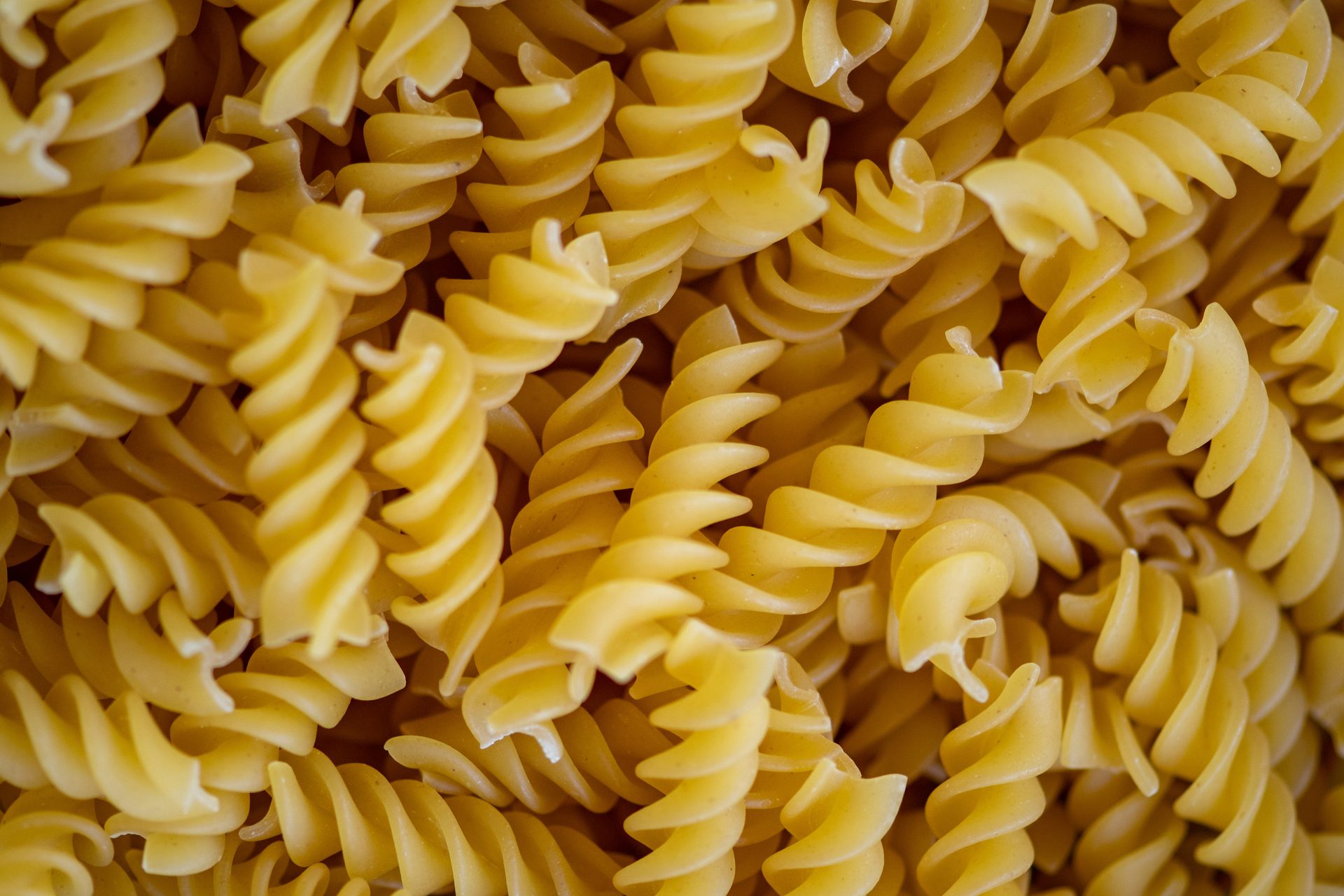
When it comes to selecting the perfect pasta for your bake, consider using a shape that will hold up well during freezing and reheating. Rigatoni, penne, or fusilli are great options as their ridges and hollow centers allow them to hold onto the sauce, ensuring every bite is packed with flavor. Avoid delicate or thin pasta shapes in dishes you plan to freeze.
How do you know when frozen pasta bake is fully reheated?
Make sure that all of the pasta reaches at least 165°F when reheating and there are no cold spots. Use a food thermometer to check the center of the dish, not just the edges, since baked pasta dishes can heat unevenly.
Can you freeze pasta bake in a glass dish?
Yes, as long as the dish is labeled as freezer-safe. If you freeze the pasta and pasta sauce together, using glass containers that are oven safe is recommended. Then you can easily go from freezer to fridge to oven without dirtying additional dishes. Avoid putting a cold glass dish directly into a hot oven — let it come to room temperature first to prevent cracking.
Want to explore more food storage topics and healthy eating ideas? Check out powerful nutrients and foods that fight cancer or browse foods for healthy skin for more practical guides on getting the most from what you eat.