Can You Freeze 100% Pure Pumpkin? Everything You Need to Know

October 23, 2026
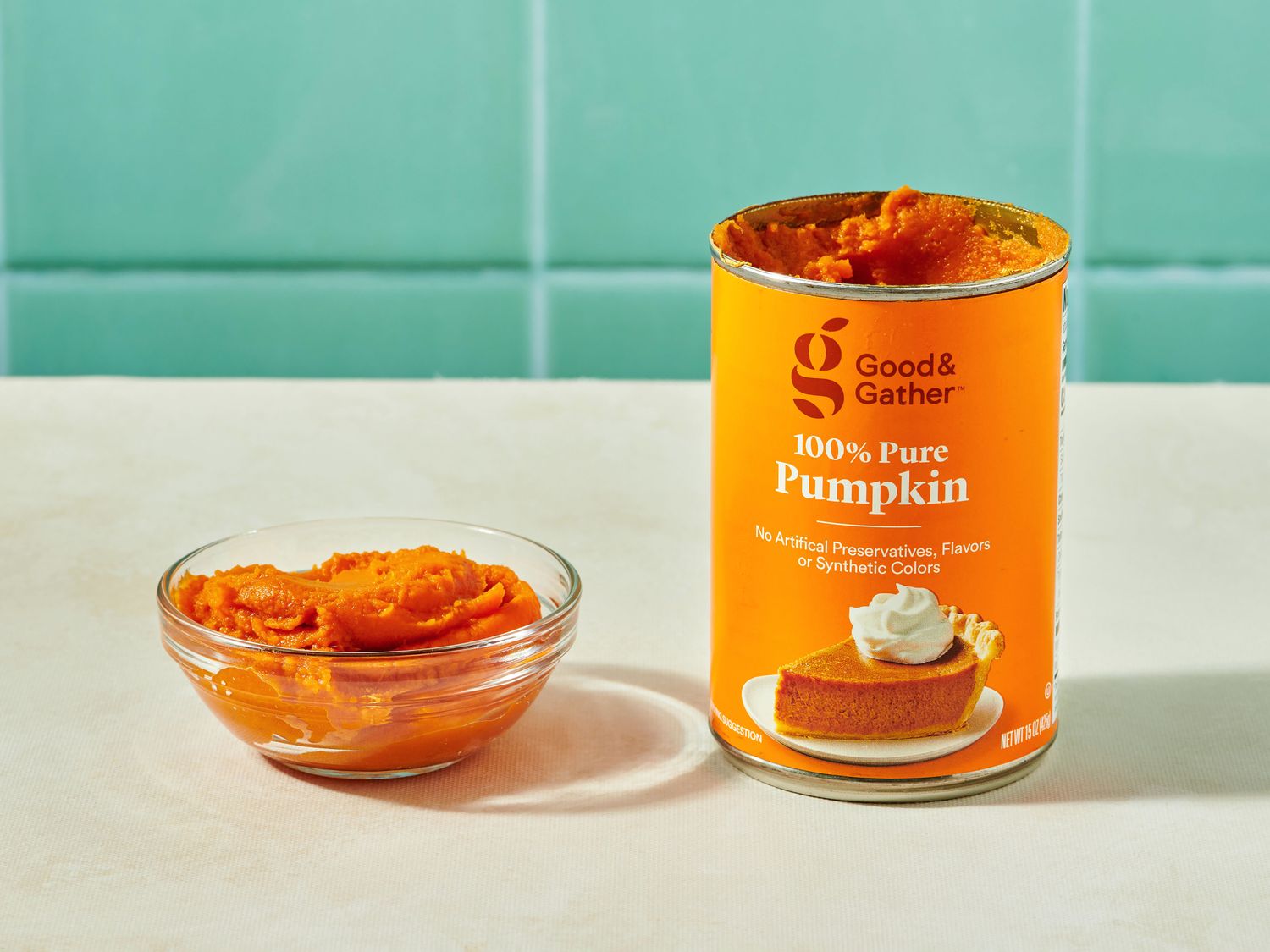
If you’ve ever cracked open a can of 100% pure pumpkin for a single recipe, you already know the problem: most recipes call for half a cup, and you’re left staring at the rest of the can wondering what to do with it. Tossing it feels wasteful, and refrigerating it only buys you a few days.
The good news is that freezing is a simple, reliable solution. Whether you’re working with leftover canned pumpkin or a batch of homemade puree, the freezer keeps it safe, flavorful, and ready to use for months. This guide covers everything from the best freezing methods to thawing tips and signs of spoilage — so nothing goes to waste.
Can You Freeze 100% Pure Pumpkin?
Yes, you absolutely can. Canned pumpkin puree freezes beautifully if done correctly. The same applies to homemade pumpkin puree — both versions respond well to freezing and can be stored for months without major quality loss.
One thing to keep in mind: while you can freeze canned pumpkin, it’s best not to freeze it in the can itself. Always transfer the puree to a freezer-safe bag or container before putting it in the freezer. Freezing pumpkin preserves the taste, nutritional value, and color of the puree, making it one of the most practical ways to extend its shelf life well beyond what the fridge allows.
It’s also worth noting that if you’re looking to preserve pumpkin at home, the only safe option is to freeze it — do not attempt to can mashed, pureed, or grated pumpkin via pressure or boiling water bath. Freezing is both easier and safer for puree.
Pro Tip: Before freezing, think about how you typically use pumpkin in recipes. Portioning it into half-cup or one-cup amounts means you can grab exactly what you need without thawing more than necessary.
Does Freezing Change the Texture or Taste of 100% Pure Pumpkin?
For the most part, no — and that’s one of the reasons freezing pumpkin puree is so popular. Pumpkin puree freezes beautifully without any change in texture or flavor after thawing. This holds especially true when you freeze it quickly and store it in airtight packaging.
That said, there is one minor thing to watch for. Freezing may slightly alter the texture by releasing extra water from the puree. You can easily drain this extra liquid by placing a cloth inside a sieve and pouring the puree into it, then letting it drain until it reaches the consistency you need.
For recipes like soups or smoothies, any texture changes will go unnoticed. For baked goods like pumpkin bread or pie, a quick stir or a brief drain is all it takes to get the puree back to the right consistency. Taste-wise, properly frozen and stored pumpkin puree holds its flavor well, especially when used within the first few months.
How to Freeze 100% Pure Pumpkin the Right Way
There are a few different methods, and the best one depends on how you plan to use the puree later. Here’s a breakdown of each approach:
The Flat Freezer Bag Method (Best for Large Amounts)
This is the most space-efficient option. Place one cup of pumpkin puree (or your desired quantity) in a freezer-safe bag, flatten the bag to evenly distribute the puree while removing as much air as possible, then label it with the date and freeze. The flat shape allows for quicker freezing and easier storage.
The Muffin Tin or Ice Cube Tray Method (Best for Portions)
Spoon pumpkin puree into a muffin tin, filling each cup with an equal amount. Freeze until solid, then pop out the frozen puree and transfer them to a freezer-safe bag or container. Label with the date. This method is perfect for portion control and ease of use.
A muffin tin gives you half-cup portions, while an ice cube tray lets you divide the puree into one-tablespoon portions. Both are handy depending on what you’re making. Smaller portions also thaw faster than a larger block of puree, saving time when you’re ready to cook.
The Freezer-Safe Jar Method
If you prefer glass containers, you can freeze pumpkin puree in wide-mouth mason jars. When freezing in canning jars, only use wide-mouth jars and leave one inch of space between the top of the puree and the top of the jar. This allows for expansion inside the jar as the pumpkin freezes and reduces the risk that the jars will crack.
Pro Tip: If you plan to freeze pumpkin puree for longer than a few months, consider straining it through cheesecloth first to remove excess water. This reduces the watery texture that can develop with extended freezer storage.
How Long Can You Freeze 100% Pure Pumpkin?
The general consensus across food storage sources is that frozen pumpkin puree stays safe to eat for up to one year, but quality is best within a shorter window. Frozen pumpkin puree maintains its quality for about 3–6 months. It will still be safe to eat after this period but may lose flavor and texture.
For comparison, according to the USDA, opened low-acid canned goods such as pumpkin puree last for up to four days in the fridge. Freezing extends that dramatically. Whereas your leftovers will only last for a week in the refrigerator, freezing can extend shelf life up to a year, though it tastes best until around the four-month mark.
| Storage Method | Estimated Duration | Quality Notes |
|---|---|---|
| Refrigerator (opened) | Up to 4–7 days | Best within 3–4 days; transfer to airtight container |
| Freezer (standard bags) | 3–6 months (peak quality) | May release some water after thawing |
| Freezer (vacuum-sealed) | Up to 12 months | Best long-term option; minimal quality loss |
Always label your bags or containers with the date you froze the puree. It’s easy to forget when something went into the freezer, and a simple date label prevents guesswork. You can also add the portion size so you know exactly what you’re pulling out.
How to Thaw Frozen 100% Pure Pumpkin
Thawing pumpkin puree is straightforward, and you have a few options depending on how much time you have. The method you choose won’t affect food safety, but it can affect texture if you’re not careful.
- Refrigerator overnight (recommended): The best way to thaw pumpkin is to transfer it to the refrigerator the night before you plan to cook with it. This is the gentlest method and preserves texture well.
- Warm water bath (quick method): Submerge the tightly-sealed pumpkin bag in a large bowl of warm water — it’ll be thawed in 10–15 minutes. This works best with freezer bags where the pumpkin is pressed flat.
- Microwave (fastest method): To thaw pumpkin puree in the microwave, use the defrost setting or the lowest power level, heating in short 20–30 second bursts. Stir or flip the puree between intervals to ensure even thawing, avoiding overheating to maintain texture and flavor.
After thawing, don’t be alarmed if you see a little bit of water floating at the top. You can either stir the liquid back into the puree or drain it off if you’d like a more concentrated flavor. For baking, remove the defrosted puree from the fridge beforehand and set aside an extra hour for it to come to room temperature.
Can You Refreeze 100% Pure Pumpkin After Thawing?
It’s best to avoid refreezing pumpkin puree once it has been thawed. Once you’ve thawed the pumpkin puree, try not to refreeze it, as this can affect its quality and texture as well as food safety.
The practical solution is to portion the puree before freezing it the first time. Portioning your pumpkin makes thawing easier, while freezing it in bulk without portioning makes thawing difficult. When each portion is already sized for a single recipe, you only thaw what you need and never have to worry about refreezing.
If you find yourself with more thawed pumpkin than you expected to use, the best move is to incorporate it into a recipe right away. Stir it into oatmeal, blend it into a smoothie, or mix it into a quick soup — all of which work well with leftover pumpkin. For ideas on incorporating whole plant-based foods into everyday meals, pumpkin puree fits naturally into that kind of eating.
How to Use Frozen 100% Pure Pumpkin (Best Uses After Freezing)
Frozen pumpkin puree can be used just like fresh. Once thawed, use it in any recipe that calls for canned pumpkin — it’s perfect for pies, soups, breads, and more. The versatility of pumpkin puree is one of its best qualities, and freezing doesn’t limit that at all.
Here are some of the best ways to put thawed pumpkin to work in your kitchen:
- Baked goods: Pumpkin bread, muffins, pancakes, and cookies all work well with thawed puree. Much like bananas, pumpkin puree adds moisture and flavor to quick bread recipes.
- Soups and stews: Pumpkin adds depth to soups and stews, offering a creamy consistency and a subtle sweetness that enhances the overall flavor profile.
- Breakfast dishes: Stir extra pumpkin into your morning oatmeal with a pinch of cinnamon, nutmeg, and brown sugar.
- Smoothies and lattes: For smoothies or lattes, frozen pumpkin cubes can go straight into the blender without thawing first.
- Savory dishes: Pumpkin puree works as a base for pasta sauces, curry, and hummus. Its mild flavor pairs well with warm spices and hearty ingredients.
Pumpkin is also a nutritional powerhouse. It’s a good source of vitamins A and C, fiber, and potassium — making it a smart addition to everything from breakfast to dinner. If you’re interested in other superfoods that support heart health, pumpkin fits right into that category thanks to its antioxidant content.
Pro Tip: Use thawed pumpkin puree in savory applications too — not just fall baking. A spoonful stirred into a pot of chili or a creamy pasta sauce adds body and a subtle sweetness without overpowering other flavors.
Signs That Frozen 100% Pure Pumpkin Has Gone Bad
Frozen pumpkin puree is generally safe for a long time, but it can go bad — especially if it wasn’t stored properly or has been in the freezer well past the recommended window. Knowing what to look for protects you from using spoiled puree in a recipe.
Watch for these warning signs before using thawed pumpkin:
- Color changes: The first thing you will likely notice is a change in color, where the pumpkin has darkened from its original orange hue. Fresh pumpkin puree should be a warm, creamy orange.
- Slimy texture or film: If you notice that the texture has changed from its smooth consistency to a watery one, or it has developed a film or slime on it, your pumpkin has likely turned and should be thrown out.
- Off odor: An unusual or unpleasant odor emanating from the pumpkin is a reliable sign of spoilage. Fresh puree has a mild, earthy smell.
- Mold: Signs of mold growth are a clear indicator that pumpkin puree should be discarded.
- Off taste: Should the product have an off taste, or if there is any doubt after the initial smell test, it is best to err on the side of caution and dispose of the pumpkin.
Note that a small amount of liquid separation after thawing is completely normal and not a sign of spoilage. However, if that liquid looks slimy, or you notice any discoloration and mold, it’s time to toss the whole batch out — you’d be much better off opening a fresh can.
Freezer burn is another thing to watch for. It shows up as dry, grayish patches on the surface of the puree and is caused by air exposure. The puree is still technically safe to eat, but the affected portions will have an off flavor and dry texture. Cutting away freezer-burned spots before using the rest is an option, but if the burn is extensive, discarding the batch is the safer call. Good packaging — with as much air removed as possible — prevents this from happening in the first place.
Pumpkin is also one of those foods with real nutritional value worth protecting. Its beta-carotene content, which gives it that orange color, is linked to eye health and immune support. If you’re curious about other foods that promote healthy eyesight, pumpkin deserves a spot on that list.
Frequently Asked Questions
Can You Freeze an Unopened Can of 100% Pure Pumpkin?
You can, but it’s not recommended to freeze it while it’s still in the metal can. The can may expand or crack as the contents freeze. Instead, open the can, transfer the puree to a freezer-safe bag or container, and then freeze it.
How Do You Know If Frozen Pumpkin Is Still Good?
After thawing, check the color, smell, and texture. A normal orange color, mild earthy smell, and smooth (or slightly watery) texture are all good signs. Discard it if you notice darkening, a sour or off smell, sliminess, or any mold growth.
Does Frozen Pumpkin Puree Work the Same as Fresh in Recipes?
Once thawed, frozen pumpkin puree can be used just like fresh, making it perfect for all sorts of recipes. For baking, give it a good stir after thawing and let it come to room temperature before mixing it into your batter.
Can You Freeze Pumpkin Pie Filling?
Yes, you can freeze pumpkin pie filling. This is especially useful during the holiday season when you might make more filling than necessary. Keep in mind that pie filling with eggs and dairy behaves differently than plain puree — treat it like a custard and use it within three to four months for best results.
Is 100% Pure Pumpkin the Same as Pumpkin Pie Filling?
No. 100% pure pumpkin contains only pumpkin — no added sugar, spices, or other ingredients. Pumpkin pie filling is a pre-seasoned product that includes sugar, cinnamon, and other spices. Both can be frozen, but they’re not interchangeable in recipes. Always check the label before buying.
Can You Freeze Pumpkin Puree in Mason Jars?
The key is cooling your puree completely before freezing, along with leaving an inch or more of headspace in the jar. Use wide-mouth jars only, and don’t fully tighten the lids until the puree is completely frozen to allow for expansion.
What’s the Best Way to Use Small Amounts of Frozen Pumpkin?
Freeze puree in ice cube trays for tablespoon-sized portions. These are perfect for adding a small amount to oatmeal, smoothies, sauces, or dog treats without thawing a large batch. You can even give your dog a small amount of pumpkin — so long as it’s 100% pure pumpkin — as a few tablespoons can help combat digestive issues in dogs, according to the American Kennel Club.