Why Are My Pepper Leaves Curling? Causes, Diagnosis, and Fixes

September 15, 2026
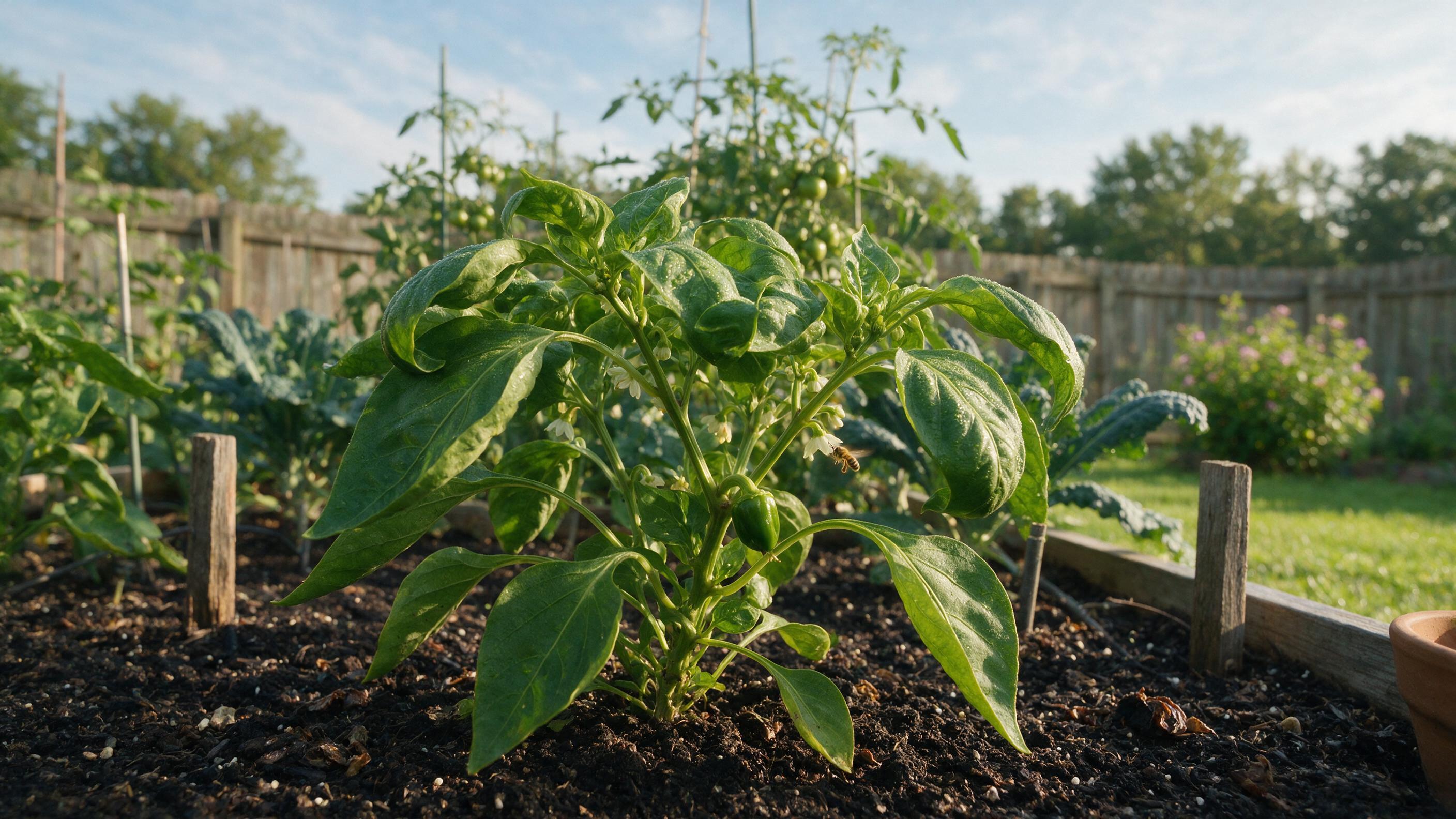
You walk out to your garden, coffee in hand, and notice something off about your pepper plants — the leaves are curling, cupping, or twisting in ways they weren’t yesterday. It’s one of the most common and frustrating things home gardeners in the United States deal with every growing season, and it can happen to bell peppers, jalapeños, ghost peppers, and everything in between.
The good news is that curling pepper leaves are almost always a signal, not a death sentence. Pepper plant leaves offer some of the first and clearest indications of a plant’s health, and if you notice the leaves curling, it could be a symptom of several different problems. Understanding what direction the curl is going, where on the plant it starts, and what else you see alongside it will get you to the right answer fast.
This guide walks you through every major cause of pepper leaf curl, how to tell them apart, and exactly what to do to fix and prevent each one.
What Does It Mean When Your Pepper Plant’s Leaves Are Curling?
Leaf curl in peppers is the plant’s way of communicating stress. It’s not uncommon for the pepper plant to show signs of stress at the slightest change in the conditions around it, and you’ll need to keep a close eye on the leaves — they usually reflect any signs of distress and start curling.
The direction of the curl matters a lot when you’re trying to figure out what’s wrong. Leaves may curl downward — possibly due to water or nutrient issues — or curl upward and inward, which is often seen with heat or pest stress. Curling that affects only new growth at the tips points toward a different cause than curling that starts on older, lower leaves.
Leaf curl in bell peppers can be triggered by various biotic and abiotic factors, including environmental stress, nutrient imbalances, pest infestations, and disease. That range of causes is exactly why a quick, systematic look at your plant — rather than a guess — saves you a lot of time and wasted effort.
Pro Tip: Before reaching for any treatment, spend two minutes observing the whole plant. Check where the curling starts (new growth vs. old), whether it affects the whole plant or just one side, and what the undersides of the leaves look like.
Is Leaf Curl in Pepper Plants Always a Sign of a Problem?
Not always — but it usually is worth investigating. Some mild, temporary leaf curl on a hot afternoon is a normal physiological response. Pepper leaf curl regularly appears on hot days during the middle of summer, when hot winds combined with low humidity cause leaves to cup in self-defense. If the leaves look normal again the next morning, heat-related cupping was likely the culprit.
Variety also plays a role. Some pepper varieties are more vulnerable to plant edema than others — for instance, Capsicum annuum varieties are typically more affected than C. chinense — and one plant may have a severe case while a different variety right next to it is unaffected. If you grow multiple varieties and only one is curling, that’s a useful clue.
Persistent curl that doesn’t reverse overnight, spreads to more leaves, or comes with color changes like yellowing, mottling, or browning is a sign that something specific needs your attention. The sections below cover each cause in detail.
Watering Issues Causing Pepper Leaf Curl
Water stress — both too much and too little — is the most common trigger for curling pepper leaves, and the two can look deceptively similar at first glance.
Overwatering
Overwatering is the single most misdiagnosed cause of leaf curl. The irony is that a waterlogged pepper plant looks almost identical to a thirsty one — drooping, curling leaves — because root rot blocks water uptake even when the soil is saturated. Leaves from overwatered plants tend to curl downward and feel soft rather than crispy.
The most common reason pepper plants become “overwatered” is actually poor drainage. If your containers do not have drainage holes, either drill holes in the bottom or transplant into different containers that have drainage. In-ground soil that is heavy in clay and lower in sand drains more slowly, which can lead to oxygen starvation if you overwater or it rains heavily — and aside from curling leaves, this will also likely cause yellowing and stunted growth.
To confirm overwatering, push a finger two inches into the soil. If it is still wet 24 hours after watering, you are overwatering. If root rot is suspected, unpot the plant, trim black or mushy roots with sterilized scissors, and repot into fresh, well-draining mix.
Underwatering
Drought stress produces an upward curl — leaves fold along the midrib like a taco shell, reducing surface area exposed to sun. This is a survival response, not a disease, and it reverses quickly once water is applied. The leaves lowest on the plant tend to start curling first when underwatering is the cause.
Water the plants until the excess drips out of the drainage holes in the bottom of the container, or — if the plant is in the ground — until the soil is moist to at least two inches down. For in-ground plants during a summer heat wave, water at the base in the early morning and mulch with 2–3 inches of straw or wood chips to retain soil moisture through peak afternoon temperatures.
Pro Tip: Lift your container to check moisture. A dry pot is noticeably lighter than a well-watered one — no tools needed.
Light Conditions Behind Pepper Leaf Curl
Pepper plants love light and do best with up to eight hours a day of sun — more than eight hours can take you into leaf curling territory. That said, the light problem looks very different depending on whether you’re growing indoors or outside.
Too Much Light (Grow Lights and Seedlings)
If your plants are too close to a grow light, you may begin to see the leaves curling up and closing in rebellion from the intense light. This problem can eventually cause pepper leaves to dry up and fall off, and it usually affects young, tender seedlings more than mature pepper plants.
If you think your plants have light burn, adjust your lights a few inches higher. Grow lights need to be around 12–18 inches away from the tops of leaves, and they should be on a timer for 12–16 hours per day — not running 24/7.
Hardening Off Outdoors
It is unlikely that mature plants outside in the ground will ever get too much sunlight; however, it might occur for young plants that have not been hardened off correctly. Hardening off refers to gradually exposing seedlings started indoors to full sunlight outside — leaves may curl if they are given full sun before they are hardy enough to handle it.
If you’re moving transplants outside for the first time, start with a few hours of morning sun and increase exposure over 7–10 days. Check out our guide to best houseplants for low-light areas if you’re also managing other indoor plants alongside your peppers.
Too Little Light
Inadequate light can weaken the plant, making it more susceptible to stressors such as water and temperature fluctuations. Peppers grown indoors without supplemental lighting often stretch and produce weak growth that curls easily under any additional stress.
Soil, Nutrients, and Root Health Causing Pepper Leaf Curl
What’s happening underground shows up in the leaves. Soil quality, nutrient balance, and root health all directly affect whether your pepper plant can hold its leaves flat and healthy.
Calcium Deficiency
Calcium is a secondary nutrient for pepper plant growth and is used by plants to develop strong cell walls. When plants lack calcium, the leaves may not develop properly and will begin to appear curled and/or bubbly. Keep in mind, calcium is rarely deficient in natural ground soil — it is more often that plants are unable to access it due to nutrient lockout.
The solution is to test your soil for pH and calcium. Soil acidity affects a plant’s ability to take up and use all the available nutrients. Peppers prefer a soil pH between 6.0 and 6.8. Outside that range, nutrients can be present in the soil but completely unavailable to the plant’s roots.
Nitrogen, Potassium, and Magnesium Deficiencies
Different nutrient shortfalls produce different curl patterns. In the case of nitrogen deficiency, you will see pale growth with older leaves curling downward. Potassium deficiency causes leaves to curl from the edges with a burnt, dry appearance. In magnesium deficiency, you will see green veins on the leaves while the rest of the leaf turns yellow, and older leaves may curl slightly upward.
When leaf curling in pepper plants is caused by nutrient deficiency, it happens slowly — not overnight — and there are no signs of pest attack on the plant. A balanced vegetable fertilizer that includes both macro and micronutrients is a good starting point before you run a full soil test.
Soil Compaction and Root Bound Plants
When soil becomes compact and hard, the roots are unable to grow properly, and as a result, the plant starts curling its leaves. Pepper plants require loose, fertile, and well-draining soil. To fix compaction, you can either change the soil completely or add sand or coco peat to your existing mixture to make it loose and well-draining.
If the plant is growing in a pot, it might have outgrown the pot and the roots have no more space to grow, which also restricts nutrient and water uptake. Moving up one pot size — typically 2 inches larger in diameter — usually solves the problem quickly. You can learn more about types of plants and their root requirements to better understand how container sizing affects different species.
Environmental Stress Triggering Pepper Leaf Curl
Peppers are warm-season crops that do best in stable, moderate conditions. Sudden environmental changes — temperature swings, wind, humidity extremes, and even chemical exposure — can all cause leaves to curl.
Heat Stress
Pepper plants thrive in warm conditions only, and extreme temperatures can cause their leaves to curl. High temperatures, especially coupled with low humidity, can cause leaves to curl as the plant tries to minimize water loss through transpiration. If temperatures exceed 90°F (32°C) consistently, consider shade cloth rated at 30–40% light reduction during the hottest hours.
Cold Shock and Temperature Swings
Sudden drops in temperature, especially at night, can shock the plant and result in curled leaves. This is especially common in the American South and Southwest, where summer days can be scorching but nights drop quickly. Covering plants with a light frost cloth on unexpectedly cool nights helps prevent this kind of stress.
Plant Edema
Plant edema is a very common cellular disorder caused by irregular water retention. It appears in peppers as a whitish, crystallized texture underneath the leaves, and extreme edema can cause plant leaves to curl. Edema is most common on indoor pepper plants but can occur in any conditions. To address it, improve aeration for indoor plants by using a small fan to move air around your plants, and if the air is very dry, increase humidity with a humidifier.
Herbicide Drift
Herbicides are sometimes responsible for curling leaves. Always be careful where you spray, making sure there is no wind and that runoff won’t end up in your garden. Garden products like compost and mulch that have been treated with herbicide can also cause damage on sensitive plants like peppers. If you suspect herbicide exposure, flush the soil thoroughly with water and allow the plant to recover — it may still produce a small crop.
Pests and Disease Leading to Pepper Leaf Curl
Pests like aphids, thrips, mites, and whiteflies cause leaf curl on pepper plants with their feeding activities. Mature leaves may develop spotted or stippled areas and dry out or fall off. Catching infestations early makes a big difference in how much damage your plants sustain.
Aphids
Pests such as aphids, spider mites, and whiteflies are notorious for causing damage to pepper plants. When these pests feed on the leaves, they disrupt the plant’s vascular system, leading to curled and distorted foliage. Check the undersides of curled leaves, especially on new growth at branch tips. Aphid colonies are visible as clusters of soft, pear-shaped insects in green, black, or white. Sticky honeydew residue or sooty black mold on leaves is another reliable sign.
These pests are easily treated with insecticidal soap or neem oil. Treat your peppers weekly when ambient temperatures are below 80°F (27°C), and when you spray, cover the tops and bottoms of all leaves and branches thoroughly until the soap runs off the plant tissues. Since peppers and tomatoes share many of the same pests, check out our article on different plants to grow with tomatoes for companion planting strategies that help keep aphid pressure down.
Spider Mites and Broad Mites
Spider mites cause a similar curl but leave fine webbing on leaf undersides and create a stippled, bronzed appearance. Treatment overlaps with aphids — soap sprays and neem oil both work — but mites thrive in hot, dry conditions, so increasing humidity helps prevent reinfestation.
Broad mite damage causes twisted, blistered, leathery new growth rather than a simple curl, and the growing tip may die back entirely. Aphid damage curls leaves but leaves them otherwise intact. Broad mites are microscopic and invisible to the naked eye. They cause new growth to emerge twisted, blistered, and downward-curled, with affected leaves looking leathery or bronzed and the growing tip sometimes aborting entirely. If your newest leaves look deformed rather than simply curled, suspect broad mites.
Thrips
Plant-eating thrips are small winged insects with long bodies that can appear almost transparent. Thrips damage tends to curl and create white patches on leaves, and thrips can carry tomato spotted wilt virus. Use yellow sticky traps to monitor for thrips and apply neem oil or spinosad at the first sign of damage.
Viral Diseases
Pepper mosaic virus, cucumber mosaic virus, and tobacco mosaic virus all cause leaf curl alongside distinctive mottled or mosaic patterns on leaf surfaces. Viral curl does not respond to any treatment — once a plant is infected, the virus is systemic. The key visual distinction is that viral curl accompanies color changes: leaves show irregular light and dark green patches, yellow streaking, or distorted growth that looks almost random compared to the uniform curl of water or heat stress.
Remove and destroy infected plants. Do not compost them. Disinfect tools with a 10% bleach solution or 70% isopropyl alcohol between plants, and control aphids and thrips aggressively, as they are the primary vectors for pepper viruses. Wash your hands after handling tobacco products before touching pepper plants — tobacco mosaic virus survives on cured tobacco.
If you’re growing hot pepper varieties, you may also want to check out our guide to the hottest peppers in the world — some of the most popular ones, like the Scotch Bonnet, are especially sensitive to viral pressure.
Important Note: Rule out all other causes of leaf curl before concluding that you have a virus and pulling your plants. Viral diseases are the only cause of leaf curl that cannot be fixed — every other cause on this list has a workable solution.
How to Diagnose Why Your Pepper Plant Is Curling
A good diagnosis takes less than five minutes and saves you from applying the wrong fix. Work through this checklist in order:
- Check the direction of curl. Downward curl points to overwatering, root rot, nitrogen deficiency, or aphids. Upward or inward curl points to heat stress, underwatering, or light burn. Twisted, blistered new growth points to broad mites.
- Check where on the plant it starts. Check where the curling starts — new growth vs. old — whether it affects the whole plant or just one side, and what the undersides of leaves look like. Curling that starts on lower, older leaves often signals a nutrient deficiency or overwatering. Curling at the growing tips points to pests or heat.
- Check the soil. Push a finger 2 inches into the soil. Wet and soggy after 24 hours = overwatering. Bone dry and pulling away from container edges = underwatering.
- Check the undersides of leaves. Inspect the affected plant for bugs — pest insects tend to cluster on the undersides of leaves. Look for tiny moving specks (mites), clusters of soft insects (aphids), or fine webbing (spider mites).
- Check for color changes. Color changes are critical — yellowing, browning, or mottling can signal various issues, while stunted growth or wilting often points to underlying problems. Mosaic or mottled patterns alongside curl strongly suggest a virus.
- Check recent environmental changes. Did you move the plant? Did temperatures spike or drop? Did a neighbor spray herbicide? Recent temperature fluctuations or inconsistent watering can lead to curling leaves, so take note of any changes.
If you’re unsure after working through the checklist, a plant identification app can help you cross-reference symptoms. Check out our roundup of the best iPhone apps for identifying plants or the best Android apps for identifying plants to find one that works for you.
How to Fix a Pepper Plant That Is Curling
Once you’ve identified the cause, here’s a quick-reference summary of the most effective fixes:
| Cause | Curl Direction | Fix |
|---|---|---|
| Overwatering / poor drainage | Downward, soft leaves | Let soil dry completely; improve drainage; trim rotted roots |
| Underwatering / drought | Upward, stiff/papery leaves | Water deeply; mulch; water in early morning during heat waves |
| Light burn (grow lights) | Upward curl on new growth | Raise lights to 12–18 inches; set timer to 12–16 hours/day |
| Heat stress | Upward/inward on whole plant | Add shade cloth (30–40%); water mid-day; increase airflow |
| Calcium deficiency | Bubbly, curled new leaves | Test and adjust soil pH; add bone meal or calcium supplement |
| Nitrogen / potassium deficiency | Downward (N) or edge curl (K) | Apply balanced vegetable fertilizer; retest soil |
| Aphids / whiteflies / thrips | Curled, distorted; honeydew present | Neem oil or insecticidal soap weekly below 80°F |
| Spider mites | Stippled, webbing on undersides | Neem oil; increase humidity; remove heavily infested leaves |
| Broad mites | Twisted, blistered new growth | Sulfur-based miticide; remove and destroy affected growing tips |
| Viral disease | Mosaic pattern + curl | Remove and destroy plant; disinfect tools; control pest vectors |
| Plant edema | Curl with white crystalline spots | Improve airflow with a fan; add humidity; reduce overwatering |
| Herbicide exposure | Distorted curl on whole plant | Flush soil; allow recovery; avoid contaminated mulch |
For root rot recovery specifically: unpot the plant, trim black or mushy roots with sterilized scissors, and repot into fresh, well-draining mix. Going forward, water only when the top inch of soil is dry. Peppers grown in containers need drainage holes at minimum and ideally a layer of perlite mixed into the potting medium at 20–30% by volume.
If you’re growing Scotch Bonnets or similar varieties, our article on what is a Scotch Bonnet pepper covers the specific growing needs of that heat-loving variety in more detail.
How to Prevent Pepper Leaf Curl Going Forward
Prevention is much easier than recovery, and a few consistent habits will keep your plants looking healthy from transplant to harvest.
- Water on a consistent schedule based on soil feel, not the calendar. Water only when the soil is adequately dry. You can check by digging down 1–2 inches below the surface or by lifting potted plants to feel their weight.
- Use well-draining soil from the start. Most potting soil mixes are made up of primarily peat moss, which naturally drains well and holds an appropriate amount of water in the root zone. For in-ground beds, amend heavy clay soil with compost and coarse sand before planting.
- Test your soil pH every 1–2 years. Testing your ground soil every 1–2 years will help you understand which nutrients are lacking and whether pH is a concern. This single step prevents most nutrient deficiency problems before they start.
- Harden off seedlings properly. It might occur for young plants that have not been hardened off correctly — hardening off refers to gradually exposing seedlings started indoors to full sunlight outside, and leaves may curl if they are given full sun before they are hardy enough to handle it. Give transplants 7–10 days of gradual outdoor exposure before leaving them in full sun all day.
- Scout for pests weekly. Regular inspection and early intervention are key to managing pest infestations and preventing further damage to the plant. Flip leaves and check the undersides every time you water.
- Control aphids and thrips to prevent viral spread. Control aphids and thrips aggressively, as they are the primary vectors for pepper viruses. Sticky yellow traps hung near your plants give you an early warning system.
- Keep a care log. Document your watering, fertilization, and pest management practices to track what works best. Even a simple note on your phone with dates and observations helps you spot patterns across growing seasons.
- Choose resistant varieties when viral pressure is high. Plant resistant varieties where viral pressure is known to be high in your region. Many modern bell pepper and jalapeño cultivars carry resistance to tobacco mosaic virus and other common pepper viruses.
If you’re growing peppers alongside other plants in your garden, understanding your full plant lineup helps you manage shared pests more effectively. Our guide to types of leaves can help you identify what’s normal leaf anatomy versus stress-related changes across all your garden plants.
Pro Tip: Mulching with 2–3 inches of straw or wood chips around your pepper plants does double duty — it retains soil moisture during hot US summers and reduces soil splash that can spread fungal spores to lower leaves.
Frequently Asked Questions
Why are my pepper leaves curling upward?
Leaves curling up or inward is primarily a response to heat stress, aphid feeding, or viral infection. Plants minimize surface area and reduce transpiration to protect vital processes. Check whether the curl reverses overnight — if it does, heat is likely the cause. If it persists or worsens, inspect for pests.
Why are my pepper leaves curling downward?
Bell pepper leaves curling down generally indicate water stress, root issues from overwatering or drought, or potassium deficiency. Check soil moisture first — it’s the most common cause — then look at the leaf color for clues about nutrient deficiencies.
Can overwatered pepper plants show curling leaves?
Yes. Overwatering causes downward curl because root rot prevents water uptake even in saturated soil. The fix is letting soil dry completely, checking drainage, and trimming any black or mushy roots before repotting into fresh mix.
How do I tell if aphids are causing my pepper leaves to curl?
Check the undersides of curled leaves, especially on new growth at branch tips. Aphid colonies are visible as clusters of soft, pear-shaped insects in green, black, or white. Sticky honeydew residue or sooty black mold on leaves is another reliable sign.
My pepper plant leaves are curling and turning yellow — what does that mean?
Aside from curling leaves, overwatering and poor drainage will likely also cause yellowing leaves and/or stunted plant growth. Yellow curling leaves together suggest either overwatering with root stress or a nitrogen deficiency. Test your soil and check drainage before applying fertilizer.
Can pepper leaf curl be caused by disease?
Yes — bacterial and fungal infections are types of illnesses common for plants. Diseases like bacterial leaf spot and powdery mildew can affect the foliage, causing it to curl, wilt, and eventually die off. Viral diseases can also cause curling leaves on peppers, among other symptoms like yellow spots, rings, or bullseyes on leaves. Fungal diseases can often be treated; viral infections cannot.
Is pepper leaf curl contagious?
Leaf curl caused by watering, light, or nutrient issues is not contagious. However, viral diseases spread through aphids, thrips, and contaminated tools, and fungal diseases can spread via water splash and wind. Regular use of clean tools, boots, and gloves reduces the transmission risk of fungal and viral pathogens.
What do I do with leftover stuffed peppers if my harvest comes in strong?
Once your pepper plants are healthy and producing, you’ll want great recipes to use the harvest. Our guide on what to serve with stuffed peppers has plenty of ideas for your bell pepper bounty, and our article on what to serve with Italian sausage and pepper is perfect for using up a bumper crop of frying peppers.