Can You Freeze Olive Oil? What Actually Happens and How to Do It Right

October 29, 2026
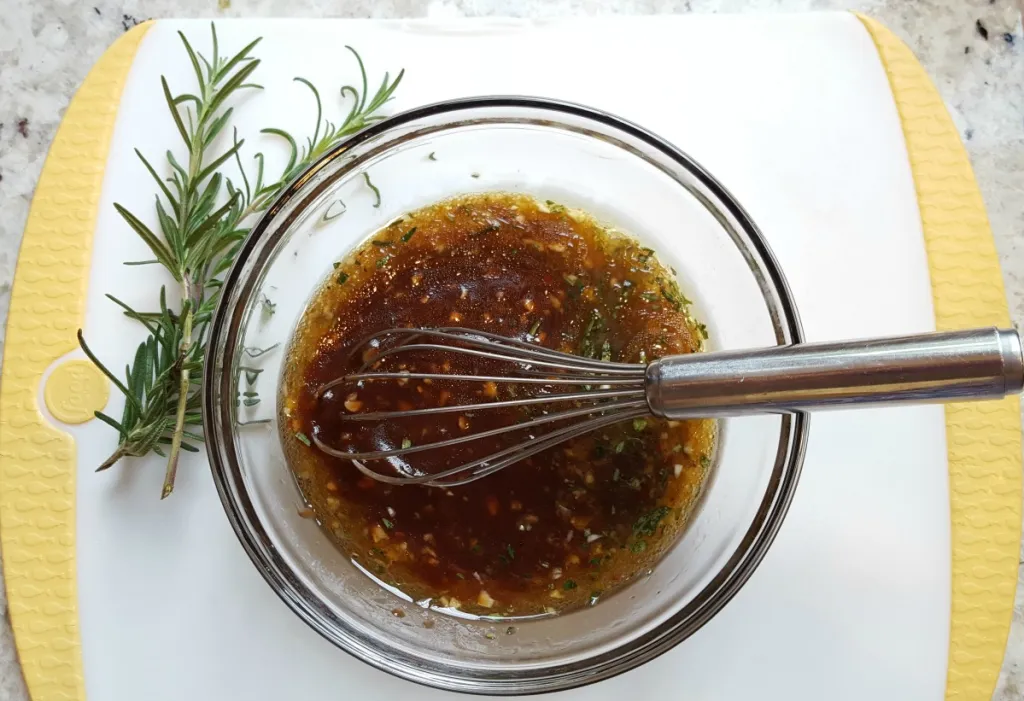
Olive oil is one of those pantry staples you reach for almost every day — sautéing vegetables, finishing pasta, drizzling over salads. But what happens when you buy a large bottle and know you won’t use it in time? Freezing is a practical solution most home cooks never consider.
The short answer is yes, you can absolutely freeze olive oil. It’s one of the best ways to preserve it if you don’t use it often or want to store it long-term. This guide walks you through everything you need to know — what happens to the oil, how to freeze it properly, how long it lasts, and how to use it once it comes out of the freezer.
Can You Freeze Olive Oil?
Yes, it is physically possible to freeze olive oil. In fact, olive oil begins to solidify around 54 degrees Fahrenheit, and it begins to completely freeze around 10 degrees Fahrenheit. That’s quite different from water, which freezes hard at 32°F.
Unlike water, olive oil doesn’t freeze at 32°F. Olive oil starts to solidify around 32°F–40°F, but you’ll get a full freeze between 10°F and -10°F. So if you’re sticking a bottle in a regular home freezer, you can expect to find a creamy, semi-frozen consistency rather than a complete solid.
Olive oil manufacturers don’t generally list a freezing temperature because it is quite variable depending on the olive variety and ripeness of the olive at processing. Unlike the properties of a simple compound like water, olive oil is made up of hundreds of chemicals, many of which change with every extraction.
Pro Tip: If you cook with olive oil only a few times a week or bought a large bulk bottle at a warehouse store, freezing in small portions is a smart way to protect your investment and avoid waste.
Freezing is especially worth considering when you have more oil than you can realistically use before it goes rancid. Olive oil doesn’t really need to be frozen — properly stored, it’s good for about 12–18 months after the harvest date. But if you’re sitting on a surplus, the freezer gives you a reliable backup.
Does Freezing Change the Texture or Taste of Olive Oil?
This is the question most people worry about, and the answer depends on how many times you freeze and thaw the oil. The idea of freezing olive oil might seem like it could mess with the texture or flavor, but it really doesn’t. Olive oil is mostly fat, and since fat usually freezes slowly and uniformly, it tends to stay stable without separating too much or getting weird when it thaws. It comes back to life just fine, and you likely won’t notice a change in the way it cooks or tastes.
Freezing olive oil can alter its texture and make it cloudy. While that’s not a dealbreaker, it’s worth noting if you’re a stickler for appearance. This cloudiness is perfectly normal and doesn’t affect the quality or safety of the oil. Once it reaches room temperature, it should regain its usual clarity.
There is one important caveat for premium oils. If you’re working with extra-virgin olive oil, freezing could cause some of its delicate flavors to fade. Repeatedly freezing and thawing olive oil gradually degrades its quality. Each freeze-thaw cycle stresses the oil’s delicate polyphenols and aromatic compounds, reducing both flavor and nutritional value over time. Polyphenols are the bioactive compounds that give high-quality extra virgin olive oil its health benefits — and they are among the first things to decline under repeated thermal stress.
Key Insight: A single freeze won’t noticeably hurt your olive oil. The real risk comes from repeatedly freezing and thawing the same batch. Freeze in small portions so you only thaw what you need each time.
There’s also a difference between oil types. Extra virgin olive oil begins to solidify at higher temperatures because of the amount of polyphenols, waxes, and plant solids it contains. Light olive oil is more refined, with many of those compounds removed. When chilled or frozen, it remains liquid for longer and stays quite clear. As such, extra virgin olive oil tends to cloud and thicken faster, while light olive oil freezes more slowly and evenly.
How to Freeze Olive Oil the Right Way
Freezing olive oil takes only a few minutes of prep work. The goal is to store it in portions you’ll actually use, in containers that won’t crack or absorb odors.
Method 1: Ice Cube Tray (Best for Most Home Cooks)
Ice cube trays are perfect for freezing olive oil in individual servings. Start with a clean tray and measure out about a tablespoon per cube so you know exactly what you’re working with when you grab one. Once the cubes are frozen, move them into a freezer-safe bag or container with a good seal, and make sure you label them with the date. That helps you know how long you have to use it up before the flavor drops off.
Before freezing, you can also incorporate ingredients like fresh or dried herbs, garlic, chopped sun-dried tomatoes, or red pepper flakes to infuse the olive oil cubes. These flavored cubes are a great shortcut for weeknight cooking — just drop one directly into a hot pan.
Method 2: Freezer-Safe Container (Best for Larger Quantities)
Choose freezer-safe glass or plastic containers with airtight lids. Leave ½ inch of space at the top to allow for expansion. Label each container with the freeze date. Store for up to 1–2 years.
Choose food-grade glass, BPA-free plastic, or stainless steel containers. Avoid thin plastic bottles — they can crack or leach chemicals when frozen. Always leave headspace (1 inch or more) for expansion.
Even if freezing in bulk, it’s better to store in 1-cup to 1-quart containers instead of one giant drum. Smaller portions are easier to thaw and use without repeated temperature changes.
Pro Tip: Store your containers in the back of the freezer where the temperature stays most consistent. Avoid placing them near the door, where temperature fluctuations from opening and closing can partially melt and refreeze the oil.
| Method | Best For | Container | Portion Size |
|---|---|---|---|
| Ice Cube Tray | Daily cooking, herb infusions | Silicone tray, then freezer bag | ~1 tablespoon per cube |
| Airtight Container | Bulk storage, long-term preservation | BPA-free plastic or glass with lid | 1 cup to 1 quart |
How Long Can You Freeze Olive Oil?
Keep in mind that freezing doesn’t make it stay fresh forever. Your best bet is to store it in the freezer for no longer than 18 months. Could you push it to two years? Sure, especially with more refined olive oils, but using it well before then ensures the best flavor.
For comparison, after opening, olive oil can last about 3–6 months if you keep the cap tightly sealed to reduce oxidation. Freezing clearly extends that window significantly, which makes it a worthwhile option if you cook with olive oil infrequently or bought a large quantity on sale.
Up to 12–18 months without significant quality loss is a reasonable target. Beyond that, oxidation risk increases post-thaw. If you’re preserving a premium extra virgin oil, aim to use it within 12 months for the best flavor experience. Refined olive oils are more stable and can push closer to the 18-month mark.
| Storage Method | Estimated Shelf Life | Notes |
|---|---|---|
| Pantry (unopened) | 12–18 months from harvest | Cool, dark location |
| Pantry (opened) | 3–6 months | Keep tightly sealed |
| Freezer | Up to 18 months (best quality) | Use airtight container; freeze in portions |
How to Thaw Frozen Olive Oil
Thawing olive oil is simple, but the method matters. When you’re ready to use it, let it thaw on the counter. Don’t microwave it or heat it too fast, or you risk damaging the flavor.
Thawed olive oil may look cloudy or have a grainy texture — don’t panic. It’s just the natural separation of waxes in the oil, and it’ll go back to normal as it warms up. Give it a gentle stir if it looks uneven after thawing.
If you’re in a hurry, you can place the bottle of frozen olive oil in a bowl of warm water. Avoid using hot water, as this can cause the bottle to crack or the oil to become damaged.
For ice cube portions, you don’t always need to thaw at all. You can use cubes directly in pans or soups — no thawing needed. The heat from the pan melts the cube in seconds, which makes this method especially convenient for everyday cooking.
Can You Refreeze Olive Oil After Thawing?
Technically yes, but it’s not a good idea to make a habit of it. The flavor and quality of olive oil remain unchanged by a single freeze. However, repeatedly subjecting olive oil to freezing and thawing cycles may alter its taste and consistency over time.
Each freeze-thaw cycle stresses the oil’s delicate polyphenols and aromatic compounds, reducing both flavor and nutritional value over time. This is exactly why freezing in small, single-use portions is so important. When you only thaw what you need, you never have to refreeze the remainder.
If you accidentally thawed more than you planned to use, store the excess in the refrigerator and use it within a week rather than putting it back in the freezer. The oil won’t spoil in that short window, and you’ll protect the quality you worked to preserve. You can learn more about heart-healthy foods that include olive oil to get inspired to use up your supply faster.
How to Use Frozen Olive Oil (Best Uses After Freezing)
Frozen olive oil is versatile, and in many cases it performs just as well as fresh oil. The key is matching the right use to the right type of frozen oil you have on hand.
- Sautéing and stir-frying: Drop a frozen cube directly into a cold or warm pan. It melts within seconds and works exactly like fresh oil.
- Soups and stews: Add a cube to a pot of simmering soup for richness. It dissolves instantly.
- Roasting vegetables: Let a cube thaw for a few minutes, then toss with vegetables before roasting. This is a great use for herb-infused cubes.
- Pasta finishing: Thaw a cube at room temperature and drizzle over cooked pasta just before serving.
- Marinades: Thaw a portion and whisk with lemon juice, garlic, and herbs for a quick marinade.
Immersing herbs like garlic or chili in olive oil and freezing them both preserves these herbs and intensifies their flavors, imbuing a richer taste into your dishes when used later. This is one of the best reasons to freeze olive oil even if you use it regularly — the herb-infused cubes are a genuine upgrade for weeknight meals.
One area where thawed olive oil may underperform is as a finishing drizzle on raw dishes like bruschetta or a caprese salad. Cold temperatures can alter the texture and make the oil thicker, which affects usability. It can also mute the aroma and flavor, which are essential parts of a high-quality olive oil experience. For those applications, use a fresh bottle and save your frozen supply for cooking. Olive oil is also a wonderful ingredient in foods that support healthy skin, so finding ways to use it consistently is always a good idea.
Pro Tip: Make a batch of herb-infused olive oil cubes with rosemary and garlic before the holidays. They make excellent gifts and are incredibly handy for quick weeknight meals throughout the winter.
Signs That Frozen Olive Oil Has Gone Bad
Freezing slows down the degradation process, but it doesn’t stop it entirely. Once you thaw olive oil, it’s important to check it before using it — especially if it’s been in the freezer for a long time.
Here are the main signs that your frozen olive oil has gone rancid or been compromised:
- Sour or bitter smell: Once olive oil goes rancid, you’ll taste it in your food. The flavor gets bitter or sour, the smell is strong and off-putting, and it definitely doesn’t add that smooth, rich note you want from a robust olive oil.
- Persistent cloudiness after thawing: Some cloudiness right after thawing is normal and will clear up. If the oil stays cloudy or murky at room temperature after an hour or two, that’s worth investigating further.
- Waxy or gummy texture that doesn’t resolve: When olive oil freezes, the crystallization of fatty acids occurs. This process can lead to cloudiness as fats solidify, and some oils become grainy upon thawing, compromising their smoothness. A little graininess that resolves as it warms is normal; a texture that stays gummy is not.
- Off color: Olive oil that has truly degraded may develop a darker, brownish tint rather than returning to its golden-green color after thawing.
- Freezer burn odor: If the container wasn’t fully airtight, the oil may have absorbed odors from other foods in the freezer. Taste a small amount — if it tastes like the freezer smells, discard it.
Once thawed, shake or stir the olive oil to re-emulsify any separated components. Inspect the oil for any changes in color, texture, or aroma. If it appears off, it may have suffered from the freezing process, and its quality may be compromised.
When in doubt, trust your nose. Rancid oil has a distinctive crayon-like or musty smell that’s hard to miss. Fresh olive oil, even after freezing, should smell clean and slightly grassy or fruity. Keeping your diet stocked with quality fats like olive oil is also worth exploring through resources like anti-inflammatory healing foods and nutrients and foods that support health.
Frequently Asked Questions
Does freezing destroy the nutrients in olive oil?
In general, freezing does not significantly alter the healthy properties of olive oil, such as its antioxidant and phenolic compound content. Olive oil is loaded with heart-healthy monounsaturated fats and potent antioxidants like oleocanthal, which have anti-inflammatory properties. Freezing olive oil helps to retain these nutrients over a longer period. The main concern is repeated freeze-thaw cycles, not a single freeze.
Will my olive oil look different after freezing?
When olive oil is frozen or chilled, it solidifies and turns cloudy and thickens. This change in appearance is normal and does not mean the oil has spoiled. Cloudiness is almost always caused by cold temperatures triggering the fatty acids to begin crystallizing. It is a normal physical reaction and not a sign of spoilage. Move the bottle to a warmer spot and it will clear up within an hour or two.
Can I freeze olive oil in the original bottle?
It depends on the bottle. Glass bottles can crack during freezing due to expansion, so they’re risky unless specifically labeled as freezer-safe. Glass may crack during freezing due to expansion. Use BPA-free plastic or silicone trays designed for freezing. If you want to use a glass container, leave at least an inch of headspace and make sure the lid is not screwed on too tightly before freezing.
Is it safe to freeze flavored or infused olive oil?
Yes, and it’s actually one of the best uses for the freezer. Chop the herbs and place them in the ice cube tray before pouring in the olive oil. The herbs will freeze inside the oil, preserving them until you are ready to cook. Then, simply pop out one of the olive oil cubes and place it in a pan until the heat melts it. Garlic-infused olive oil cubes are especially popular for quick pasta dishes and roasted vegetables.
What is the best way to store olive oil if I don’t want to freeze it?
A better approach is to store olive oil at around 57–64°F in a dark cupboard, away from direct heat or sunlight. Keeping your olive oil in a cool, dark place such as the pantry means the olive oil does not solidify and you do not have to worry about warming it up whenever you want to cook. For most American households, a kitchen cabinet away from the stove and out of direct sunlight is ideal. You might also enjoy exploring whole plant-based foods that pair beautifully with olive oil in everyday cooking, or check out foods that support liver function for more ways to make the most of healthy fats in your diet.