What to Serve With Coconut Shrimp: 13 Sides That Complete the Meal

November 15, 2026

Coconut shrimp is crunchy, sweet, and a little bit indulgent, but on its own it’s mostly fried batter and protein. That’s exactly why figuring out what to serve with coconut shrimp matters so much once you move past the appetizer tray and into full-dinner territory. Greedy Girl Gourmet notes that coconut shrimp needs to be served with other dishes to make a complete meal, preferably ones with more fiber since shrimp is protein-heavy.
You have thirteen solid options ahead of you, and they cover a lot of ground: crunchy slaws, cooling sauces, grain-based sides, roasted vegetables, and a couple of fried classics for when you just want more crunch. Some lean tropical, some lean fresh and acidic, and a few are built to balance out all that richness. If you’re new to building a plate around a savory food centerpiece like coconut shrimp, the trick is contrast: something crisp, something creamy, and something bright.
1. Kale Slaw
Kale slaw shows up on more than one list of go-to coconut shrimp pairings, and for good reason. A Pinch of Adventure includes it among 25 coconut shrimp side dishes, from mango salsa and sweet chili dipping sauce to cilantro lime rice, kale slaw, Asian noodle salad, and grilled pineapple. The sturdy leaves hold up under a tangy dressing without going soggy, which matters when coconut shrimp can sit on the counter cooling while you plate everything else.
To make it, massage roughly chopped kale with a little olive oil and lemon juice for a minute or two to soften the texture, then toss with shredded carrot, thinly sliced red onion, and a light vinaigrette. Skip the heavy mayo-based dressings here since the shrimp already brings plenty of richness. If you’re a fan of pairing crunchy slaws with seafood in general, the same logic drives many of the shrimp boil side dishes people build around a big seafood spread.
Pro Tip: Salt the kale lightly before massaging it. The salt draws out moisture and speeds up the softening process, so you get tender slaw in half the time.
2. Avocado Crema
Avocado crema is a blended, pourable cousin of the avocado salads that regularly appear alongside coconut shrimp. Corrie Cooks’ avocado and tomato salad follows a similar flavor logic: Avocado and Tomato Salad is a fresh and flavorful side dish that complements the tropical taste of coconut shrimp, combining diced avocado, tomatoes, red onion, and cilantro tossed with lime juice, salt, and pepper. Blend those same ingredients with sour cream or Greek yogurt instead of chopping them, and you get a cooling drizzle rather than a chunky side.
Avocado crema works especially well spooned directly over the shrimp or served as a dip alongside sweet potato fries later in this list. It’s the kind of creamy accompaniment that shows up across seafood and poultry dishes alike; you’ll find a similar cooling-sauce principle at play in dishes like the ones covered in our chicken piccata pairing guide, where bright, acidic sauces balance rich, buttery proteins.
3. Rice With Honey Butter Sauce
This pairing comes straight from a well-known baked coconut shrimp recipe that leans into sweet-savory contrast. Pinch of Yum’s version describes it as perfectly springy baked coconut shrimp piled high on a mountain of steamy pea-speckled and lemony rice and drizzles upon drizzles of a beautiful honey butter sauce. The sauce itself is simple: whisk the melted butter with the honey and Dijon mustard, then adjust with a pinch of red pepper flakes if you want a little heat.
The rice gets its brightness from lemon zest, fresh herbs, and a handful of peas folded in right before serving. Once everything is plated, serve shrimp with a pile of rice and generously drizzle with the sauce. If you’re curious about the flavor role honey plays in dishes like this, it’s worth a look at how honey and other H-foods get used across different cuisines.
4. Coconut Rice
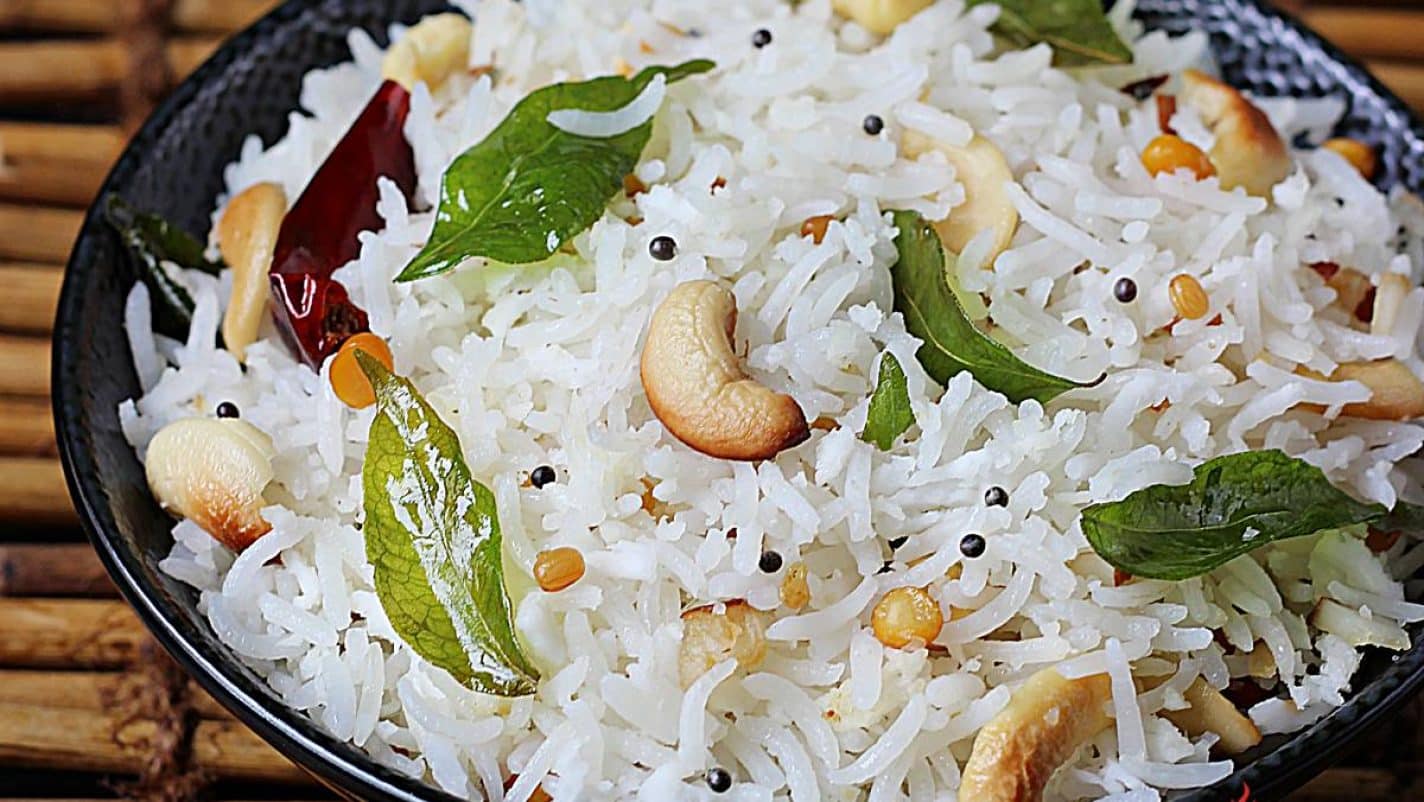
Doubling down on coconut flavor might sound redundant, but it actually ties the whole plate together instead of competing with the shrimp. Platings + Pairings’ coconut lime rice is fragrant, fluffy, and easy to make, with a mild coconut flavor that’s delectable, making this simple side dish perfect for curries, stir fry, stew, and more. Simmering the rice directly in coconut milk instead of water infuses every grain with that same tropical note running through the shrimp’s crust.
A squeeze of lime juice and a scattering of chopped cilantro right before serving keeps the rice from tasting one-note sweet. Rice happens to be one of the most flexible sides in global cooking, showing up alongside everything from stir fry to meat empanadas, so it’s a safe bet even for guests who aren’t sure what they want.
5. Quinoa
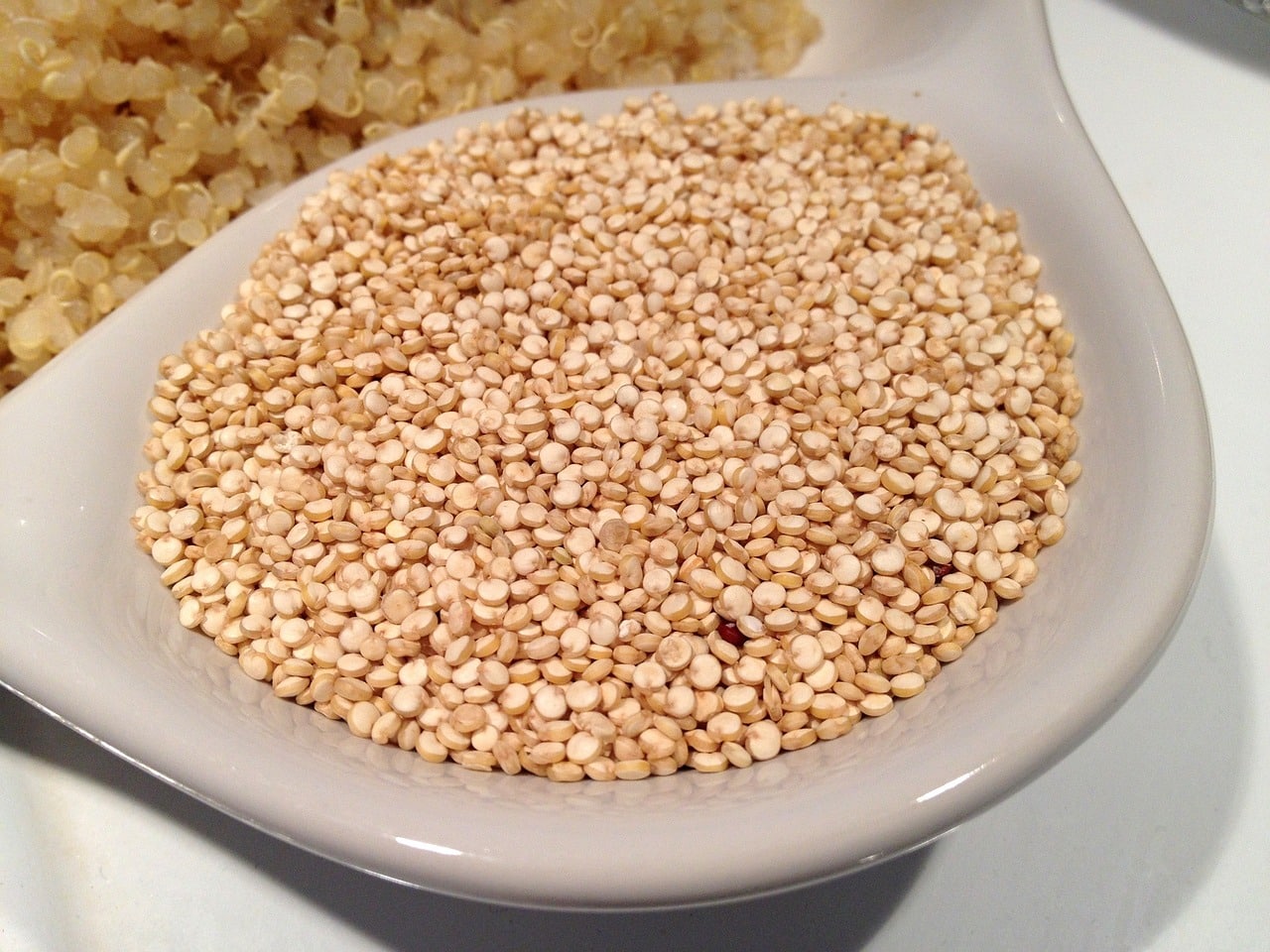
If you want the grain-forward texture of rice with a lighter, more protein-rich profile, quinoa is the swap. Grace Foods recommends serving coconut shrimp alongside colorful salads filled with zesty citrus, sweet and savory grains like coconut rice or quinoa, or roasted vegetables that add warmth and depth. Cook it in vegetable or chicken broth instead of plain water for extra flavor, then fold in diced mango, scallions, and toasted coconut flakes to echo the shrimp’s tropical coating.
Quinoa also holds up well as a make-ahead side, since it doesn’t get gummy the way some rice varieties do when refrigerated overnight. That makes it a smart pick for dinner parties where you’re prepping sides earlier in the day. Curious how quinoa fits among other Q-named foods in everyday cooking? It’s one of the few grains that starts with that letter and shows up on real dinner tables.
| Grain-Based Side | Flavor Profile | Best Paired With |
|---|---|---|
| Rice With Honey Butter Sauce | Sweet, buttery, lemony | Weeknight dinners, kid-friendly plates |
| Coconut Rice | Tropical, mild, subtly sweet | Dinner parties, tiki-themed menus |
| Quinoa | Nutty, light, citrus-friendly | Make-ahead meals, health-focused menus |
6. Roasted Vegetables

Roasted vegetables bring the caramelized, slightly smoky contrast that fried coconut shrimp needs. Shaken Together suggests that lightly caramelized roasted vegetables like butternut squash, carrots, yellow squash, red bell pepper, or parsnips are a vibrant and healthy side dish, and a mix of roasted vegetables is the best way to add a healthy aspect to your meal. Toss whatever you have on hand in olive oil, salt, and pepper, then roast at a high temperature until the edges char slightly.
A drizzle of honey or a sprinkle of cinnamon right before roasting can nod to the shrimp’s sweetness without overpowering the vegetables’ natural flavor. This is also an easy way to use up produce that might otherwise go to waste at the end of the week.
7. Citrus Salad
A citrus salad cuts through the richness of fried coconut shrimp better than almost anything else on this list. Grace Foods points out that sides like this not only enhance the meal with different textures but also bring contrasting flavors that beautifully complement the tropical, crunchy shrimp, making every bite more exciting and well-rounded. Combine segments of orange, grapefruit, and a few thin slices of red onion over a bed of arugula or baby spinach.
Dress it simply with olive oil, a splash of the citrus juice itself, and a pinch of salt. This is one of those sides that photographs beautifully on the table too, which makes it a strong choice if you’re hosting.
Key Insight: Acidic sides like citrus salad and cucumber salad aren’t just refreshing; they actively reset your palate between bites of rich, fried shrimp, so you don’t get flavor fatigue halfway through the meal.
8. French Fries

French fries are the classic answer to what to serve with coconut shrimp when you want a casual, crowd-pleasing meal. Shaken Together explains why the pairing works so well: french fries are the perfect side to pair with seafood in general, especially crunchy coconut shrimp, and the golden crispy fries add a savory and salty flavor that complements the sweet and tangy coconut coating on the shrimp. Corrie Cooks lists them among the most popular options people reach for, right alongside french fries, blooming onion, chicken nuggets, cheese dip, mozzarella sticks, fried rice, grilled pineapple, mango salsa, sweet potato fries, and coleslaw.
If you’re stocking your freezer for a quick weeknight version of this meal, both frozen fries and frozen coconut shrimp travel well, which matters if you’re shopping online or getting a seafood delivery. Knowing the basics of how frozen food ships safely can save you from a soggy, thawed mess on your doorstep.
9. Sweet Potato Fries
Sweet potato fries lean into the same sweet-savory territory as the shrimp itself, which is part of why they show up so often on side dish lists. Home & Plate recommends that you buy frozen sweet potato fries and make it at home or follow this easy recipe for sweet potatoes with a spicy barbecue seasoning. A light dusting of smoked paprika or chili powder gives them a savory edge that keeps the plate from tasting like dessert.
Bake them on a wire rack instead of directly on the sheet pan if you want extra crispness without deep frying. Frozen sweet potato fries qualify as a genuine convenience food, and there’s no shame in reaching for the freezer aisle on a busy weeknight.
Common Mistake: Overcrowding the baking sheet is the number one reason homemade fries come out soggy instead of crisp. Give every piece room to breathe, even if that means using two pans.
10. Steamed Green Beans
Sometimes the best side dish is the simplest one. Home & Plate’s approach is straightforward: simple, steamed green beans with coconut shrimp and a side of rice, sometimes dressed up with a bit of bacon or pancetta for extra flavor. Steaming keeps the beans bright green and snappy rather than limp, and it takes only a few minutes on the stovetop.
A squeeze of lemon and a pat of butter right before serving is usually all they need. If you’re paying closer attention to heart health while planning meals around shrimp, it’s worth reviewing general guidance on foods to eat and avoid with coronary heart disease, since preparation method matters as much as the ingredient itself.
Important Note: This article is for general meal-planning purposes and isn’t medical advice. If you’re managing a heart condition or another dietary restriction, talk with a registered dietitian or your doctor about how fried and coconut-based foods fit into your plan.
11. Sweet Chili Dipping Sauce
No coconut shrimp spread feels complete without a dipping sauce, and sweet chili is one of the most traditional choices. Wikipedia’s entry on coconut shrimp notes that the dish may be served with various dipping sauces, such as sweet and sour sauce, peach sauce, apricot sauce, sweet chili sauce, and marmalade, among others. Every Last Bite’s recipe pairs its shrimp with a homemade sweet chili dipping sauce that is simply divine.
Homemade versions typically combine rice vinegar, sugar, garlic, and red chili flakes simmered until slightly thickened, which gives you more control over sweetness and heat than most bottled versions. Keep a jar in the fridge; it works just as well on spring rolls and grilled chicken later in the week.
12. Pineapple Salsa
Pineapple salsa brings the same tropical punch as coconut rice, but in a bright, chunky, no-cook format. Insanely Good Recipes puts it simply : pineapple is sweet and tangy, cilantro is herby, and together, they are perfect. Dice fresh pineapple, red onion, jalapeño, and cilantro, then finish with lime juice and a pinch of salt.
This one comes together in about ten minutes with zero stovetop time, which makes it ideal for hot weather when you’d rather not heat up the kitchen. Spoon it directly over the shrimp or serve it alongside as a scoopable side.
| Sauce | Heat Level | Best For |
|---|---|---|
| Sweet Chili Dipping Sauce | Mild to medium | Traditional dipping, spring roll leftovers |
| Pineapple Salsa | Mild, adjustable with jalapeño | Summer meals, no-cook prep |
| Avocado Crema | None | Cooling contrast, drizzling over fries |
13. Shredded Red Cabbage Slaw
Red cabbage slaw closes out this list with color, crunch, and a tangy bite that stands up well against fried shrimp. Platings + Pairings’ Hawaiian coleslaw combines pineapple, cabbage, carrots, sesame seeds, and a ginger-soy lime vinaigrette for a tropical spin on the classic. Insanely Good Recipes agrees that coleslaw has a nice tangy flavor that pairs perfectly with coconut shrimp, and if you use red and green cabbage to make it, you’ll get a vibrant and colorful slaw that will look so good on the dinner table.
Skip the heavy mayo dressing here too and stick with a vinegar-based one, so the slaw stays light instead of competing with the shrimp’s richness. Red cabbage is one of those reliable, everyday vegetables that also shows up in plenty of other contexts; you can see more examples in this roundup of foods that start with R.
With thirteen sides on the table, you have more than enough combinations to build a full menu, whether you’re feeding a family on a Tuesday or hosting a tiki-themed dinner party. Start with one sauce, one grain-based side, and one fresh salad or slaw, then adjust from there based on the season and who’s coming to dinner. Coconut shrimp is flexible enough to sit at the center of a casual weeknight plate or a more elaborate spread, and now you have the sides to match either occasion.